REVIEW · HIKING & TREKKING
Urban Hike to the Aqueduct Park in Rome
Book on Viator →Operated by Salvatore Benintende · Bookable on Viator
Rome’s aqueducts feel closer on this walk. You follow your guide through Aqueduct Park territory while hearing how ancient Romans managed water, plus you get wide city views without the museum fatigue.
I especially like two things: the start is easy to find by metro in Pigneto, and the hike ends near public transport, so you can keep your day moving instead of fighting traffic.
One catch: it’s a 3-hour urban hike and the tour asks for moderate fitness, so you’ll want comfortable shoes and a calm pace mindset, especially starting at 8:30 am.
In This Review
- Key Things You’ll Notice on This Aqueduct Hike
- Walking the Aqueduct Line From Pigneto to Appia Antica
- Why the 8:30 Start Feels Like Good Planning
- Pigneto: Markets, Coffee Shops, and a Local Start
- Aqueduct Felice: Following the Water Guide
- Porta Furba and Pope Clement XII’s Fountain Stop
- Parco degli Acquedotti: Appia Antica Views With a Guide’s Route
- Tor Fiscale Park: Nature Meets Ancient Water Structures
- What Salvatore Benintende Brings to the Walk
- Price and Value: What $35.49 Buys You
- Group Size, Fitness, and How Much You’ll Walk
- Getting There and Leaving: Metro-Friendly Start and Finish
- Should You Book This Aqueduct Park Hike?
- FAQ
- How long is the Urban Hike to the Aqueduct Park in Rome?
- What time does the tour start?
- Where is the meeting point?
- Where does the tour end, and is it near public transport?
- What is the group size limit?
- Is the tour suitable for a moderate fitness level?
- How much does it cost, and do I need to buy admission tickets?
Key Things You’ll Notice on This Aqueduct Hike
- Small group size (max 15) means more chances to ask questions as you walk.
- An 8:30 am start in Pigneto helps you shake off the heaviest city crowds early.
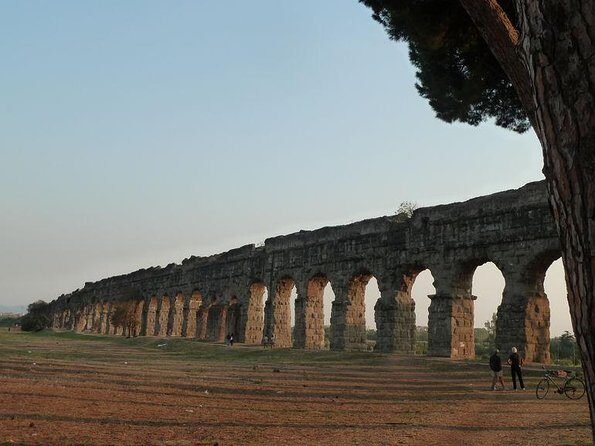
- Aqueduct Felice plus multiple park stops gives you variety instead of a single lookout.
- Stops are spread across the Appia Antica park area, letting you see how the route changes.
- You finish near the Giulio Agricola subway, with a straightforward way back toward Pigneto.
Walking the Aqueduct Line From Pigneto to Appia Antica
This is the kind of Rome tour that feels like a city secret, but without the gatekeeping. You start in Pigneto, then move toward the aqueducts and park areas linked with Rome’s famous Appia Antica landscape of ruins and greenery.
What makes it work for real travelers is the balance: you get history and engineering context, but you also get movement, breaks, and views. You’ll spend enough time outside to feel like you left the city rush behind, while still staying close to metro lines if you want to bail early.
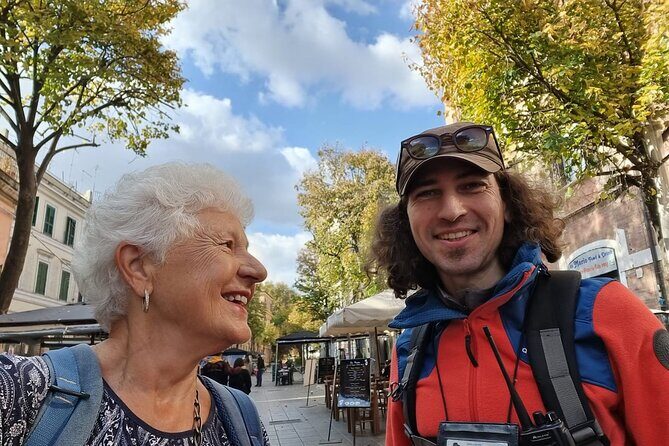
And the vibe is friendly. With a maximum group size of 15, it stays personal, not crowded. That matters when your guide is explaining construction choices, sources of water, and the timeline behind the aqueduct story—because you can actually hear the details.
You can also read our reviews of more hiking tours in Rome


Why the 8:30 Start Feels Like Good Planning
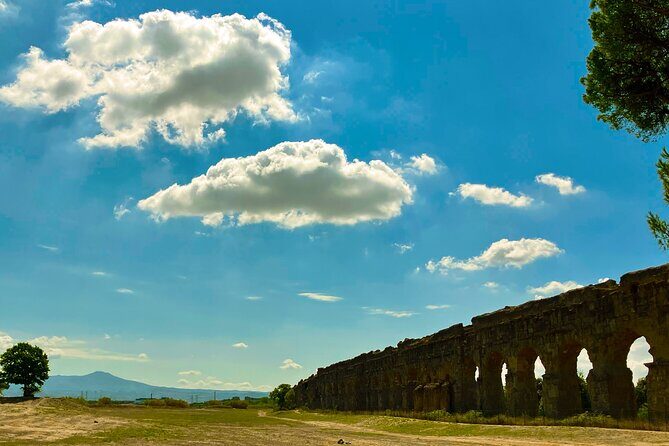
An early start is not just tradition here. Beginning at 8:30 am means you’re walking when Rome is less jammed, and when the parks and viewpoints feel calmer.
It also helps your energy. A 3-hour hike is long enough to feel like an outing, but short enough that you’re not stuck all day. If you’re trying to pack in Colosseum-level icons plus quieter experiences, this timing gives you a clean slot without ruining the rest of your afternoon.
One practical note: you’ll be on foot through multiple areas, so treat this like a real morning walk, not a light stroll. If you come in with good shoes and a steady pace, you’ll enjoy the rhythm of the stops.
Pigneto: Markets, Coffee Shops, and a Local Start
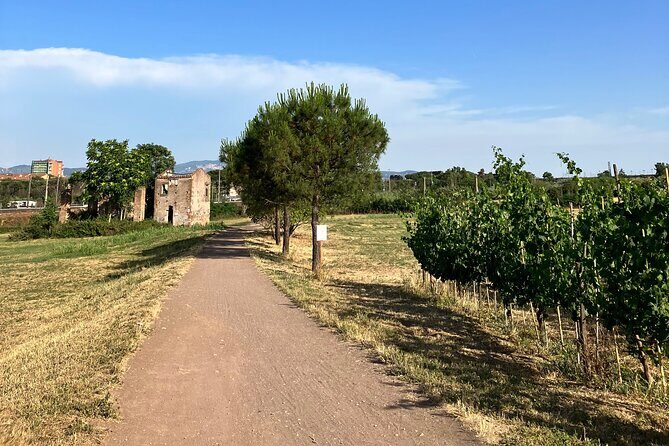
You begin in Pigneto, a neighborhood with a hip, local feel. Right away, the tour connects you to daily Rome: you’ll pass by a local morning market atmosphere and you’ll see the kind of coffee shop culture that makes neighborhoods feel lived-in.
This is a smart warm-up. A short stop here is enough to get your bearings, meet your group, and shift from sightseeing mode into walking mode. It also sets expectations: you’re not only chasing ruins; you’re moving through real streets.
Even better, Pigneto makes transportation simple. The meeting point is on the neighborhood side of town, and the tour is built around metro access. You’re not committing to a long taxi ride just to start.
Aqueduct Felice: Following the Water Guide
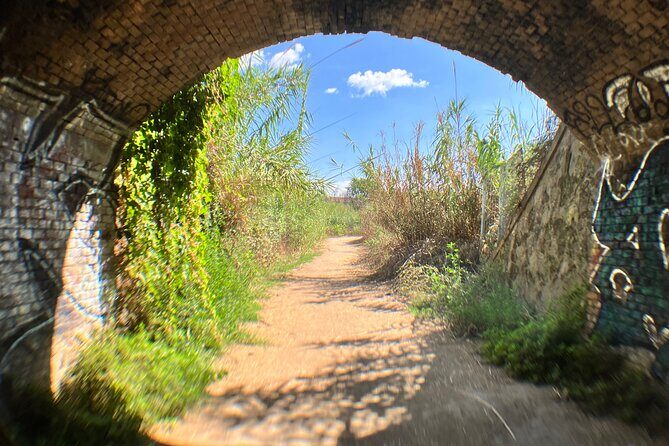
Next comes Aqueduct Felice, the big anchor of the route. Your guide follows you along the line so you can see how this water system shapes the surroundings as you move toward the aqueduct park area.
This stop is where the history turns from general to specific. The guide explains how the system worked in terms of construction and sources, plus where it fits into the larger timeline. You’ll likely find that aqueducts stop being abstract once you’re walking near them and hearing what each section represents.
There’s also a payoff for visual learners. As the route continues, the city views show up in the background. It’s not just “look at a structure,” it’s “watch how Rome’s built layers appear as you walk.”
The only drawback is that this is still an outdoor walk on a city route. If you’re sensitive to morning sun or want lots of shaded time, plan your water and don’t expect long indoor breaks.
Porta Furba and Pope Clement XII’s Fountain Stop
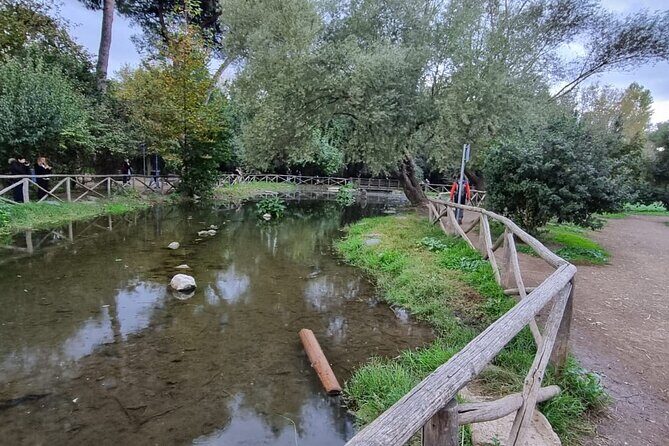
Then you reach Porta Furba, historically one of Rome’s main entrance gates. This is a key moment because it shows how aqueducts weren’t isolated engineering projects. Water infrastructure and city design were tied together.
At this stop, you also get a fountain moment: the fountain of Pope Clement XII, which took its water from the Felice aqueduct. That one detail helps you connect the dots between the aqueduct route and what people experienced on the ground in Rome.
It’s the kind of connection I love because it’s concrete. You’re not only hearing that aqueducts existed—you’re seeing how water ended up in recognizable public features.
Timing is also reasonable here. The stop is long enough for photos and questions, but it doesn’t break the flow of the hike. If you want history plus momentum, this pacing works.






Parco degli Acquedotti: Appia Antica Views With a Guide’s Route
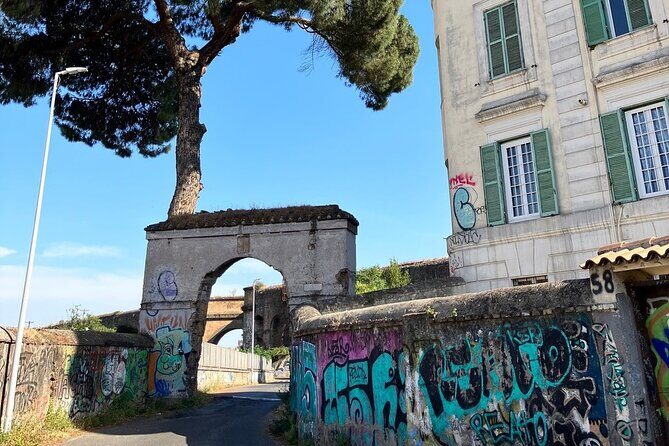
The tour expands into Parco degli Acquedotti within the Appia Antica archaeological park zone. This is where the outing starts feeling like an actual escape from the city crowd—less traffic energy, more time to look, and more room to take in views.
Your guide shows you the interesting parts of the park and helps you find the best sightlines. That’s a big deal in Rome parks, where you can easily walk past something meaningful if you’re not sure where to focus.
This stop is also a “listening plus walking” mix. As you move, your guide explains what you’re seeing, including highlights along the route. So you’re not stuck hearing a lecture while standing in one place—you’re getting story context while your eyes are doing the work.
If you’re an ancient-history fan, this is a good match because it’s not only ruins for decoration. It’s a working landscape of historical water features and the way the aqueducts interact with the park setting.
Tor Fiscale Park: Nature Meets Ancient Water Structures
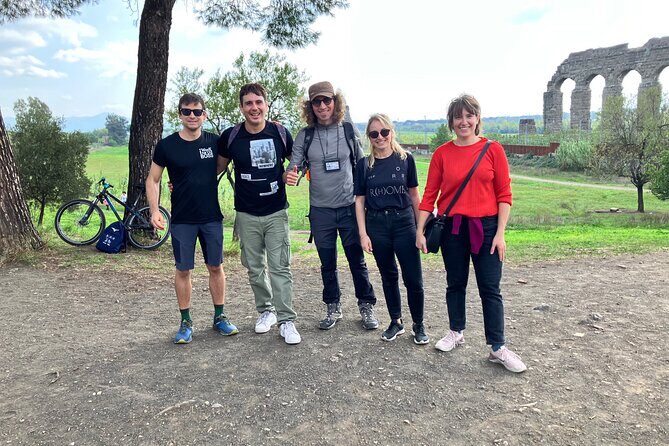
After the Aqueducts park segment, you continue into Parco di Tor Fiscale, also tied to the Appia Antica archaeological area. This is a nature-forward section, but it stays connected to the water story through the presence of aqueducts and the route’s historical context.
The feeling here is different. Instead of the earlier, more structured aqueduct focus, this part is about walking through a park setting where history and outdoor space overlap. You’ll get time to appreciate the way these ancient structures sit within a living environment.
This stop is also useful if you want variety. A lot of Rome tours are either full-city walking or full-ruins wandering. This one gives you both: urban texture at the start, then greener park walking later.
The main consideration is just stamina. Two park segments plus an aqueduct-focused section can add up. If you’re not used to walking for a few hours, treat the pace as moderate and take advantage of guide pauses.
What Salvatore Benintende Brings to the Walk
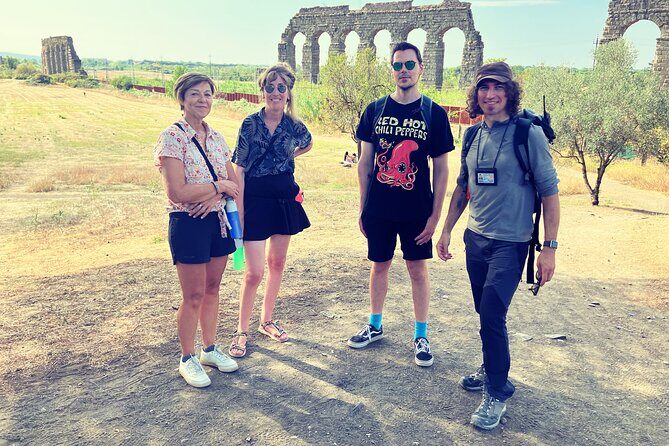
The guide is Salvatore Benintende, who goes by Sal. The tone of the experience is enthusiastic and friendly, with a style that makes the history feel like a conversation instead of a textbook.
What I think is most valuable is how the explanations fit the route you’re actually walking. Sal talks about construction, sources of water, and the broader timeline—so the aqueduct story stays anchored to physical locations, not abstract dates.
This matters because aqueducts can be hard to visualize from far away. When you hear the why behind the engineering as you pass specific points, it clicks. You walk with a mental map instead of just taking photos and hoping you remembered what you read.
Also, small groups help. With max 15 people, you’re not shouting over each other, and you can get your questions answered at natural breaks.
Price and Value: What $35.49 Buys You
At $35.49 per person for about 3 hours, this isn’t a budget “throwaway” tour, but it also isn’t priced like a premium sightseeing spectacle. The value is in the combination of guide-led context, multiple focused stops, and transport-friendly location.
Here’s why that price makes sense for a lot of people:
- You’re paying for an informed route. Aqueducts are easier to enjoy when someone points out what matters.
- You get multiple stops (Pigneto, Aqueduct Felice, Porta Furba, and two park segments), not just one photo-op.
- The timing and route finish near subway access, which can save time and money compared to longer transfers.
It’s also worth noting how early people book. If it’s typically booked around 55 days in advance, it’s smart to reserve sooner rather than gambling on last-minute availability, especially for a small-group limit.
If you’re deciding between a guided aqueduct visit and a self-guided day, the difference is context. This tour helps you understand what you’re seeing as you walk, which is where value shows up.
Group Size, Fitness, and How Much You’ll Walk
The tour is capped at 15 travelers, and it’s designed for people who want a moderate physical challenge. That means it’s not a couch-to-Colosseum situation, but it’s also not a “train for a marathon” scenario.
You should expect:
- A continuous walking rhythm across several points
- Several planned stops where you can rest and listen
- More time outside than inside
So if you’re in good health and can handle a steady pace for roughly three hours, you’ll be fine. If you’re coming off injury or you’re used to slow sightseeing only, you might find the total effort a bit more than expected.
The good news is that the structure of the stops keeps it manageable. It doesn’t feel like you’re stuck hauling yourself from place to place with no breaks.
Getting There and Leaving: Metro-Friendly Start and Finish
This is built for people who rely on public transport. You start in Pigneto at the meeting point on Via Pigneto area (address listed as Pigneto00176, Rome). The end is at Via Lemonia, 214, 00178 Roma RM, finishing close to the Giulio Agricola subway station on the A line.
From there, you can return toward Pigneto by using the subway network. The route mentioned uses a transfer at San Giovanni and then back to Pigneto on the C line. Translation: your day doesn’t end with a long walk back to your hotel.
That matters because aqueducts can be slightly removed from the main tourist core. This tour solves that problem by keeping your start and finish anchored to metro options.
Should You Book This Aqueduct Park Hike?
I’d book it if you want a Rome outing that’s part walking, part story, and part scenery—without needing a full day. The combination of Pigneto street life at the start, Aqueduct Felice as the anchor, and two Appia Antica park segments makes the route feel varied, not repetitive.
I’d skip it (or choose a slower option) if three hours of walking is a stretch for you right now. Also, if you’re only interested in the single most famous landmark and you hate any outdoor wandering, this may feel like too much movement.
But if you like engineering explained in plain language, and you want to see aqueducts in the park setting they belong in, this hike is a strong value. The small group size and Sal’s enthusiastic, route-based explanations are what make it feel worth it rather than just another scenic walk.
FAQ
How long is the Urban Hike to the Aqueduct Park in Rome?
The tour lasts about 3 hours.
What time does the tour start?
It starts at 8:30 am.
Where is the meeting point?
The start point is in Pigneto, Rome, with the listed meeting address as Pigneto00176 Rome, Metropolitan City of Rome Capital, Italy.
Where does the tour end, and is it near public transport?
The tour ends at Via Lemonia, 214, 00178 Roma RM, Italy, close to the Giulio Agricola subway station on the A line.
What is the group size limit?
The tour has a maximum of 15 travelers.
Is the tour suitable for a moderate fitness level?
Yes. The tour is described as suitable for travelers with a moderate physical fitness level.
How much does it cost, and do I need to buy admission tickets?
The price is $35.49 per person, and the listed stops are marked as admission ticket free. The tour uses a mobile ticket.