Rome rewards slow looking.
This walking tour is a short, efficient way to see the big names—think Colosseum area and Pantheon—while also getting you into quieter Roman lanes that help the city feel lived-in. I like that it mixes famous façades with smaller streets and local-style stops for a more human pace. One thing to consider: it’s a mostly exterior sightseeing format at some major sites, so don’t book if you want lots of inside time.
Two parts I really like are the guide-led storytelling and the mix of architectural eras. You’ll get a clear storyline from Italian unification symbols at Piazza Venezia to Baroque showmanship in churches like Chiesa di Sant’Ignazio di Loyola. The main drawback is simple: with limited walking time and street stops, it can feel fast-paced on tired legs, and the tour isn’t for people with serious back/heart issues.
In This Review
- Key Highlights You’ll Notice Right Away
- Getting Your Bearings at Piazza Venezia and Vittoriano
- Palazzo di Venezia and the Power Spots Between Empire and Office
- Trajan’s Column and the Story Behind the Ruins
- Why this stop works for first-timers
- Trevi Fountain Without Losing Your Day to the Crowd
- Chiesa di Sant’Ignazio di Loyola: Baroque Illusion at Human Scale
- Pantheon: The Outside View Still Hits Hard
- A practical note
- Piazza Navona Finale: Fountains, Architecture, and a Breather
- How the 2–3 Hour Pace Feels on Your Feet
- One more detail that matters
- Price and Value: Why $30.25 Can Be a Smart Move
- What’s Included vs. What You’ll Pay On Your Own
- Small-Group Size: Why Max 20 Matters
- Who Should Book This Tour (and Who Should Skip It)
- Tips to Make the Most of Your Walk
- Should You Book This Rome Walking Tour or Pick a Different Plan?
- FAQ
- How long is the walking tour?
- What does the tour cost?
- Is the tour in English?
- Do I need to buy entrance tickets for stops?
- Are food and drinks included?
- How do I access the tour tickets?
- Where does the tour meet, and is pickup included?
- What if my meeting time changes?
- Is this tour suitable for people with mobility issues?
Key Highlights You’ll Notice Right Away
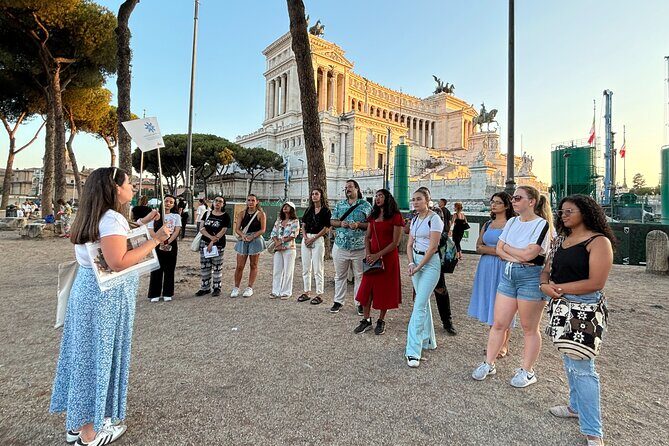
- A tight route through Rome’s must-sees: Colosseum area, Pantheon, Trevi Fountain, Piazza Navona
- Outside-only viewing at ticketed sights: you see the key parts without relying on paid entry
- Baroque art detail in St. Ignazio di Loyola: including the illusionistic ceiling fresco by Andrea Pozzo
- Trajan’s Column and Market ruins together: history and city planning side by side
- Small-group feel: maximum 20 travelers
- Mobile ticket convenience: saves you from juggling paper on your phone
Getting Your Bearings at Piazza Venezia and Vittoriano
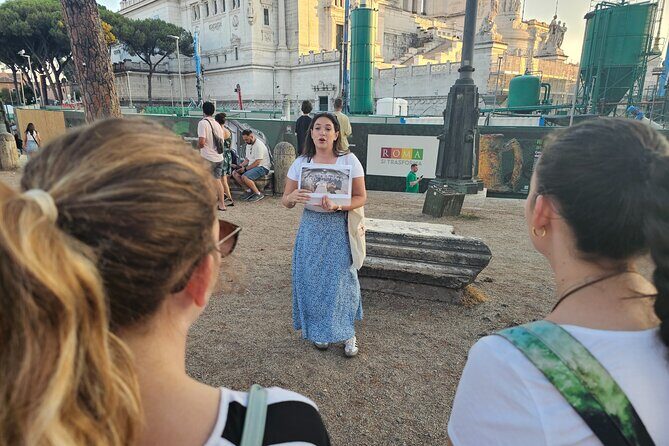
Your walk starts at Piazza Venezia, a central square where Rome’s layers show up immediately. You’ll see the huge Vittoriano monument, tied to the story of Italian unification and known for major public moments over time. It’s a good first stop because it gives you a mental map: where you are, why it matters, and how the rest of your route connects.
This is also where the tour’s pace sets expectations. In the first 15 minutes you’re not lingering for long photo ops; you’re getting oriented, then moving. If you hate rushing, plan on taking your time once the tour finishes at Piazza Navona.
You can also read our reviews of more walking tours in Rome


Palazzo di Venezia and the Power Spots Between Empire and Office
Right in the same area, the tour moves you to the Palazzo Venezia area and the National Museum housed inside it. The building itself carries big 20th-century weight, with connections to past political life as well as medieval and Renaissance art collections. Even if you don’t go deep into museum rooms, the stop gives you context for why these palaces shaped Rome’s identity.
A short stroll later, you’ll pass by Palazzo delle Assicurazioni Generali, an eye-catching early 1900s landmark with a different architectural mood than the ancient sites. This is one of the quiet strengths of the tour: you’re not stuck in ancient-only mode. You get a sense of how Rome kept reinventing itself after the empire, too.
Trajan’s Column and the Story Behind the Ruins
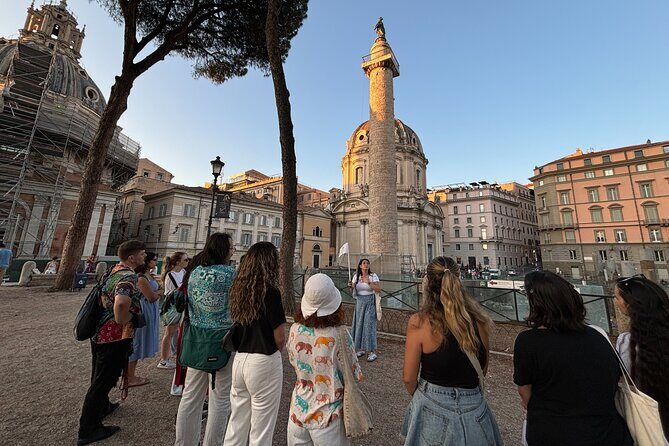
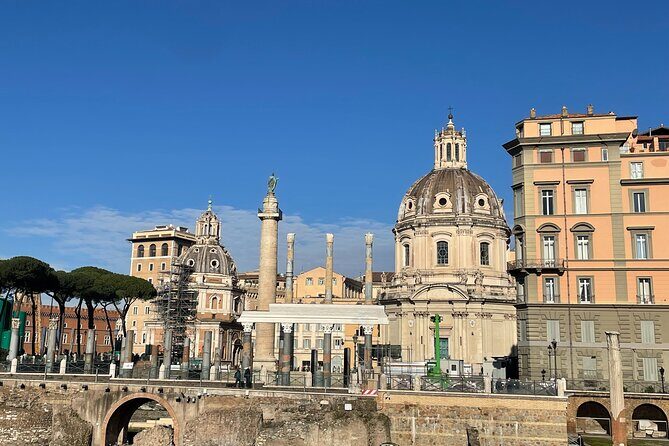
Next up is one of Rome’s best “read it with a guide” moments: Trajan’s Column. The column is a monument to victory, and what makes it interesting is how it turns politics into something you can look at scene by scene. With a guide, you’re less likely to just glance and move on—you start noticing what the visuals are trying to say.
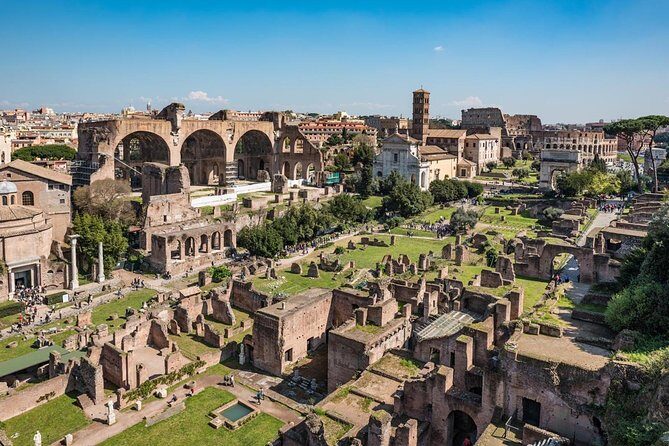
Right nearby you get Trajan’s Market, which helps you see the ancient city as more than temples and ruins. It’s a surviving commercial hub that shows how Romans planned space for real life. This stop is where the tour tends to make people happy because the architecture isn’t just decoration; it’s infrastructure.
Why this stop works for first-timers
You’re seeing both a symbol (the column) and the system (the market). That combo gives you a fuller picture of how power worked in everyday Rome.
Trevi Fountain Without Losing Your Day to the Crowd
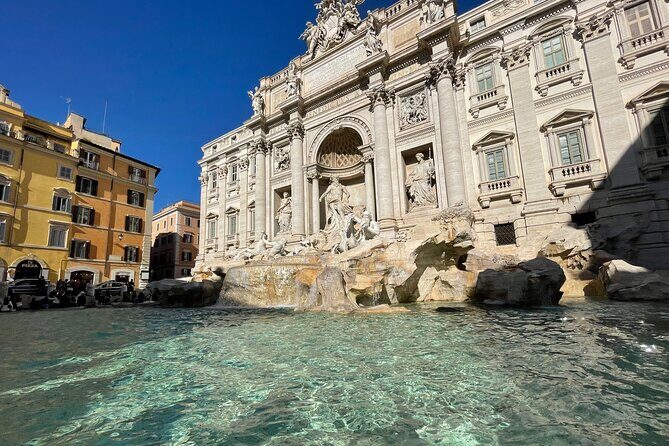
Then the route heads to Fontana di Trevi, the famous Baroque fountain that attracts everyone for a reason. You’ll get time to admire the sculptural details, and you can join the coin-toss tradition if you want. The main value here is not just the postcard view—it’s what the guide helps you notice about the fountain’s design language.
Trevi can be a zoo at peak hours, so your timing matters. This tour keeps the stop controlled—enough time to see it and understand it, without turning your whole afternoon into waiting in place. If you want a longer, slower Trevi experience, use your tour time to get the key views first, then come back later on your own.



Chiesa di Sant’Ignazio di Loyola: Baroque Illusion at Human Scale
If you like when art tricks your eyes, don’t skip Chiesa di Sant’Ignazio di Loyola. This church is known for Baroque grandeur, but the real wow factor is the illusionistic ceiling fresco by Andrea Pozzo. Even without spending lots of time inside paid-entry spaces, you’ll still get guided attention to what makes the work special.
This stop is also a nice change from street-level monuments. You shift from squares and fountains to a space where design is meant to control what you see and how you feel while looking up. It’s the kind of stop that turns your route from sightseeing into story.
Pantheon: The Outside View Still Hits Hard

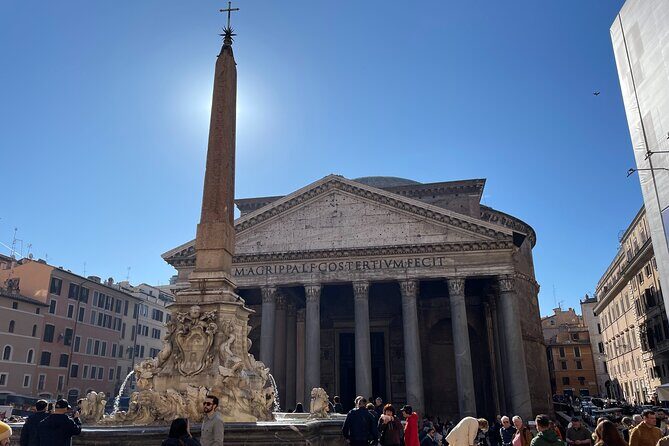
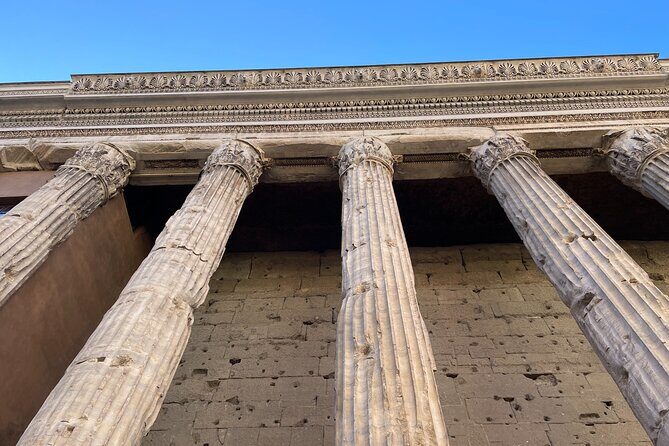
Next is the Pantheon, one of Rome’s best-preserved ancient structures. Even from the outside experience this tour format supports, the scale of the dome and the central oculus are hard to forget. It’s one of those places where you immediately understand why people treat it like a landmark, not just a building.
You’ll also get the connection to famous burials, including the artist Raphael. That adds meaning fast, so you’re not just taking in a pretty exterior—you’re learning why the Pantheon has stayed important through centuries.
A practical note
Because some attractions are handled from outside on this tour, you should treat this as an introduction to the Pantheon rather than a replacement for a longer visit with entry. If you want inside time, plan that as a separate stop on another day.
Piazza Navona Finale: Fountains, Architecture, and a Breather
The tour ends at Piazza Navona, a lively square known for elegant Baroque architecture and three major fountains. You’ll see Fontana dei Quattro Fiumi, Fontana del Moro, and Fontana del Nettuno, each with its own character and symbolism. This is a strong closer because the area is made for lingering—so your final minutes don’t feel like a rush to check a box.
You’ll also have an easy moment to reset: find a nearby café, sit down, and let your Rome map settle in your head. After 2–3 hours of walking, this stop gives you the best kind of payoff: it’s pretty, social, and practical.
How the 2–3 Hour Pace Feels on Your Feet
This tour runs about 2 to 3 hours, so it’s a “short walk, big highlights” plan. That means you’ll spend time at each landmark, but you’re not staying long at any single spot. The route is ideal when you only have one or two afternoons in the city center.
The tour also requires moderate physical fitness. You’ll be on old streets, and you should plan for steady walking between sights. If you know you tire easily, wear shoes you trust.
One more detail that matters
The tour note says meeting time can shift, and you may get a call or message from the provider. Make sure your phone number includes your country code when you book, so you don’t lose time at the start.
Price and Value: Why $30.25 Can Be a Smart Move
At $30.25 per person, this tour competes well because it bundles a guide, a historic route, and major stops without making you pay for entrances as part of the walk. You’re paying for efficiency and context—the part that often costs more when you rely only on self-guided wandering.
Also, the tour includes professional guidance at multiple points, which is where the money shows up. A guide turns landmarks into a story you can remember, not just photos you scroll past later.
A small caution on “entrance” expectations: the tour information states that attractions that require an entrance ticket are visited from outside. So if you’re comparing it to tours that include full entry into big sites, keep the format in mind when weighing the value.
What’s Included vs. What You’ll Pay On Your Own
Here’s the simple breakdown for your planning brain.
Included:
- Professional guide
- Walking tour of Rome’s historic core
- Major landmarks covered in the route, with the format described in the tour notes
Not included:
- Hotel pickup/drop-off
- Food and drinks
- Entrance fees to attractions
Even though food isn’t included, the route is built around areas where you’ll naturally find snacks and quick bites. If you want to fuel up, just buy your own water and something small at a pace that keeps you comfortable.
Small-Group Size: Why Max 20 Matters
With a maximum of 20 people, you’re not stuck in a giant herd. That usually means the guide can keep the group moving and still answer basic questions when the timing allows. For a route that hits lots of landmarks in a short window, smaller groups help the tour feel organized instead of chaotic.
Who Should Book This Tour (and Who Should Skip It)
This is a good fit if you want a focused introduction to central Rome without committing to a long day of museum tickets. It’s also great when you like learning how different eras connect—ancient empire, Italian unification symbolism, and Baroque art all in one walking loop.
It’s not the best choice if you have a back problem, are pregnant, have heart problems, or any other serious medical condition that makes walking and uneven streets risky. The tour explicitly flags those limitations.
If you’re visiting with friends, this works well too because the route gives everyone common reference points to talk about after.
Tips to Make the Most of Your Walk
A few practical moves will help this tour land better.
- Wear comfortable shoes. Rome streets don’t care about your plans.
- Bring a small plan for photos: do the wide shots quickly, then come back for details once your feet catch up.
- If you hate crowds, treat Trevi as a short mission, not a day-long project.
- Keep an eye on your phone before the start time in case the meeting details change.
One more planning tip: you should build some flexibility into tight schedules. The tour info indicates it can be canceled if enough people don’t join, so avoid booking it as your only Rome activity if your itinerary is rigid.
Should You Book This Rome Walking Tour or Pick a Different Plan?
Book this tour if you want a high-quality orientation walk through classic sights, plus guided attention to side alleys and historic context. At this price and time length, it’s the kind of outing that helps you understand where you are and what you’re looking at.
Skip it if you’re chasing lots of inside access, long museum time, or you have mobility constraints that don’t match a short, steady walk. Also skip if you’re expecting major ticketed monuments to be fully included, because the tour format notes that ticket-requiring sights are handled from outside.
If you want the best of both worlds, treat this as your first connector day. Then add a longer Pantheon, Colosseum, or museum visit on a separate afternoon when you can slow down.
FAQ
How long is the walking tour?
The tour runs about 2 to 3 hours.
What does the tour cost?
The price is $30.25 per person.
Is the tour in English?
Yes, it’s offered in English.
Do I need to buy entrance tickets for stops?
Entrance fees are not included, and the tour notes that attractions requiring an entrance ticket are visited from outside.
Are food and drinks included?
No. Food and drinks are not included.
How do I access the tour tickets?
You’ll receive a mobile ticket.
Where does the tour meet, and is pickup included?
There’s no hotel pickup/drop-off. The tour is near public transportation, and the meeting time/location can change with notice from the provider.
What if my meeting time changes?
If meeting time changes, you’ll receive a call or message from the activity provider. Make sure your correct phone number with country code is provided when booking.
Is this tour suitable for people with mobility issues?
The tour requires moderate physical fitness and is not recommended for travelers with back problems, pregnant travelers, or those with heart problems or other serious medical conditions.