REVIEW · EVENING EXPERIENCES
Sightseeing Walking Tour of Rome By Night: Trevi Fountain & Other Highlights
Book on Viator →Operated by Private Tours of Rome · Bookable on Viator
Rome at night hits different.
This 2-hour walking sightseeing tour in central Rome is paced for real streets, real stories, and real photo spots—without spending your evening stuck in queues. You’ll move through classic sights like Piazza Navona, the Pantheon, and the Trevi Fountain, with your local guide explaining what you’re seeing as you go.
Two things I especially like: first, the professional art historian guide approach—so the monuments get context, not just dates. Second, the promise to skip the long lines at major landmarks, which is huge when you’re trying to enjoy the cooler night atmosphere. One thing to keep in mind: this is a night walk with a moderate fitness level, so wear good shoes and expect some standing and strolling on uneven old-stone surfaces.
In This Review
- Key things to know before you go
- A 2-hour night walk that keeps Rome simple and focused
- Starting at Piazza Campo de’ Fiori: where the night feels local
- Piazza Navona after dark: Bernini fountains and stadium leftovers
- Pantheon entry: Raphael, emperors, and why the building still works
- Trevi Fountain coin toss, with a guide who knows the storyline
- The in-between streets: gelato picks, café stops, and photo time
- Price check: $350.28 per person is steep, so here’s what you’re paying for
- Who this tour suits best (and who might not love it)
- Practical tips to keep the night easy
- Should you book this Rome by Night walking tour?
- FAQ
- How long is the Rome by Night walking tour?
- Where does the tour start?
- Where does the tour end?
- Is the tour private?
- What language is the tour offered in?
- Is there an entry fee for the main sights?
- Does the tour skip long lines?
- What fitness level is needed?
- Do I need to bring a mask?
- What is the cancellation policy?
Key things to know before you go
- Line-skip included: you’re set up to avoid long lines at big stops, so the time stays sightseeing-heavy.
- Art historian level storytelling: you get guided explanations that connect architecture, rulers, and art.
- Night-first itinerary: your best photo chances come when the city looks at its most cinematic.
- Raphael plus royals at the Pantheon: the guide points out the tombs of Raphael and also Queen Margherita and King Victor Emmanuel II.
- Your guide helps with more than sights: expect pointers for gelaterias, cafés, restaurants, and shops, plus group photo time.
A 2-hour night walk that keeps Rome simple and focused
This tour is designed for one clear goal: help you experience the center of Rome in a short window, while your guide makes the city readable. It runs about 2 hours, in English, and it’s private for your group—so you can ask questions and get personal attention instead of feeling like you’re part of a herd.
For first-time visitors, this is a smart timing play. Rome can feel like sensory overload on day one, and a guided night loop gives you landmarks to hang your next day plans on. It also helps that the evening light makes stone buildings feel softer and easier to photograph.
And yes, it’s worth noticing that this isn’t a quick drive-by list of stops. You’ll walk through squares and alley-like streets where Rome’s city-center layout actually makes sense.
You can also read our reviews of more walking tours in Rome

Starting at Piazza Campo de’ Fiori: where the night feels local
Your meeting point is Piazza Campo de’ Fiori (P.za Campo de’ Fiori, 00186 Roma). That’s a good start location because it’s central, walkable, and lively without forcing you into a tourist-only vibe immediately.
If you’re the type who likes to get your bearings fast, start here works well. You begin with a real public square and then your guide leads you into Rome’s best-known monuments, one by one.
The experience ends back at the meeting point, which matters if you’re planning a dinner reservation afterward. In practice, Piazza Navona is a major wrap-up moment in the route, so you often end near that “Rome postcard” zone before heading back into the Campo de’ Fiori area.
Piazza Navona after dark: Bernini fountains and stadium leftovers
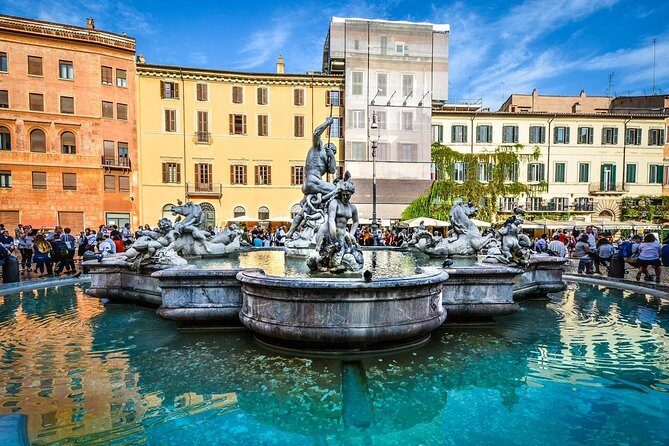
Piazza Navona is the kind of place that makes Rome feel theatrical. It’s a baroque masterpiece today, but underneath it you have the evidence of older Rome—specifically the Ancient Stadium built by Emperor Domitian.
During your walk, your guide will connect the dots: the square you see now sits on top of what came before, and the famous fountains you’re looking at today were shaped by Bernini. This is where guided interpretation pays off. Without that context, you’d still enjoy the scene—but you’d miss why the space feels the way it does.
Navona also gives you a practical advantage for night photography. Even with changing light, you’ll have multiple vantage points close together. Your guide will help you time it and point out where the light hits best, plus where to pause for photos without blocking other people.
Pantheon entry: Raphael, emperors, and why the building still works
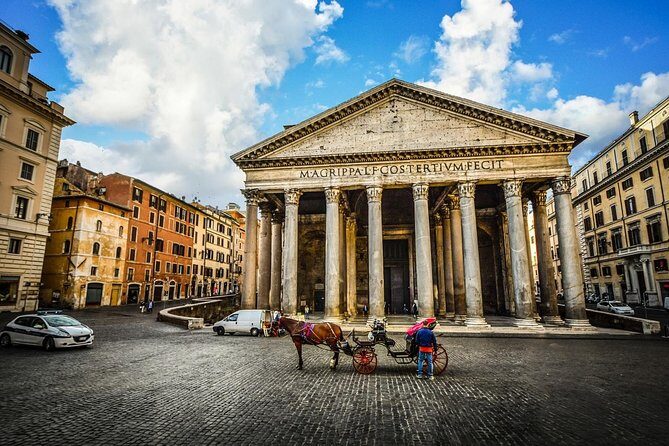
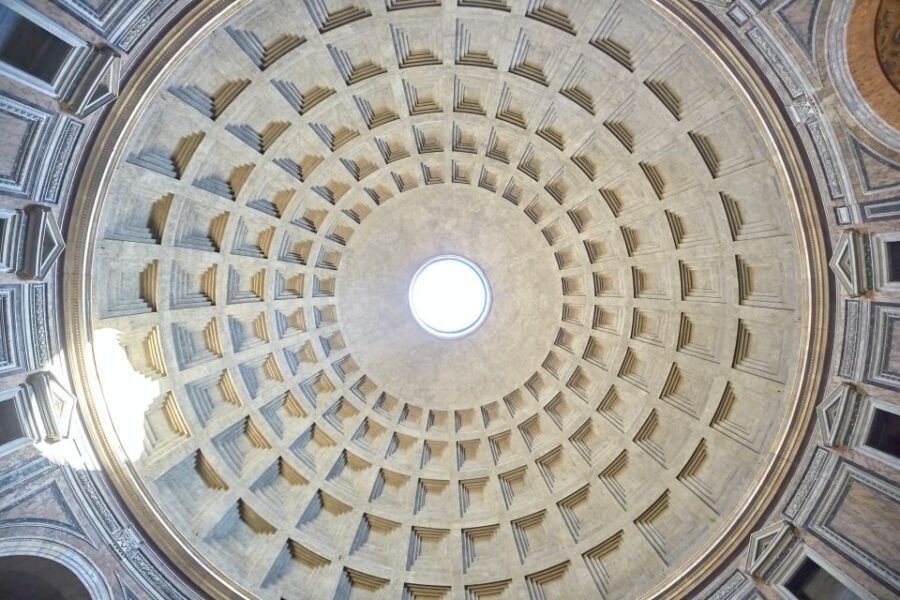
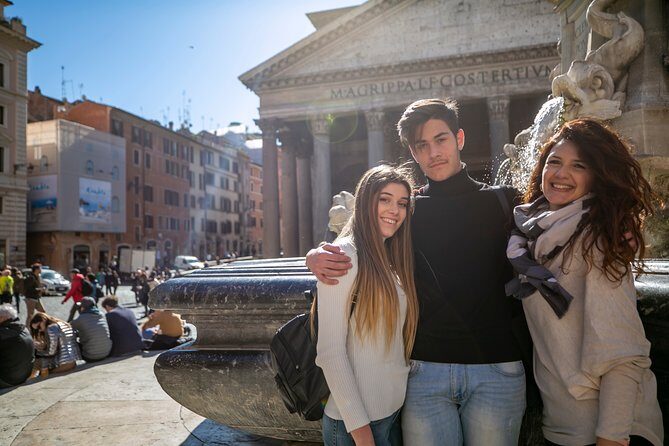
The Pantheon is the big “stop-the-walk-and-stare” moment of this route. You enter the monument and get to see why this is still considered one of the best-preserved Roman temples.
Two key details your guide should highlight here:
- The tomb of the painter Raphael
- The burial markers for Queen Margherita and King Victor Emmanuel II
That mix of Roman architecture and later Italian history is part of what makes the Pantheon so satisfying. It’s not just ancient stone. It’s a building that kept meaning as centuries changed.
Also, don’t ignore the approach. On the way, you’ll walk past landmarks and viewpoints that help you understand where you are in Rome’s power map. Your route description includes places like the Church of St. Ignatius, and the guide’s storytelling ties these together rather than treating each stop as an isolated postcard.
One more practical note: because this is a line-skip setup, you’re less likely to lose your most energetic sightseeing time waiting around. That matters at night when you want the evening to stay fun, not stressful.
Trevi Fountain coin toss, with a guide who knows the storyline
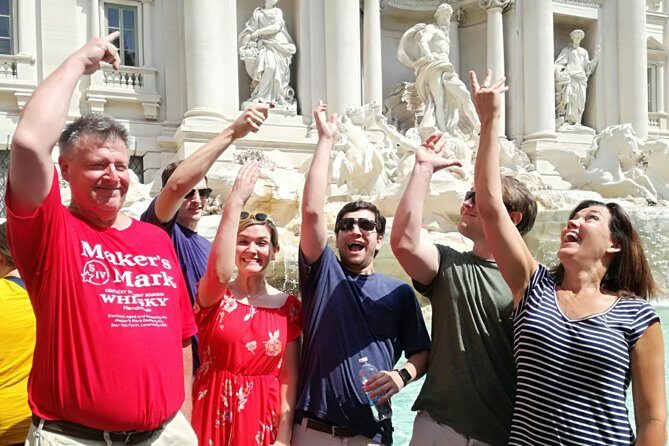
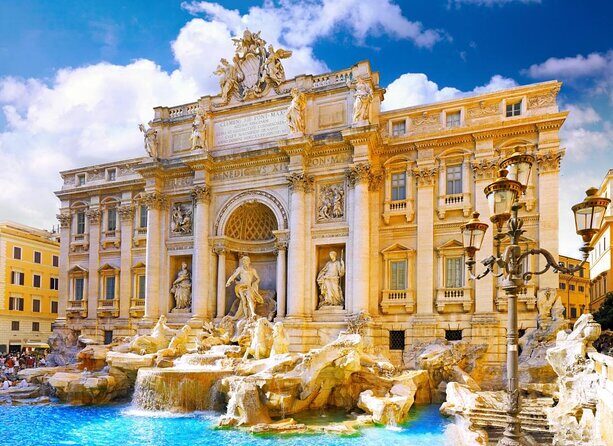
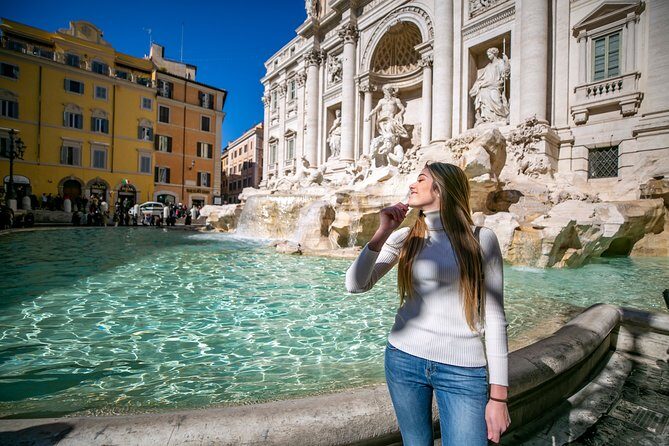
The Trevi Fountain is the iconic name, but what you’re really buying with a guided night visit is the why behind the drama. Your guide sets the scene and keeps you moving through the city center’s key layers.
You’ll get to visit the fountain itself—plus the coin toss moment that everyone knows. What’s more interesting is how the guide uses the route to give you a wider frame, pointing out major landmarks as you go.
Your walk includes several power-and-history landmarks on the way to the Trevi area, such as:
- Piazza Colonna, with the grand marble column of Emperor Marcus Aurelius facing the Italian government headquarters
- Buildings including Palazzo Chigi and Palazzo Montecitorio
- Emperor Hadrian Temple areas you pass along the route
- The route also loops back toward the Pantheon area before circling through central Rome sights
That structure helps you leave the tour understanding Rome as a system, not random monuments glued together.
You can also read our reviews of more evening experiences in Rome



The in-between streets: gelato picks, café stops, and photo time
A lot of “Rome walking tours” spend all their effort on facts and then ignore the human parts. This one seems built to solve that. Your guide will point you toward gelaterias, cafés, restaurants, and shops along the way.
Even if you’re not buying anything during the tour, that kind of guidance is valuable. It saves you from late-night decision fatigue when everything looks the same and you’re hungry.
Photos also matter on this itinerary. In one well-liked guide experience, Bruno was praised for taking many group pictures and sharing them after the tour. If you’re going with friends or family, that’s a real service, because it means you can enjoy the fountain-and-stadium photo moments without juggling your camera every ten seconds.
Night walking can also feel nicer than daytime because it’s cooler, and the tour style keeps moving. One guide praised for a warm, thorough approach also fit the vibe: informative, but relaxed.
Price check: $350.28 per person is steep, so here’s what you’re paying for
At $350.28 per person for about two hours, you’re definitely paying a premium. So the fair question is: is it worth it versus doing part of the route on your own?
Here’s what the price is tied to, based on what’s included:
- A local guide
- A professional art historian guide
- Local taxes included
- A setup designed to skip the long lines at major landmarks
- Admission ticket free listed for the experience
If you care about time efficiency and want interpretation at an art-history level, the cost starts to make sense. Line waiting can eat up your evening, and self-guided walking won’t always deliver the connections between buildings, rulers, and art that make Rome feel coherent.
If your budget is tight, I’d be honest: this price is only a good deal if you truly value guided context and the line-skip. If you’re happy to browse at your own pace and you don’t mind queues, you could likely recreate parts of the route cheaper. But if you want a guided “greatest hits” night with smart stops and a guide who can explain what you’re seeing, the value shifts strongly in favor of booking.
Who this tour suits best (and who might not love it)
This experience works well if you:
- Want a first-night Rome plan that hits major monuments quickly
- Like guided explanations more than self-reading plaques
- Prefer a private group format so you can ask questions
- Plan to spend the rest of your trip with a better mental map of central Rome
It’s also a good match if you’re traveling with someone who appreciates architecture and art—because the Pantheon focus and the attention to rulers and artworks can turn a famous building into a story you actually remember.
One consideration: it’s listed as moderate physical fitness and is a walking tour at night, so plan for steady walking and time standing for photos. If you know you struggle with uneven sidewalks, plan footwear carefully.
Practical tips to keep the night easy
A few small things can make or break a night walk like this:
- Bring your own mask and be ready to follow social distancing guidelines, since those are noted as required.
- Wear comfortable, grippy shoes. Central Rome streets are not gentle on soles.
- Use the fact that it’s near public transportation to plan your arrival and departure without rushing.
- Keep your phone charged. You’ll use a mobile ticket, and it’s easier if you don’t have to hunt for it in low light.
Also, if you’re hoping for a smooth dinner afterward, pick a reservation with a little buffer. Two hours of walking can feel longer when you’re stopping for photos and listening closely.
Should you book this Rome by Night walking tour?
I’d book it if you want a structured, high-impact Rome night that covers the big icons—Piazza Navona, the Pantheon, and Trevi Fountain—with a guide who can explain what you’re seeing and help you avoid the time-wasting parts (like long lines). The standout factor is the art-history guided approach plus the practical night pacing.
I’d skip it if you’re on a strict budget, hate walking, or don’t care much about interpretation and just want photos. For everyone else, this is the kind of experience that helps you understand Rome faster, so your next day plans feel less like guessing.
FAQ
How long is the Rome by Night walking tour?
The tour lasts about 2 hours.
Where does the tour start?
The meeting point is Piazza Campo de’ Fiori (P.za Campo de’ Fiori, 00186 Roma RM, Italy).
Where does the tour end?
The activity ends back at the meeting point.
Is the tour private?
Yes. It’s a private tour/activity, and only your group will participate.
What language is the tour offered in?
The tour is offered in English.
Is there an entry fee for the main sights?
The experience lists admission ticket free, meaning you won’t pay additional admission as part of this tour experience.
Does the tour skip long lines?
Yes. It’s described as guaranteed to skip the long lines at major landmarks.
What fitness level is needed?
It’s listed for a moderate physical fitness level.
Do I need to bring a mask?
Yes. You have to bring your own mask.
What is the cancellation policy?
You can cancel for a full refund up to 24 hours in advance of the experience’s start time.