REVIEW · PANTHEON TOURS
Rome: Pantheon, Trevi, Navona and Spanish Steps Private Tour
Book on GetYourGuide →Operated by Eyes of Rome Private Tours · Bookable on GetYourGuide
Rome’s best postcard stops, with real context. That’s the promise here, and it’s exactly what makes this private route work.
I like the mix of Pantheon first, then the open-air showstoppers—Piazza Navona and Trevi Fountain—so you’re not doing a one-note sightseeing loop. Two standouts for me are the skip-the-line Pantheon tickets via a separate entrance, and the private, Blue badge guide who can steer the route and explain what you’re actually looking at.
One possible drawback to plan for: central Rome gets loud fast. If your guide has a softer voice, you might struggle to hear details in crowded spots, and a thorough guide can make the schedule run a bit later than you expect.
In This Review
- Key things I’d plan for on this tour
- How this 3-hour private route actually flows
- Pantheon skip-the-line: the best “first wow” stop
- Piazza Navona’s fountain square: more than a photo pause
- Trevi Fountain: seeing it, hearing about it, photographing it
- Via Condotti to the Spanish Steps: the “walkable payoff” ending
- The guide factor: Blue badge expertise and multilingual help
- Value and price: is $277.55 per person worth it?
- Who this private tour suits best
- Should you book this Rome landmarks private tour?
- FAQ
- How long is the private tour?
- Where does the tour start and end?
- Does the tour include skip-the-line access?
- What languages are available for the live guide?
- Is the tour wheelchair accessible?
- Are there dress code rules?
Key things I’d plan for on this tour
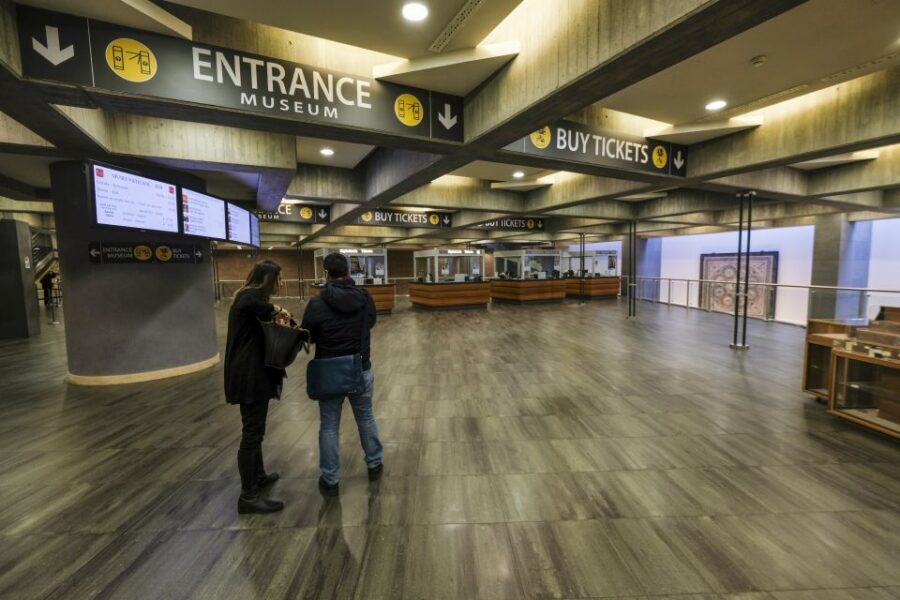
- Skip-the-line at the Pantheon with a separate entrance so you’re not stuck in the worst queue
- Three main 40-minute guided stops (Pantheon, Piazza Navona, Trevi Fountain, Spanish Steps) for steady pacing
- A flexible route order depending on your starting point and your requests
- A quick Via Condotti segment that bridges the monuments to the Spanish Steps area
- Dress rules matter (knees and shoulders covered; no shorts or sleeveless tops)
How this 3-hour private route actually flows
This tour is built for a tight, efficient walk through central Rome. You’re out for about 3 hours, and the rhythm is predictable: guided time at the big stops, then short walks between them on foot.
You’ll start from one of the meeting point options (starting points can vary). One listed option is Obelisco della Minerva, Piazza della Minerva 69, near the Elephant and Obelisk. From there, you’ll move through the core sights: Pantheon, Piazza Navona, Trevi Fountain, then toward Via Condotti and the Spanish Steps, finishing back at/near your meeting point.
Because it’s a private group, you’re not stuck in a cattle-herd pace. The guide can also adjust the order based on where you begin and what you want to emphasize. That matters on a first visit, when you want the route to match your interests, not the other way around.
Practical note: this is a walking tour with multiple outdoor stretches, so comfortable shoes are non-negotiable. Even though the on-foot segments are relatively short between stops, you’ll still be on Roman pavement, and it adds up.
You can also read our reviews of more private tours in Rome


Pantheon skip-the-line: the best “first wow” stop
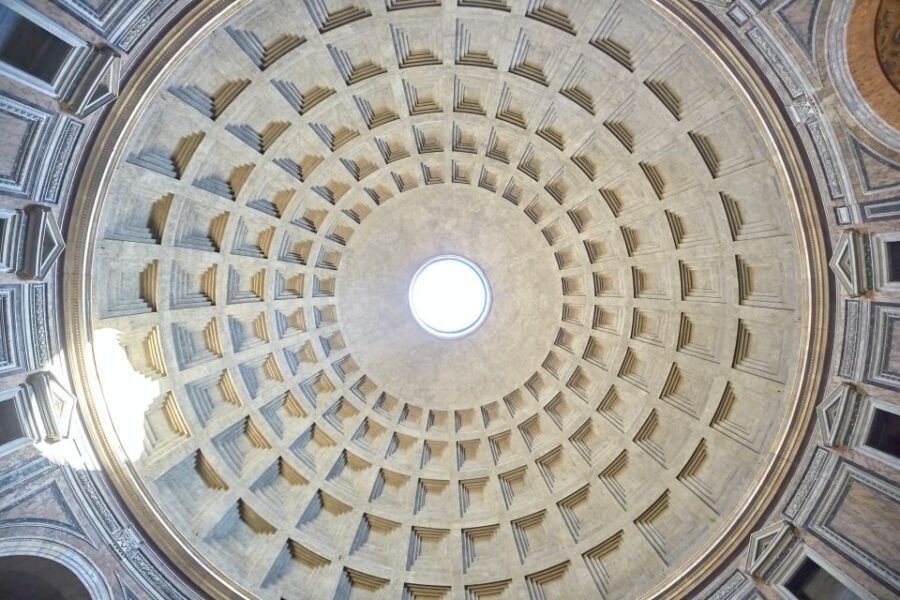
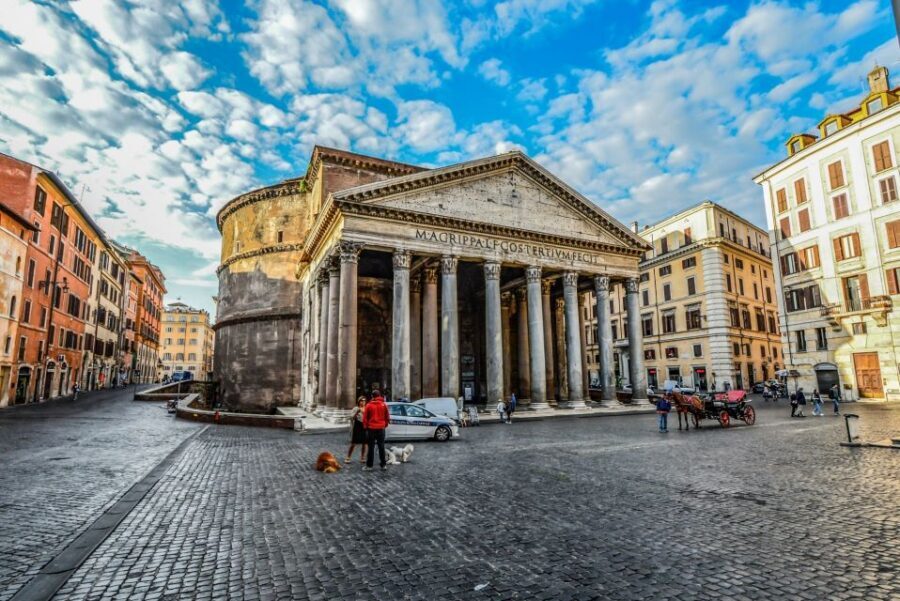
The Pantheon is the anchor. You’ll get a guided visit for about 40 minutes, and the big win is the Pantheon skip-the-line ticket designed to use a separate entrance. That one detail can save real time in a place where queues can feel like a full-day hobby.
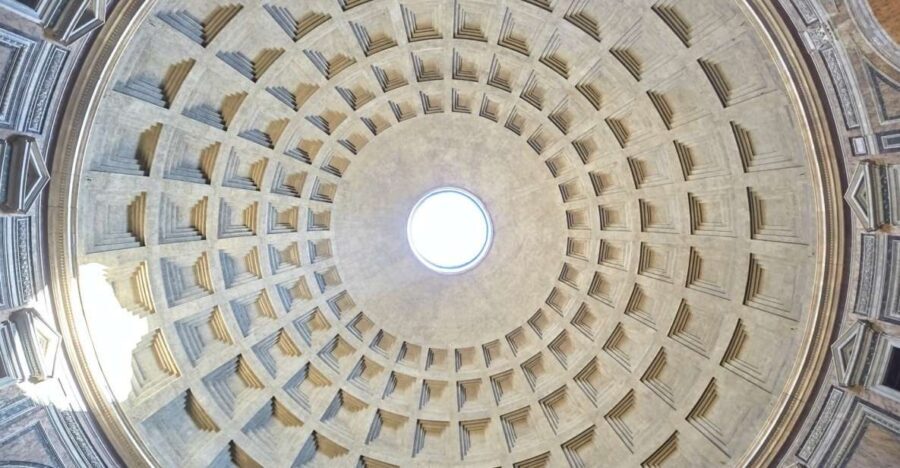
What I like about starting with the Pantheon is that it sets a mental frame. You don’t just see a famous building—you get oriented to what makes it special: the scale, the structure, and the way the space feels inside. A guide turns the Pantheon from a “yep, that’s the one in photos” moment into something you can actually understand.
Also, keep your expectations realistic: this is popular, and parts of the entry and interior experience can be busy. You’ll want to be ready for crowds while still taking advantage of your guide’s ability to time your walk inside and help you notice the right things.
Dress code matters here. The tour notes a dress requirement for places of worship and selected museums: no shorts and no sleeveless tops. Plan on shoulders and knees covered. In Rome, that’s not a rule to ignore—it’s a rule that can get you refused entry.
If you’re considering your timing for the rest of the day, I’d treat the Pantheon visit as the most “must-be-on-time” part.
Piazza Navona’s fountain square: more than a photo pause
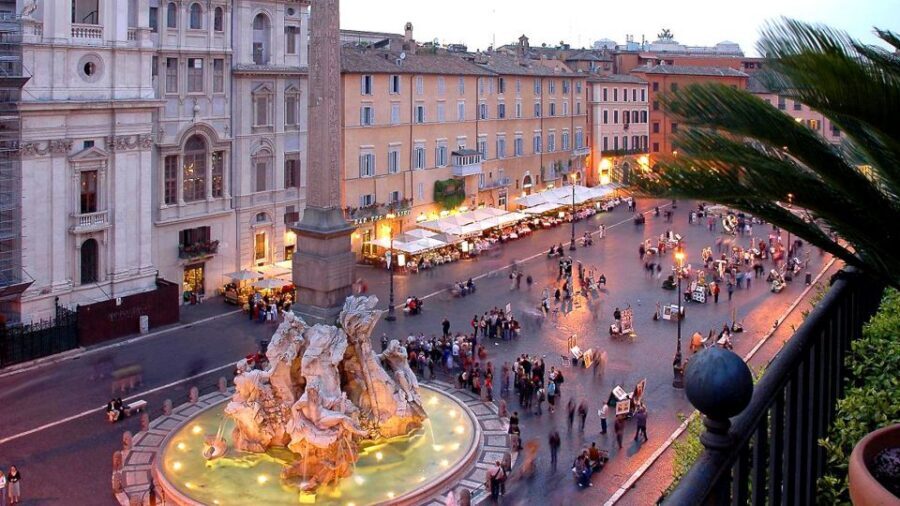
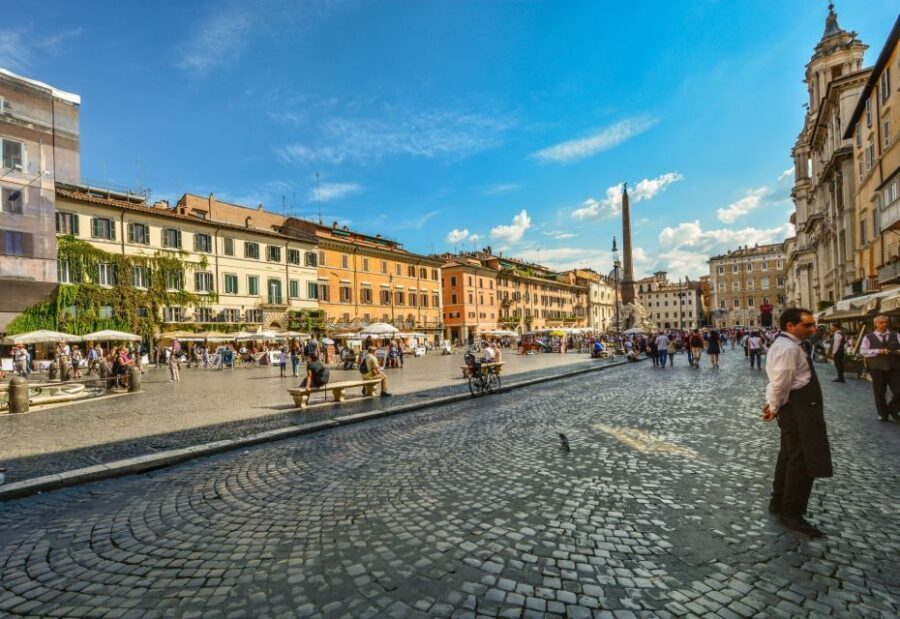
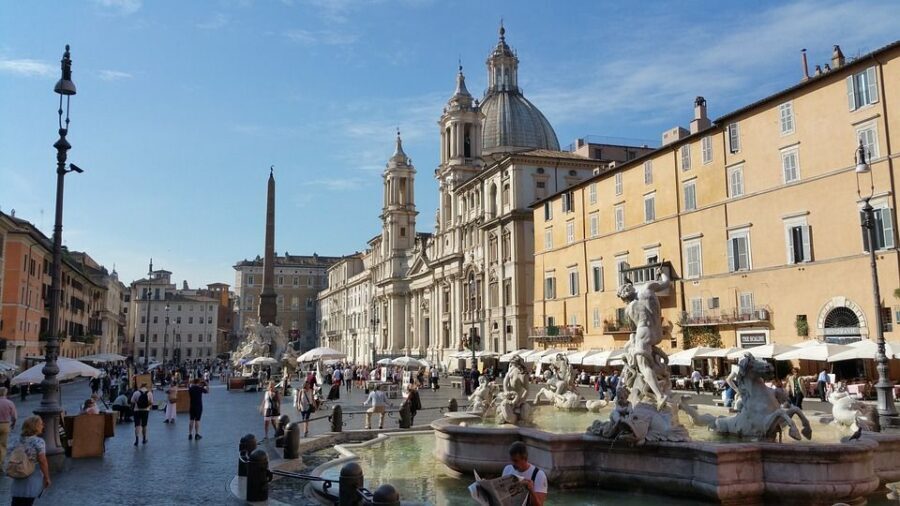
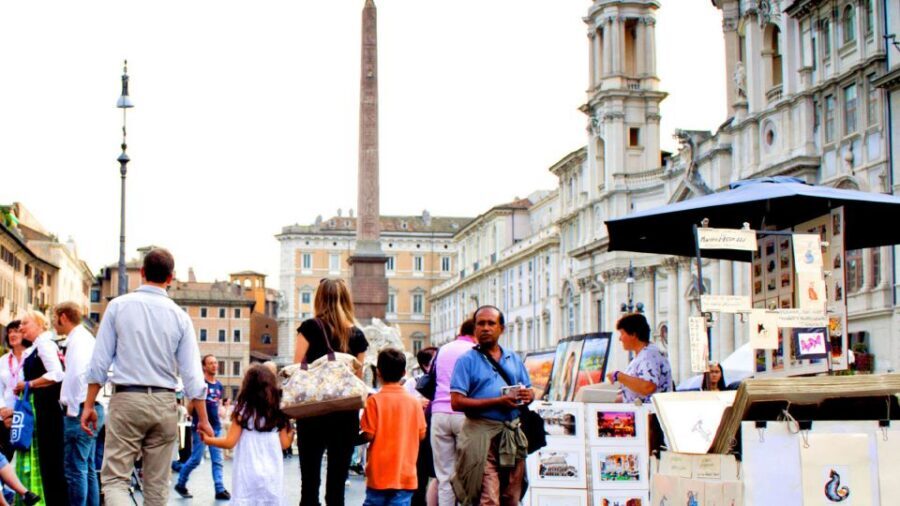
Next up is Piazza Navona, with another 40-minute guided stop. This square is one of those places where you can tell your guide is doing more than pointing. The fountain area isn’t just scenery—it’s part of why Rome feels dramatic in real life.
Why this stop works on a private tour: you get help understanding the layout and what you’re seeing around the fountains. On a first visit, Piazza Navona can blur into a grid of buildings and tourists. With a guide, you start connecting the dots instead of only chasing angles for your camera.
There’s also a practical advantage: Piazza Navona is open-air, so you can pace yourself. You’ll likely spend some time standing still, then moving a little for perspectives. In my opinion, that’s ideal for a guided format because you can pause for photos without losing the plot.
One caution: like many central squares, it can be loud. In the feedback you provided, one concern was hearing the guide clearly in busy spaces. Piazza Navona is exactly the kind of place where noise can flatten audio, so if you want details, keep the guide in your line of sight and don’t be shy about asking for repetition if something important gets lost.
Trevi Fountain: seeing it, hearing about it, photographing it
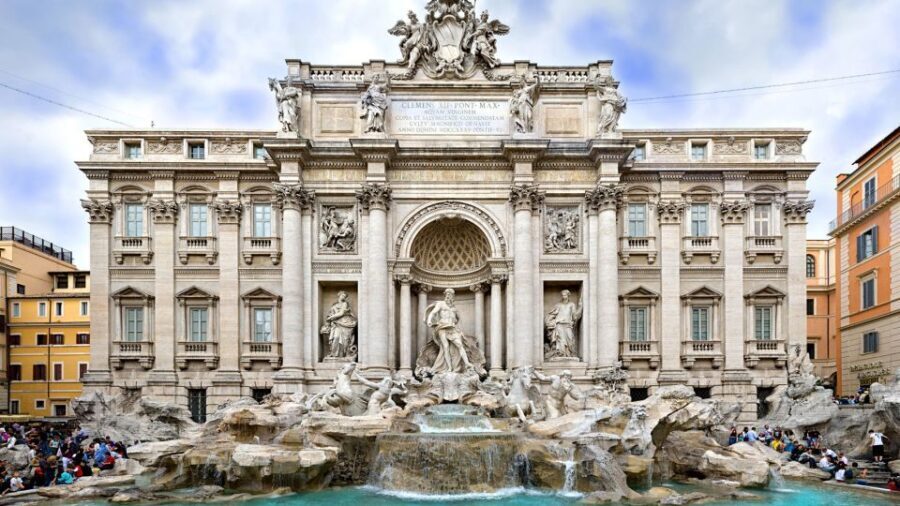
Then you move to Trevi Fountain for a 40-minute guided visit. Trevi is famous for a reason, but it’s also famous for crowds. A private guide helps here because you’re not spending your whole visit threading through people blindly.
What you can expect: you’ll get stories and insights tied to what you’re looking at, not just a quick stop-and-go. The guide’s job is to help you see Trevi as more than a postcard. That’s where a guided stop earns its keep—you’ll leave with context, and you’ll know what features to look for as you circle for photos.
Photo reality check: Trevi gets busy, and it can be hard to find a clear foreground. Plan to take photos in bursts: quick shots while you have access, then reposition when a small window opens. If you’re shooting video, be ready for background noise and interruptions from foot traffic.
Also, keep your expectations flexible if the day is crowded. One piece of advice from the experience notes is that the tour can run a little late when the guide includes more information. Trevi is often where people start to slow down for photos, so build in a buffer for your next plans.
Via Condotti to the Spanish Steps: the “walkable payoff” ending
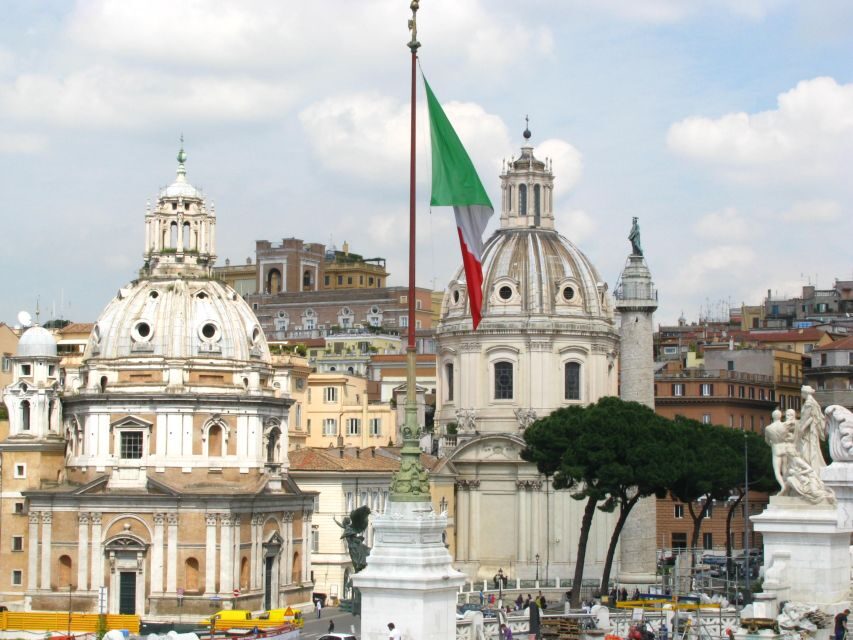
After Trevi, the route shifts toward Via Condotti for a shorter 10-minute guided segment, then continues to the Spanish Steps for about 40 minutes.
I like this pairing because it bridges two sides of Rome. Trevi is about spectacle. The Spanish Steps area is about the view, the stairs, and the feeling of Rome as a stage where people actually gather.
Via Condotti isn’t just shopping street time. On a guided tour, the point is what the street represents and how the route connects the monuments. That short stop helps you transition without losing momentum.
Then you get to the Spanish Steps area. With a guided visit, you’re not stuck only taking the same front-facing photo everyone takes. You’ll have time to understand where you are, why the area is iconic, and how to work with the crowd to get your own best perspectives.
This is also a smart finish in practical terms. The tour is designed so that wherever it ends, you’re placed in a good spot to keep exploring. If you’re planning a post-tour wander, this is one of the best neighborhoods to do it from.
And again: dress code. Even for outdoor areas, you’re still moving through places where rules may apply.






The guide factor: Blue badge expertise and multilingual help
This tour includes a Blue badge certified private tour guide. That’s a big quality signal in Rome, because it usually means you’re getting someone trained and authorized to guide visitors through major sights.
You’ll also have language options: English, Spanish, French, German, and Italian. If language comfort is important to you, this is worth checking before you go. Better understanding equals better photos and better questions.
What I’d watch for, based on the feedback you shared: hearing clarity can be the weak spot in loud, crowded spaces. A guide can be very informative, but in busy squares the sound can get swallowed. If you’re the kind of person who hates missing details, keep a close distance to the guide and face them when they’re explaining.
If your tour runs late, it’s often because the guide is being thorough rather than rushing. That’s not automatically bad—it’s just something to factor in if you have a hard deadline later in the day.
Value and price: is $277.55 per person worth it?
At $277.55 per person for about 3 hours, this is not a budget tour. But it’s also not trying to be one.
Here’s what you’re paying for in practical terms:
- A private group format (you’re not waiting for 30 other people)
- A Blue badge guide who gives you guided time at multiple landmark stops
- Pantheon skip-the-line tickets with a separate entrance
- Reservation fees included
For me, the value equation comes down to this: if you’ll enjoy having someone explain what you’re seeing—and you want to reduce line time at the Pantheon—then the price starts making sense. If you mainly want to wander on your own with a map, a private guide may feel like extra spending.
Also note what’s not included: there’s no hotel pickup or drop-off. That means you’ll need to get yourself to the meeting point and continue from there. The good news is the stops are in prime central areas, so you’re not crossing the city to start your sightseeing.
Who this private tour suits best
This tour fits you best if:
- You’re visiting Rome for the first time and want a smart “greatest hits” route
- You care about context—what buildings and squares meant, not just what they look like
- You want guided time at Pantheon, Piazza Navona, Trevi, and the Spanish Steps without spending your whole day in lines
- You like flexibility, since the order may vary depending on your starting point and your requests
It may be less ideal if:
- You have very tight timing constraints for the rest of the day. One concern you shared is that the tour can run late if the guide adds extra information.
- You’re easily frustrated by crowd noise and you rely on hearing every detail at all times.
Should you book this Rome landmarks private tour?
If your top priority is seeing Pantheon, Piazza Navona, Trevi Fountain, and the Spanish Steps with a real guide—and you want skip-the-line help at the Pantheon—then I think this is a solid booking. The route is efficient, the guided segments are long enough to matter, and the private format gives you a calmer experience than self-guided chaos.
My only “think twice” advice is about expectations for sound and timing. In loud central Rome, you may need to work a little to catch every word. And if you have another tour reservation immediately after, build in a buffer.
If you’re okay with that, you’ll likely enjoy a 3-hour route that helps you leave Rome not only with photos, but with a clearer sense of what you just saw.
FAQ
How long is the private tour?
The duration is 3 hours. Starting times depend on availability.
Where does the tour start and end?
The meeting point may vary depending on the option you book, and the tour ends back at the meeting point.
Does the tour include skip-the-line access?
Yes. It includes Pantheon Skip-The-Line Tickets with entry through a separate entrance.
What languages are available for the live guide?
The live guide is available in English, Spanish, French, German, and Italian.
Is the tour wheelchair accessible?
Yes, it is listed as wheelchair accessible.
Are there dress code rules?
Yes. You need knees and shoulders covered (no shorts or sleeveless tops). There are also dress code rules for entering places of worship and selected museums, and failing to meet them can mean denied entry.