REVIEW · COLOSSEUM TOURS
Fast Access Guided Tour of the Colosseum & Ancient Rome with a Roman Guide
Book on Viator →Operated by Accessible Italy Tours · Bookable on Viator
Rome’s ruins make more sense when someone walks you through the big stories. This private tour pairs a local guide with pre-booked tickets, so you can spend your energy on the Colosseum, the Roman Forum, and the hills around them, not on hunting lines or timelines.
I like the focus on the three power centers you can actually see in one pass: the arena at the Colosseum, the government and temples area in the Forum, and the views and sacred sites around Palatine/Capitoline Hill. I also like that tickets are handled for the Colosseum, so you get right into the main draw rather than losing momentum early.
One thing to consider: it’s only about 3 hours, so you’ll move at a guided pace with some walking and steps. Also, you’ll need to match names on your booking to the IDs you bring, or entry can be refused.
In This Review
- Quick Hits Before You Go
- Entering the Colosseum Without Losing Your Morning
- Colosseum First: Flavian Amphitheatre Scale You Can Feel
- What to watch for as you walk
- Roman Forum: Government Ruins That Still Tell a Story
- A practical tip for the Forum
- Palatine/Capitoline Finale: Sacred Hills and Michelangelo’s Piazza
- The Private Guide Factor: When Names Become Meaning
- Tickets, Value, and What You’re Actually Paying For
- Who gets the best value from this price
- Who This Tour Fits Best (and Who Might Skip It)
- Should You Book This Colosseum and Ancient Rome Tour?
- FAQ
- FAQ
- How long is the tour?
- What does the tour cover?
- Are tickets included?
- Where do we meet?
- Do I need to bring ID?
- Is this a private tour?
- Is transportation included?
- What if I cancel?
- What format is the ticket?
Quick Hits Before You Go
- Private local guide with full attention for your group
- Colosseum pre-booked entry so you spend less time waiting
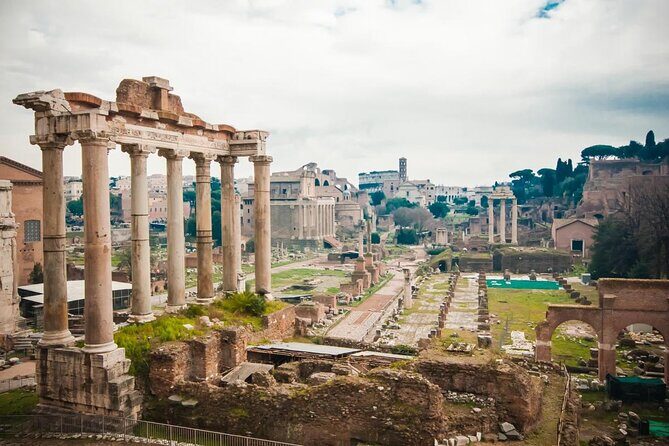
- Forum ruins explained from the Senate House to the Altar of Julius Caesar
- Hill finale with major landmarks, including Michelangelo’s piazza and the Statue of Marcus Aurelius
- Guides like Thomas and Francesco bring the scenes to life with clear explanations and personality
Entering the Colosseum Without Losing Your Morning
Meeting at Piazza del Colosseo 23 puts you right by the Colosseum, which helps your schedule. The tour runs about 3 hours, and the structure is simple: Colosseum first, then the Forum, and finally the hill viewpoints/landmarks to tie it all together.
The big value here is the timing. When the key ticket part is sorted in advance, you don’t end up spending your one good day in Rome standing around. You still need to be ready to show the right documents, but you can at least plan your day without a big uncertainty cloud.
A small but important detail: your booking names must match your passport or ID. This matters because Colosseum and Roman Forum entry depends on it. If you’re traveling as a group, make sure your full names are entered correctly at booking. It’s not glamorous, but it’s the difference between a smooth start and a painful scramble.
You can also read our reviews of more guided tours in Rome



Colosseum First: Flavian Amphitheatre Scale You Can Feel
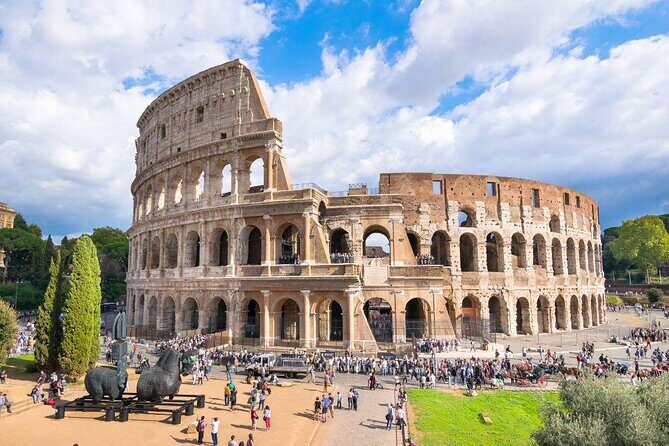
The tour begins at the Colosseum entrance. This isn’t just any arena—it was the Flavian Amphitheatre, built to stage spectacles on a truly huge scale. The tour gives you the kind of scale that sticks: 80 entrances and room for more than 50,000 spectators.
Here’s what I think makes this stop worth paying for, even if you’ve seen photos before. With a guide, the Colosseum turns from “big stone building” into a working machine. You start to understand how people moved, how crowds were processed, and why the structure is designed the way it is. That’s also where those guided visual helps matter most, because you’re dealing with ruins. The guide’s job is to help your brain rebuild what isn’t there.
You’ll spend about an hour at the Colosseum. That’s usually the sweet spot: enough time to walk through key views and get the main story, not so much time that you’re stuck staring at stone waiting for the rest of the day to catch up.
What to watch for as you walk
You’ll likely want a few minutes at each major viewpoint to look outward—imagining what the arena felt like before it was broken. Your guide can also help you connect details you might miss on your own, like how entrances functioned as part of crowd flow rather than random gaps.
Roman Forum: Government Ruins That Still Tell a Story
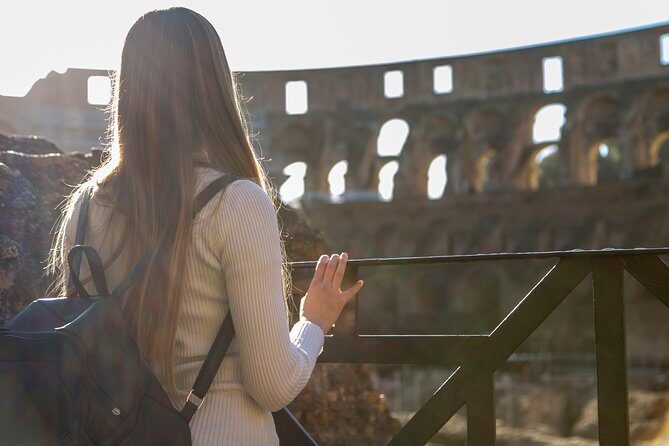
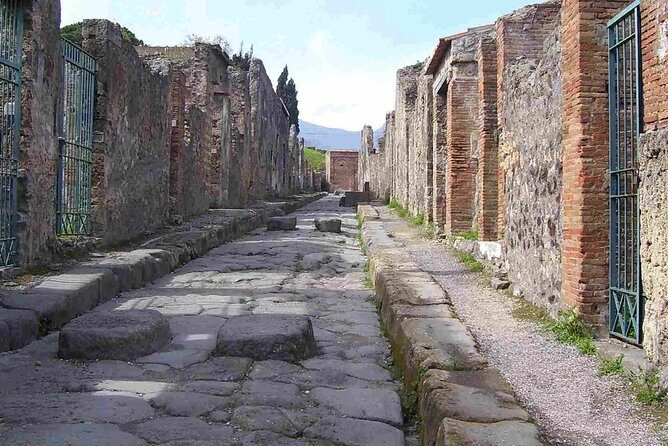
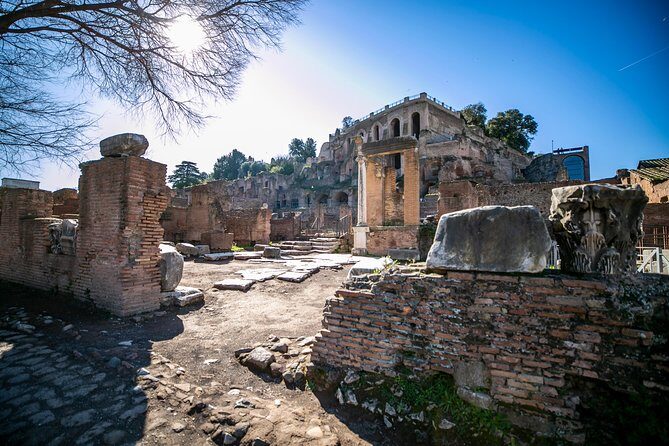
After the Colosseum, you take a short walk to the Forum area, the once-central part of ancient Rome’s daily life. This is where the tour shifts from spectacle to civic power.
The Forum stop is about an hour, and the guide points out key ruins that act like chapter headings. Expect to hear about and see:
- the ruins of the Senate House
- the Temple of Vesta and the Temple of Saturn
- the Altar of the Divine Julius Caesar
- the Temple of Gemini
- the Basilica Emilia
- the Arch of Septimius Severus
With these names, it’s easy for self-guided visits to feel like a label parade. With a good guide, the labels become roles. The Senate House isn’t just a lump of wall—it’s a piece of how Rome governed. Vesta and Saturn aren’t random temple remains—they connect to religion, ritual, and what Romans thought kept society stable.
If you’re the type who likes learning by seeing, the Forum is a great match. If you only want photos, you can still get them—but you’ll enjoy your time more when you understand what each landmark meant.
A practical tip for the Forum
Give your eyes a couple slow passes. At ruins, the temptation is to take pictures fast and move on. Instead, pause for one moment to spot how the spaces relate: where people would have gathered, how movement would have flowed, and how the buildings framed the political center. That’s where the guide’s reconstructions and explanations pay off.



Palatine/Capitoline Finale: Sacred Hills and Michelangelo’s Piazza
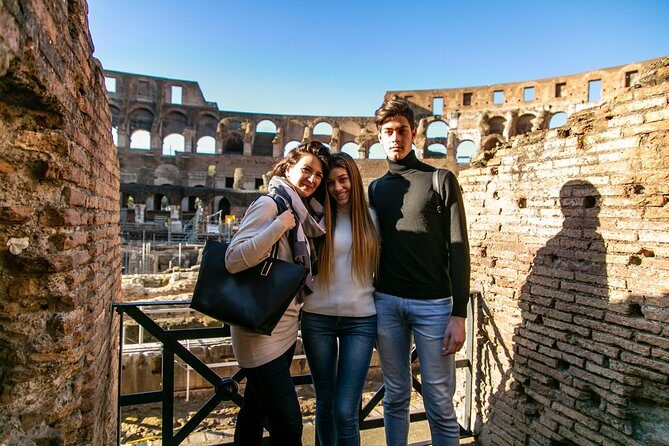
The tour ends on the hills around Rome’s ancient core, finishing at the Capitoline Hill area. Even if you don’t call yourself a hill-lover, this part often feels like the payoff: the views help your brain place everything you just learned.
The tour describes the Capitoline Hill as once housing temples for some of the most significant Roman gods. You’ll also see two landmarks that help the visit feel grounded in Rome’s long timeline:
- a beautiful piazza designed by Michelangelo
- the Statue of Marcus Aurelius
The guide’s storytelling here matters too. In this setting, it’s easier to understand why Romans cared about these elevations. It wasn’t only about religion. It was power, visibility, and the symbolism of ruling from a high point.
This segment functions as your “wrap-up.” You’ll connect the civic center (Forum) and the spectacle arena (Colosseum) to the broader religious/political geography. It makes the whole city feel planned, not random.
The Private Guide Factor: When Names Become Meaning
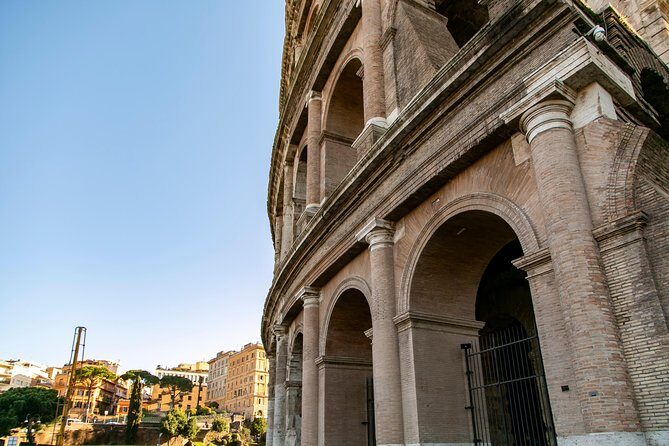
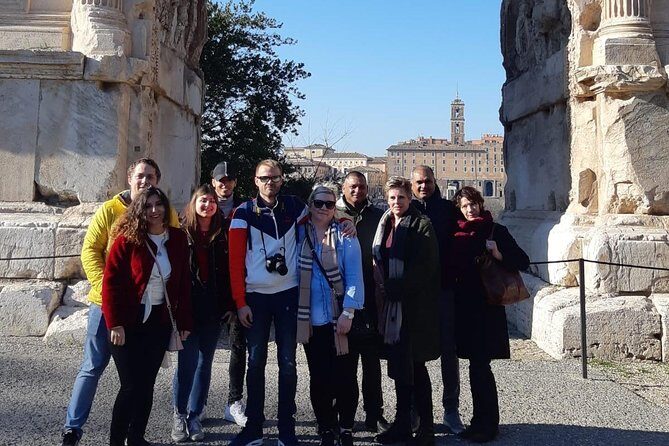
This is a private tour, so it’s only your group with the guide. That matters because the best Colosseum and Forum moments usually come from small questions and quick clarifications. Instead of hearing everything from the back of a crowd, you can actually get answers while you’re standing in front of the ruin.
The experience is led by a local provider, Accessible Italy Tours. From the guides’ examples, you can expect a friendly approach with real personality. One guide, Thomas, is described as very knowledgeable and especially good at helping you visualize how ancient Rome would have looked and operated. Another guide, Francesco, comes across as both friendly and fun, with explanations that make the site feel alive.
You might notice the pattern: the guide doesn’t just list facts. They help you build a mental movie. That’s also why some people end up re-watching a Roman-themed film after the tour—because the buildings and settings suddenly feel familiar, even though you’re dealing with fragments and reconstructions.
If you’re worried that a guided tour will feel stiff, this one leans more conversational. The goal is for you to leave saying, I get what I saw, instead of, I saw a lot.
Tickets, Value, and What You’re Actually Paying For
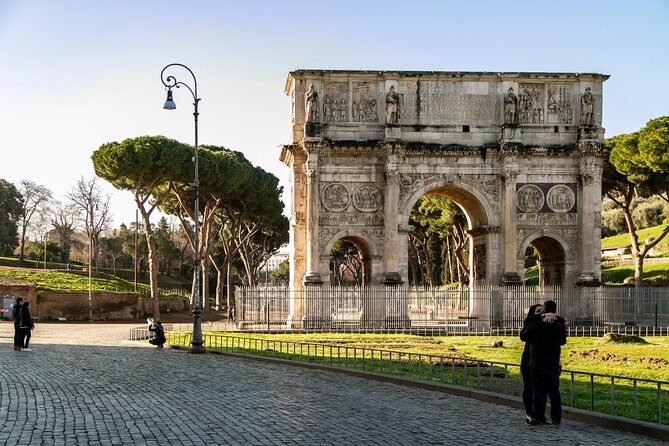
At $345.89 per person for about 3 hours, this isn’t a bargain-bin ticket. But value in Rome usually comes down to how much time and stress you save, plus how much understanding you gain from a guide.
Here’s what’s included:
- Private local guide
- Colosseum entrance ticket (valued at €18 per person)
- Colosseum reservation fee (valued at €2 per person)
The note that the remaining cost covers other services is your clue: you’re paying for expertise and guided time more than you’re paying for the ticket price itself. In plain terms, you’re buying a smoother start and a better interpretation of what you see.
Also included is a mobile ticket, which helps with day-of convenience. And there’s mention of group discounts—if you’re traveling with friends or family, this can make the price feel more manageable.
What’s not included is private transportation. That’s normal for this kind of walking-focused tour. You should plan to handle getting to the meeting point on your own public transit or taxi/ride option.
Who gets the best value from this price
- Couples or small groups who want the guide to guide the whole time
- Travelers who prefer fewer stops but better context
- Anyone who hates line anxiety and wants a plan that starts strong
If you’re the type who loves wandering solo and reading signs slowly, you could do this cheaper on your own. But if you want the sites to click fast, paying for a private guide usually pays back in time and enjoyment.
Who This Tour Fits Best (and Who Might Skip It)
This tour fits best if you want a guided “big three” Rome hit with limited time. It’s also a good match if you enjoy learning how people lived and governed, not just collecting landmark photos.
You’ll likely enjoy it most if:
- you’re visiting Rome for a limited number of days
- you want the Colosseum and Forum explained in a way that makes sense together
- you appreciate a guide who keeps the story moving and answers questions
It might not be ideal if:
- you want a long, slow museum-style pace
- you’re sensitive to walking and stairs in a compact timeframe
- you’re not ready to manage the ID/name matching requirement
Should You Book This Colosseum and Ancient Rome Tour?
I’d book it if your priority is understanding the Colosseum and Forum quickly with a real guide, plus finishing on the hills where the city’s layout becomes clearer. The ticket handling for the Colosseum and the private attention are the practical reasons, and the guide-led visualization is the emotional one.
If you’re traveling with a group, consider this especially: private tours often feel more worth it when you’re not splitting the guide across strangers. And if you like stories that connect stone ruins to how Rome worked day to day, this one is built for you.
FAQ
FAQ
How long is the tour?
It’s listed at about 3 hours.
What does the tour cover?
You’ll visit the Colosseum, the Roman Forum (Foro Romano), and then finish on the hills around the ancient core, including areas associated with Palatine/Capitoline views.
Are tickets included?
Yes for the Colosseum entrance ticket and the Colosseum reservation fee. Pre-booked entry is included so you don’t spend time waiting in line for those parts.
Where do we meet?
You meet at Piazza del Colosseo, 23, 00184 Roma RM, Italy.
Do I need to bring ID?
Yes. You must present a valid passport or ID document that matches the name provided at booking for entry to the Colosseum and Roman Forum.
Is this a private tour?
Yes. It’s private, and only your group participates.
Is transportation included?
No. Private transportation is not included.
What if I cancel?
This experience is non-refundable and cannot be changed for any reason.
What format is the ticket?
A mobile ticket is included.