REVIEW · WALKING TOURS
Rome: Trastevere and Jewish Ghetto Walking Tour
Book on GetYourGuide →Operated by Guydeez Tours · Bookable on GetYourGuide
Two Rome neighborhoods in one focused walk. This Rome walking tour pairs medieval Trastevere streets with the stories and landmarks of the Jewish Quarter, while threading in big-name classics along the way. You get photo stops plus guided context, so the city doesn’t feel like a random list of monuments.
I especially like how Trastevere feels lived-in, from the area around Santa Maria in Trastevere to the quieter photo moments near the river. I also love the mix of art and architecture details: the Pantheon’s preserved scale, the carved scenes of the Column of Marcus Aurelius, and St. Ignatius’ trompe l’oeil ceiling.
One thing to consider: it’s only 2 hours, so the pacing is brisk and you’ll be on your feet for a lot of uneven stone streets. If you prefer long sits and slow museum-style time, this route may feel fast.
In This Review
- Key highlights you’ll notice right away
- Two Neighborhoods Side by Side: Why This Combo Works
- Starting at Lungotevere Farnesina: Getting Oriented Before You Walk
- Trinità dei Monti Views and Piazza Navona’s Stadium Past
- Pantheon and Marcus Aurelius Column: Roman Power, Made Visible
- St. Ignatius and the Kind of Detail You Might Miss Alone
- Trastevere Streets: Santa Maria in Trastevere and River Photo Moments
- The Jewish Ghetto Route: Portico d’Ottavia and Surrounding Landmarks
- Trevi Fountain Finish: The Coin Toss Without the Chaos
- Price and What $47 Buys You in Real Life
- Who This Walk Suits Best (and Who Should Skip It)
- Book or skip: My take on the decision
- FAQ
- How long is the Rome: Trastevere and Jewish Ghetto walking tour?
- Where is the meeting point?
- What languages are available for the live guide?
- Is the tour wheelchair accessible?
- Is the tour shared or private?
- How do cancellation and payment work?
Key highlights you’ll notice right away
- Trastevere plus the Jewish Ghetto: two distinct Rome identities in one itinerary
- Icon-level stops without the big-city chaos: Pantheon, Piazza Navona, and Trevi on a guided route
- Street-level detail: the Marcus Aurelius column and St. Ignatius’ trompe l’oeil ceiling
- Portico d’Ottavia and Marcello Theater area: Roman structure you’ll recognize once it’s pointed out
- River and bridge sight lines: quick photo moments around the Tiber and nearby fountains
- Trevi Fountain tradition: you finish at the place where you throw the coin
Two Neighborhoods Side by Side: Why This Combo Works
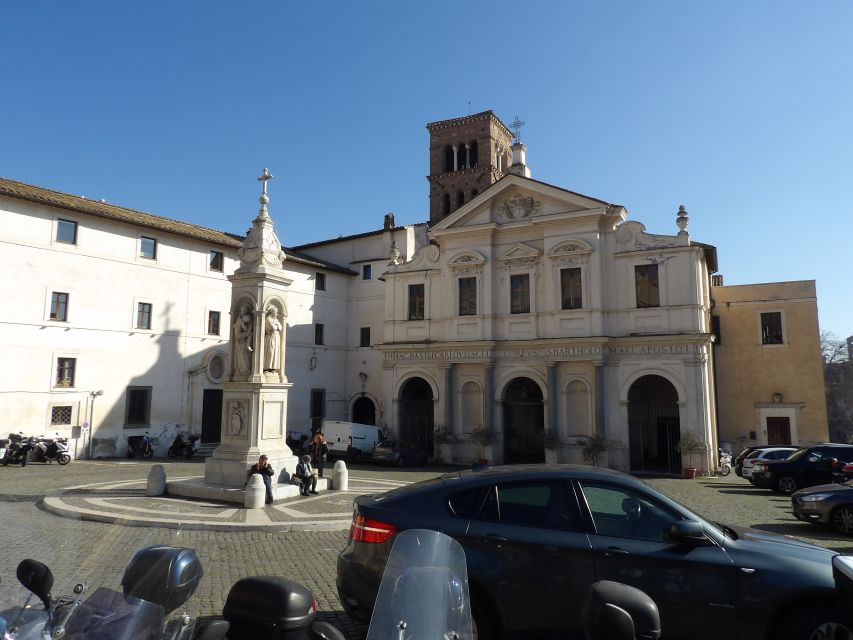
Trastevere and the Jewish Quarter don’t just sit next to each other on a map. They show you how Rome changes tone street by street—language, faith, daily life, and the way buildings tell stories.
In Trastevere, you get that medieval, working-neighborhood feel, not just postcard scenery. You’re walking through a part of town where the streets look like they’ve been doing the same job for centuries: moving people between churches, markets, and home. That’s why the tour pairing matters. It helps you see Trastevere as more than a pretty backdrop, then shift gears into the Jewish heritage landmarks with the guide’s framing.
You’ll also get a practical bonus: in a short 2 hours, this format keeps you moving intelligently. Instead of trying to stitch together sights on your own, you follow a route that’s built to connect “why this place matters” with “what you’re looking at right now.”
You can also read our reviews of more walking tours in Rome


Starting at Lungotevere Farnesina: Getting Oriented Before You Walk
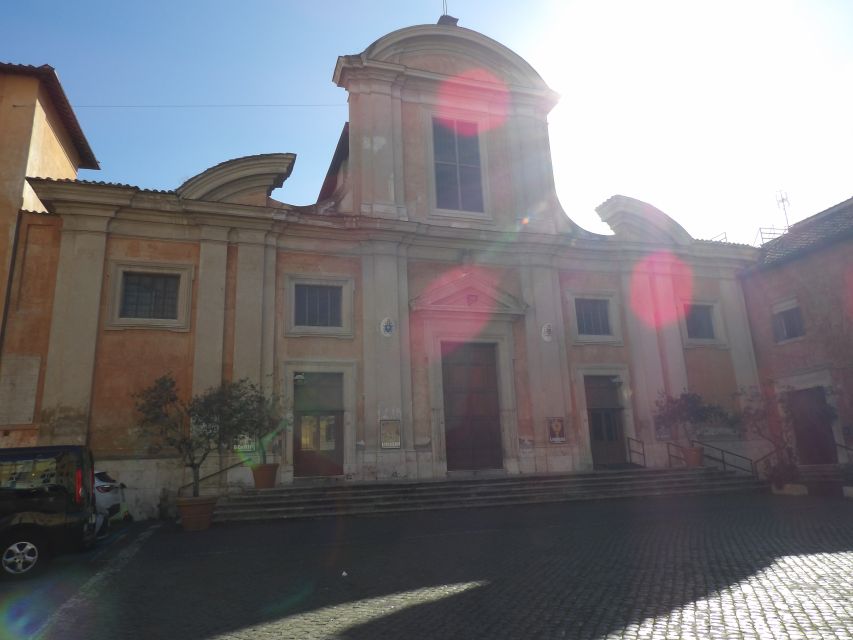
The tour meets at Lungotevere Della Farnesina, Piazza Trilussa, 2. Getting to that area first is useful because it places you near the river—Rome’s natural wayfinding line—and it helps you orient fast.
From there, you’ll head upward toward Trinità dei Monti. The stop is timed for a reason: the staircase and viewpoints give you a quick sense of how the city’s parts relate. When you can see the city spread out, the later monuments feel less random, even when the streets are twisting and tight.
Then you’re back on cobblestones, moving toward Piazza Navona and the central monuments. I like that the route doesn’t waste time. It gets you out of “looking at the map” mode and into “seeing Rome” mode quickly.
Trinità dei Monti Views and Piazza Navona’s Stadium Past
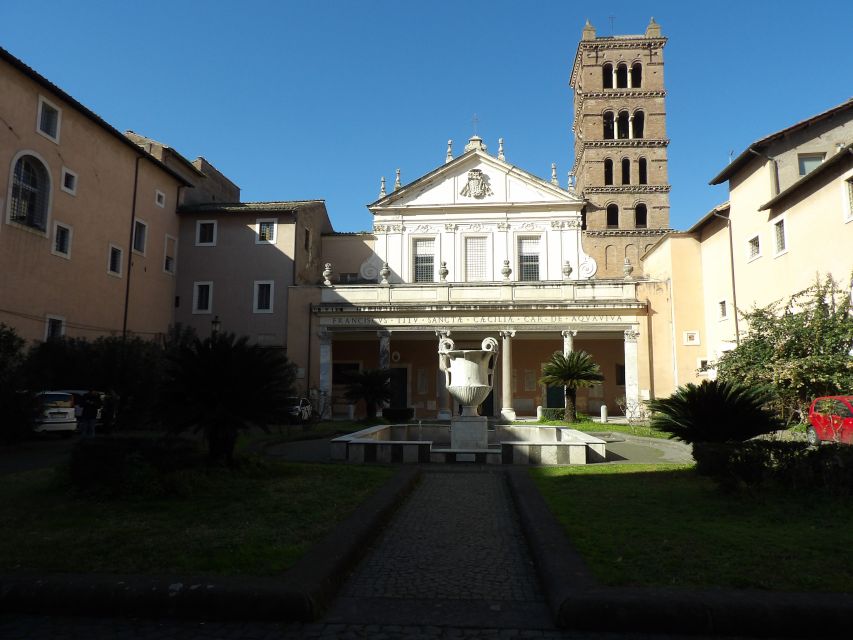
Trinità dei Monti is your early visual payoff. The late Renaissance character of the church and the vantage over Rome make this a smart first segment, especially if it’s your first time in the city. You’ll get that moment where Rome suddenly clicks into scale.
From there, Piazza Navona is a strong anchor. The tour includes its history as the ancient Stadium of Domitian, but the real payoff is what you see today: a Baroque square defined by fountains and sculptural work. The fountains you’ll notice are linked to famous names like Gian Lorenzo Bernini and Francesco Borromini, and the guide’s job is to point out what to look for so it doesn’t just blur into “pretty water and stone.”
One practical tip for this part: wear shoes you can trust on uneven paving. You’ll be walking and stopping for photos, and the square can get crowded. A guide helps you choose when to pause and where to stand without turning the visit into a long shuffle.
Pantheon and Marcus Aurelius Column: Roman Power, Made Visible
The Pantheon is one of those places where the building does the explaining. It’s remarkably preserved, and that preservation is the point. You can see how Roman engineering still holds its shape, which makes the scale feel real, not theoretical.
Right around this area, you’ll also pass the Column of Marcus Aurelius. What I like here is the way the column brings story into stone. The carvings depict scenes reminiscent of Gladiator-era imagery, so even if you don’t know the fine details, you’ll understand that the sculpture is telling a sequence, not just decorating a wall.
This segment is valuable because it gives you contrast: the Pantheon shows structural brilliance, while the column shows narrative art. Together, they remind you Rome was both a technical empire and a storytelling culture.
St. Ignatius and the Kind of Detail You Might Miss Alone
If you’ve ever walked past a church and thought you’d seen it all before, St. Ignatius is the kind of stop that changes your mind. This church is known for a trompe l’oeil ceiling—an optical trick designed to make architecture look deeper or different than it really is.
The reason this works on a walking tour is simple: the guide directs your attention. Instead of wandering and hoping you’ll spot the effect, you’re taught where to look and what the illusion is trying to do. That turns a quick exterior-to-interior stop into something that sticks in your memory.
After that, the route keeps moving through Rome in a way that makes transitions feel natural—less like jumping between disconnected attractions, more like following a story line across neighborhoods and centuries.





Trastevere Streets: Santa Maria in Trastevere and River Photo Moments
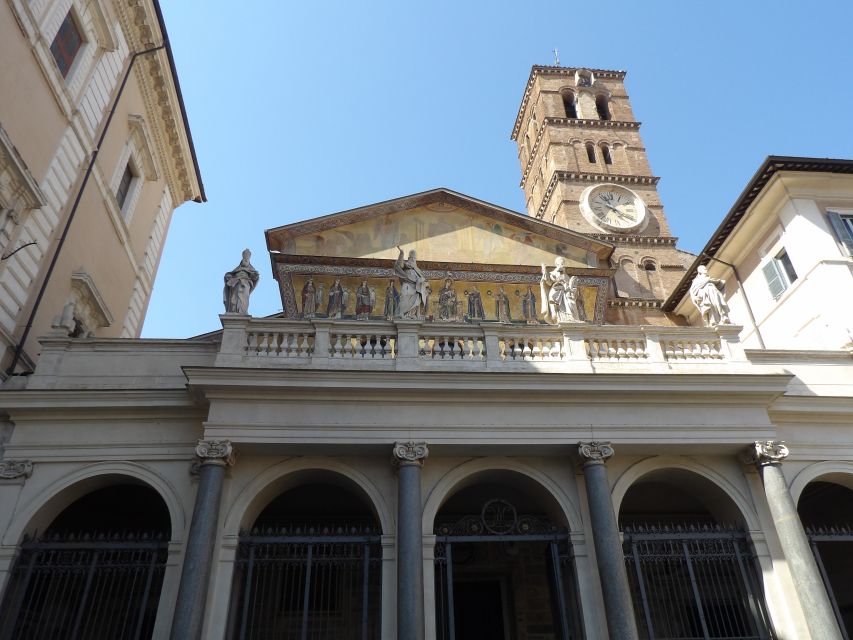
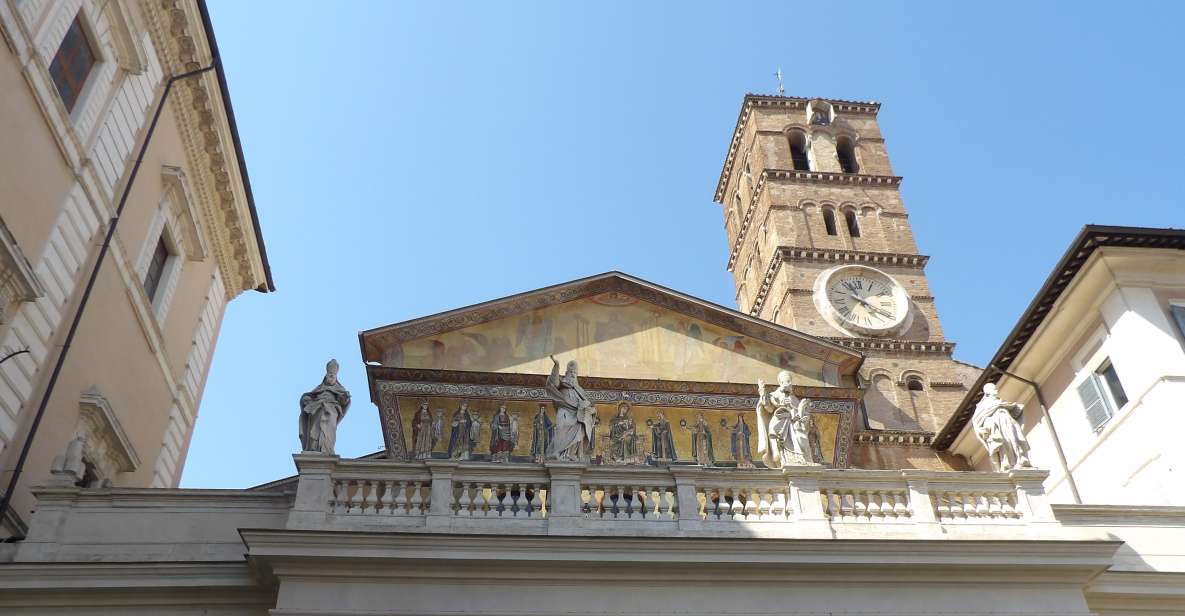
Trastevere doesn’t need a sales pitch. The streets already feel old, tight, and human. Your tour includes a stop at Santa Maria in Trastevere, with time for a photo and a guided visit. It’s the kind of church where the surroundings help you understand why people have kept returning for generations.
As you move along, the tour also includes Fontana delle Tartarughe. This is one of those fountains that looks delightful from a quick glance and becomes fun once you’re not rushing. You’ll get a guided look, then a short walk and photo stop rhythm that keeps the experience from dragging.
Tiber Island is another smart inclusion. Even if you’re not spending hours there, the quick look gives you a sense of the river’s role in Rome’s history and daily life. It’s also a clean moment to pause before you head deeper into the Jewish Quarter and nearby historic streets.
The Jewish Ghetto Route: Portico d’Ottavia and Surrounding Landmarks
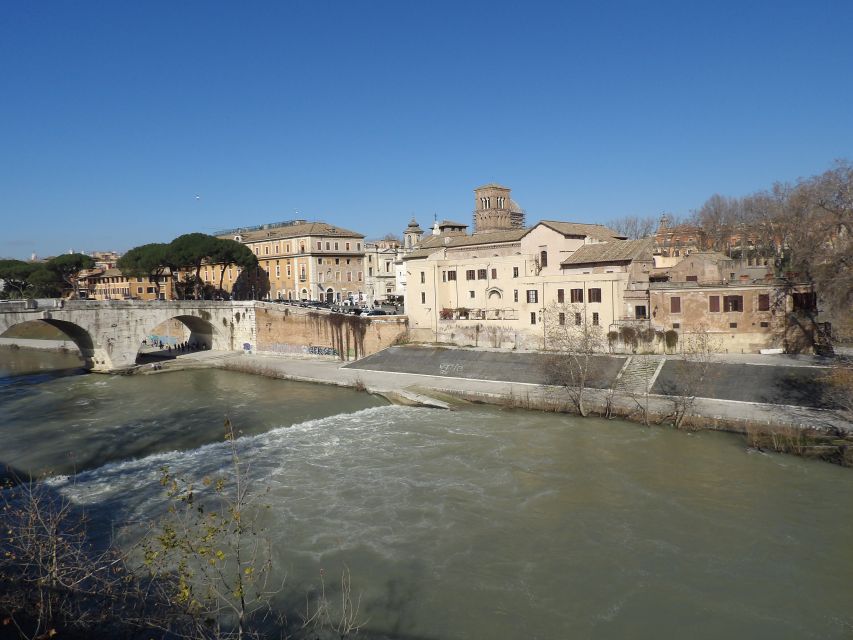
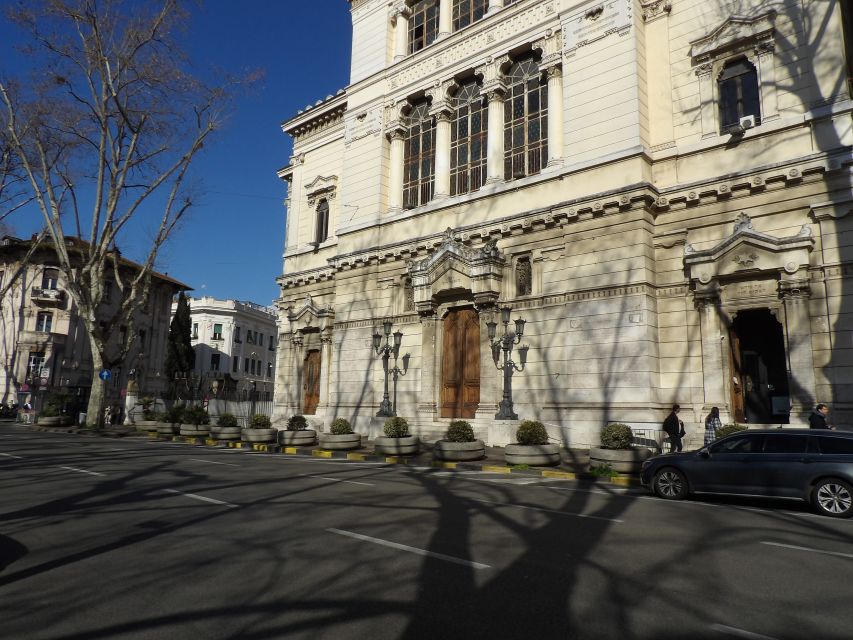
This is the heart of the “two neighborhoods” idea. The walking tour brings you through the Jewish Ghetto area with photo stops and guided storytelling that helps you read the streets and buildings instead of just passing them.
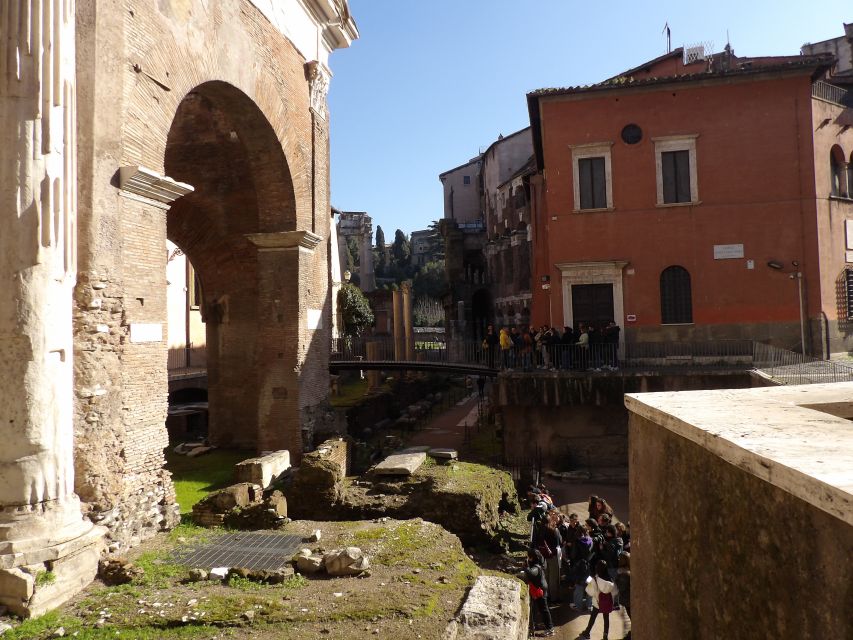
You’ll also pass through Rione Monti and stop at Portico d’Ottavia. This portico area matters because it’s a physical reminder of Rome’s layered past—ancient structure still shaping how you experience the street today. With the guide pointing things out, you’ll notice proportions, entrances, and how the space feels designed for movement.
The tour then continues toward Church of Santa Cecilia and the Marcello Theater area. These stops help round out the route so it doesn’t feel like one long “heritage lesson.” Instead, you’re constantly switching between architectural wow moments and the human-scale streets around them.
Trevi Fountain Finish: The Coin Toss Without the Chaos
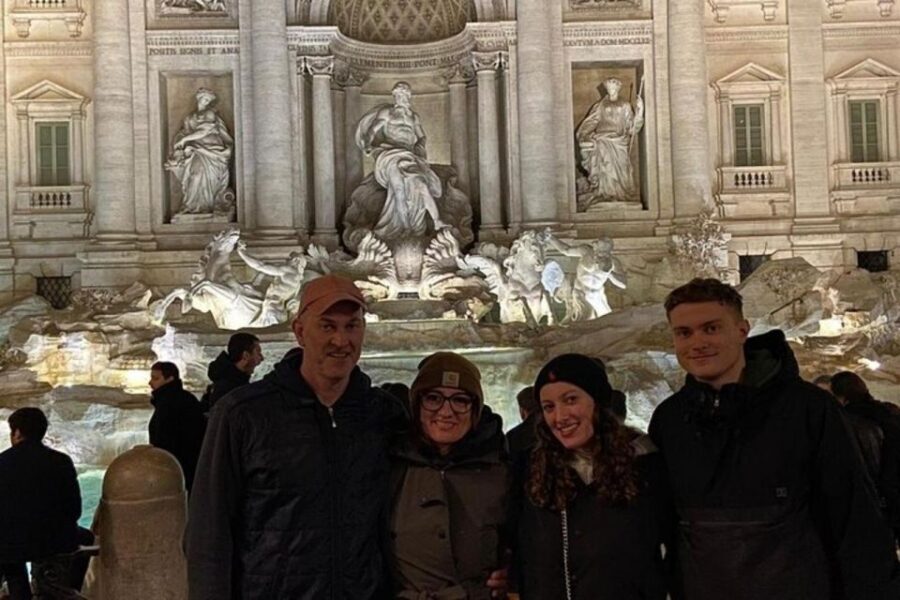
Ending at Trevi Fountain is a classic choice because it’s easy to connect the visit to a simple tradition. You’ll be at the right place to do the coin toss in the traditional way—coin into the shimmering waters.
I like that the tour doesn’t force you to treat Trevi like a final exam. You arrive after you’ve already built context for Rome’s monuments, so you’re not just seeing the fountain as a famous photo spot. You’ve already walked through churches, Roman structures, and neighborhood landmarks, so Trevi feels like one more chapter, not a disconnected postcard.
Timing matters here. Since this is a 2-hour tour, you get a structured finish rather than a free-for-all hunt for the best viewing spot.
Price and What $47 Buys You in Real Life
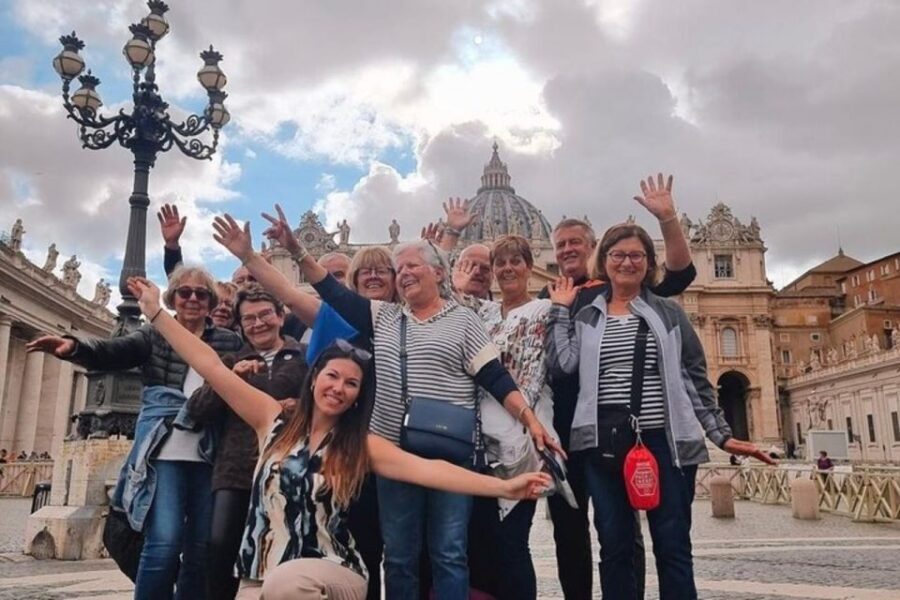
At $47 per person for a 2-hour guided walk, you’re paying for one thing: someone to connect the dots as you move. The route hits a lot of major stops—Trastevere, the Jewish Ghetto area, Pantheon-area sights, and a Trevi finish—so the value is in the compact structure.
What you’re not getting is built-in food or drinks. That’s not a dealbreaker, but it does matter for planning. If you want a meal tied to the tour, plan it for afterward.
Also note that the tour is offered as shared or private depending on what you select. If you’re traveling with friends who want flexibility, a private group option can make the pace feel more comfortable. If you want to meet other travelers and keep costs down, a shared format can work fine.
Who This Walk Suits Best (and Who Should Skip It)
This tour is a great fit if you want a guided route that covers both Trastevere and the Jewish Quarter in a short window. If you’re short on time, or you like having someone point out the meaning behind what you’re seeing, this format is efficient.
It’s also a solid choice for language comfort. The tour offers live guides in English, Spanish, Italian, and French. I’d take that seriously if your travel group has mixed language skills, since you’re less likely to lose the story when the stop changes.
One more consideration: you’ll be walking through older neighborhoods with cobblestones and regular city foot traffic. Even though the tour is listed as wheelchair accessible, the street surfaces and movement still matter. If mobility is limited, I’d plan for slower transitions and bring what you need to stay comfortable.
Book or skip: My take on the decision
Book this tour if you want a short, guided path that connects Rome’s neighborhoods, not just its top monuments. The pairing of Trastevere’s medieval feel with Jewish heritage landmarks gives the city a clearer identity, and the tour’s stop choices—from St. Ignatius to Portico d’Ottavia to the Pantheon—keep your eyes busy without turning into a speed run.
Skip it only if you’re expecting a food-and-drink experience or you need long, unhurried indoor time. This is built as a walking tour with guided context, photo stops, and a big finish at Trevi.
FAQ
How long is the Rome: Trastevere and Jewish Ghetto walking tour?
The tour lasts 2 hours.
Where is the meeting point?
Meet your guide at Lungotevere Della Farnesina, Piazza Trilussa, 2.
What languages are available for the live guide?
The live guide is available in English, Spanish, Italian, and French.
Is the tour wheelchair accessible?
Yes, the tour is listed as wheelchair accessible.
Is the tour shared or private?
It depends on the option you select: shared or private walking tour is available.
How do cancellation and payment work?
You can cancel up to 24 hours in advance for a full refund, and you can reserve now and pay later.