REVIEW · EVENING EXPERIENCES
Rome: Rome at Night Evening Historical Walking Tour
Book on GetYourGuide →Operated by Roman Vacations · Bookable on GetYourGuide
Night in Rome feels like movie magic. This Rome at night evening historical walking tour turns the usual daytime rush into a slower walk through illuminated landmarks and evening-smooth street scenes. I like that the meeting happens just after aperitivo, so you start the tour in a relaxed Rome mood.
Two things I really like: the local guide who connects the sights to specific stories (and yes, names like Angela and James come up often for their strong history talk and smart recommendations), and the fact that you hit the biggest photo stops in the right order without wasting time guessing where to stand. It’s also a great way to feel the city’s rhythm, especially when you want to get out of the day’s heat but still see Rome shine.
One possible drawback: you’ll do a fair bit of walking on cobblestones, and the tour runs in all weather. If you show up unprepared, the evening can feel longer than the 2.5 to 3 hours on the clock.
In This Review
- Key points to know
- Meeting After Aperitivo at Piazza di Spagna
- Spanish Steps Stories and Fashion-Window Details
- Trevi Fountain at Night: Coin Toss, Marble Sparkle, and Real Stories
- Cobblestone Hopping to the Pantheon: Structure and Vantage Points
- Piazza Navona After Dark: Bernini Fountains and Street Life
- Guide Quality: Why the Right Stories Matter
- Price, Time, and What $59 Really Buys
- What to Bring for Rome Nights (Umbrella, Water, and Shoe Choice)
- Should You Book This Rome at Night Walking Tour?
- FAQ
- How long is the Rome at Night evening historical walking tour?
- Where is the meeting point?
- What sights will I visit?
- Is this tour private or small group?
- What language is the guide?
- What is included, and what is not included?
- What should I bring, and when should I check in?
- Does the tour run in all weather, and can I cancel for a refund?
Key points to know
- Start after aperitivo near Piazza di Spagna, then walk at an evening pace
- Spanish Steps context with how France, Spain, and England influenced the square
- Trevi Fountain tradition includes the coin toss for a return trip
- Pantheon stop at dusk with structure and vantage-point pointers
- Piazza Navona after dark with Bernini fountains plus street life
- Small group or private option with an English-speaking guide
Meeting After Aperitivo at Piazza di Spagna
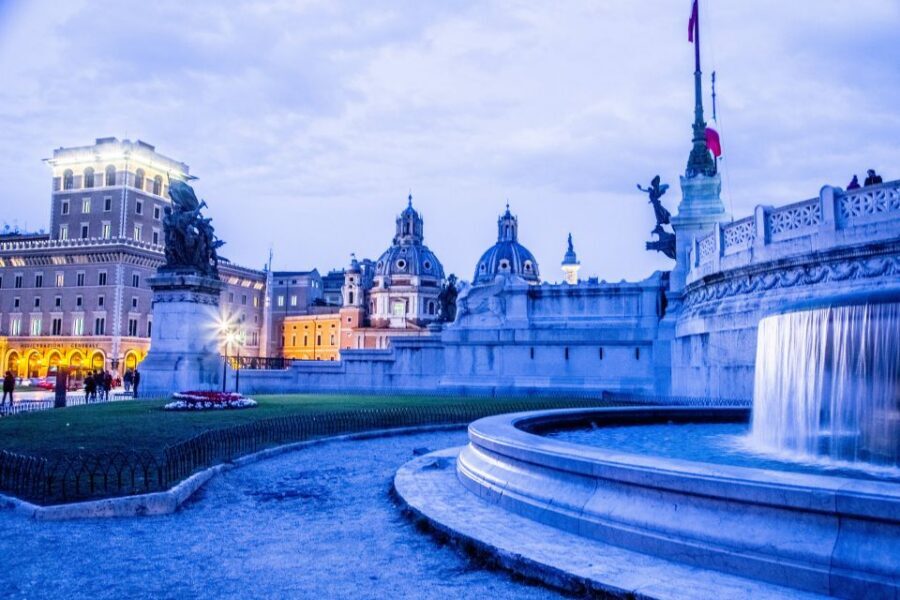
This tour starts at Piazza di Spagna, with your guide holding an orange sign with the local partner logo. The timing is designed for real-life Rome. You meet just after aperitivo, so you’re not sprinting through landmarks on an empty stomach or in full afternoon sun.
What you gain here is flow. Piazza di Spagna is a perfect launch point because it sets the tone for the rest of the night: elegant streets, crowds that thin into evening wandering, and plenty of angles for photos. And because it’s a walking tour, you don’t just look at the city from a bus window. You feel like you’re part of the scene.
If you’re picky about comfort, wear the shoes you actually trust on uneven ground. The walk is short enough to stay fun, but the paving in central Rome doesn’t do you favors. Plan to walk with purpose and slow down where your guide stops you for details.
One more practical note: arrive early enough to check in. Tours can’t be delayed for late arrivals, and missed time usually means missed sights.
You can also read our reviews of more walking tours in Rome

Spanish Steps Stories and Fashion-Window Details
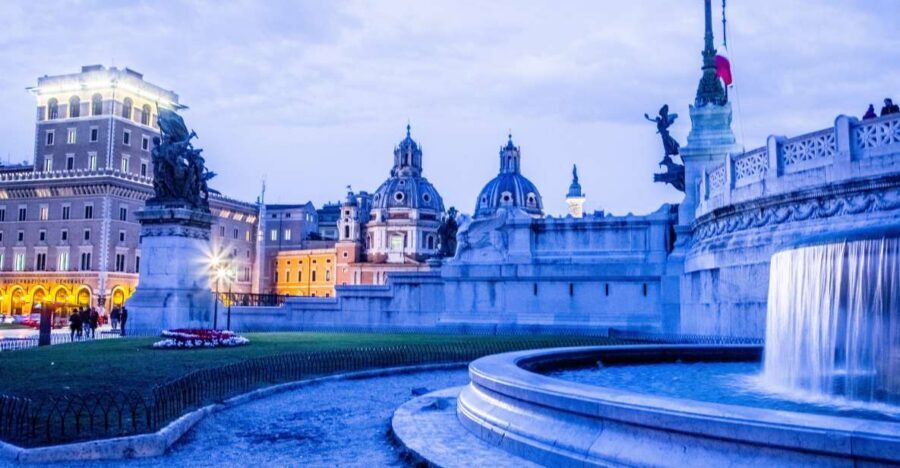
Right away, you’ll see the Spanish Steps and get the kind of context that makes the place feel less random. Your guide explains the history of how France, Spain, and England all left their mark on this square. That’s a small story, but it’s the difference between seeing a famous staircase and understanding why it exists in the city’s cultural mix.
Then comes the fun, everyday Rome stuff. Your guide talks through the fountain and the immediate area, and you’ll also get a glimpse at the store windows of popular Italian fashion brands. Even if you don’t shop, the effect is real: the square feels like it lives in the same present as it does in the past.
This is also a good part of the tour to get your bearings. You’ll learn where your guide expects you to pause, where the best sightlines are, and how to keep moving without feeling rushed. If you tend to drift when you’re photographing, this first segment helps you stay oriented for the rest of the night.
One tip that will save you time: pack your umbrella and keep your water handy. It’s Rome, and weather can change fast.
Trevi Fountain at Night: Coin Toss, Marble Sparkle, and Real Stories
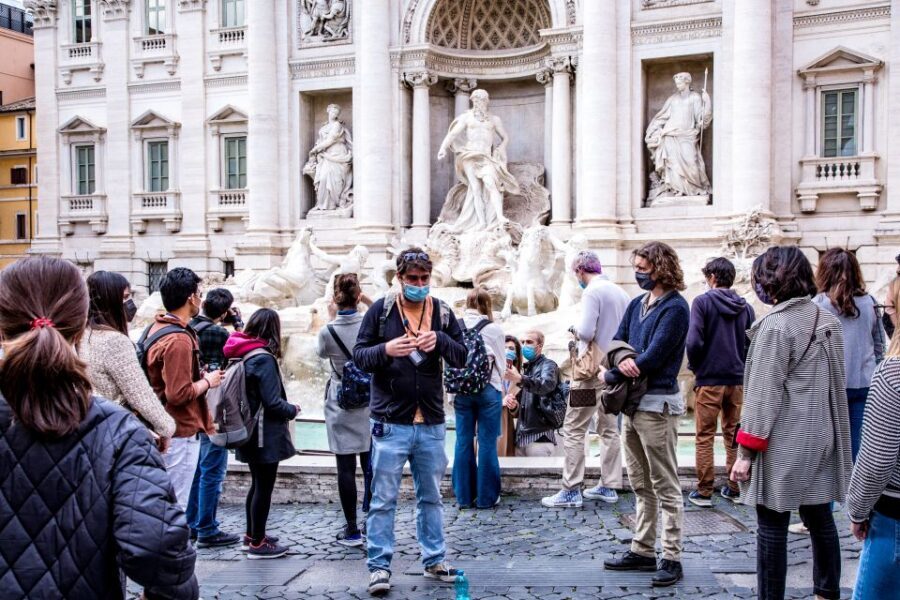
Trevi Fountain at night is the reason people book this tour in the first place. The guide brings you there when it’s brilliantly lit, and you get that classic scene of sparkling marble and dancing water.
The tradition is part of the experience too. You’ll toss a coin into the fountain to ensure a return trip to Rome, and the guide explains the story behind it as you stand close enough to feel the atmosphere. This is one of those moments where the superstition is goofy in the best way, and the guide keeps it grounded with real background so it doesn’t feel like a tourist stunt.
A big value here is timing and positioning. If you arrive on your own, you spend a lot of time playing crowd-control chess: where do I stand, how do I see, how do I take a photo that isn’t blocked? With a guide, you get pointed out vantage points and details you might otherwise miss.
One thing to know: Trevi is popular, and you’ll be part of that energy. Keep your phone charged, hold your spot when your guide tells you to pause, and don’t over-stretch for photos. Enjoy the moment first; the best shots usually come after you stop moving.
When you’re done here, you’ll feel like the tour hit its peak. And then it gets better, because the rest of the walk has more texture than just icons.
Cobblestone Hopping to the Pantheon: Structure and Vantage Points
After Trevi, you’ll pass through cobblestone streets where the city feels lived-in again. Along the route, you may notice artists, booksellers, and restaurants lining the way, which helps the walk feel like Rome rather than a string of photo stops.
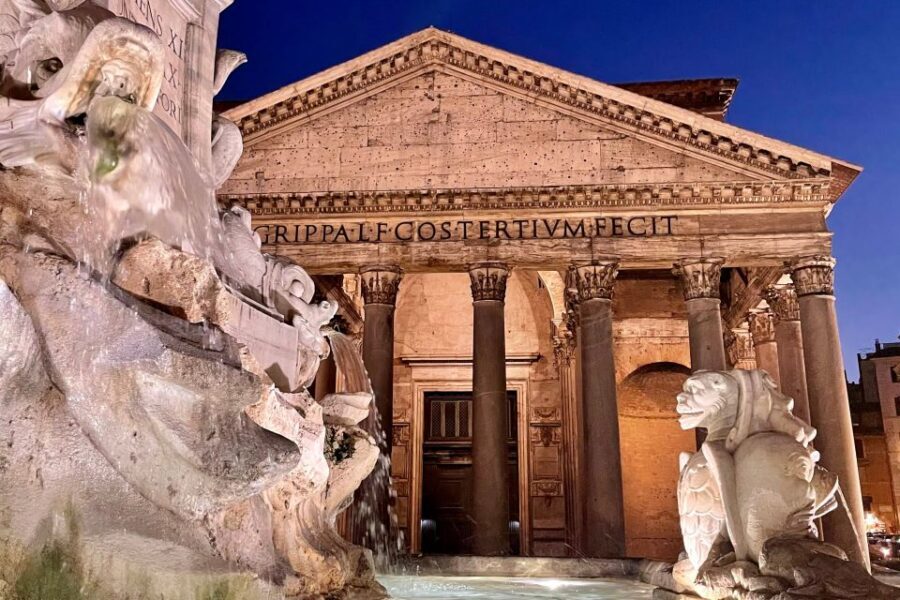
Then you reach the Pantheon, and the guide focuses on what you’re looking at and why it matters. The Pantheon is built in 125 AD, and your guide points out incredible details and vantage points in the square so you can see more than just the big exterior silhouette.
This stop is important for a different reason than Trevi. Trevi is all about spectacle. The Pantheon is about shape, design, and the sense that people have gathered here for centuries. Even if you don’t consider yourself a history buff, the guide’s structure-focused explanations help you process the building instead of just admiring it briefly.
Practically, this is also where your walking stamina gets tested in a calm way. The pace stays manageable, but you’ll want to keep moving. If you’re prone to slowing down too much, follow your guide’s pauses. It keeps the flow and helps you cover the next highlight without arriving tired.
If you want a simple self-check: at the Pantheon, ask yourself if you can picture the building more clearly than when you arrived. If yes, you’re getting your money’s worth.
Piazza Navona After Dark: Bernini Fountains and Street Life
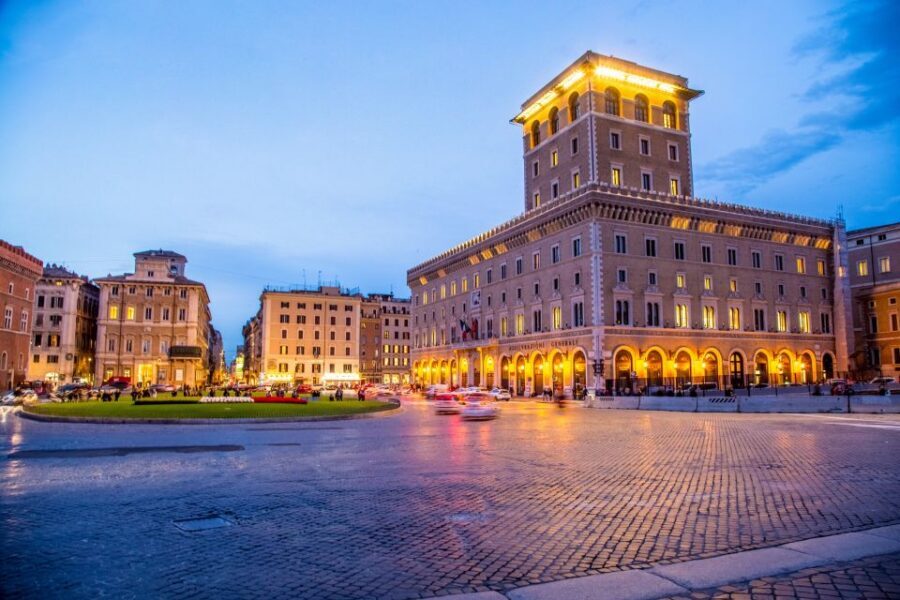
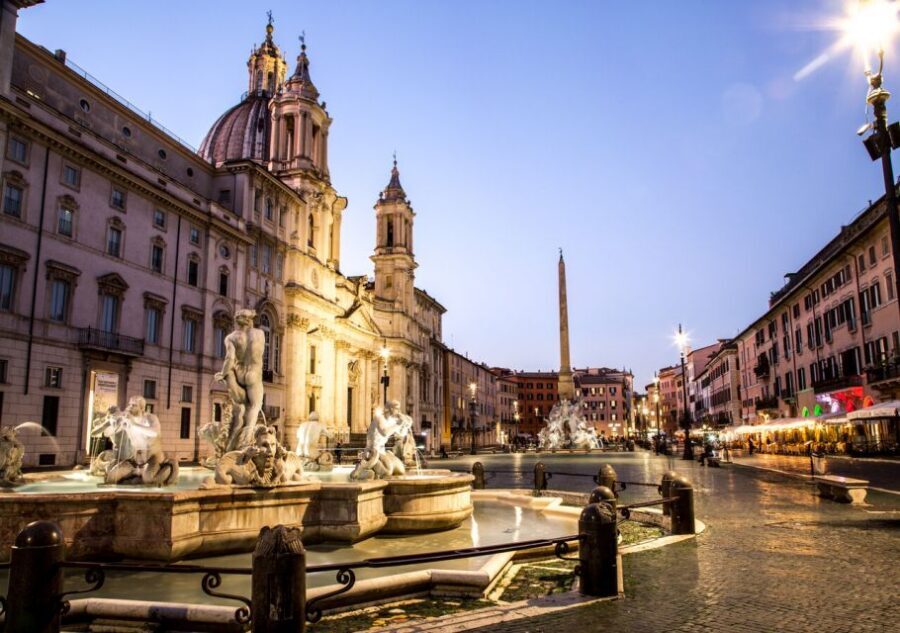
Piazza Navona is one of the most fun places to finish a night walk. It’s packed with history and features Bernini’s beautiful fountains, and the square feels like a stage where locals and visitors blend together.
As you explore, you’ll see restaurants, painters, street performers, and locals out for their evening stroll. That matters because it shifts the tour from monuments to atmosphere. You’re not just ticking off landmarks; you’re learning what Rome looks like when people actually use the space.
This is a good stop to slow down and just watch. Let the sounds and movement wash over you for a few minutes. If you’re tired from the day, this is where the tour pays you back with an easygoing finish. The lighting makes the square feel more dramatic, but the vibe stays social.
For practical photography: Piazza Navona can be busy, so take a deep breath, find a stable spot, and let your guide do the heavy lifting on where to stand first. After that, you can branch out for your own angles.
If you’re the type who likes to keep plans light at night, ending here is smart. You’re already in a lively area, so you can decide on dinner after you’ve got your bearings.
You can also read our reviews of more historical tours in Rome



Guide Quality: Why the Right Stories Matter
The tour’s real superpower is the guide. You’re paying for more than route coverage. You’re paying for someone to connect what you see to why it looks the way it does.
In the experiences I’ve heard about, guides such as Angela and James are singled out for their blend of history and practical recommendations. That combination helps in two ways. First, you understand the monuments enough to enjoy them without reading a book. Second, you leave with ideas for what to do next in Rome, not just what you already did.
A small detail with big value: your guide points out things you might not notice on your own, like structural cues and specific vantage points in the Pantheon area. That changes your perception. Instead of seeing a stop and moving on, you end up seeing multiple small layers within one stop.
Also, the evening timing helps the guide work better. Night lighting makes surfaces pop, and the guide can describe the monuments while they look their best. That’s when stories land, because your eyes can follow along.
If you care about getting the most out of limited time, this is the kind of tour that respects it. You’re not stuck in one long lecture, and you’re not wandering blindly. You move, pause, look, learn, and move again.
Price, Time, and What $59 Really Buys
At $59 per person for 2.5 to 3 hours, this is priced like a focused walking experience, not a half-day sightseeing marathon. The value depends on your travel style.
If you plan to spend your time anyway walking between major sights, the guide component becomes the value driver. You’re getting:
- Expert local guidance
- A tight sequence of major landmarks in the right evening lighting
- History stories that help you enjoy what you’re seeing, not just look at it
You’re not paying for transportation, and food isn’t included. That’s not a problem if you’re happy to handle your own dinner plans or do your own aperitivo stop before you meet. In fact, many people prefer it. It keeps the tour flexible and avoids the awkward part where everyone waits for a meal decision.
The 2.5 to 3 hour length is also a good fit. It’s long enough to feel like you covered meaningful ground, but short enough to stay comfortable in the evening. One review note that walking at night can be a pleasant way to get out of the heat, and that lines up with why this timing makes sense.
If you want a souvenir experience with strong payoff, this tour offers it: iconic sights plus the kind of guide-led context that turns photos into memories.
What to Bring for Rome Nights (Umbrella, Water, and Shoe Choice)
This is a walk tour, so the basics matter. Bring comfortable shoes first. Second, bring an umbrella. The tour runs in all weather conditions, and Rome weather is a frequent plot twist.
Also bring water. Bottled water is recommended, and it’s an easy win during a 2.5 to 3 hour walk, especially if you’re out in warmer months.
Weather aside, Rome has a sun and a cold problem depending on the season. The guidance says bring sunscreen and a hat, and dress warmly in colder temperatures. In warmer months, bring a cover for bare shoulders inside any churches you might pass by or step into.
If you’re traveling light, do this:
- Wear your walking shoes
- Keep your umbrella accessible
- Keep your water plan simple
- Bring a light layer you can use if the temperature drops after dark
Do these things, and the tour stays fun instead of fiddly. You’ll spend your energy on the sights, not on adjusting clothes every ten minutes.
Should You Book This Rome at Night Walking Tour?
Book it if you want a short, well-timed way to see Rome’s big names at night while getting explanations that make the monuments click. The Spanish Steps, Trevi Fountain, Pantheon, and Piazza Navona are heavy hitters, and the evening lighting helps them feel special without adding extra hours.
Skip it if you hate walking on uneven ground or if you need a tour with minimal outdoor time. And be realistic: you’ll be out for a few hours, so show up prepared.
If you’re the kind of traveler who likes structure—where to stand, what to notice, what to focus on—this tour is a strong fit. It’s also a smart choice when you want recommendations for your next steps in Rome, not just a checklist of stops.
FAQ
How long is the Rome at Night evening historical walking tour?
It runs about 2.5 to 3 hours.
Where is the meeting point?
Meet your guide just after aperitivo at Piazza di Spagna. Your guide will be holding an orange sign with the local partner’s logo.
What sights will I visit?
You’ll see the Spanish Steps area, Trevi Fountain, the Pantheon, and Piazza Navona.
Is this tour private or small group?
It offers private or small groups.
What language is the guide?
The tour is guided in English.
What is included, and what is not included?
The tour includes an expert local guide. Transportation to and from the meeting point and food and drink are not included.
What should I bring, and when should I check in?
Bring comfortable shoes, an umbrella, and water. Check in at the meeting point 10 minutes before your scheduled start time.
Does the tour run in all weather, and can I cancel for a refund?
Yes, the tour proceeds in all weather conditions. There is free cancellation up to 24 hours in advance for a full refund.