REVIEW · COOKING CLASSES
Rome: Pasta Making Workshop with Lunch
Book on GetYourGuide →Operated by Gray Line I Love Rome · Bookable on GetYourGuide
A good pasta class in Rome should feel hands-on. This one keeps things small, chef-led, and practical, with fresh pasta skills you can use at home. It’s set in Trastevere at Lo Studio, which makes the whole experience feel like a real neighborhood stop.
What I like most is that you learn to make two iconic shapes: delicate ravioli and rustic cavatelli. I also like that the session ends with the full payoff, a lunch built around what you just made, plus dessert and Italian wine.
One thing to consider is the price. At $207.31 per person, you’ll want to value a guided, small-group class in central Rome. Also, there’s no pickup or drop-off, so you’ll need to plan how you’ll reach the meeting point on your own.
In This Review
- Key highlights you’ll care about
- Lo Studio in Trastevere: Why this meeting point matters
- The 2.5-hour schedule: How the time gets used
- Ravioli and cavatelli: What you’ll really learn
- Ravioli: delicate filling and careful sealing
- Cavatelli: rustic shape with a satisfying texture
- Lunch, dessert, and wine: The payoff happens immediately
- Small group size: Why max 8 is a big deal
- Languages in practice: English, French, Spanish, and one caution
- Where the value really is (and where it isn’t)
- Who should book this pasta class
- Should you book the Rome pasta making workshop?
- FAQ
- Where is the pasta making workshop meeting point?
- How long is the workshop?
- What’s the group size?
- What languages are available for the class?
- What’s included in the experience?
- Is pickup and drop-off included?
- Is there free cancellation?
- Is this activity wheelchair accessible?
Key highlights you’ll care about
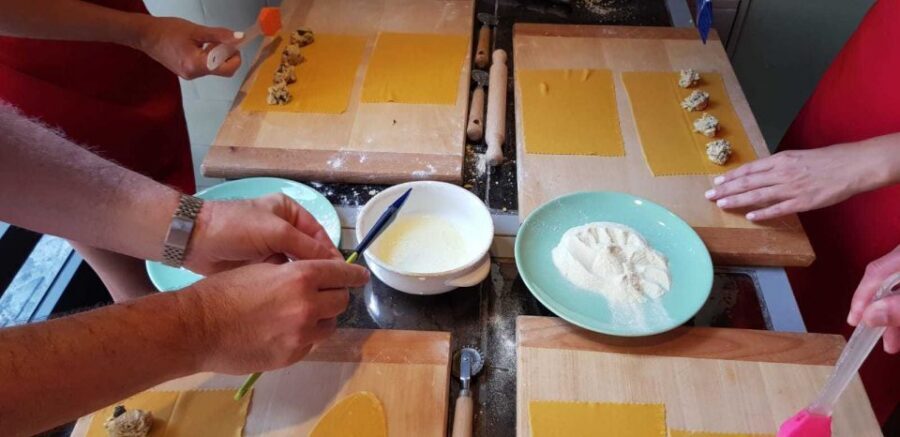
- Two pasta types, not one: you’ll learn ravioli and cavatelli, so you leave with more than one recipe
- Small group size (max 8): easier attention from the chef and less waiting around
- Chef-led, language-friendly instruction: workshops are offered with instruction in Spanish, English, and French
- You eat what you cook: your lunch includes what you made, plus dessert and a glass of wine
- Held in Trastevere at Lo Studio: straightforward meeting point in one of Rome’s most lived-in areas
Lo Studio in Trastevere: Why this meeting point matters
This class starts at Lo Studio restaurant in Vicolo della Scalaccia, 8 in the Trastevere area. That’s not just a random address. Meeting in a real neighborhood restaurant is usually where you get a calmer, more local feel than big tourist-circuit cooking schools.
Trastevere is also good for pre- or post-class wandering. You’ll likely be walking anyway, and this is a part of Rome where narrow streets and corner bars make the city feel less staged. Plan to arrive a few minutes early so you’re not juggling bags, shoes, and nerves right before you start rolling dough.
The workshop is listed as wheelchair accessible, which matters in a city full of stairs and tricky curbs. If mobility is part of your planning, this is at least one Rome activity that’s designed with access in mind.
You can also read our reviews of more cooking classes in Rome
The 2.5-hour schedule: How the time gets used
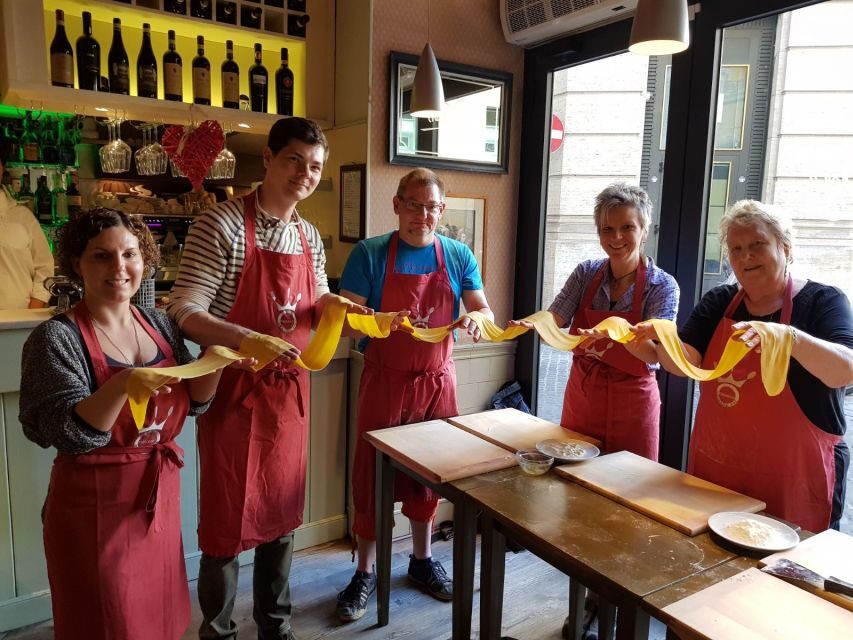
The total time is 2.5 hours, with the exact start time varying by availability. That duration is a sweet spot for cooking classes in Rome. Long enough to learn the steps and make something you can actually eat, short enough that you’re not stuck all afternoon.
You can expect a guided flow rather than a loose demo. Typically, the rhythm goes like this: get introduced to the dough and tools, learn the key steps, practice forming the pasta shapes, then cook and finish so you can dine together.
Because there’s no pickup or drop-off, I’d treat this as a focused block on your day. Build in time to get there comfortably, then use the class window as your anchor. Rome can slow you down fast, so punctuality here helps you enjoy the process.
Ravioli and cavatelli: What you’ll really learn
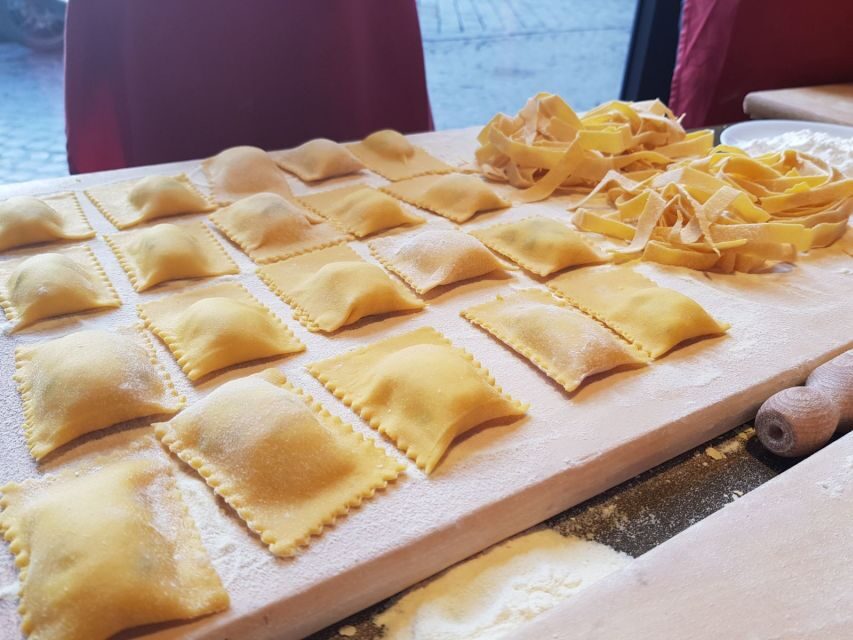
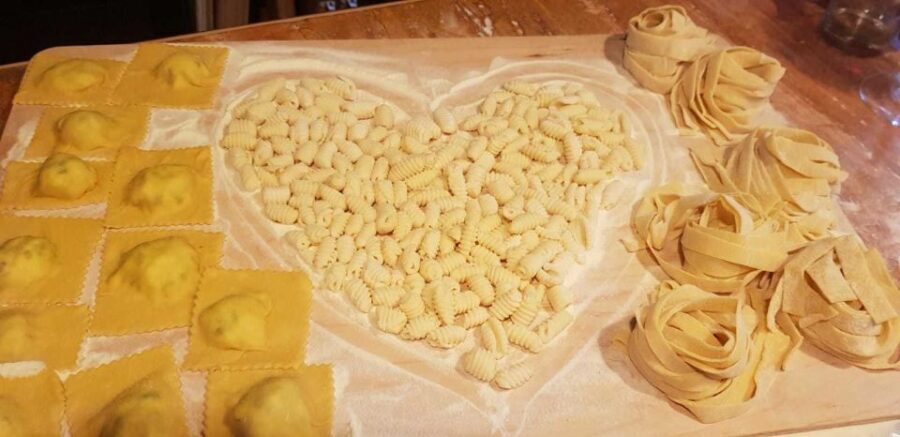
This is the heart of the experience. You’ll learn the secrets to making handmade pasta from scratch, then shape two well-known types: ravioli and cavatelli.
Ravioli: delicate filling and careful sealing
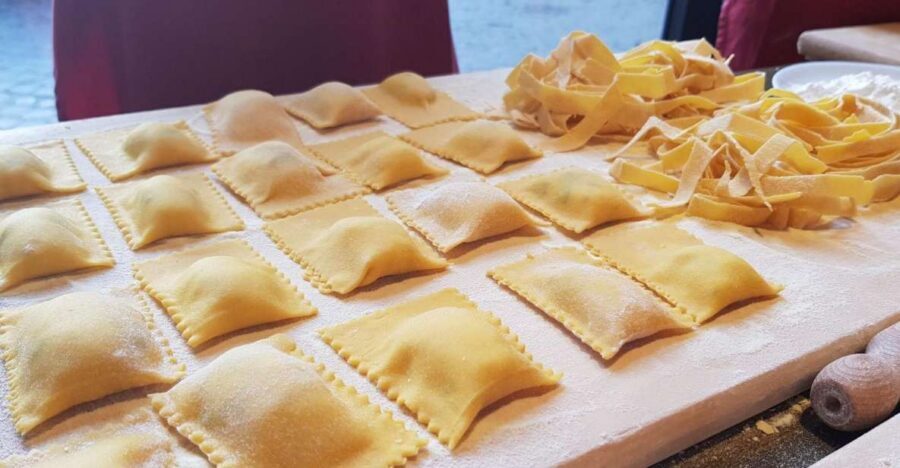
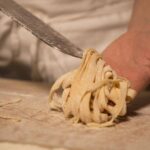
Ravioli might look fancy, but the real skill is practical: getting the dough thin enough, portioning filling, and sealing so they cook without bursting. The class format is built around learning that technique step-by-step, which is exactly what you want if you’ve never worked with fresh dough.
Ravioli also rewards attention. If you take the time to press and seal properly, you get better texture and cleaner edges. In other words, your handwork actually shows up on the plate.
Cavatelli: rustic shape with a satisfying texture
Cavatelli are more rustic and forgiving than they look. They’re about forming a shape that holds sauce and gives you a bite with personality. The technique is different from ravioli, which is why this class feels more complete than a one-shape workshop.
If you’re hoping to bring something home that’s not just flat pasta sheets, cavatelli are a great target. They translate well from class to your own kitchen, especially if you want your pasta to feel handmade rather than store-bought.
You can also read our reviews of more tours and experiences in Rome

Lunch, dessert, and wine: The payoff happens immediately
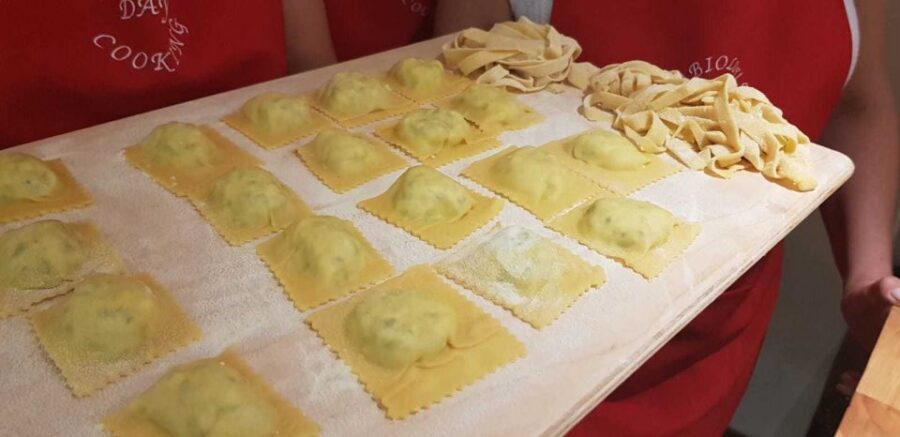
After you cook, you sit down to eat your creations. The meal includes lunch, plus dessert and an Italian wine. That matters more than it sounds.
First, eating what you made keeps the lesson sticky. You’ll taste the result while it’s still fresh in your mind, and you can connect technique to flavor. Second, you avoid the common problem of cooking classes where you spend most of your time working and get a snack afterward.
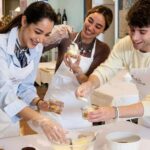
This is also a good social moment. A small group means you’re more likely to talk with your chef and classmates about what worked, what surprised you, and what you’d do differently next time.
Tip for comfort: wear clothes you can move in. You’ll be handling dough, flour, and tools, and you don’t want your first five minutes to be spent worrying about keeping yourself clean.
Small group size: Why max 8 is a big deal
The group is limited to 8 participants. That’s not a marketing line. In a pasta class, attention matters, because tiny adjustments are the difference between pasta that behaves and pasta that fights back.
With a small group, you’re less likely to feel like you’re watching someone else cook while you wait. It also increases your odds of getting help while you’re shaping your ravioli or working on the cavatelli form.
It can be reassuring if you’re not confident with cooking. You’re not being judged in front of a crowd. You’re learning in a practical setting where the chef can correct your pressure, your thickness, or your timing.
I also like that the instructor team can guide in multiple languages. The class lists Spanish, English, and French instruction, and in practice that kind of flexibility can make the whole thing smoother.
Languages in practice: English, French, Spanish, and one caution
The instructor is listed as speaking Spanish, English, and French. That should make it easier to join even if your Italian is basic.
One caution: language selection needs attention. There’s at least one instance where the class language didn’t match what was expected, even though it was confirmed during selection. That doesn’t mean it always happens, but at this price point, I’d make sure your chosen language is clearly set before you arrive.
If you’re taking the class in a language you’re comfortable with, you’ll get more from it. Pasta-making is hands-on, but it still depends on understanding instructions for texture, sealing, and timing.
If you’re only partly comfortable, don’t panic. Cooking classes tend to be visual as well as verbal, and a chef can often show the right move even if you miss a phrase. Still, you’ll enjoy it more when the words line up.
Where the value really is (and where it isn’t)
At $207.31 per person, this is not a casual, bargain activity. The value comes from three things working together:
- You learn to make pasta from scratch, not just assemble it. Fresh dough skills are the kind you can reuse.
- You cover two pasta types. Many classes focus on one shape and call it a day.
- You get a real meal: lunch with dessert and wine. That’s part of the overall package.
What it might not be, at that price, is a hands-off experience. This is work. You’ll be touching dough and doing the shaping. If you want a quick taste-and-go, this won’t fit your style.
It also helps if you place value on cooking with chefs in a small group. That combo usually costs more than big group demonstrations, but you feel it in the attention you get.
Also factor in logistics: no pickup or drop-off. That means you’re paying for the class itself, not for transport. For many Rome visitors, that’s fine, but it matters when you’re budgeting time and how you’ll travel through the city.
Who should book this pasta class
This workshop is a strong fit if you want an experience that feels practical and Roman. If you like food with technique, this is the kind of activity that teaches you what to do next time, not just what to eat today.
It also seems to work well for families. One class note mentioned that children enjoyed it too, which suggests the chef team can keep things friendly and understandable rather than stiff and lecture-like.
You might consider passing if:
- you’re only interested in sightseeing and don’t want a hands-on cooking commitment
- you’re trying to keep costs down
- you need pickup or guided transport from a hotel or central station (since that’s not included)
If you’re an adventurous eater who likes learning, it’s a great way to turn Rome into skills, not just photos.
Should you book the Rome pasta making workshop?
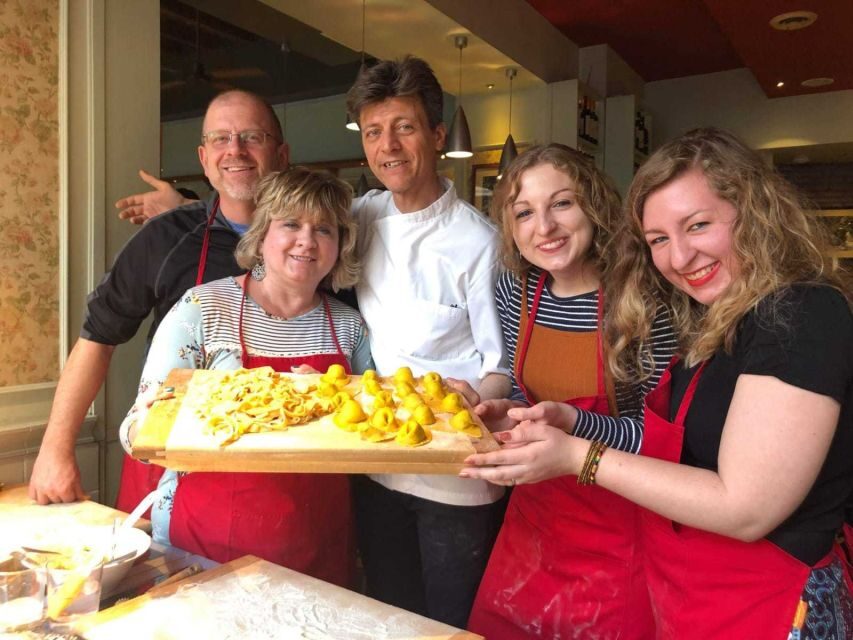
I’d book it if you want a small-group, chef-led class that ends with a proper sit-down lunch. The combination of handmade dough, learning ravioli and cavatelli, and eating your own work with dessert and wine is the main reason the price feels justified.
I’d think twice if you’re very time-crunched or you dislike hands-on activities. And at this cost, double-check your preferred instruction language before you go, just to protect your expectations.
If your goal is to leave Rome with recipes you can actually reproduce, this is the kind of class that turns the memory into something you’ll use.
FAQ
Where is the pasta making workshop meeting point?
It meets at Lo Studio restaurant, Vicolo della Scalaccia, 8, in the Trastevere area. The activity ends back at the meeting point.
How long is the workshop?
The duration is 2.5 hours. Start times vary, so you’ll want to check availability.
What’s the group size?
The class is a small group limited to 8 participants.
What languages are available for the class?
Instruction is available in Spanish, English, and French.
What’s included in the experience?
You get a handmade pasta cooking class in a small group, and lunch.
Is pickup and drop-off included?
No, pickup and drop-off are not included.
Is there free cancellation?
Yes. You can cancel up to 3 days in advance for a full refund.
Is this activity wheelchair accessible?
Yes, the activity is listed as wheelchair accessible.