REVIEW · COOKING CLASSES
Rome: Pasta Cooking Class, Dinner & Wine in Authentic Restaurant
Book on Viator →Operated by GOURMETALY FOOD TOURS OF ROME · Bookable on Viator
A dinner-sized cooking class in Rome is a rare thing. This one keeps it personal with a 10-person limit, then puts you to work making classic Roman pasta sauces in a historic setting tied to the Jewish Ghetto. I like that you get real chef time, not a rushed demo.
I also like the hands-on menu: homemade pasta with cacio e pepe and amatriciana, plus seasonal fried bites like zucchini flowers or artichokes. One consideration: it is not recommended for people with gluten allergies, and common allergens (including milk, eggs, nuts, soy, mustard, and gluten) may show up in tastings.
In This Review
- Key highlights
- Getting your bearings: the Jewish Ghetto meeting point and the historic kitchen
- Meet Chef Gabriele: what “hands-on” means here
- Cooking Roman pasta from scratch: cacio e pepe, amatriciana, and how to nail the sauce
- Cacio e pepe: why Roman pasta water is the trick
- Amatriciana: tomato, pecorino, and the smoky richness
- Tonnarelli all’arrabbiata: the spicy second main
- Seasonal fried bites: zucchini flowers and artichokes, prepped by your hands
- Where the dinner part lands: tasting, ricotta with visciole, and wine all evening
- Wine and water throughout
- Dessert: torta di ricotta e visciole
- Not kosher, so read this carefully
- Value check: what $104.25 buys you in Rome
- Who should book this Rome pasta class (and who should reconsider)
- Final verdict: should you book it?
- FAQ
- How long is the Rome pasta cooking class?
- How big is the group?
- What language is the experience offered in?
- Where do I meet, and where does it end?
- What’s included in the price?
- Is there wine during the class?
- Is the class kosher?
Key highlights
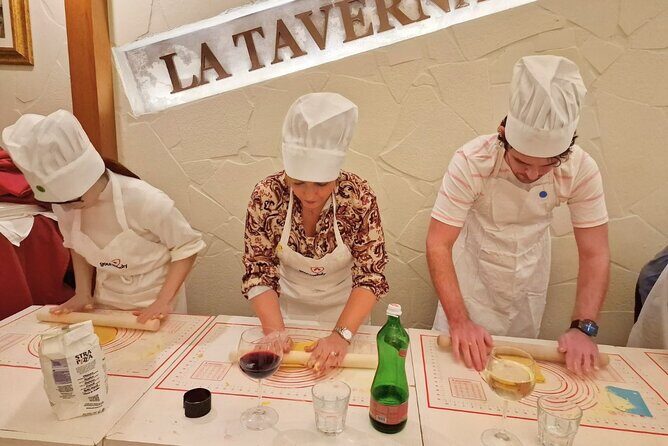
- Small group, 10 max so you can actually ask questions while Chef Gabriele works the room
- Two Roman pasta sauces made from scratch: cacio e pepe and amatriciana
- Seasonal fried specialty such as stuffed zucchini flowers (summer) or fried artichokes (winter)
- Wine and water all class long, with toasts during cooking
- Kids welcome and the workshop can accommodate vegans and vegetarians (with limits noted for special needs)
- Souvenir extras: a 100% cotton apron, plus a free cookbook and guides
Getting your bearings: the Jewish Ghetto meeting point and the historic kitchen
You start right in the heart of Rome’s Jewish Ghetto, at Via del Portico d’Ottavia 8, 00186 Roma. It’s an easy place to find once you’re in the neighborhood, and it’s near public transportation. You’ll also see locals’ everyday life all around you, which makes the food feel less like a show and more like part of the city’s culture.
Your host meets you in the area and stays with you through the class. They translate the chef and help connect the recipes to the district’s food traditions, history, and legends. In the classroom setting, that context matters. You’re not just learning steps; you’re learning why Romans cook the way they do—simple ingredients, strong technique, and flavors built to stand up in a working kitchen.
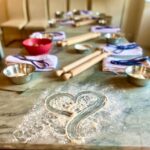
A big part of the experience happens in an ancient eatery inside a 12th-century edifice. That kind of setting changes your mood. Suddenly you’re not thinking about lunch scheduling—you’re in the moment, hands flour-dusted, listening to the chef explain why pasta water is not optional.
You can also read our reviews of more cooking classes in Rome
Meet Chef Gabriele: what “hands-on” means here
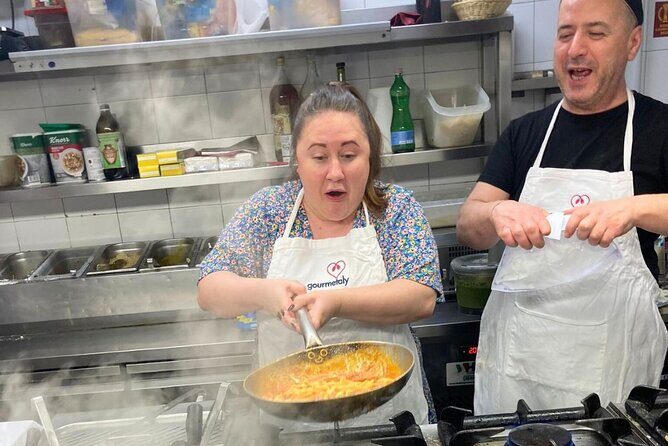
This class is led by a professional chef, Gabriele, and the vibe is practical: you do the work, under supervision. The goal is to leave knowing how to recreate Roman pasta at home instead of copying a plate you can only get in Italy.
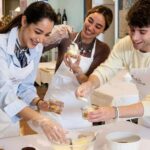
Because the group is capped at 10 participants, you’re more likely to get real feedback as you mix, roll, and cook. The chef started cooking with his grandma, which shows in the approach: technique first, then confidence. And since your host translates throughout, you can focus on the kitchen instead of playing guessing games with language.
You should also know the workshop includes a few “prep-and-cook” stages, not just rolling one shape and calling it done. You’ll prepare seasonal vegetables for frying, then move into sauces and pasta. That flow is great if you want an evening that feels like a full meal, not a short snack between attractions.
Cooking Roman pasta from scratch: cacio e pepe, amatriciana, and how to nail the sauce
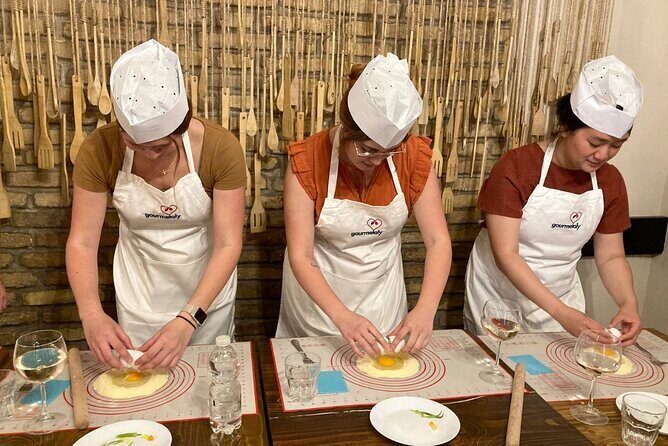
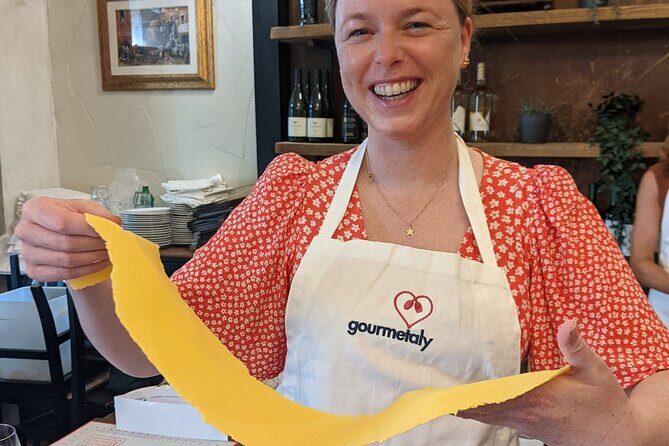
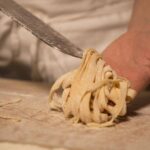
The heart of the night is homemade pasta with traditional Roman flavor profiles. You’ll make pasta from scratch and learn two signature sauces: cacio e pepe and amatriciana.
Cacio e pepe: why Roman pasta water is the trick
Cacio e pepe is basically pecorino romano cheese plus black pepper, but it’s not “add and hope.” The method matters: the chef’s technique for combining cheese with hot pasta liquid is what turns a pile of ingredients into a creamy sauce that clings to the noodles instead of turning greasy or grainy. This is one of those lessons that sticks because you can feel the difference as you do it.
If you’ve ever made mac-and-cheese that turned out wrong, you’ll get why this matters. You’re learning the Roman version: a sauce that depends on texture and timing, not bottled mixes.
Amatriciana: tomato, pecorino, and the smoky richness
Amatriciana brings together pecorino romano cheese, guanciale, and tomato sauce. You’ll practice building flavor instead of just stirring. Guanciale adds depth, and the balance with cheese is what makes the sauce taste distinctly Roman.
There’s also a vegetarian path in the broader menu, with a vegetarian pasta sauce option using tomato, chili, and parsley for no-pork eaters. If you’re not eating pork, ask at the start so the chef can guide you through the right version of the meal.
You can also read our reviews of more wine tours in Rome


Tonnarelli all’arrabbiata: the spicy second main
Your class also includes tonnarelli all’arrabbiata. This is another Roman-style lesson in how chili and tomato work together, and it gives you variety beyond the two main sauces. You’ll have something different to taste and (depending on your pace) discuss while the chef keeps the rhythm going.
Seasonal fried bites: zucchini flowers and artichokes, prepped by your hands
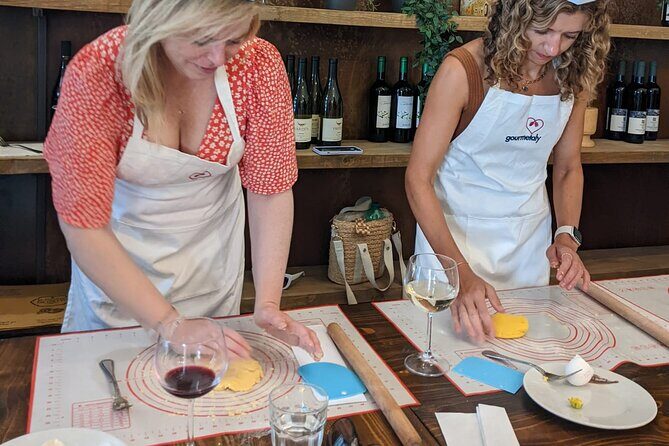
Food in this class isn’t just starch and sauce. You also get the classic Roman fried starters, and the best part is that the vegetables are seasonal. In warmer months you may see stuffed zucchini flowers with mozzarella and anchovie. In cooler months, the option shifts to fried artichoke.
The prep is part of the lesson. You’ll help clean and prepare the seasonal vegetables for frying. Then you get to fry, taste, and compare flavors while everything is fresh and hot.
Two reasons this section is a big value:
- It teaches you how Italian seasonal markets translate directly into what people cook at home.
- It gives you a crunchy, savory contrast to the creamy pasta sauces.
Also, this is one of the areas where the class feels more local than “touristic.” Roman fried vegetables are a real thing, and this class treats them like a serious skill, not a side garnish.
Where the dinner part lands: tasting, ricotta with visciole, and wine all evening
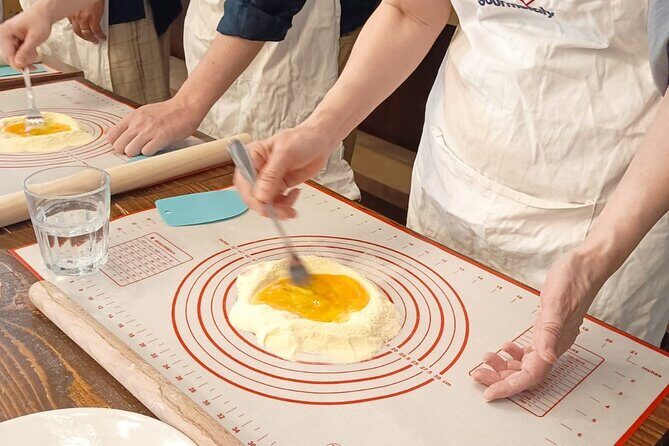
At your table, you taste what you make, and the food is meant to cover your dinner. That matters. You’re not scrambling afterward for a “real meal.” You’ll eat the pasta dishes, enjoy the fried starter, and then finish with dessert.
Wine and water throughout
Wine and water are served during the class, with a free-flowing setup. You’ll have a chance for toasts while you cook, so the mood stays relaxed instead of turning into a tight class schedule. Since it’s ongoing, you don’t feel stuck with one tiny sip at the end.
Dessert: torta di ricotta e visciole
The sweet finish is torta di ricotta e visciole, a ricotta-based cheesecake-style dessert with black sour cherry jam. The menu describes it as the chef’s famous gift, and it’s included as a tasting portion.
One practical point: dessert here is ricotta and fruit jam, and that matters for dairy sensitivity. Since milk and eggs can be present in tastings, if you have allergies, plan carefully and talk to your host when you arrive.
Not kosher, so read this carefully
This is not a kosher cooking class, and the restaurant and food provided are not kosher. If dietary rules matter for you in that specific way, this should be a clear yes/no decision before you book.
Value check: what $104.25 buys you in Rome
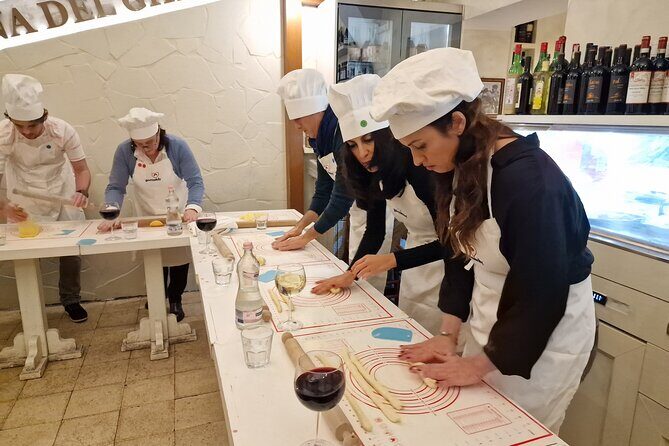
Let’s talk money in plain terms. At $104.25 per person for about 2 hours 30 minutes, you’re paying for more than a recipe handout.
Here’s what you actually get:
- A hands-on class (not a passive demo) with equipment and ingredients included
- Two Roman pasta sauces plus additional mains like tonnarelli all’arrabbiata
- Seasonal fried starter prep and tasting
- Wine and water served during the class
- Dessert included (ricotta and visciole)
- A 100% cotton apron as a take-home souvenir
- Free cookbook and best restaurant guides
Also, the location and setting carry weight. You’re cooking in an older, established eatery tied to the neighborhood’s story, and you’re meeting a host in Piazza Mattei area to get food-and-place context in real time.
If you’re comparing this to a sit-down dinner plus a separate cooking show, this package usually wins. You’re getting a full meal, wine, and a skill you can replicate. If you want a simple way to experience Roman home cooking, this is strong value for the price.
Who should book this Rome pasta class (and who should reconsider)
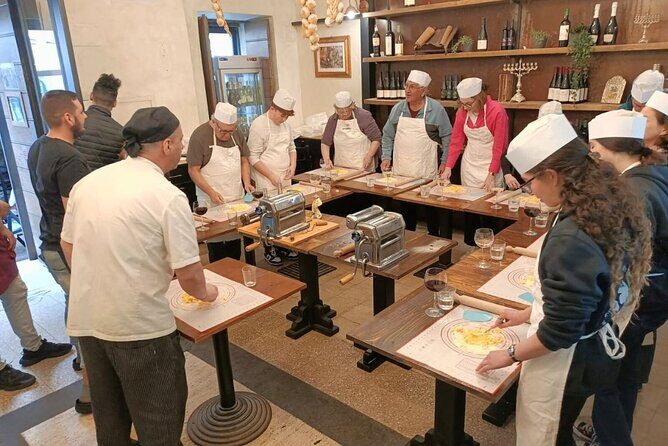
This works best if you like food education with real participation. It’s a great fit for families with kids since kids are welcome and the workshop can accommodate vegans and vegetarians. It’s also a solid choice if you want something different from the usual museum-and-pizza rhythm.
It’s especially good for:
- People who want to cook Roman classics like cacio e pepe and amatriciana
- Food lovers who enjoy learning technique, not just eating
- Groups who want a more personal size, with 10 participants max
Consider skipping or planning carefully if:
- You have gluten allergies. The class is not recommended for gluten allergy, and allergens including gluten may appear in tastings.
- You follow kosher rules, because this is not a kosher experience.
One more heads-up: the operator notes you cannot assume guaranteed special food requirements. That doesn’t mean “no,” but it does mean you should communicate clearly and expect limitations.
Final verdict: should you book it?
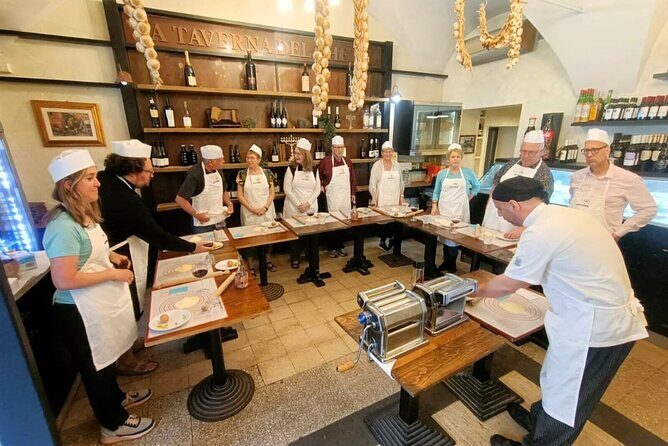
Yes, I think you should book this Rome pasta cooking class if you want a real evening meal in the Jewish Ghetto that turns into skills you can repeat at home. The combination of a small group, Chef Gabriele’s teaching, classic Roman dishes, and free-flowing wine makes it feel like you got invited into a Roman kitchen rather than paid for a performance.
Just be honest about one thing: if gluten is a dealbreaker, this is not the class to gamble on.
FAQ
How long is the Rome pasta cooking class?
It runs about 2 hours 30 minutes (approx.).
How big is the group?
The class has a maximum of 10 travelers.
What language is the experience offered in?
It’s offered in English, and your host translates the chef during the class.
Where do I meet, and where does it end?
You meet at Via del Portico d’Ottavia, 8, 00186 Roma RM, Italy, and it ends back at the meeting point.
What’s included in the price?
Included are homemade pasta and seasonal fried specialties, ricotta with visciole dessert, Italian wine and water, all cooking equipment and ingredients, a 100% cotton apron, and a free cookbook plus guides.
Is there wine during the class?
Yes. Wine and water are served all along the cooking class, and wine is described as free-flowing.
Is the class kosher?
No. It is not a kosher cooking class, and the restaurant and food provided are not kosher.