REVIEW · CITY TOURS
Rome in a day: walking through the Eternal City
Book on GetYourGuide →Operated by Roman Art and History · Bookable on GetYourGuide
Rome moves fast when you’re walking it.
This tour is a tight, 4-hour loop through the main Rome sights, jumping from ancient stonework to Renaissance sculpture and Baroque-era painting. I like how it’s not just a facts parade; you get gossips, secrets, legends, and funny moments threaded between stops. You’ll start at San Pietro in Vincoli and end at Campo de’ Fiori, with the guide keeping the city feeling alive.
What I really like is the hit list. You’ll see Michelangelo’s Moses, the Colosseum area, the Forum stretch on Via dei Fori Imperiali, the Pantheon, and then Piazza Navona and Campo de’ Fiori. The route also includes a church stop that’s all about art—the Church of Sant’Ignazio di Loyola—and Caravaggio’s painted trilogy.
The main drawback is simple: you’ll be walking a lot in a short time. It’s not suitable for people with mobility impairments, and comfortable shoes are non-negotiable. Also, Colosseum and Roman Forum entrances aren’t included, so you won’t get the full inside time unless you plan for tickets separately.
In This Review
- Key highlights worth your time
- A 4-Hour Walk That Jumps Rome’s Eras
- Meet at San Pietro in Vincoli and Michelangelo’s Moses
- Colosseum: See It, Then Keep Moving
- Via dei Fori Imperiali and the Forum Stretch You’ll Actually Understand
- Capitoline Hill: A Guided View of Power
- Pantheon: The Marble Dome Moment (Without Waiting Forever)
- Sant’Ignazio di Loyola and Caravaggio’s Painted Trilogy
- Piazza Navona and Campo de’ Fiori’s Dark Legends
- Luisa’s Storytelling Style and Why It Matters
- Price and What You’re Paying For at $94
- Practical Tips: Shoes, Clothing, and Staying Comfortable
- Should You Book This Rome in a Day Walk?
- FAQ
- How long is the Rome in a day walking tour?
- Where does the tour start and where does it end?
- Is the Colosseum included in the tickets?
- Are Roman Forum tickets included?
- What languages is the tour guide available in?
- How big is the group?
- What should I wear?
- Is the tour suitable for people with mobility impairments?
- Is there a way to cancel?
Key highlights worth your time
- One route through multiple centuries: ancient Rome, Renaissance sculpture, and later art in a single day
- Michelangelo’s Moses first: a dramatic way to start before you hit the big monuments
- Forum views from the street: Via dei Fori Imperiali frames the archaeological zone in a very Rome way
- Art stop in Sant’Ignazio di Loyola: Caravaggio’s trilogy is the kind of church moment you won’t forget
- Small group (max 10): easier questions and a more personal pace
- Stories at the end in Campo de’ Fiori: legends land well after you’ve seen the landmarks
A 4-Hour Walk That Jumps Rome’s Eras
If your Rome days feel squeezed, this is the kind of tour that helps you get your bearings fast. In about four hours, you move from one iconic layer of Rome to the next without spending the whole day on buses or long detours.
The format matters. This is a guided walking experience with short, focused stops—think around 15–20 minutes each—so you see the big shapes of the city while your brain stays awake. You’re not just looking at monuments; you’re learning how they connect. Ancient Rome sets the stage, then later periods reinterpret the same urban spaces.
You should pick this if you want a high-impact overview and enjoy storytelling. Reviews praise the guide’s preparation and the way the explanations flow between stops, with humor and conversation. If you’re the type who likes to ask why something was built, who paid for it, and what people whispered about it, you’ll enjoy the tone.
You can also read our reviews of more walking tours in Rome

Meet at San Pietro in Vincoli and Michelangelo’s Moses
You begin at the Basilica of San Pietro in Vincoli, in Piazza di San Pietro in Vincoli, right in front of the church. That’s a great choice because it starts your Rome day with something powerful and surprising: Michelangelo’s Moses.
This stop is included as a church visit, so you get time to see the sculpture properly rather than just passing by. Moses is more than a famous name. It’s a Renaissance moment that makes you look at emotion in marble—how a single figure can feel tense, moving, and alive. Starting here also gives you a tonal shift: before the tour becomes a walk through huge public monuments, you see a concentrated work of art.
One practical point: you’ll want to dress for church rules. Sleeveless shirts aren’t allowed, so plan ahead. If you’re traveling in warm weather, carry a light layer you can throw on at the meeting point.
Colosseum: See It, Then Keep Moving
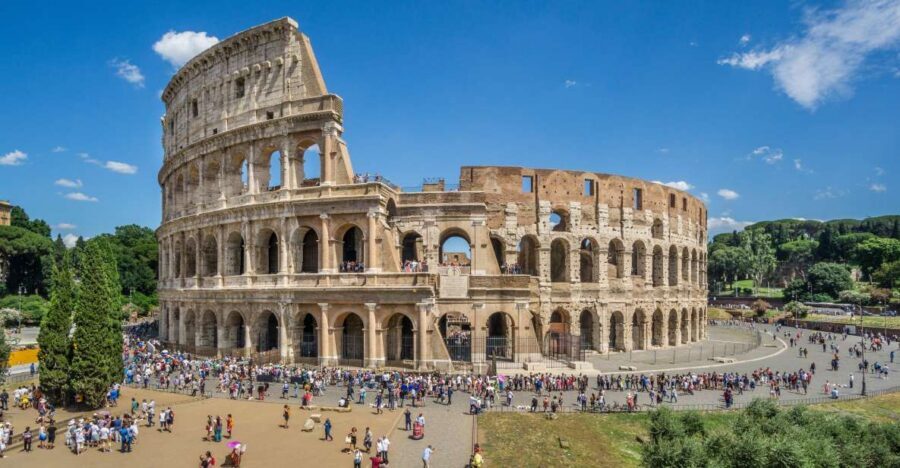
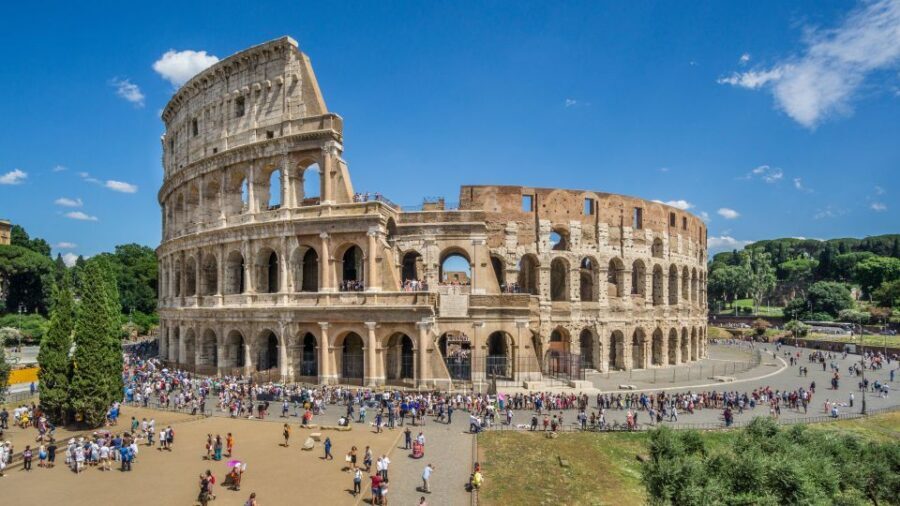
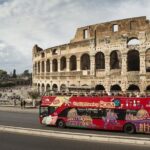
The Colosseum is your next major stop, with about 20 minutes on site. Here’s what’s important: Colosseum entry tickets aren’t included. That means this tour is built for the outside experience—your guide helps you read the structure, the setting, and what made this place so dominant in ancient Roman life.
You’ll still get real value from an outside viewing, especially on a walking itinerary like this. From the right angles and with the right stories, the Colosseum stops looking like just a photo background and starts feeling like a machine built for spectacle. The guided time is short, but it’s purposeful.
The only drawback is expectation management. If you were hoping for a long interior visit, plan separate tickets. In the meantime, use those 20 minutes for orientation: notice how the monument sits in the modern city, and let the guide’s context connect it to what you’ll see next with the Forum and imperial streets.
Via dei Fori Imperiali and the Forum Stretch You’ll Actually Understand
Next comes Via dei Fori Imperiali, where you get a guided walk (about 20 minutes) focused on the archaeological area of the Forum. This is one of those Rome spaces where it’s easy to feel lost if you’re looking at ruins without a guide.
The tour’s advantage is the pacing. You’re not trying to read a textbook while standing in the wind. Instead, you get guided explanations that help you connect the layout and the purpose of the area to daily Roman power: politics, religion, ceremonies, and public life all stacked into one district.
You’ll also benefit from the street-level perspective. Rome’s Forums can feel like scattered fragments until you’re shown how the pieces relate. With the guide pointing out the big patterns, the ruins start to read like a city plan.
One consideration: because this part is outdoors and you’re on foot, wear shoes that handle uneven ground. You’ll stand, look, and move without much sitting time.
Capitoline Hill: A Guided View of Power
After the Forum area, you head to Capitoline Hill for another guided segment (around 20 minutes). Capitoline Hill matters because it’s tied to Rome’s idea of authority—where power wanted to be seen.
This stop works well in the itinerary because it’s a bridge. After ancient streets and archaeological zones, you gain a sense of Rome’s topography. The guide’s job here is to help you understand why the hill mattered and how the surrounding sites fit into the story.
In a short tour, hills are a big deal. A hill changes your sightlines and makes it easier to imagine how people moved and gathered. You don’t need hours of wandering to feel the difference; you just need the right explanation at the right angle.
I’d suggest keeping your phone handy for general reference, but don’t let it replace looking up. This is one of those parts where your perspective is the point.
You can also read our reviews of more city tours in Rome


Pantheon: The Marble Dome Moment (Without Waiting Forever)
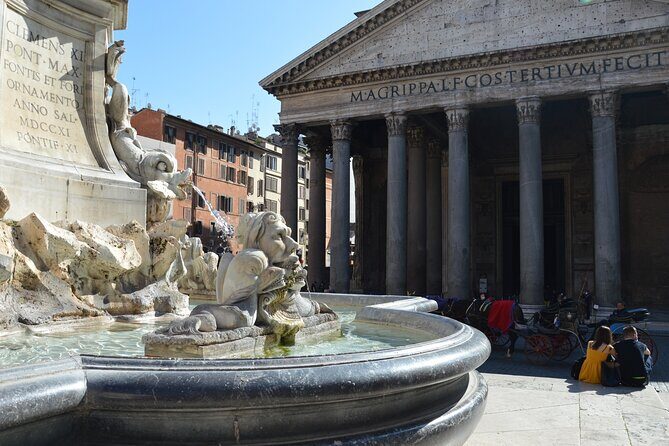
The Pantheon is next, with a visit around 15 minutes. This is your “wow” stop, and the timing is practical. It’s short enough to keep the tour moving, but long enough for a real look at the space and details.
The Pantheon is famous for a reason, especially its massive dome built in marble. With a guide, you’ll learn how the building’s design works and what makes it stand apart in the Roman architectural story. It’s also a useful reset after the outdoor walking: you shift from sun and stones into a monument that feels structured, calm, and enclosed.
Since Colosseum and Roman Forum tickets aren’t included on the tour, the Pantheon becomes an even bigger payoff in the schedule. You get a major interior stop included in the plan, which helps balance the places that are ticketed separately.
Wear something comfortable under your outer layer if you planned for church rules earlier. Even on a warm day, you’ll appreciate being able to move easily.
Sant’Ignazio di Loyola and Caravaggio’s Painted Trilogy
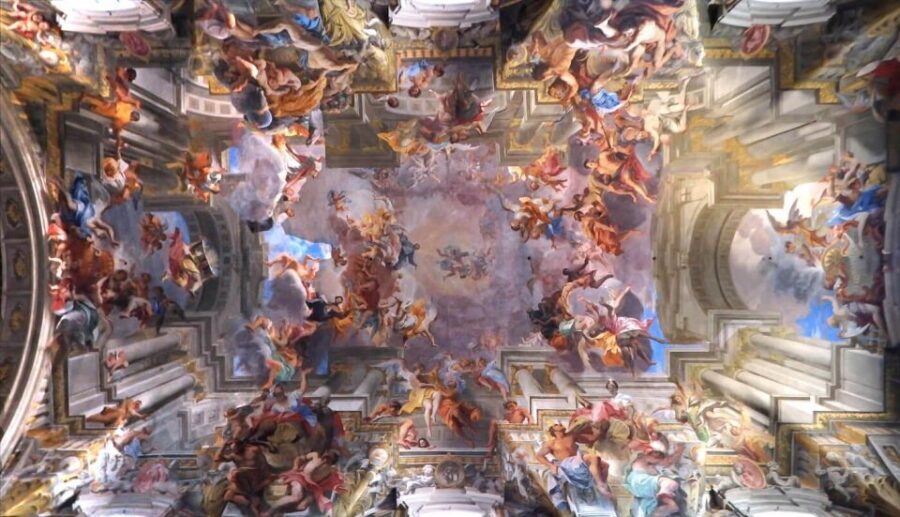
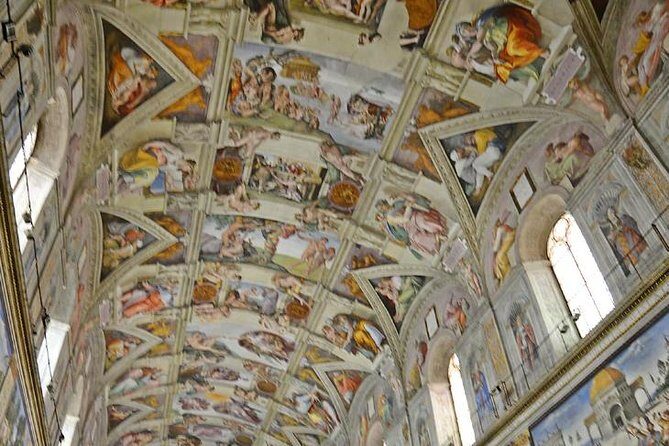
Art lovers have a very specific reason to like this walk: the Church of Sant’Ignazio di Loyola stop (about 20 minutes). The highlight here is the wonderful trilogy painted by Caravaggio.
This kind of church visit is what turns a sightseeing walk into a story you can remember. The guide helps you understand why this work matters, and you get a chance to slow down inside a space meant for focused attention. Reviews specifically call out the guide’s ability to connect history and art with entertaining anecdotes, and this is the part where that style really pays off.
Because this stop is inside a church, dress matters again. No sleeveless shirts. If you’ve got a light scarf or layer, keep it accessible.
One more tip: arrive mentally ready to look upward. Church art often rewards you for noticing angles and composition, not just reading labels.
Piazza Navona and Campo de’ Fiori’s Dark Legends
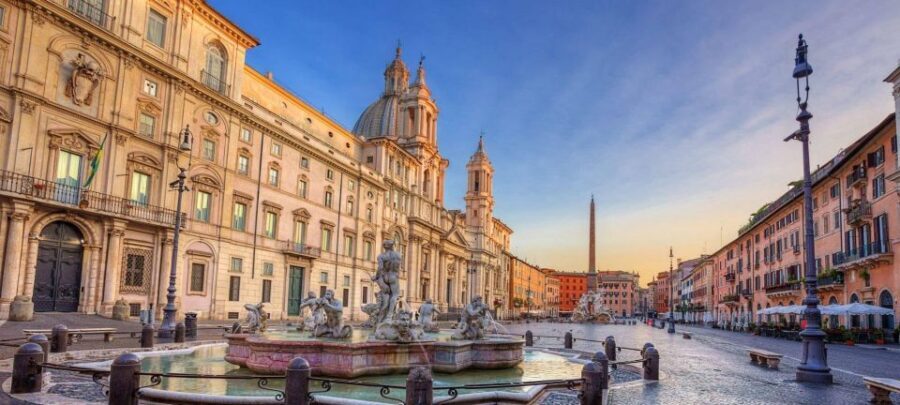
Piazza Navona gets about 20 minutes, and it’s an easy favorite because the square feels like theater. It’s one of the best-known squares in Italy, and the tour uses that fame well: you’re not stuck only chasing photos. You learn what the square represents and how it fits into Rome’s public-life tradition.
Then you finish at Campo de’ Fiori. This is where the tone shifts again. The tour ends with dark legends, which land better after you’ve seen the monuments and architectural layers. It’s a nice way to close: you’ve built Rome’s timeline in your head, then you get the stories people attached to its streets and corners.
Campo de’ Fiori is a smart ending point if you want to continue exploring on your own right after. You’ll leave with context, not just fatigue.
If you’re sensitive to uneven walking surfaces, pace yourself in the last stretch. The final stop can feel longer because you’re still processing everything you’ve already seen.
Luisa’s Storytelling Style and Why It Matters
The guide experience is the standout. Multiple reviews praise Luisa for being well-prepared and for having a love for the area that shows in how she talks. The explanations aren’t dry. They’re described as engaging, full of fun and particular anecdotes, and easy to follow in English.
In practical terms, this makes the tour worth paying for even when the stops are short. A good guide doesn’t just tell you what something is called. She helps you understand what to look for and why it connects to what you saw ten minutes earlier.
Small group size also changes the feel. Limited to 10 participants, the pace is more human. You’re more likely to get your questions answered and to hear stories that match what you care about.
If you like chatting between sights—asking about symbolism, architecture, or the human side of history—this tour’s format supports that.
Price and What You’re Paying For at $94
At $94 per person for a 4-hour guided walking tour, the price is mostly paying for time with a guide and the structure of seeing a lot without getting lost. It’s not a cheap “just walk and figure it out” deal. You’re paying for interpretation, storytelling, and the convenience of a route that stitches Rome’s center together.
One key value point: church visit elements are included, including time at the basilica and the Sant’Ignazio di Loyola church. That gives you meaningful indoor stops, not only outdoor sightseeing.
Also, remember what’s not included: entrance and tickets for the Colosseum and Roman Forum. So you’re not buying a full ticket-based Rome bundle here. You’re buying guided orientation and major stop access, then you handle specific ticketed entrances separately if you want them.
If you already know you want a Colosseum interior visit, factor in the cost of tickets and plan your day accordingly. If you mainly want a guided overview with major sights, this price can feel reasonable because you’re getting a lot of guided time in a tight schedule.
Practical Tips: Shoes, Clothing, and Staying Comfortable
This tour is built on walking. You’ll want comfortable shoes and a steady pace mindset. Even with guided stops, Rome center streets can mean cobbles, slight inclines, and lots of standing and looking.
Clothing is also practical. Sleeveless shirts aren’t allowed, so bring a layer if your outfit is flexible. Since there are multiple church moments, you don’t want to play catch-up once you’re already at the front door.
Also, the tour isn’t suitable for people with mobility impairments. If walking long stretches is a concern for you, it’s better to choose a different format with fewer steps.
One last comfort tip: bring water. The tour is only 4 hours, but Rome sun adds up fast, especially if you want to keep your focus for the stories at the end.
Should You Book This Rome in a Day Walk?
Book it if you want a fast, guided overview that covers the core hits plus real art moments. This tour fits well with first-time Rome visits and with days when you want your time to mean something: Michelangelo in the morning vibe, ancient power in the middle, and Caravaggio-era art before you finish in a lively square.
Skip it or plan differently if you need a long, inside-the-Colosseum experience. Since Colosseum and Roman Forum tickets aren’t included, you’ll be seeing them mainly as part of the guided streetscape.
I’d also recommend it if you enjoy conversation and humor in history. The guide style—praised for preparation, English ability, friendliness, and entertaining anecdotes—sounds like the exact kind of guide you’ll appreciate on a condensed walking day.
If this sounds like your style, it’s a smart way to leave Rome center feeling organized in your head, not just impressed by a few landmarks.
FAQ
How long is the Rome in a day walking tour?
The tour lasts 4 hours.
Where does the tour start and where does it end?
It starts at the Basilica of San Pietro in Vincoli, in Piazza di San Pietro in Vincoli, in front of the Church. It ends at Campo de’ Fiori.
Is the Colosseum included in the tickets?
Entrance and tickets for the Colosseum are not included.
Are Roman Forum tickets included?
Entrance and tickets for the Roman Forum are not included.
What languages is the tour guide available in?
The live tour guide speaks English and Italian.
How big is the group?
The group is limited to 10 participants.
What should I wear?
Bring comfortable shoes, and note that sleeveless shirts are not allowed.
Is the tour suitable for people with mobility impairments?
No, it’s not suitable for people with mobility impairments.
Is there a way to cancel?
Yes. Free cancellation is available up to 24 hours in advance for a full refund.