REVIEW · PANTHEON TOURS
Rome Private Walking Tour: Spanish Steps, Pantheon, Trevi, Navona
Book on Viator →Operated by Askos Tours · Bookable on Viator
Rome moves fast, but this tour has a plan. You follow the UNESCO-listed core of central Rome on a private walking route timed to help you see the big sights without feeling lost. I like the way it stitches famous squares together with the lesser-known “in-between” streets that make Rome feel like a real city, not a postcard checklist.
My favorite part is the included Pantheon ticket, which saves you the hassle of lining up for entry planning while you’re already in the middle of the action. I also like the big-picture way you learn the city’s layout, with stops that connect landmarks like Piazza Colonna and the Column of Marcus Aurelius to the broader story of power and religion in Rome.
One thing to keep in mind: some official buildings are time-limited, and Palazzo Chigi and Palazzo di Montecitorio are marked as admission ticket not included, so you should expect mostly exterior views and quick orientation rather than full interior time.
In This Review
- Key highlights at a glance
- Why this route works: Spanish Steps to Navona without the chaos
- The meeting point: Piazza di Spagna and the Spanish Steps zone
- Trevi Fountain area: timing, perspective, and what you pass along the way
- Galleria Alberto Sordi and Piazza Colonna: where the city’s power shows
- Palazzo di Montecitorio: quick exterior context with big-city stakes
- Chiesa di Sant’Ignazio di Loyola: Baroque drama you can spot
- Piazza Navona: the old stadium idea and the final orientation
- Pantheon ticket: why this included entry matters for value
- Price and what you’re actually paying for
- Who should book this private walking tour
- Should you book it
- FAQ
- How long is the Rome private walking tour?
- Is this a private tour or a group tour?
- What’s included in the price?
- Is the tour offered in English?
- Where does the tour start and end?
- Is the activity level suitable for kids?
Key highlights at a glance
- Private pacing, light walking: you control the rhythm with only your group on the tour.
- Pantheon ticket included: entry is handled for you as part of the experience.
- UNESCO core route, built for getting oriented: Spanish Steps to Trevi to Navona in one logical flow.
- Stop-to-stop context: you pass major landmarks like the Spanish Embassy area and the Column of Marcus Aurelius.
- A guide with an archaeological lens: explanations tend to focus on what you can see and how it fits together.
Why this route works: Spanish Steps to Navona without the chaos
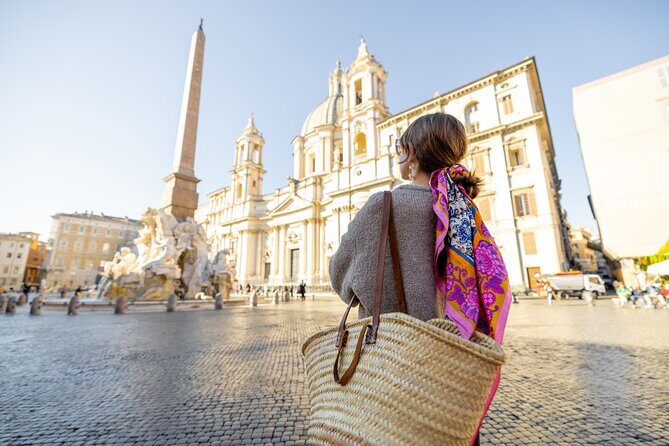
This is the kind of Rome walk that helps you get your bearings fast. The route threads together Piazza di Spagna, the Trevi Fountain area, and Piazza Navona, with key orientation points in between like the gallery Alberto Sordi and Piazza Colonna. Instead of treating each place as a separate stop, the guide connects the dots so you start to understand the geography of central Rome.
You’ll also appreciate the format: this is a private tour, and it’s designed for a light activity level over about 3 hours. That matters because central Rome can feel overwhelming. A structured walk keeps your attention where it should be: on what you’re seeing right now, and why it’s there.
If you’re traveling with kids, this is one of the more workable options because it’s not a long endurance slog. Service animals are allowed, and the tour is near public transportation, which is handy if you want an easy restart on your own after you finish.
You can also read our reviews of more walking tours in Rome

The meeting point: Piazza di Spagna and the Spanish Steps zone
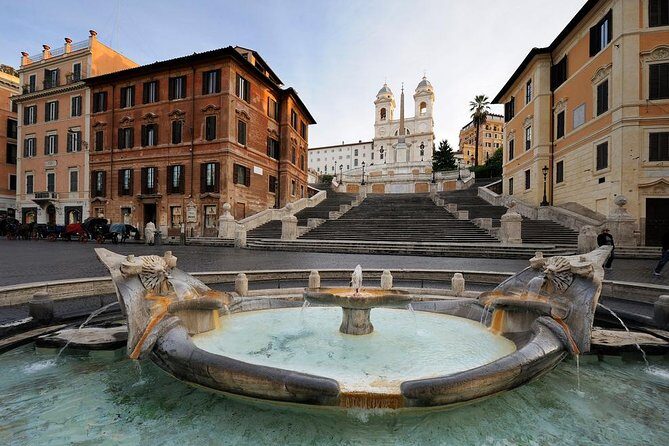
Your tour starts at Piazza di Spagna, right below the Spanish Steps area. This is a smart place to begin because the whole neighborhood is about visual angles: stairs, façades, and streets that fan out in multiple directions. Even if you’ve seen pictures, standing here gives you a sense of how people actually move through the space.
You’ll have about 10 minutes at this first stop. That’s not long, but it’s enough time to reset your attention and understand what you’ll be seeing on the way. Ask questions early if something catches your eye. With a private setup, you can steer a bit before the pace picks up.
The practical tip here is simple: wear shoes you’re comfortable standing in. The route is light, but Rome squares still require a lot of feet-on-stone time, especially if you pause for photos at street level.
Trevi Fountain area: timing, perspective, and what you pass along the way
Next you head toward Fontana di Trevi. The tour doesn’t just drop you at the fountain and move on; it uses the walk itself as part of the lesson. Along the way you pass the Column of the Immaculate Conception and the Spanish Embassy, two landmarks that help explain why Trevi sits inside a bigger political and cultural map.
You get about 30 minutes in this section, which is a solid amount of time for Trevi. That extra time matters because the Trevi Fountain area is the kind of place where a few minutes can become a lot of waiting if you’re not smart about it. A guide helps you focus on the right vantage points and keeps you from wandering in circles trying to find the best angle.
One piece of feedback tied to this area is that the experience aims to reduce line stress around the big-ticket sights, especially when it comes to Pantheon access. Trevi itself doesn’t come with the same ticket-style entry most people expect, but having a guide helps you manage crowds and keep your route moving.
If your goal is photos, plan for them. The fountain is a focal point, but the surrounding details are worth looking at too—especially the architecture and street layout that frames it.
Galleria Alberto Sordi and Piazza Colonna: where the city’s power shows
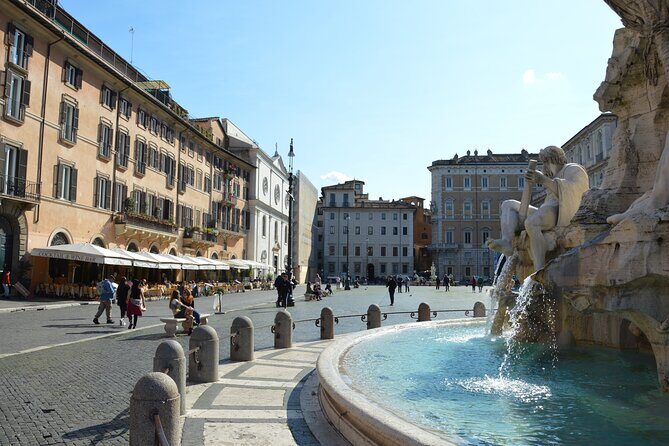
After Trevi, the route shifts toward the area around Galleria Alberto Sordi and on to Piazza Colonna. This part of the walk is where Rome starts to feel more like a working capital and less like a set of monuments. You’ll move through a covered passage and then pop out into Piazza Colonna, where the visual weight changes fast.
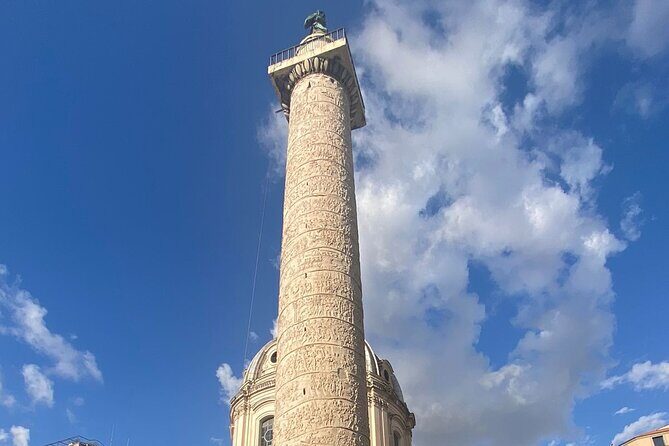
In this section you’ll see the Column of Marcus Aurelius and you’ll get orientation around Palazzo Chigi, the headquarters of Italy’s Ministers. The time here is about 30 minutes, which helps because this isn’t just photo time. It’s a quick education in how Rome’s monuments and institutions sit side by side.
Then you’ll have a short, focused visit at Palazzo Chigi itself for around 15 minutes. The important consideration: admission is noted as not included. So think of this stop as a close look at what power looks like in stone and official architecture, not a long interior tour.
A practical note: if you want great photos at Piazza Colonna, pay attention to where the light hits the façades and monuments. The covered-to-open transition makes it easier to time your shots without constantly repositioning.
Palazzo di Montecitorio: quick exterior context with big-city stakes
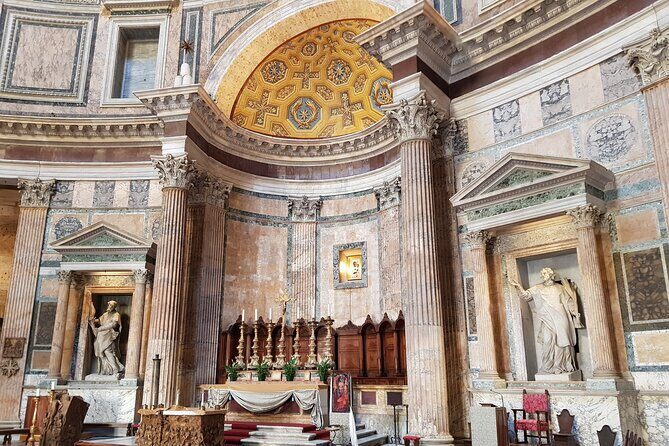
You’ll also pass by Palazzo di Montecitorio at Piazza di Montecitorio, where the Parliament’s building is. This is another “don’t expect a ticket” stop, marked as admission ticket not included, so you should treat it like a stop for perspective and orientation.
About 15 minutes is plenty here if your goal is to understand the role of this area. The building and the square help you see how Rome’s civic life occupies central spaces that tourists often treat as mere backdrops.
If you’re the type who likes to make connections while walking, this is a good segment to ask your guide to point out how the route’s earlier religious monuments contrast with these civic and state buildings. The city reads differently when you compare those uses side by side.
You can also read our reviews of more private tours in Rome




Chiesa di Sant’Ignazio di Loyola: Baroque drama you can spot
Next comes a church stop with real visual punch: Chiesa di Sant’Ignazio di Loyola (Piazza Saint’Ignazio). The tour calls out a specific architectural and art focus: the Baroque age influence associated with Filippo Raguzzini, plus paintings from Andrea Pozzo.
You’ll have around 15 minutes, which means you’re not going to study every artwork in depth. But with a guide, you can usually spot the major features quickly: the Baroque style, the sense of theatrical design, and the kinds of details that make this church a standout in Rome.
This is also a good breather in the middle of a walking tour. After squares and fountains, stepping into a church gives you a different kind of Rome experience. It’s still sightseeing, but the pacing slows naturally.
If you’re short on time during your whole trip, this stop is one of the best “value per minute” moments here because it mixes architecture and art history into a place you can actually see clearly without long museum-style wandering.
Piazza Navona: the old stadium idea and the final orientation
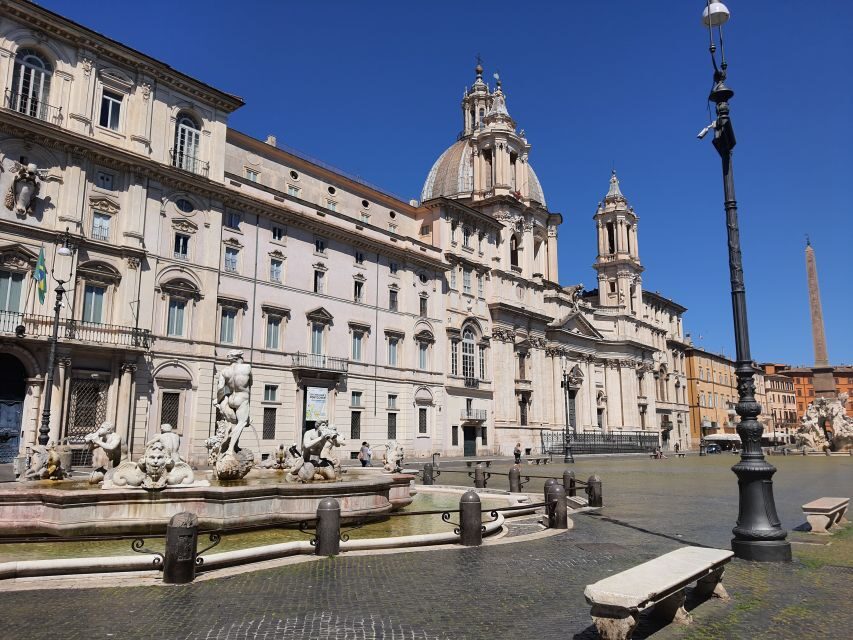
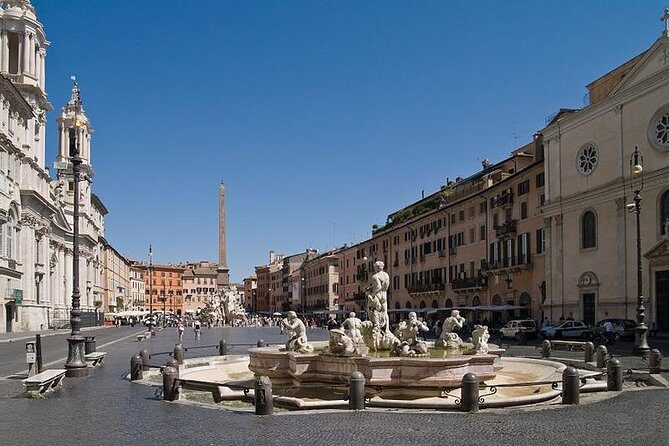
The tour ends at Piazza Navona, after heading toward Via Zanardelli. Piazza Navona is famous for its lively atmosphere, but the tour frames it with a specific historical point: it’s the old stadium of Emperor Domiziano. That context matters because it changes how you look at the shape of the square.
You’ll have about 15 minutes at the finish. That’s enough time to take in the overall geometry and absorb the idea that this isn’t only about decorative fountains and façades—it’s also a space shaped by the way Romans organized public life.
When the tour ends, you’ll have a strong sense of where you are in central Rome. That makes it easier to extend your evening on your own, whether you want dinner nearby or a relaxed stroll in the direction you choose.
Pantheon ticket: why this included entry matters for value
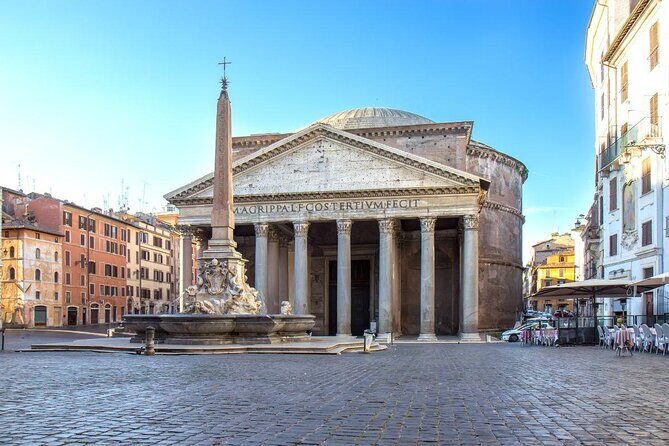
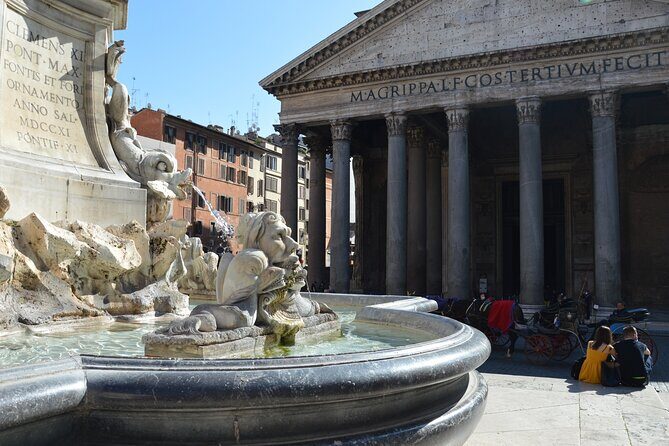
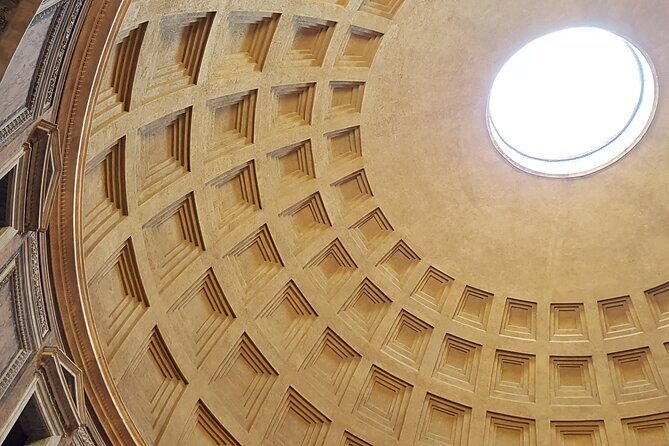
This tour includes a Pantheon ticket, and that’s a big deal for practical value. Rome sights can be time-consuming if you have to manage your own entry planning while navigating crowds. Having the ticket handled as part of the tour shifts your stress level down.
Even if you’ve already visited the Pantheon, a guided approach helps you notice what you might otherwise skip. And if you haven’t been yet, this is one of those classic Rome stops where understanding the setting makes the architecture land harder.
There’s also an efficiency angle. A guide can keep you from wasting time in the wrong place at the wrong moment. One of the strongest pieces of praise tied to this experience mentions reduced line stress around the Pantheon and the Trevi Fountain area, which is exactly what you want when you’re only in Rome for a limited number of days.
Bottom line: the Pantheon ticket turns this from a nice walk into a tour with a measurable “you’re saving time” component.
Price and what you’re actually paying for
At $225.77 per person, this isn’t a budget stroll. But it isn’t overpriced in the way some private tours can be either. You’re paying for a few specific elements that add up: private guidance, a guide described as an archaeologist guide, and an included Pantheon ticket.
You’re also getting flexibility. The tour offers morning and afternoon start times, and departures are available either from the city center or from the Civitavecchia cruise port. That flexibility can save you money too, because it can reduce the need for extra transfers or complicated planning when your day is built around a cruise schedule.
One more value point: the tour is set up so you don’t have to spend your limited vacation time constantly stopping to figure out where to go next. In Rome, that kind of time saved is real value, especially if you’re trying to cover multiple top sights in a few days.
Who should book this private walking tour
This fits best if you want central Rome with structure. If you like walking but you also like knowing what you’re looking at, the route makes sense: Spanish Steps to Trevi to Piazza Colonna and its monumental neighbors, then Sant’Ignazio, and finally Piazza Navona.
It also suits travelers who don’t want to manage a pile of separate tickets. With the Pantheon ticket included, you reduce one of the most common planning headaches.
If you have a cruise day or you’re starting from Civitavecchia, the fact that departures are available from there is a plus. It’s also helpful that the tour is offered in English and is set for a light activity level, making it a realistic choice for many groups.
On the flip side, if you’re the type who wants long interior time in official buildings, the marked admission-not-included stops mean you may feel a bit limited. This is about orientation and landmark context more than deep interior access everywhere.
Should you book it
I’d book this tour if you want a private guide for the UNESCO-listed central route and you care about skipping the planning hassle for the Pantheon. The itinerary is built like a guided walk through Rome’s key landmarks, with enough time at each stop to get a feel for the place rather than just rushing by.
I’d hesitate only if you’re expecting every major building on the route to be fully ticketed and fully explored indoors. Since some stops are admission not included, you should be happy with exterior views and quick orientation there.
If your goal is to leave Rome feeling like you understand how these squares connect, this is the kind of tour that makes that happen.
FAQ
How long is the Rome private walking tour?
It lasts about 3 hours.
Is this a private tour or a group tour?
It’s private. Only your group participates.
What’s included in the price?
Guidance by an archaeologist guide, a private tour, and a Pantheon ticket are included.
Is the tour offered in English?
Yes, it’s offered in English.
Where does the tour start and end?
It starts at Piazza di Spagna and ends in Rome (Metropolitan City of Rome Capital).
Is the activity level suitable for kids?
The activity level is light, kids are welcome under parent supervision, and most travelers can participate. Service animals are allowed.