REVIEW · COOKING CLASSES
Rome Cooking: Pasta & Tiramisu Making, Free-Flowing Fine Wine
Book on Viator →Operated by The Roman Food Tour - Food Tour Rome · Bookable on Viator
Wine first, pasta next.
This Rome cooking experience mixes an aperitivo tasting with a hands-on class, then feeds you what you made. The best part is the rhythm: you start at La Nicchia Cafè with local bites, then head to the cooking room for pasta and tiramisu, all with a steady flow of wine and conversation. I like that the group stays small (up to 16), so you’re not just watching from the sidelines.
You’ll also love the focus on two classic Roman dishes: homemade pasta (fettuccine and ravioli) plus tiramisu for dessert. One consideration: this is a full meal with lots of food and alcohol included, so it’s not the move if you want something light or low-key.
In This Review
- Key highlights that make this cooking class work
- Rome cooking class pacing: aperitivo, then the real hands-on part
- La Nicchia Cafè tasting: the Rome flavors you sample before cooking
- The walk to the cooking spot: why the change of scene helps
- What you actually cook: fettuccine and ravioli like real Roman classics
- Fettuccine with tomato sauce
- Ravioli (spinach) with butter and sage
- Tiramisu: the dessert you’ll want to show off at home
- The included lunch and wine: why the free-flowing part is actually useful
- Group vibe and teaching style: the social part is built in
- Value check: what $59.28 buys you in real terms
- Who this Rome pasta and tiramisu class suits best
- Should you book Rome Cooking for your visit?
- FAQ
- How long is the Rome Cooking: Pasta & Tiramisu Making experience?
- Where does the experience start?
- What dishes will I learn to make?
- Does the price include lunch?
- Are drinks included?
- Is the tour offered in English?
- How many people are in the group?
- Is hotel pickup and drop-off included?
- What should I bring?
- Is there free cancellation?
Key highlights that make this cooking class work
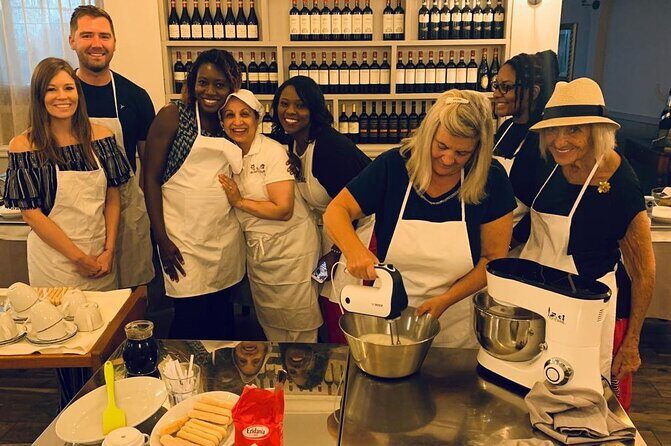
- Free-flowing wine and aperitivo start your meal at La Nicchia Cafè
- Hands-on pasta + tiramisu: fettuccine, ravioli, and dessert from scratch
- Small group (max 16) keeps the vibe social, not chaotic
- Real teaching energy from instructors such as Simone, Alecia, Simon, Eddy, Patrick, Carlo, Lis, Nina, and Jan
- Lunch and drinks included, with bottled water and fine wine pairings
Rome cooking class pacing: aperitivo, then the real hands-on part
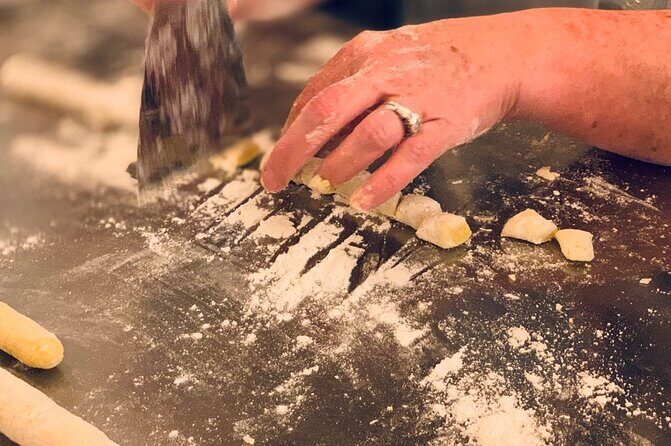
The smartest thing about this workshop is the pacing. You’re not dropped straight into kneading dough with a growling stomach. Instead, you begin with a tasting at La Nicchia Cafè for about an hour. That warm-up matters. You get a feel for the flavors and ingredients you’ll be using, plus you settle in with a glass (and you learn while you sip).
Then the group shifts from tasting mode into kitchen mode. A short walk later, you’re in the cooking space where the staff keep things organized and interactive. It’s a format that works well for first-timers because you’re never left to guess what happens next. And because the group cap is 16, you’re more likely to get quick fixes when you need them.
You can also read our reviews of more cooking classes in Rome
La Nicchia Cafè tasting: the Rome flavors you sample before cooking
Your first stop is La Nicchia Cafè, a traditional Italian gourmet shop setting where you start with an appetizer tasting and wine. Expect classic Roman/Italian food items like cheeses, cured meats, truffles, pesto, and that signature 30-year aged balsamic vinegar. This matters because it’s not just random snacks. It’s a guided intro to how ingredients show up in real Roman meals: salty, creamy, savory, and sharply sweet from aged vinegar.
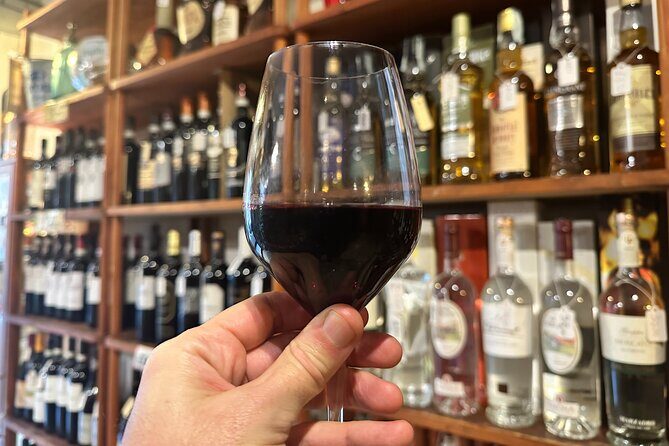
You’ll also get a welcome glass of prosecco, and then wine continues through the experience. The staff talk through what you’re eating, which helps you connect the tasting to what you’ll cook later. If you like food tours that teach you what to notice, this is that style.
One more thing I appreciate: you don’t just get small tastes. The experience is set up so you’ll eat a lot over the whole 3 hours. Come hungry and you’ll feel cared for, not rushed.
The walk to the cooking spot: why the change of scene helps
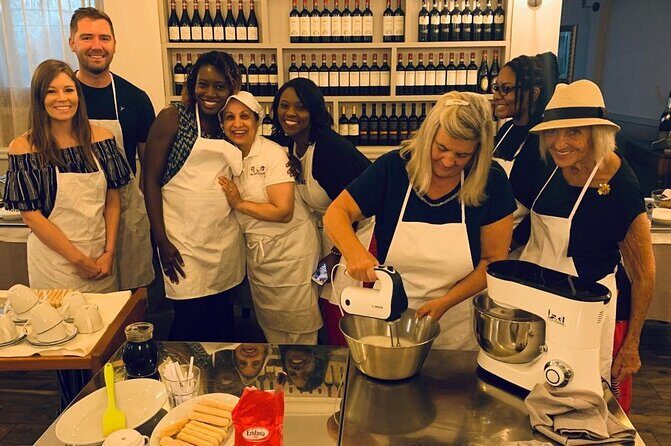
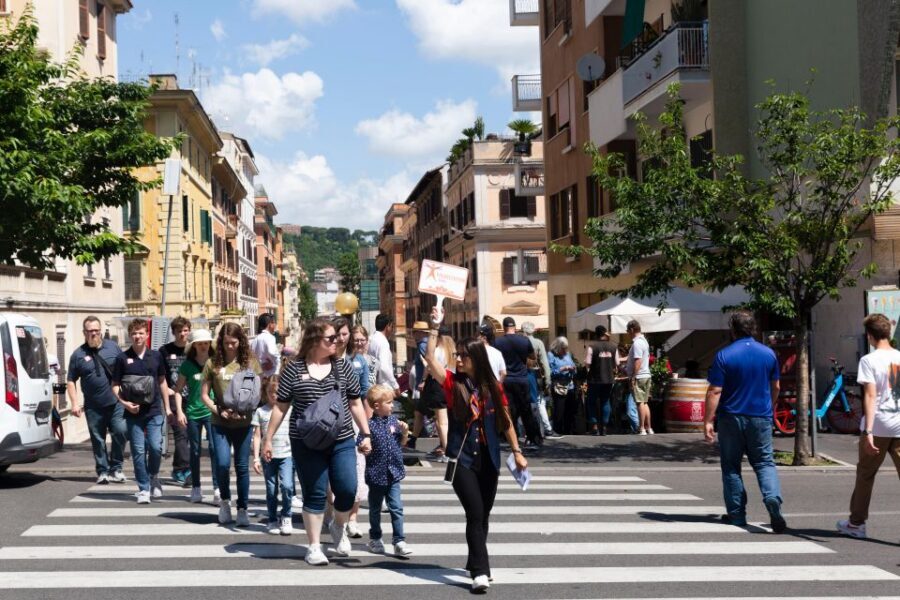
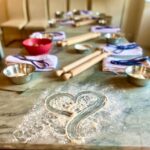
After the café, the group walks to the restaurant kitchen where the class happens. That short transition is more than a logistical step. It resets your brain. You move from learning and tasting in a shop-like setting into a working cooking table where you can focus on technique.
From the way the class is described, the setup keeps you engaged: hosts guide the process as you go, and you sit together to eat what you make afterward. Some classes are hosted at Il Segreto, and that room style seems to support a group meal at one big table. It’s the kind of arrangement that makes solo travelers feel included fast.
Practical tip: wear comfortable shoes. Even though it’s a short walk, Rome can be step-heavy and you’ll want your legs to feel good for cooking and eating.
What you actually cook: fettuccine and ravioli like real Roman classics
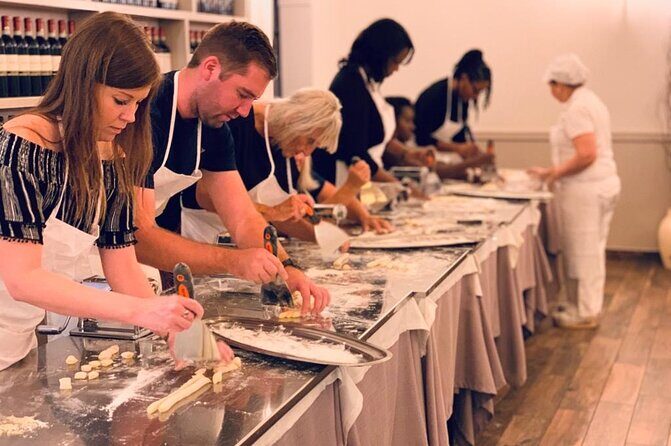
This class gives you two pasta formats that show up in Roman food culture, then gives you the technique to make them at a hands-on pace.
Fettuccine with tomato sauce
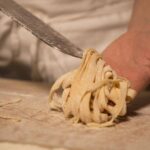
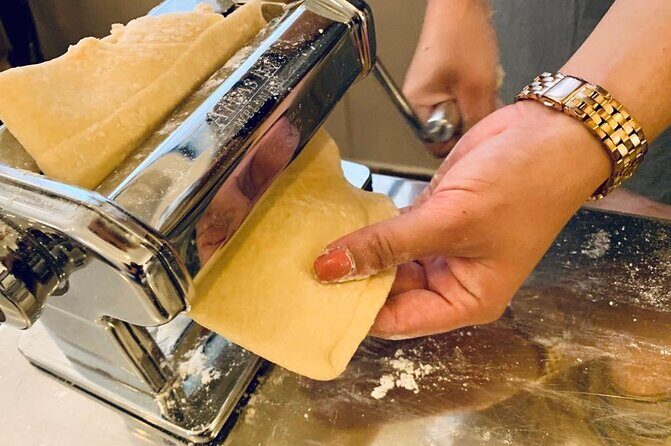
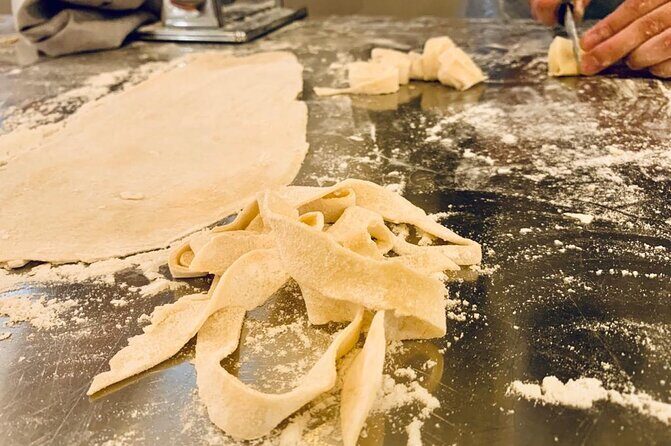
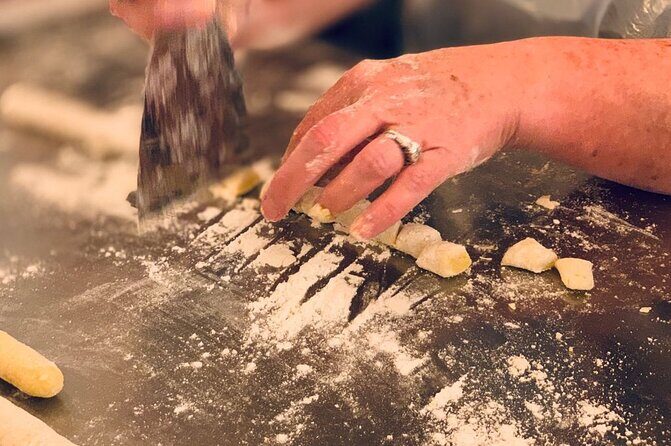
For the fettuccine portion, you work toward making handmade fettuccine noodles, then pairing them with tomato sauce. The point here is learning how the pasta itself comes together, not just dumping cooked noodles into a pot. You’ll leave with a method you can repeat, which is what makes a cooking class more than a fun night out.
The sauce is built into the experience plan, so you’re not stuck waiting for everything to be prepared. That also helps keep the timing on track.
You can also read our reviews of more wine tours in Rome

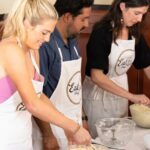
Ravioli (spinach) with butter and sage
Then you make ravioli with spinach, finished with butter and sage. This is a nice pairing choice. Tomato sauce tends to feel familiar, while butter-and-sage ravioli highlights a different flavor direction—earthy, warm, and aromatic. You’re basically learning two different Roman flavor profiles in one go.
A detail that can make your experience smoother: the sauces are prepared by the kitchen and provided. That means you can spend your attention on shaping the pasta and following the steps rather than turning into a full-on sous-chef.
Tiramisu: the dessert you’ll want to show off at home
If pasta is the main event, tiramisu is the victory lap. You make it during the workshop, and the class structure makes it feel doable even if tiramisu is brand new to you.
Depending on the session, you may make individual tiramisu cups. That’s a clever format for a small class because everyone gets a direct hand in the dessert, and you walk away with a take-away-worthy result.
What you’ll appreciate most: tiramisu here isn’t treated like an afterthought. It’s guided, taught, and then served as part of the meal. By the time you sit down, your plate isn’t just food you ordered—it’s something you made with help.
The included lunch and wine: why the free-flowing part is actually useful
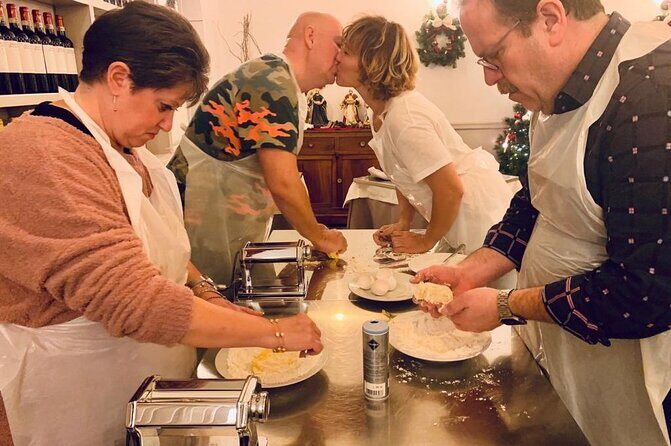
Yes, wine is included and it’s described as free-flowing fine wine. But there’s a reason this isn’t just a party perk. The workshop uses the tastings to teach you how to notice flavors and pair them with food.
At the start, you sample a range of local items—cheese, cured meats, truffles, pesto, and aged balsamic—so you’re learning what’s loud, what’s mellow, and what cuts through richness. Then wine continues into the meal period.
You’ll be offered prosecco at the welcome stage, and DOCG Vermentino is provided with lunch. There’s also bottled water included, which is smart when you’re tasting more than one glass. And in the overall setup, expect coffee and wine mentioned as part of the experience rhythm.
If you’re the kind of traveler who wants a food tour that actually connects the dots between tasting and cooking, this one does it.
Group vibe and teaching style: the social part is built in
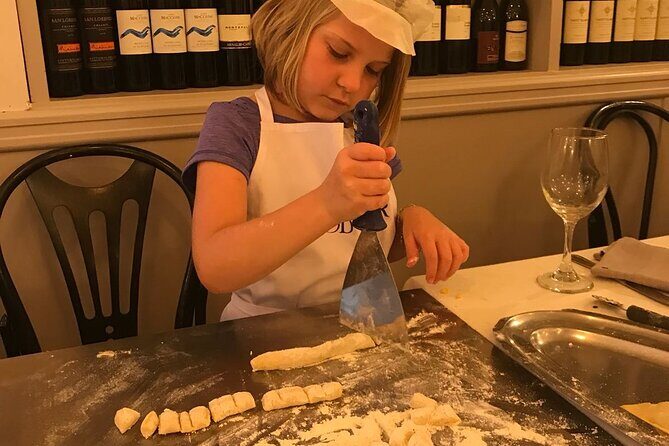
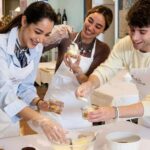
The group size stays small (up to 16), and the format naturally mixes people. You cook with strangers, then you sit down together to eat. That’s why a lot of the strongest feedback focuses on fun, laughter, and meeting new people.
The teaching team names that come up in the experience include Simone, Alecia, Simon, Eddy, Patrick, Carlo, Lis, Nina, and Jan. What matters for you isn’t the specific name—it’s the pattern: instructors and hosts are described as patient, interactive, and supportive, with clear step-by-step guidance.
If you’re visiting as a couple, this kind of class is a great shared activity. If you’re traveling solo, it’s one of those rare tours where you’re not left sitting apart. You get talking momentum fast because you’re working on the same task.
Value check: what $59.28 buys you in real terms
At $59.28 per person, the value is strong for three reasons.
First, you get a full 3-hour experience with both a tasting stop and a cooking class. That’s not just one meal. It’s structured food time.
Second, lunch and wine are included, plus bottled water. The experience also includes wine tasting and alcoholic beverages. Many tours charge extra once you get there. Here, the core food and drink pieces are built into the price.
Third, the pay-off is skill. You learn two pastas and tiramisu, with specific Roman-style combinations (fettuccine with tomato sauce, ravioli with spinach plus butter and sage). If you leave with a repeatable method, that’s where the cost stops feeling like entertainment-only.
This isn’t an expensive “gadget and gimmick” class. It’s more like a focused meal experience where the price matches what you’re consuming and learning.
Who this Rome pasta and tiramisu class suits best
This workshop is ideal if you want a hands-on Rome food moment without needing advanced cooking knowledge beforehand. “Most travelers can participate,” and the staff have been described as accommodating for mobility scooters and guests with mobility challenges. Still, you’ll be standing and walking between spots, so choose shoes and pace that work for you.
You’ll get the most out of it if:
- you like cooking as a hands-on activity, not just watching
- you want wine and food included without extra fees
- you’re social and open to meeting people during the meal
- you’re okay spending a solid chunk of your morning or afternoon on one focused plan
If you’re trying to eat light, this is probably not your match. The format is set up for lots of food and drink, and you’ll want to enjoy it rather than fight it.
Should you book Rome Cooking for your visit?
I’d book it if you want a Roman cooking class that starts with a tasting and ends with the satisfaction of eating what you made. The combination of two pastas plus tiramisu, free-flowing wine, and a small group size is a very practical way to spend a few hours in Rome.
Skip it only if you’re looking for a quiet, low-alcohol experience or you don’t want a short walk between two venues. Otherwise, this is exactly the kind of “learn, eat, laugh, repeat at home” outing that makes Rome feel personal.
FAQ
How long is the Rome Cooking: Pasta & Tiramisu Making experience?
It runs about 3 hours.
Where does the experience start?
It starts at La Nicchia Cafè for the tasting portion.
What dishes will I learn to make?
You’ll learn to make handmade pasta (fettuccine and ravioli) and you’ll make tiramisu for dessert.
Does the price include lunch?
Yes. Lunch is included.
Are drinks included?
Yes. Wine tasting is included, you’ll have bottled water, and alcoholic beverages are included. A welcome glass of prosecco is offered, and DOCG Vermentino is provided with lunch.
Is the tour offered in English?
Yes, it’s offered in English.
How many people are in the group?
The maximum group size is 16.
Is hotel pickup and drop-off included?
No. Hotel pickup and drop-off are not included.
What should I bring?
Bring a healthy appetite and high expectations.
Is there free cancellation?
Yes. You can cancel up to 24 hours in advance for a full refund.
If you tell me your travel dates and whether you prefer morning or afternoon, I can suggest the best way to fit this into your Rome schedule (and how to pair it with nearby sights).