REVIEW · CONCERTS
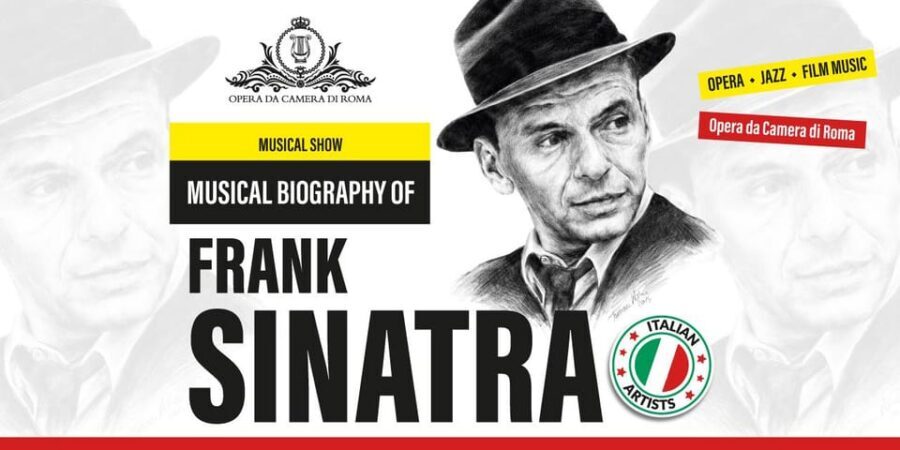
Rome: Musical Biography of Frank Sinatra Concert
Book on GetYourGuide →Operated by Opera da Camera di Roma · Bookable on GetYourGuide
Sinatra, but make it Italian.
This Rome concert experience takes Frank Sinatra songs and reframes them in styles that feel right at home in Italy: classical, bel canto opera, and jazz. You sit close, in a historical-style venue known for unusual acoustics, while singers guide you through a “musical biography” that links Sinatra’s sound with Sicilian melody and famed Italian opera writing.
What I like most is the mix of musical styles—you get Sinatra classics alongside opera arias and even film-music vibes, all arranged for this specific setting. I also like the practical comfort of a small, table-style setup with a glass of wine and starters, so the night feels like refined salon time, not a loud production line.
One thing to consider: because it’s intimate and small-audience by design, the show’s power depends on you enjoying operatic vocals and stylized arrangements. If you’re expecting straight, big-band Sinatra in a traditional concert format, this concept may feel more interpretive than literal.
Key highlights at a glance
- Opera and jazz arrangements of Sinatra songs, with a piano accompaniment that keeps everything cohesive
- Intimate venue and special acoustics for a close-to-the-stage sound
- Soprano and tenor voices from Opera da Camera di Roma, tailored to this program style
- Sicily and bel canto connections shaping the repertoire, including Vincenzo Bellini arias
- A glass of wine and starters served at seats around tables, for a relaxed evening flow
In This Review
- Where you’ll hear Sinatra best: the tiny hall on Via Firenze
- How the show works: Sinatra arranged into opera, jazz, and film-music moods
- The Sicilian connection: why the repertoire leans bel canto
- The performers you’re actually paying for: soprano, tenor, and piano
- Wine, starters, and the relaxed salon pace
- Location reality check: meeting point near the Methodist Church
- Who should book this Frank Sinatra musical biography concert
- Should you book it? My take on the decision
- FAQ
- Where does the concert take place?
- What is the meeting point?
- How long is the experience?
- How much does it cost?
- What’s included with the ticket?
- Who performs?
- What languages are used?
- Is the venue wheelchair accessible?
- Is there free cancellation?
Where you’ll hear Sinatra best: the tiny hall on Via Firenze
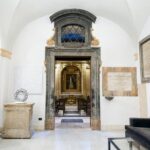
The heart of this experience is the room itself. The concert hall on Via Firenze is atmospheric in the way older Roman performance spaces tend to be: not a big, modern arena, and not something that looks like a theatre from the outside. Inside, though, it’s built for listening. The setup uses a small number of seats arranged around tables, which changes the mood fast. You’re not just sitting in a row—you’re part of a close, social audience space where the music sounds near and clear.
That intimacy matters for Sinatra. In a classic big-stage concert, the vocals and the band can blend into a wall of sound. Here, with the acoustics designed for a smaller room, you can catch phrasing, dynamics, and the way the singers shape vowels. Even if you’re not a lifelong opera fan, a close sound can make the voices feel more human and less performative.
I also like that the venue’s vibe is described as elegant salon-like. That’s not just marketing language. The “salon” feel matches what this show is trying to do: take the idea of pop stardom and translate it into nineteenth-century concert manners—dressier, more formal, and built around vocal technique.
If you’re sensitive to small rooms or prefer maximum personal space, keep this in mind. This show is explicitly for a small audience. It’s intimate by design, not by accident.
How the show works: Sinatra arranged into opera, jazz, and film-music moods
This is not a tribute concert that simply plays Sinatra songs one by one. The entire format is framed like a musical biography—a curated story told through arrangements. The program starts from Sinatra’s musical identity, then leans into the overlaps between American pop phrasing and Italian musical culture.
Here’s what you should expect musically:
- Innovative arrangements of Frank Sinatra songs
- The songs delivered in opera and jazz style, not as straight reproductions
- Pieces that connect to Italian classical traditions, with opera arias in the mix
- Film-music allusions that hint at a darker, cinematic side of the era
The conductor here is concept, not chronology. You’re meant to feel how Sinatra’s melodies echo Italian lines—how lyrical phrasing can behave like opera recitative, and how jazz-style rhythm can sit beside bel canto power.
In practical terms, this means the sound can shift quickly from lyrical and operatic to rhythm-driven and jazz-leaning. The piano accompaniment helps unify those transitions, so you’re not bounced around between random genres. Instead, it feels like a controlled conversation where the singers “translate” Sinatra through different musical dialects.
If you go in expecting one consistent style the whole time, you might find yourself slightly impatient. But if you’re open to variety—especially if you like hearing known songs reinterpreted—this is a big part of the fun.
You can also read our reviews of more tours and experiences in Rome
The Sicilian connection: why the repertoire leans bel canto
Sinatra’s story is tied to Sicily through origin and the idea that his songs echo Italian melody patterns. That connection isn’t treated like trivia. It’s used to shape the repertoire you hear.
The show highlights a Sicily-to-Italy musical thread, and it comes through in two ways:
- Opera arias from Vincenzo Bellini, the eminent bel canto composer who also came from Sicily
- A repertoire approach that treats Italian classical singing style as the natural language behind the melodies
Even if you don’t recognize the names of every composer on first listen, you’ll feel the “why” as the evening unfolds. The aria writing tends to be built for vocal storytelling—breath control, sustained notes, and dramatic phrasing. That vocal style pairs well with the emotional tone many Sinatra songs are known for.
There’s also a cinematic layer. The program includes film music allusions connected to Sinatra’s image, including references to stories that are not fully proven about Sicilian mafia contacts. I’m glad this is framed as an allusion in the description, because it signals the show is playing with mood and legend rather than presenting something like a legal history lecture.
Bottom line: the Sicilian/bel canto theme helps you understand why the night doesn’t feel like a random mash-up. It has a reason to jump between pop familiarity and opera technique.
The performers you’re actually paying for: soprano, tenor, and piano
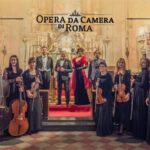
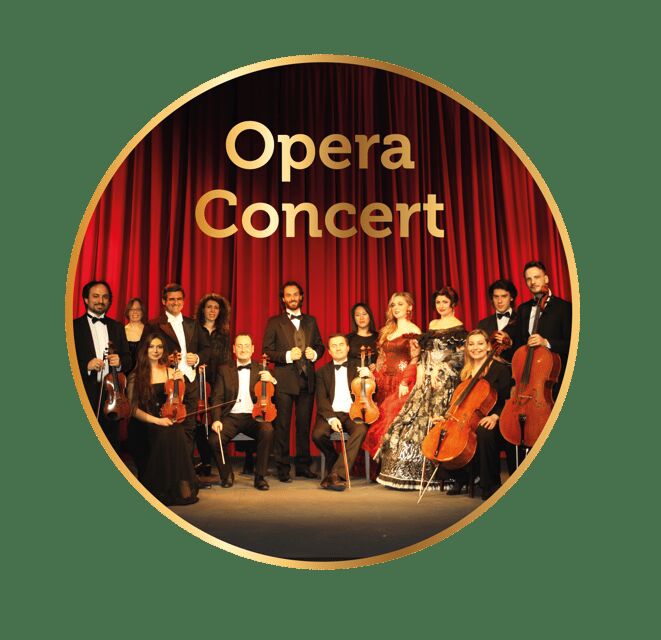
Opera da Camera di Roma is the presenting group behind this night, and the format is built around soprano and tenor singers supported by a piano. That matters. If you’ve ever been disappointed by “small ensemble” shows where vocals feel underpowered, this is arranged for the opposite outcome: the room’s intimacy and the presence of classically trained singers do the heavy lifting.
You should also know this is staged in a way that feels like a guided experience. The singers and musicians help take you through the night, so you’re not just hearing songs but getting a sense of narrative flow.
From a listener’s point of view, there are a few things to watch for:
- How the singers handle legato lines when Sinatra phrasing turns into operatic phrasing
- Whether the jazz-style moments keep their rhythmic clarity rather than turning into generic accompaniment
- How the piano supports both classical and jazz colors without sounding like it’s switching instruments every five minutes
A piano in this setup isn’t background. It’s the bridge. It keeps the show from becoming two separate performances—opera here, Sinatra there. Instead, it keeps them braided together.
And if you worry you might not like opera singing: the concept is specifically designed to make opera sound part of the entertainment, not a separate activity. When it works, those “opera moments” can actually feel like the dramatic peak of a familiar pop emotion.
Wine, starters, and the relaxed salon pace
Included with your ticket is a glass of wine, plus light starters served at your table area. That detail sounds minor, but it changes how you experience the night.
In a typical concert, you rush, sit down, and then your focus is locked on the stage the entire time. Here, you can settle in with something to sip while you get used to the setting and the intimate acoustics. The tables placed around the audience make the whole evening feel social, almost like you’re attending a private performance rather than a ticketed show in a big venue.
It’s also practical: when the room is small, every movement matters. Having a built-in moment for wine and starters helps you avoid that mid-show bathroom shuffle or the awkward “when can I get a drink” problem.
I’d treat it like a nice part of the experience rather than a full dinner plan. The show is about the music first. The wine and starters simply make the listening feel warmer and more human.
Location reality check: meeting point near the Methodist Church
Logistics are simple, but you should plan for one local detail: your meeting point is next to the Methodist Church, and the experience ends back there.
The venue is the Concert Hall on Via Firenze (listed address: Via Firenze, 3800184 Roma RM). Since start times aren’t fixed in the info you have and you’re told to check availability, I’d treat this as a flexible evening plan and choose the time that best matches your energy level. A show like this is most enjoyable when you’re not rushing straight from a long day of walking and trying to be quiet in a crowded transport line.
If you’re staying central, you’ll likely pair this with a light dinner nearby and keep your route easy. If you’re farther out, leave extra time to avoid arriving flustered—small venues punish late arrivals because you want to get seated and comfortable before the performance starts.






Who should book this Frank Sinatra musical biography concert
This show is a smart fit if you like at least one of these:
- You want Sinatra, but you’re curious about how other musical languages can reinterpret him
- You enjoy opera vocals and want a lower-pressure way to experience them
- You’re drawn to intimate live performances with good acoustics and close audience energy
- You like a “story told through music” format rather than a standard playlist
It might not be your best choice if:
- You only want straightforward, traditional Sinatra arrangements
- You strongly dislike opera singing styles
- You want a large, loud, big-band concert atmosphere
Value-wise, the price is $47.83 per person for a one-day concert experience that includes a glass of wine. The best part is the value isn’t only in the ticket cost—it’s in the format: limited seats, a room built for listening, and a performance style that feels designed for a small audience rather than scaled for mass attendance.
So the question isn’t just whether you can pay for the ticket. It’s whether you want an evening where music is the main focus and the delivery is close, elegant, and interpretive.
Should you book it? My take on the decision
Yes, I’d book it if you’re in Rome and you want something that feels distinctly Roman in its performance style: close quarters, controlled acoustics, and opera voices presenting pop material with serious vocal craft. The opera and jazz arrangements plus the Sicily/bel canto link give the night a coherent theme, not just a novelty premise.
I’d hesitate only if you’re expecting a classic Sinatra concert with big orchestration and no genre shifting. This is a reinterpretation evening, not a museum exhibit.
If you want an intimate night out that blends pop recognition with opera technique—and you don’t mind that the story comes through in musical style changes—you’ll likely enjoy it a lot.
FAQ
Where does the concert take place?
It happens at Concert Hall Via Firenze, 3800184 Roma RM.
What is the meeting point?
The start point is next to the Methodist Church, and the activity ends back at the meeting point.
How long is the experience?
It’s listed as a 1-day activity. The info notes you should check availability to see starting times.
How much does it cost?
The price is $47.83 per person.
What’s included with the ticket?
A ticket to the special concert, plus a glass of wine is served during the performance. Starters are also part of the experience description.
Who performs?
Opera singers (soprano and tenor) from Opera da Camera di Roma perform, accompanied by a piano.
What languages are used?
Host or greeter languages are English and Italian.
Is the venue wheelchair accessible?
Yes, it is listed as wheelchair accessible.
Is there free cancellation?
Free cancellation is available up to 24 hours in advance for a full refund.
If you tell me your travel dates and where you’re staying in Rome, I can suggest a good time slot and a simple dinner-before-plan so the evening flows smoothly.