REVIEW · CITY TOURS
Rome: City Walking Tour in English or Spanish
Book on GetYourGuide →Operated by Carpe Diem Tours · Bookable on GetYourGuide
Rome clicks into place on this walk. This guided stroll in English or Spanish stitches together big-name sights with calmer side streets, and it finishes with practical what-to-do-next ideas around Piazza Navona. I love the tight 2–2.5 hour length, and I love that the guide keeps history clear and story-driven so it actually sticks.
One heads-up: parts of the route are view-only. The Pantheon stop is a pass-by, so if you’re hoping for a long inside visit or extra museum time, you’ll need a separate stop later.
In This Review
- Key things to know before you go
- Why this 2–2.5 hour Rome walk is a smart start
- Choosing your start: Piazza d’Aracoeli vs Piazza di Pasquino
- Piazza Venezia: the viewpoint that turns into a lesson
- Trajan’s Column: where details matter
- Trevi Fountain in guided time: how to enjoy it without losing your mind
- Galleria Sciarra: the quieter break you’ll appreciate
- Church of Sant’Ignazio di Loyola: history you can feel in the details
- Pantheon pass-by: a must-see, but plan a separate visit if you want more
- Ending around Piazza Navona (and optional Colosseum finish)
- What’s included, and what you’ll need to add yourself
- Guide language and how to hear the story on crowded streets
- Who should book this walk—and who should choose something else
- Should you book? My practical take
- FAQ
- FAQ
- How long is the Rome walking tour?
- How much does the tour cost?
- What languages are available?
- Where does the tour start?
- Where does the tour end?
- What sights are included on the route?
- Is food or drinks included?
- Is the tour private?
- What should I bring?
- Can I cancel for free?
Key things to know before you go
- Two start options: Piazza d’Aracoeli or Piazza di Pasquino, so you can pick what fits your morning
- Big monuments with real context: Piazza Venezia and Trajan’s Column get guided time
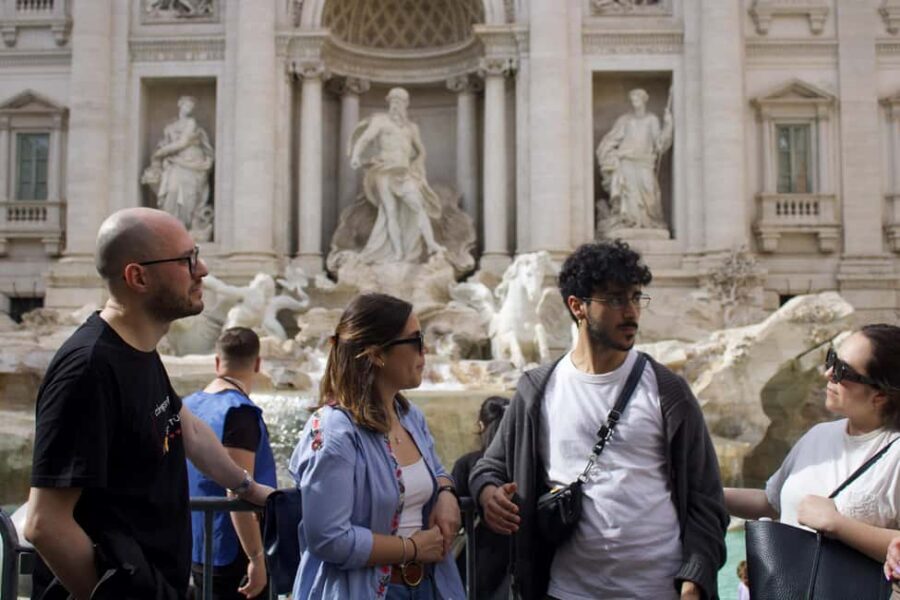
- Trevi Fountain isn’t rushed: you’ll get about 30 minutes there with commentary
- A change of pace: Galleria Sciarra adds a quieter, more atmospheric break
- You end in a food-and-fun zone: Piazza Navona is the payoff area for post-walk plans
- Good listening matters: some guides use audio/headphones so the story stays clear
Why this 2–2.5 hour Rome walk is a smart start
For $28, you’re buying something Rome is hard to do on your own: a coherent story. You’ll cover major sights in a compact loop, and the guide ties the Roman Empire to what you see on the street now. That’s the difference between looking at stone and understanding why the stone matters.
The best value here is the time efficiency. In about 2 to 2.5 hours, you’ll hit multiple “Rome must-sees” plus a few lesser-known stops that you’d probably walk right past without a cue. It’s also a great move if it’s your first day and you want your bearings fast.
The other big win is the guide-led “ask anything” moment near the end. When you finish around Piazza Navona, you’re not stuck wondering where to go next. You can ask what to see, where to eat, and how to plan the rest of your trip.
You can also read our reviews of more walking tours in Rome


Choosing your start: Piazza d’Aracoeli vs Piazza di Pasquino
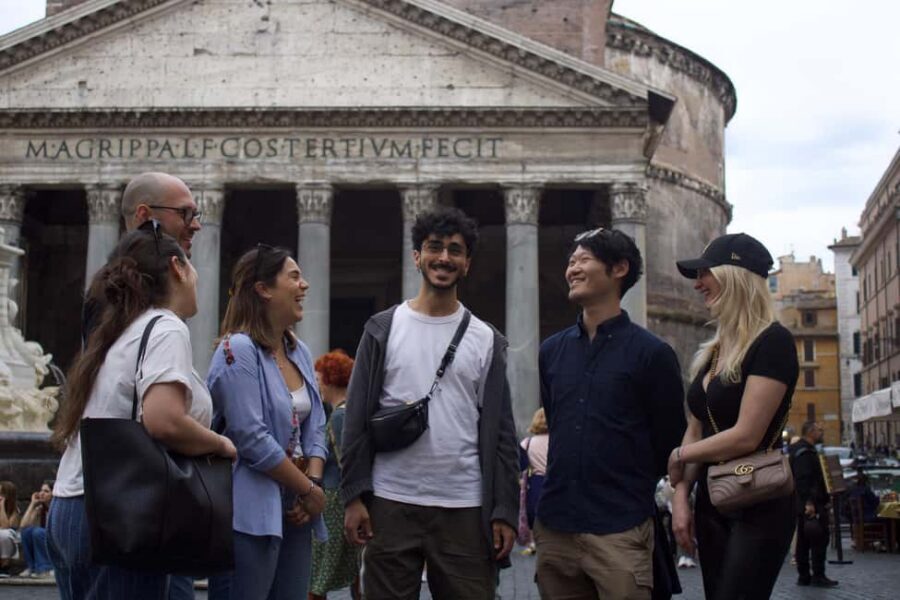
Your tour begins at one of two meeting points, depending on the option you book: Piazza d’Aracoeli or Piazza di Pasquino. Both are in the historic center, but picking the start can make your morning feel easier.
- If you’re already drawn toward the broader Campidoglio/Vittoriano area vibe, Piazza d’Aracoeli often works well for getting into the “center of power” theme early.
- If you want a slightly different approach into the core sights, Piazza di Pasquino can be a handy jump-off.
Either way, the practical lesson is simple: check your meeting point before you head out, and give yourself a little extra time to find the exact location. Rome is big, and little piazzas can look similar when you’re in a hurry.
Piazza Venezia: the viewpoint that turns into a lesson
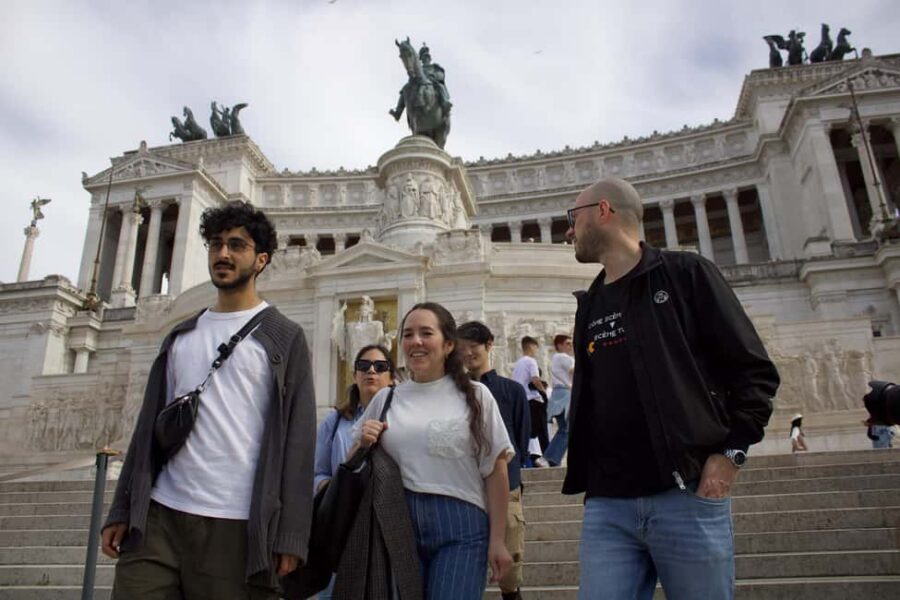
The first guided stop on the route is Piazza Venezia, with about 20 minutes of commentary. This is a strong anchor point because it’s the kind of place where you naturally start asking questions: Why is this here? Who built it? What changed?
On this tour, that’s where the guide does the heavy lifting. You’ll get a guided explanation that helps you connect architecture and monuments to Roman history, then carry that context forward as you walk.
A personal tip for you: treat Piazza Venezia like your orientation marker. When the guide starts explaining the layers of Rome, keep your eyes moving—buildings, street lines, and sightlines all matter here. You’ll get more out of the next stops because you’ll recognize the story cues.
Trajan’s Column: where details matter
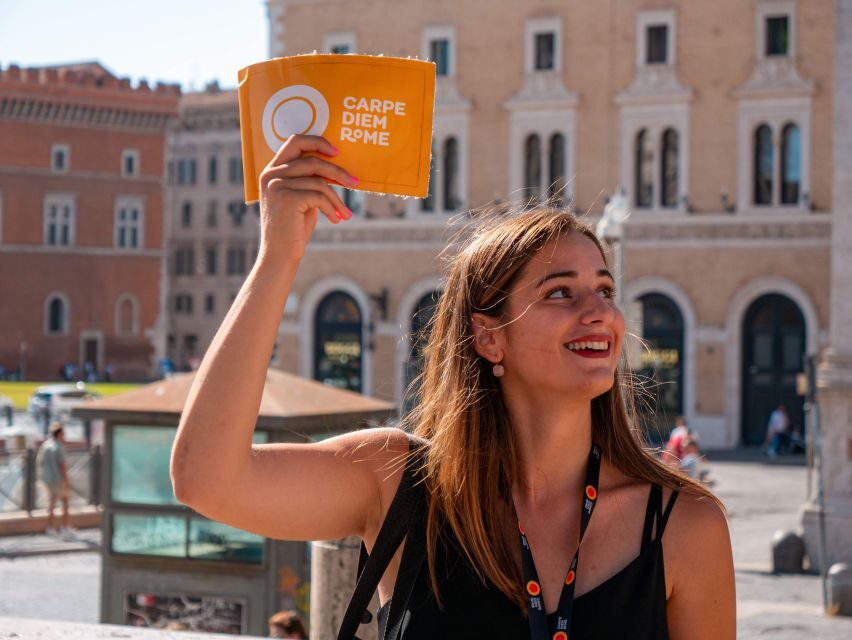
Next up is Trajan’s Column, again with about 20 minutes of guided time. This stop is one of the most rewarding parts of the walk because it gives you something specific to look for. You’re not just seeing a tall monument—you’re being shown how to read it.
Trajan’s Column is also a great bridge from the era of emperors to the way Rome still shapes life today. The guide’s role is key: if you’ve ever stared at a monument and thought, I have no idea what I’m looking at, this is the fix.
The main drawback to know is that 20 minutes is focused but not long. Come ready to look closely, and don’t be afraid to ask questions. That’s when the guide can go beyond the quick explanation and point out what most people miss.
Trevi Fountain in guided time: how to enjoy it without losing your mind
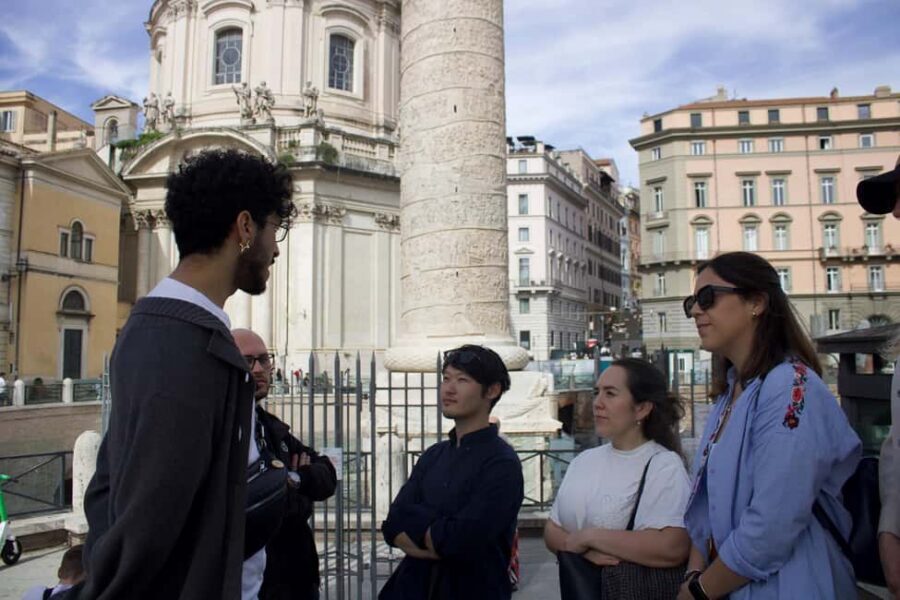
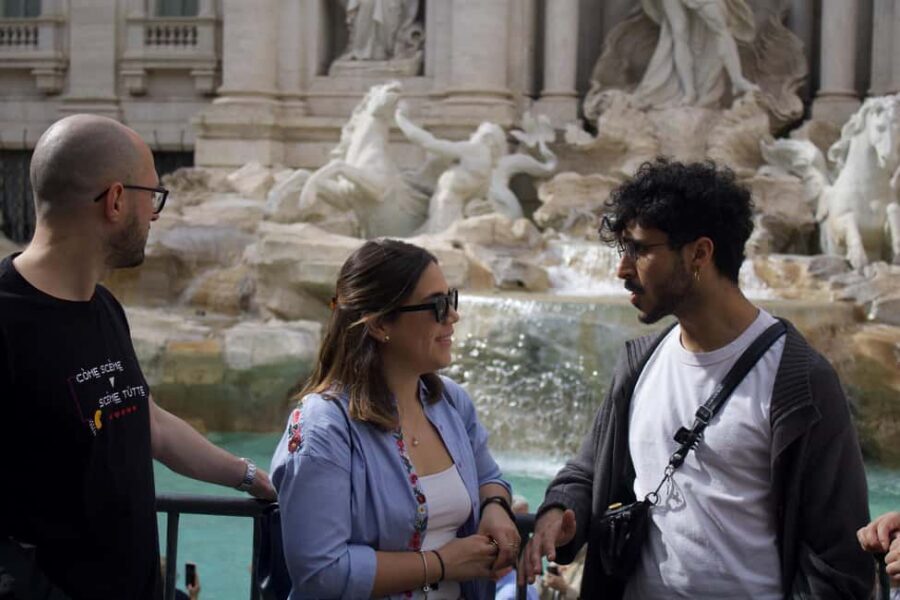
Then comes Trevi Fountain, with around 30 minutes guided. Trevi is one of those sights that can feel overwhelming if you’re only there for photos. The tour helps because you’ll have context while you’re standing there, and you can enjoy it as more than a selfie backdrop.
What I like about a guided Trevi stop is that it gives you permission to slow down. You can look at the details, learn what makes the fountain such a symbol, and then move on before the crowd fatigue sets in.
Practical tip: wear comfortable shoes and be ready for standing time. Trevi’s area is dense, and even with a guide, you’ll spend time close to other visitors. If you’re traveling with a friend who gets impatient, this is the part where a guided pace can actually save your trip.
You can also read our reviews of more city tours in Rome



Galleria Sciarra: the quieter break you’ll appreciate
After Trevi, the route includes Galleria Sciarra for about 20 minutes. This stop is a nice contrast—less “icon,” more atmosphere. It’s the kind of place that makes you think, Rome isn’t only monuments. It’s also the spaces between them.
On a walking tour packed with major squares and famous landmarks, Galleria Sciarra works like a palate cleanser. You get a different architectural mood, and you likely get a better chance to hear the guide clearly.
If you’ve got a habit of rushing from one famous thing to the next, this is where you reset. Slow down enough to notice how the space feels, not just how it looks in photos.
Church of Sant’Ignazio di Loyola: history you can feel in the details
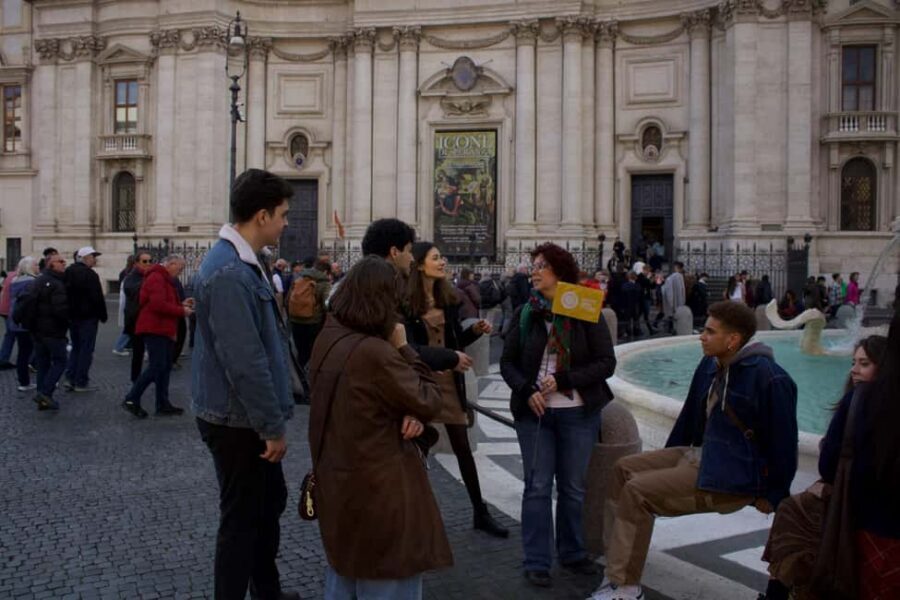
Next is the Church of Sant’Ignazio di Loyola, with about 20 minutes of guided time. Churches are often easier to enjoy when someone points you to what to watch for, and this stop is set up for that.
Even if you’re not a “church person,” the structure of this stop can help. The guide connects what you see to Rome’s broader cultural story—so it doesn’t become one more building in your list. You’ll also get practice at noticing how faith, art, and history shaped each other in the city.
One more practical thought: this is a stop where you’ll likely want to keep your voice down and your pace steady. If you’re holding back, this is where to lean in. Ask one good question and let the guide’s answer point you to the most interesting details.
Pantheon pass-by: a must-see, but plan a separate visit if you want more
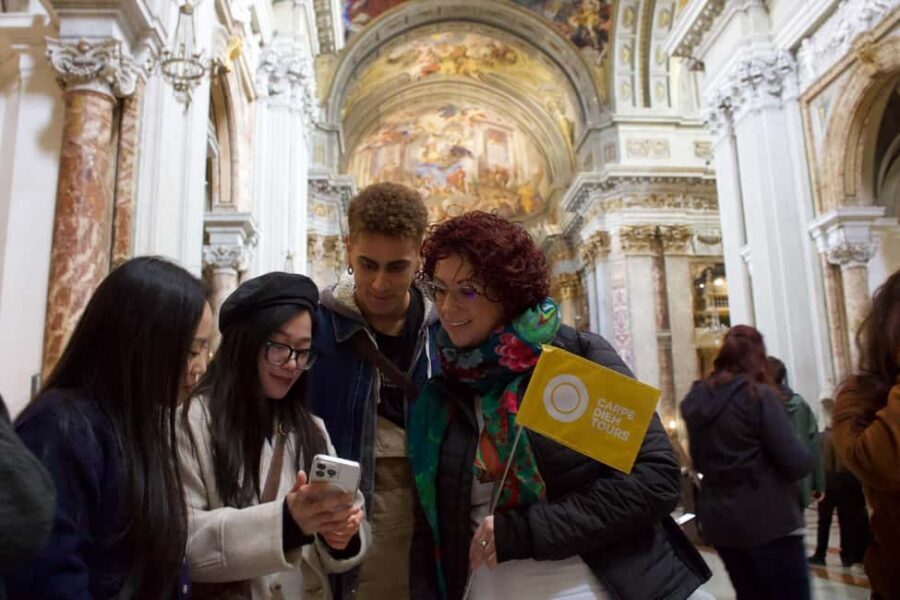
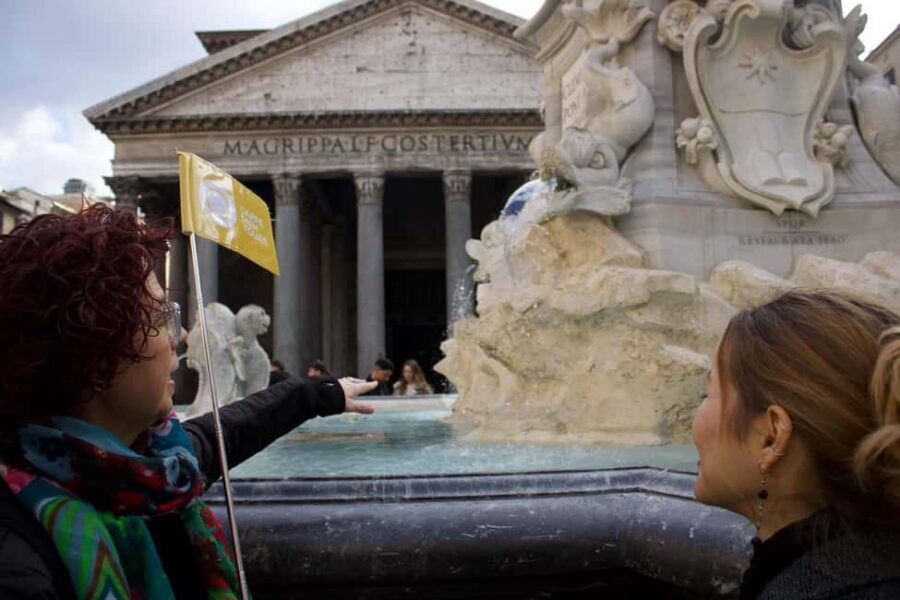
The tour then passes by the Pantheon for about 20 minutes. “Pass by” is the key phrase. You’ll get the chance to see it as part of your route, but you’re not being led through a long, inside-focused experience.
So for you, the decision is simple:
- If your goal is orientation and getting a feel for where the Pantheon sits in Rome’s web, this stop works.
- If your goal is a deeper experience inside the Pantheon, schedule that on another day.
This is also where your timing matters. You’ll be walking during daylight and moving through crowds, so expect to spend time repositioning, not just looking.
Ending around Piazza Navona (and optional Colosseum finish)
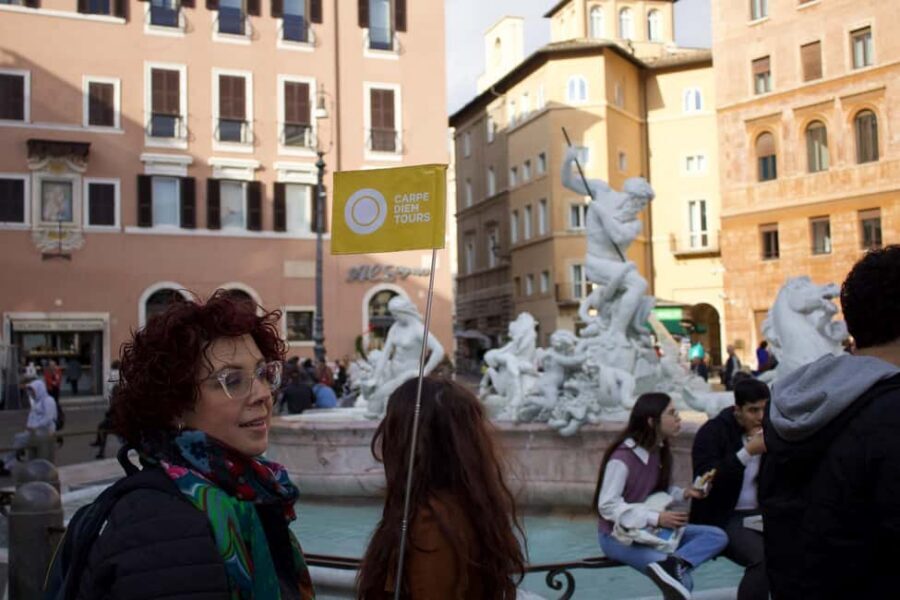
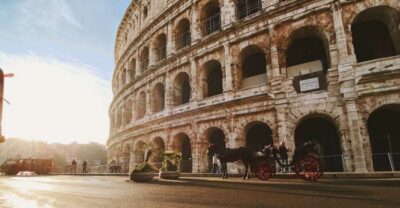
The tour ends with drop-off options listed as Piazza Navona (shown more than once, depending on the option) and Colosseum. In general, the activity is designed to bring you back into prime central areas rather than depositing you somewhere out of the way.
I like this structure because it matches how most people travel. You walk, you learn, and then—boom—you’re in the place where you can eat and continue exploring without another long transit step.
Also, Piazza Navona is where you’ll get the guide’s recommendations. This is the moment when you should ask your best practical questions, like:
- Where should we eat tonight that’s not just tourist food?
- What’s worth seeing nearby that’s easy to fit in?
- How do we plan our next day to avoid wasting time?
If you finish closer to Colosseum, you can use that as a launch point for evening wandering or a later guided visit. Either finish option keeps you in the thick of things.
What’s included, and what you’ll need to add yourself
You’re getting a local guide, plus Roman history, scenic spots, and recommendations. The tour also highlights the idea of quieter, meaningful stops along the way, not just a straight line between the biggest names.
You’re not getting:
- food and drinks
- hotel pickup/drop-off
That’s totally normal for a walking tour like this, and it’s part of why the price can stay reasonable. For you, the smart move is to plan a meal before you go—or treat Piazza Navona as your reward zone after.
Bring:
- comfortable shoes
- comfortable clothes
And if you tend to get cold or sunburned fast, dress accordingly. Two to two and a half hours in Rome means you’ll feel the weather.
Guide language and how to hear the story on crowded streets
This tour runs in Spanish or English. That matters more than you might think. When the guide can explain what you’re seeing clearly, you remember details later—and you walk faster because you know where you’re heading.
There’s also a strong practical signal from the way this tour is run: some guides use audio/headphones so their voice stays clear even when the street noise ramps up. If you’re sensitive to crowd noise or you’re traveling with someone who struggles to hear, this setup can be a game-changer.
If you’re wondering about guide style, look for a guide who tells stories with clear pacing. This tour’s format works best when the guide gives you context at each stop, not just dates.
If you have the option to make a guide request, names that have been praised for story-telling and accessible delivery include Dan, Domenica, Dinara, Vlad, and Polina. Requesting a specific guide isn’t always guaranteed, but it’s worth trying if your booking system allows it.
Who should book this walk—and who should choose something else
This tour is a great fit if you:
- want a first-day framework for Rome’s center
- like walking and want expert context without a heavy schedule
- prefer guided time at famous monuments instead of wandering blindly
- want a compact plan that ends near where you can eat
You might skip this one (or pair it with more targeted tours) if you:
- need long inside visits at major sites like the Pantheon
- want a food-focused experience with meals included
- dislike walking in crowds and prefer public transport for nearly everything
Should you book? My practical take
Yes, book it if you want a fast, readable introduction to Rome’s core sights and a guide who helps you connect the dots between the Roman past and the modern city. The value is strong for the price because you’re not just touring—you’re getting story context and end-of-walk recommendations in a central food area.
Book it especially early in your trip. You’ll use that knowledge the next day when you decide what’s worth your time and what’s not.
If you only have one short window and you want to see a lot with less planning stress, this walk is one of the easiest ways to start.
FAQ
FAQ
How long is the Rome walking tour?
It lasts about 2 to 2.5 hours.
How much does the tour cost?
The price is $28 per person.
What languages are available?
The live guide offers Spanish and English.
Where does the tour start?
It starts at one of two meeting points: Piazza d’Aracoeli or Piazza di Pasquino, depending on the option booked.
Where does the tour end?
The end is listed as back near the meeting point area, and the drop-off options include Piazza Navona and Colosseum depending on the option you choose.
What sights are included on the route?
You’ll have guided stops at Piazza Venezia, Trajan’s Column, Trevi Fountain, Galleria Sciarra, and Church of Sant’Ignazio di Loyola, plus a pass-by at the Pantheon.
Is food or drinks included?
No. Food and drinks are not included.
Is the tour private?
Yes, a private group option is available.
What should I bring?
Wear comfortable shoes and comfortable clothes.
Can I cancel for free?
Yes. There is free cancellation up to 24 hours in advance for a full refund.