REVIEW · CITY TOURS
Rome: City Highlights Walking Tour
Book on GetYourGuide →Operated by Guydeez Tours · Bookable on GetYourGuide
Rome has a talent for turning corners. This 2-hour walk stitches together big-name sights and the kind of Rome details you’d normally miss, starting with Trajan’s Market and the Forum-era remains at Mercati di Traiano, then rolling into stops like the Trevi Fountain and the Pantheon.
Two things I really like about this setup: you get time at major photo-and-story locations (not just passing by), and your guide keeps the route moving with practical context and legend—especially around the Trevi tradition. It’s also the sort of tour where you come away knowing what you’re seeing, not just where to point your camera.
One possible drawback: with a 2-hour schedule and lots of stops, you’ll have short, efficient time at each place. If you want to go inside the Pantheon, it may depend on timing on the day, so plan your expectations around a quick but guided visit.
In This Review
- Key Points to Know Before You Go
- Why This Walking Tour Works So Well in 2 Hours
- Where You Meet and How to Get Ready
- Trajan’s Market and Mercati di Traiano: The Past You Can Still Touch
- Trevi Fountain: The Coin Toss Is the Easy Part
- Pantheon: The Dome That Makes You Pause
- St. Ignatius of Loyola and Sant’Agnese in Agone: Churches With Serious Visual Payoff
- Piazza Navona and Fontana dei Quattro Fiumi: Where Baroque Gets Loud
- Quirinale Palace Glimpses: Seeing Power Without the Museum Ticket
- What the Guide Adds (And Why It Matters for Value)
- Price and Timing: Is $35 a Smart Deal?
- Who This Tour Is Best For
- Should You Book This Rome Walking Tour?
- FAQ
- How long is the Rome City Highlights Walking Tour?
- How much does the tour cost?
- Is this tour private or shared?
- What languages are offered?
- Where does the tour meet?
- Is the tour wheelchair accessible?
- What are the cancellation and payment options?
Key Points to Know Before You Go

- Trajan’s Market at Mercati di Traiano: hear the story behind the Forum of Trajan remains
- Trevi Fountain tradition: toss a coin and learn the legend and meaning behind it
- Pantheon focus: see the dome up close, with possible time to go inside if there’s room
- Church art that catches the eye: St. Ignatius of Loyola is a standout for painted ceilings
- Piazza Navona fountains: Fontana dei Quattro Fiumi and other Baroque views are the payoff
- Guide recommendations: you’ll get suggestions for what to do next in the city
Why This Walking Tour Works So Well in 2 Hours

The best part of this tour is that it doesn’t treat Rome like a checklist. It builds a mini-story: ancient power (Trajan’s complex), civic and religious Rome (Pantheon and churches), then the Baroque showpieces (Piazza Navona). You feel the city changing styles and politics as you walk.
At $35 per person, the value is mostly in the guide-led interpretation. You’re not paying for transportation or a ticketed museum crawl. You’re paying for someone to point out what matters, where to look, and what to notice quickly—then give you direction for the rest of your trip.
Also, it’s a live guided experience in multiple languages (English, Italian, French, Spanish). That matters in Rome, where the difference between seeing and understanding is often just a good explanation in the right moment.
You can also read our reviews of more walking tours in Rome


Where You Meet and How to Get Ready
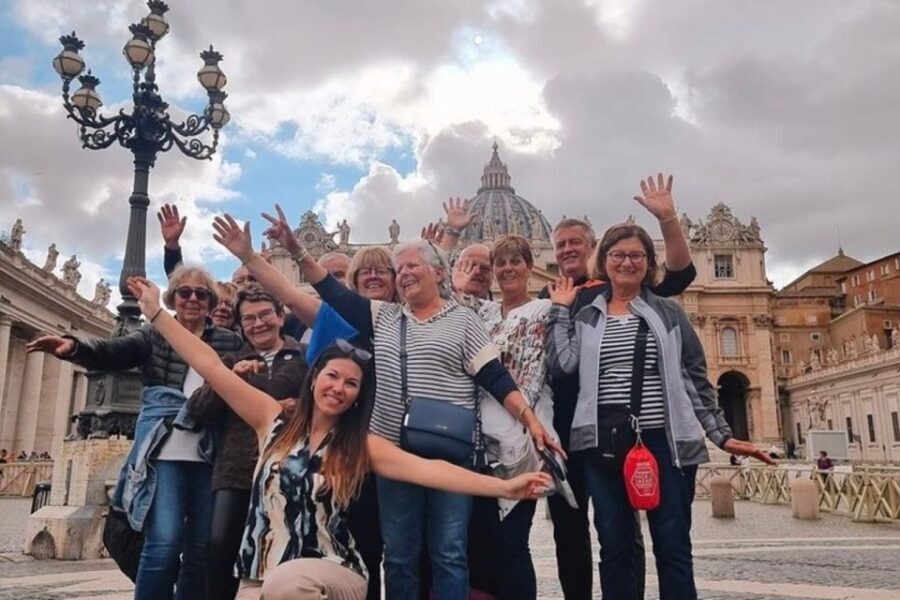
You meet your guide near Sim Paganini Tessuti Roma, and the tour starts from Via d’Aracoeli, 21–23. That’s a very central Rome setup, which helps you waste less time figuring out the first steps.
Practical tip: wear comfortable walking shoes. This is a city-walk with frequent short stops, and Rome streets can be uneven in places. The good news is the route is still listed as wheelchair accessible, so the operator is aiming to make it workable—just ask what to expect for your specific needs if you’re bringing a wheelchair or mobility aid.
If you’re doing this early in your trip, I think you’ll get more out of it. The route gives you the vocabulary to understand what you’ll see later—especially when you revisit icons like the Trevi Fountain or the Pantheon on your own.
Trajan’s Market and Mercati di Traiano: The Past You Can Still Touch
The tour starts by bringing you to the large historical complex of Trajan’s Market, at Mercati di Traiano. This is one of those Rome locations where the scale hits you fast, even when you’re just looking at remnants and structure rather than a perfectly restored building.
What I like here is the focus on how it relates to the Forum of Trajan. Your guide helps you connect the dots between ancient Rome’s civic life and the architecture around you. You’re not just seeing old stones—you’re learning what they were doing in their original setting.
A consideration: because time is limited, you won’t have the luxury of roaming. You’ll get guided highlights at a pace that suits the whole 2-hour plan. If you love archaeology and could spend hours at a site, treat this stop as a “first look with context,” then consider returning later on your own.
Trevi Fountain: The Coin Toss Is the Easy Part
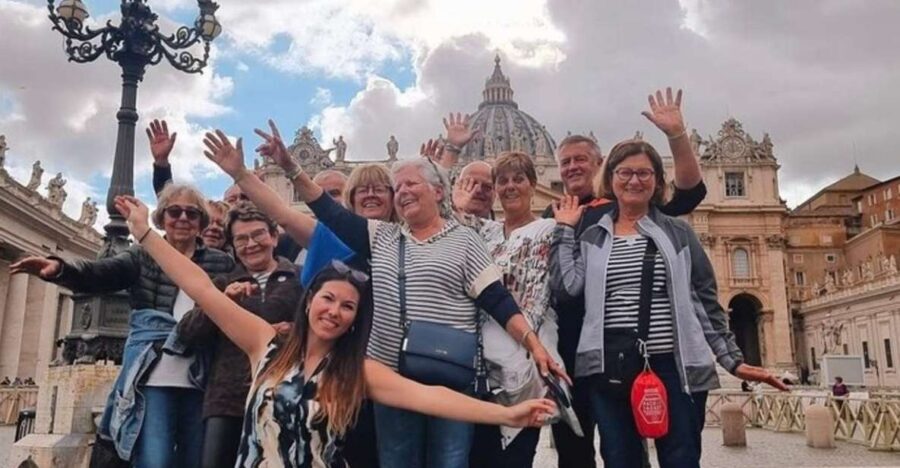
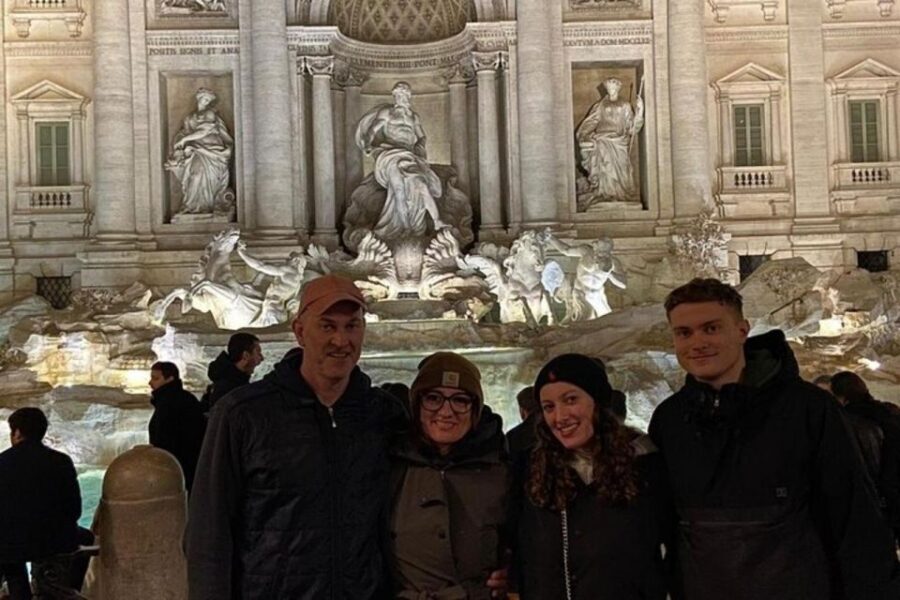
The Trevi Fountain is the obvious draw, but the real payoff is what happens around it. You’ll stop for photos, enjoy the guided storytelling, and then get the chance to take part in the tradition of tossing a coin into the water.
That tradition isn’t treated like a gimmick. Your guide frames it with legend and meaning, so you’re doing more than a tourist ritual—you’re joining a long-running story that people keep repeating for centuries. It’s a fun moment, and it also gives you a simple anchor for the rest of your tour.
Tip to make your time count: use your stop to look beyond the fountain’s front view. You’ll usually get better photos by shifting your angle slightly and watching how the architecture lines up with the water and statues. (Your guide can point out where the light and sightlines tend to work best.)
One timing note: Trevi is a place where the flow can be unpredictable. Since you’re on a guided schedule, it’s smartest to plan to follow the group’s rhythm rather than try to linger alone too long.
Pantheon: The Dome That Makes You Pause
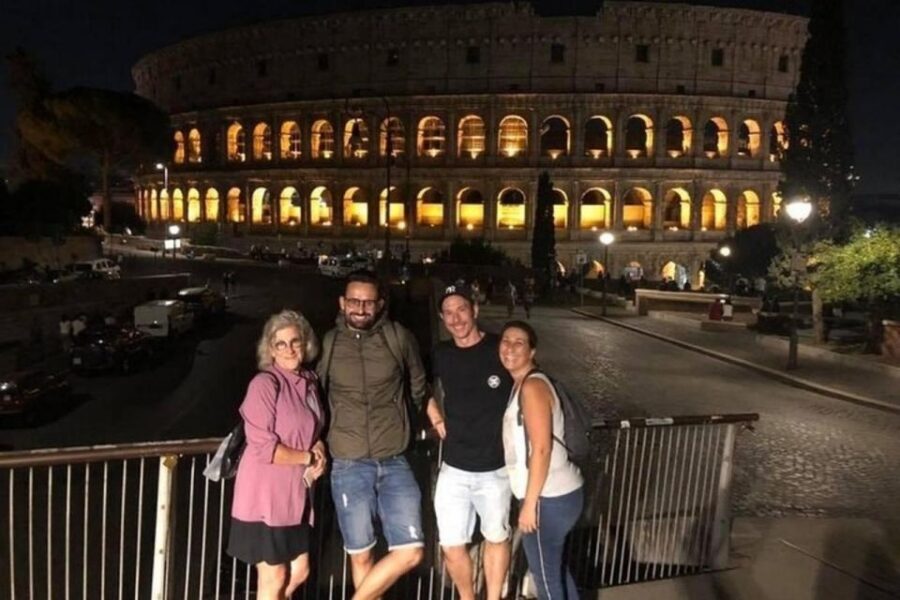
Then comes the Pantheon, the Roman temple known for ancient engineering and that famous dome. This stop works because it’s built into your route like a reward for the walking.
Your guide helps you understand what you’re seeing in plain terms—why the dome is so impressive, and why the building still stands as a major engineering achievement. If there’s time, you can even go inside to admire the grandeur of the interior.
Here’s the honest expectation to set: because the tour is only 2 hours, inside time may depend on what fits that day. Either way, you’ll get the guided meaning outside and the chance to make sense of the building fast.
If you’re the kind of traveler who loves scale and design, this is likely the moment you’ll remember. The Pantheon gives you that Rome feeling of how much got built with limited technology—and how those solutions became art.
You can also read our reviews of more city tours in Rome




St. Ignatius of Loyola and Sant’Agnese in Agone: Churches With Serious Visual Payoff
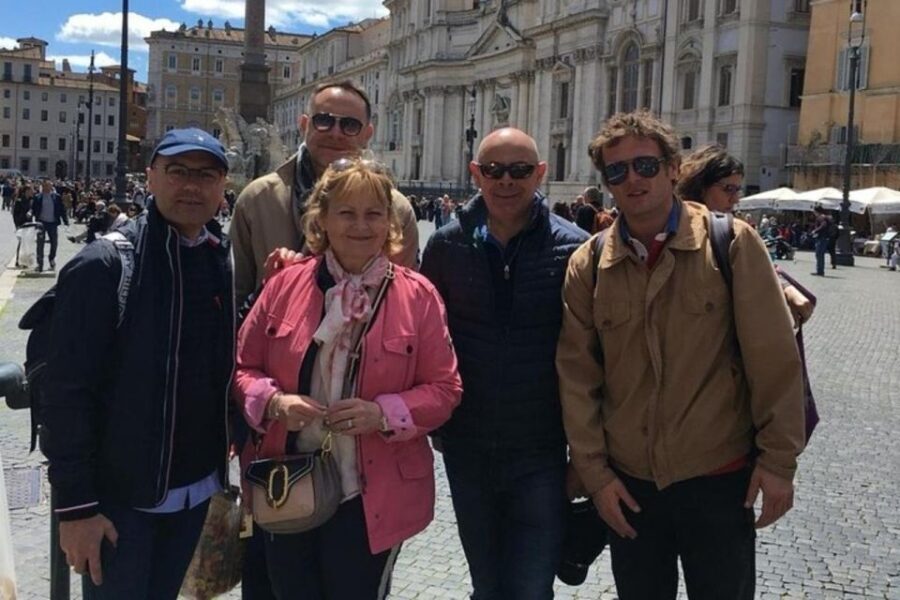
After the ancient engineering stop, the tour turns into art and atmosphere. First up is the Church of St. Ignatius of Loyola, where you can admire exquisite painted ceilings. This is the kind of detail that gets lost if you’re simply walking by.
Your guide’s job here is important. Painted ceilings can look beautiful but vague if you don’t know what to look for. With a guide, you’ll get a sense of what the artwork is trying to communicate and why it’s so influential.
The route also includes Sant’Agnese in Agone, where you’ll have a photo stop and guided sightseeing. Even without a long stay, it’s a good palate cleanser from the grand public squares and fountains—more intimate, more focused, and a little more human in scale.
If you’re deciding whether church stops are your thing, this tour is a strong option because the church content isn’t treated like a lecture. It’s tied to visible details, and your guide points out what’s worth pausing for.
Piazza Navona and Fontana dei Quattro Fiumi: Where Baroque Gets Loud

The final big visual payoff is Piazza Navona, with its Baroque fountains. This is where Rome leans into spectacle, and your guide makes sure you notice the fountain designs rather than just the biggest postcard image.
You’ll see the Baroque fountains around the square, including the renowned Fontana dei Quattro Fiumi. This fountain is famous for how it presents the theme of the four rivers, and it’s one of those places where the symbolism makes the art feel less random.
To enjoy it fully during a 2-hour tour, treat it like a “look-and-then-look-again” stop. First, take in the overall scene. Then, when you turn to specific details (figures, angles, how water flows), it feels like you’re reading a story rather than just watching water spray.
Also, because this is a walking tour, you’ll likely get glimpses of nearby landmarks as you approach. That context helps Piazza Navona feel like part of a bigger Rome pattern instead of a one-off stop.
Quirinale Palace Glimpses: Seeing Power Without the Museum Ticket
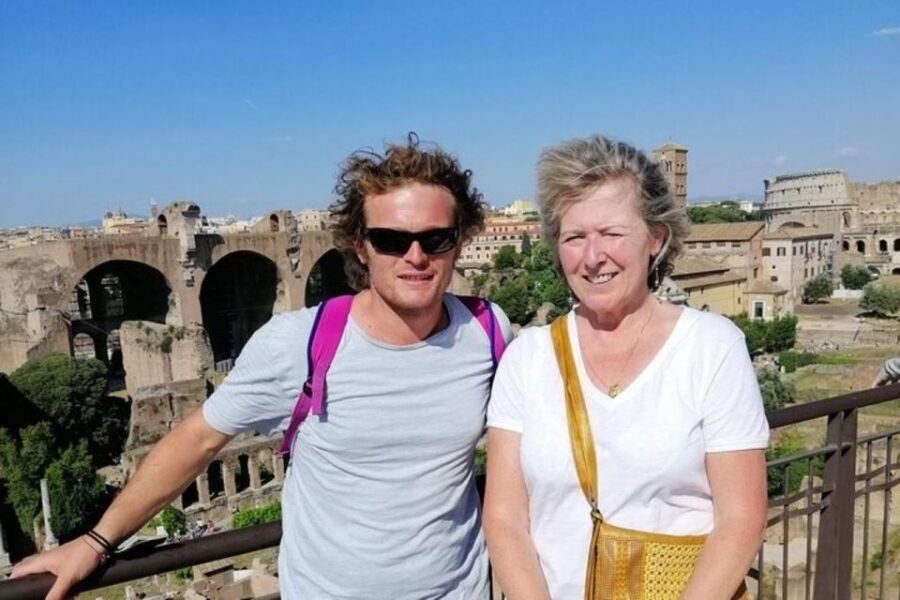
One of the quieter parts of the tour is the chance to catch glimpses of Quirinale Palace, the official residence of the President of the Italian Republic. You’re not there for an interior visit based on the tour description, but it still adds a layer.
I like this kind of stop because it reminds you that Rome isn’t only ancient. The city still runs on politics, administration, and modern power—just in historic buildings and urban spaces.
It also helps explain the route. When you understand where landmarks sit relative to each other, the walk feels less like random sightseeing and more like a crafted timeline.
What the Guide Adds (And Why It Matters for Value)
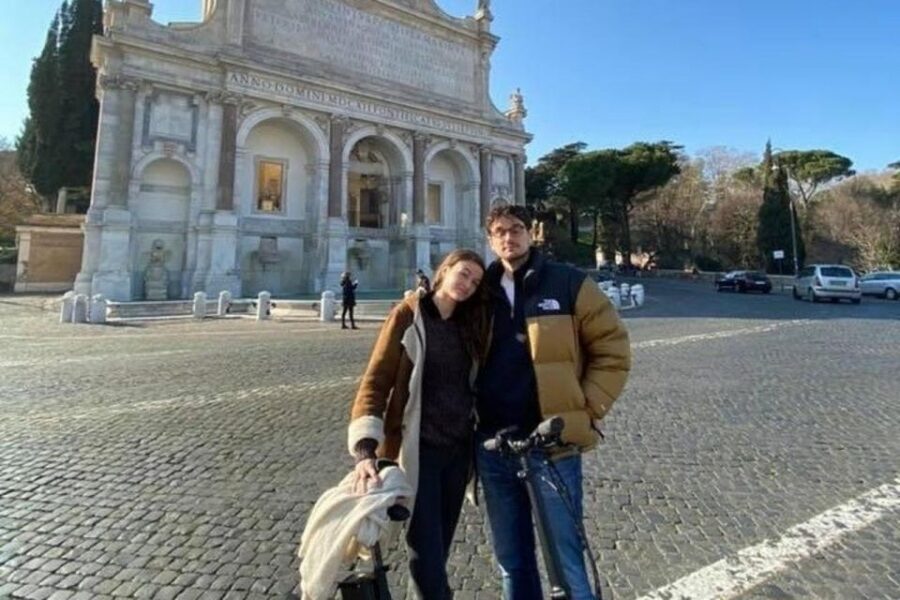
The tour includes a live guide, and the languages listed are English, Italian, French, and Spanish. That’s useful not only for comprehension, but also for pacing—your guide can tailor explanations to how your group responds.
The reviews also highlight guides who bring energy and flexibility. People have specifically praised guides like Michela and Cristina for passion about Roman history and for adapting to the needs of their group. That kind of adjustment matters more than it seems. A good guide can help you move smoothly through a tight schedule while still making sure you don’t miss the points that actually make the stops meaningful.
You’ll also get recommendations from your guide about other things to do in Rome. That’s a big deal for value because it turns your tour time into a plan for the rest of your trip, not just a 2-hour activity.
Price and Timing: Is $35 a Smart Deal?
At $35 per person for about 2 hours, this is priced like a focused city walking experience: guide time included, multiple major stops, and photo windows. The value is strongest if you want interpretation more than you want long self-guided wandering.
Think of it this way: you’re buying momentum plus context. For many people in Rome, that’s the difference between getting good photos and actually understanding what you’re photographing.
About timing: expect short stops across several landmarks. The Pantheon interior is described as conditional on time, and the route includes a lot of sites in one session. That’s normal for a compact highlights tour. If your travel style prefers deep, slow exploration of one museum-like place, you might find the pace a touch tight.
Who This Tour Is Best For
This walking tour is ideal if you:
- want a guided overview that connects ancient Rome to the Baroque era
- like photo stops but also want meaning behind the big sights
- appreciate church art explanations and want help noticing details
- are short on time and still want a thoughtful route
It may be less ideal if you:
- plan to spend hours at a single site
- need long quiet breaks without group pacing (the schedule is built for movement)
- want ticketed, long interior time at every stop
Should You Book This Rome Walking Tour?
I’d book it if you’re the type of traveler who likes to understand what you’re seeing while you’re seeing it. The route covers major classics—Trevi Fountain and the Pantheon—plus stops like Trajan’s Market at Mercati di Traiano and St. Ignatius of Loyola that help the day feel more complete than a basic highlights stroll.
Skip it if you’re looking for a slow, unhurried stroll where you can linger at one monument for a long time. This tour is built for smart coverage in a short window.
FAQ
How long is the Rome City Highlights Walking Tour?
It lasts about 2 hours.
How much does the tour cost?
The price is $35 per person.
Is this tour private or shared?
It offers private or shared options depending on what you select, and a private group is available.
What languages are offered?
The live guide is available in English, Italian, French, and Spanish.
Where does the tour meet?
Meet your guide near Sim Paganini Tessuti Roma, and the starting location is Via d’Aracoeli, 21–23.
Is the tour wheelchair accessible?
Yes, the tour is listed as wheelchair accessible.
What are the cancellation and payment options?
You can cancel up to 24 hours in advance for a full refund, and there is a reserve now & pay later option where you pay nothing today.