REVIEW · COLOSSEUM TOURS
Wheelchair Accessible Colosseum,Pantheon, Trevi & Rome Highlights
Book on Viator →Operated by Accessible Italy Tours · Bookable on Viator
Rome moves fast here.
This wheelchair-accessible highlights tour lines up the big-ticket sights in a smart order, starting with the Colosseum and then hitting the Forum right after—so you get context while your feet (and chair) are still fresh. I especially like the guide-led storytelling, with guides such as Tomaso, Francesco, Claudia, Donato, and Maria described as patient and willing to adjust explanations for people with mobility needs. I also like that the pace is flexible for your group, which matters when cobblestones and crowd flow can turn a simple photo stop into a long stop. One possible drawback: with a fixed 4-hour window, you’ll trade depth for variety—there are short sightseeing blocks, so it won’t feel like a slow, linger-at-every-corner kind of day.
In This Review
- Key things that make this tour worth your attention
- Meeting Point to Colosseum: A Smooth Start for Mobility Needs
- Entering the Colosseum the Right Way: Big Stories, Managed Timing
- Roman Forum After the Arena: Reading Ruins Like a City Plan
- Quick Photo Stops with Real Meaning: Il Vittoriano and Quirinal Palace Views
- Trevi Fountain to Piazza Navona: Iconic Stops Without the Guesswork
- Pantheon Time: One Last Giant Name, Better With a Guide
- Why the Included Tickets and Reservation Matter
- Pacing, Group Size, and the Private Tour Feel
- Accessibility Reality Check: What’s Great, What You Should Plan For
- Price and Value: What You’re Really Buying
- Who This Tour Suits Best
- Should You Book This Wheelchair-Accessible Rome Highlights Tour?
- FAQ
- How long is the Rome highlights tour?
- Is this tour wheelchair accessible?
- What sights are included?
- Are tickets included?
- Is transportation included?
- What language is the tour offered in?
- What do I need to bring for entry to the Colosseum and Roman Forum?
Key things that make this tour worth your attention
- Wheelchair-friendly Colosseum route with an on-the-ground guide to keep things workable
- Skip-the-stress pacing: you get a guided flow rather than figuring out how to move between monuments
- Roman Forum logic: learn what the ruins were for before you wander
- Iconic Rome stops: Trevi Fountain, Piazza Navona, and the Pantheon area in one pass
- Real guide care shown in how explanations are adapted for wheelchair users and mobility limits
- Tickets handled for the big one: Colosseum admission and reservation are included
Meeting Point to Colosseum: A Smooth Start for Mobility Needs
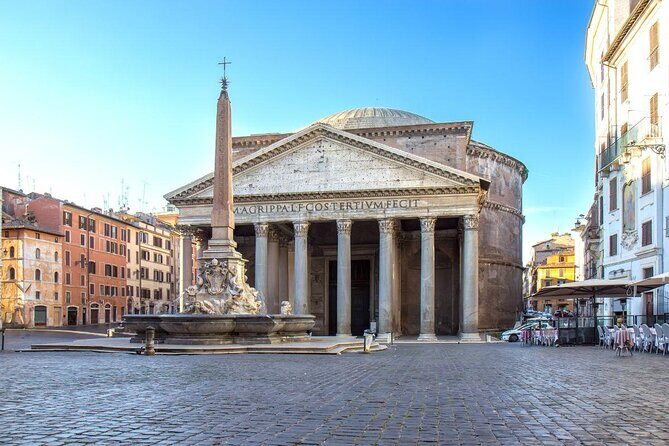
Your tour begins at P.za del Colosseo, 23, near public transportation, and it ends around Piazza della Rotonda, 11. That matters more than it sounds: you’re not doing a backtrack through Rome’s busiest areas, and you’re moving downhill and between major sites in a planned sequence.
The big accessibility win is that the itinerary is built around a wheelchair-accessible route in the Colosseum. In practice, this means the tour isn’t just “accessible in theory.” You’re meeting your guide at the right moment and then being steered through the easiest-feeling path the monuments allow.
You can also read our reviews of more tours and experiences in Rome.



Entering the Colosseum the Right Way: Big Stories, Managed Timing
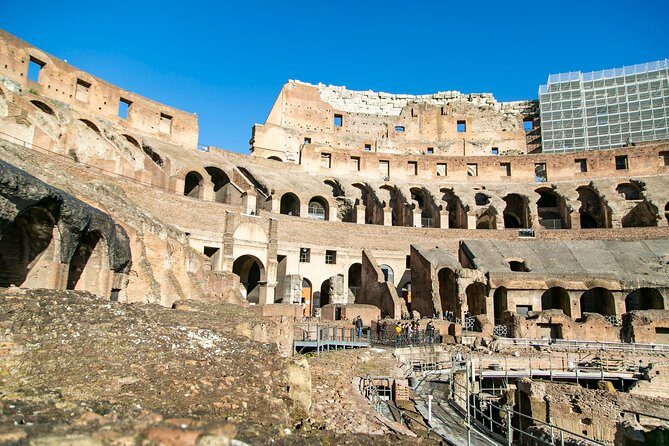
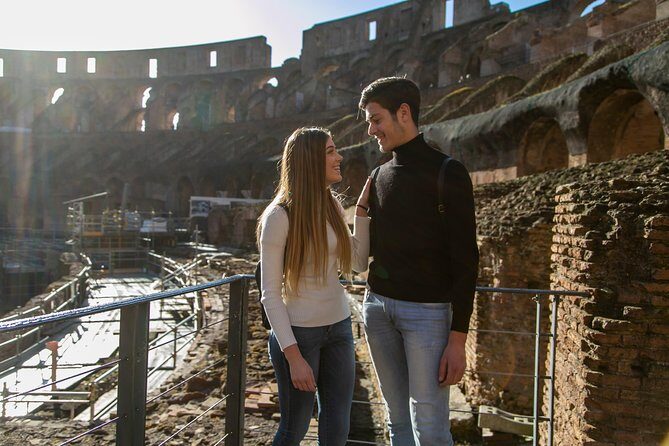
The Colosseum stop runs about one hour, and the admission ticket is included, plus the reservation fee (both specifically covered). That removes a common headache: long waits and last-minute sorting out entry details while your group is already tired.
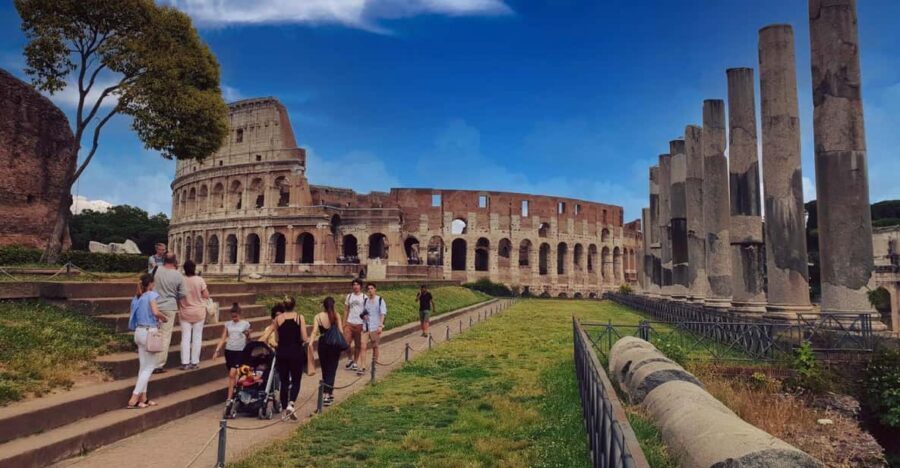
What makes the Colosseum portion work is the guide’s approach. You don’t just get a facts list. You hear how this place was built and why it was so central to Roman spectacle—then you’re guided through the stories behind the violence staged there. The payoff is that the building stops being just a dramatic ruin and starts behaving like a real machine: entrances, spaces, and crowd movement all start to make sense.
A practical note: even with wheelchair planning, Rome’s ground can still be rough. One common heads-up from mobility experiences is that the route between spots can be tough if you use a rollerator or similar support because of cobblestones. Your guide can’t erase the street surface, but they can help with pacing, regrouping, and choosing when to stop.
Roman Forum After the Arena: Reading Ruins Like a City Plan
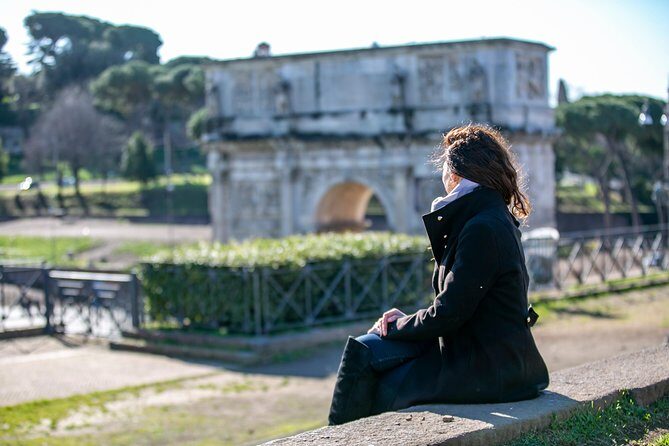
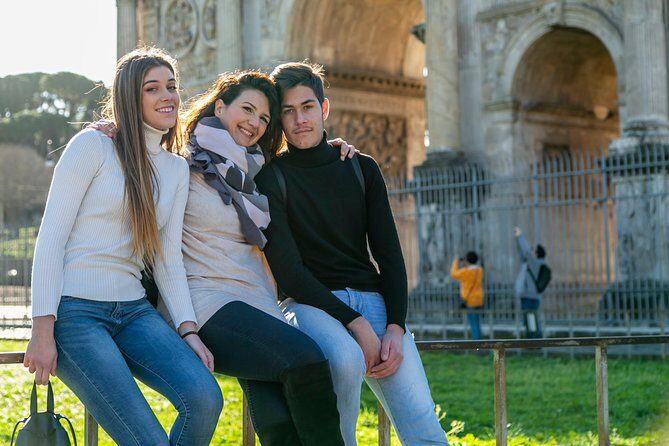
Right after the Colosseum, you’ll walk a short distance to the Arch of Constantine and the Roman Forum area. This stop also runs about one hour, with admission ticket included. Timing here is smart: the Forum is easier to understand when your brain is still in ancient “how this worked” mode.
In the Forum, you’ll see major landmarks and hear what they were used for: the Temple of Julius Caesar, the Arch of Titus, the House of the Vestal Virgins, the Senate House, and the Basilica of Maxentius, among other remains. The real value is that you learn the Forum was the city’s hub—religion, politics, and commerce stacked in one place. Walking among ruins without that “what this was for” framing can feel random. With a guide, it becomes a map.
Quick Photo Stops with Real Meaning: Il Vittoriano and Quirinal Palace Views
After the Forum, the tour shifts to easier sightseeing moments. You’ll see Il Vittoriano, the neoclassical monument built in 1885 in honor of King Victor Emmanuel II. Locals nickname it the Wedding Cake, and when you’re standing nearby, it’s easy to see why: it’s tall, pale, and almost stubbornly dramatic compared to the older Roman stone around it.
You’ll also spot the Quirinal Palace, the official residence of the Italian President, located nearby. This is one of those stops that might seem like just “another building,” but it helps you understand Rome as a living capital. You’re not only looking at ancient power—you’re seeing how modern Italy displays authority in marble and symmetry.
Trevi Fountain to Piazza Navona: Iconic Stops Without the Guesswork
Next up is Trevi Fountain. You get about 30 minutes, and there’s no admission ticket fee listed for this stop. Trevi is famous for a reason, but the real advantage here is having a guide keep the day moving so you’re not stuck wandering while the crowd density rises.
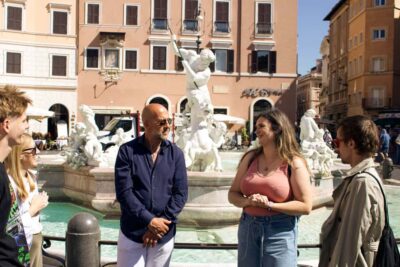
From Trevi, you’ll head toward the Spanish Steps area (it’s mentioned as the next famous spot), and then continue to Piazza Navona for about 20 minutes. Piazza Navona is another set-piece square with major fountains, and it’s the kind of place where Rome feels like a stage. You can plan it as quick photos plus a short pause to absorb the geometry and soundscape before the day shifts again.



Pantheon Time: One Last Giant Name, Better With a Guide
The tour then includes Pantheon with about 30 minutes, and it’s followed by time around Piazza Della Rotonda. Admission is listed as free for these blocks, which can make the schedule feel more flexible than a tour that keeps adding paid entries.
The Pantheon works best when you don’t treat it like a standalone postcard. Even in a short time block, a guide can connect it to what you’ve just learned about Roman engineering and civic life. You’re still seeing a legend, but now you’re seeing it with working context.
If your group includes wheelchair users or mobility limitations, this part often turns into a gentle rhythm: settle, take in the scale, then move on before fatigue hits. It’s also a good spot for slower camera moments—wide angle for the building, then a step back to catch the details.
Why the Included Tickets and Reservation Matter
This is one of those tours where the “price includes a ticket” piece is not just fine print—it changes the value. You’re paying $431.35 per person, and the Colosseum admission ticket plus the reservation fee are included (listed as €18 and €2 in value). That means more of what you pay goes toward guide time and coordination, not just entry paperwork.
The remaining cost covers other services, and that’s where tours like this earn their keep: you’re getting an expert-led sequence and a group-specific pace. If you’ve ever tried to put together a Rome highlights day on your own with mobility constraints, you know the real friction isn’t just distance—it’s timing, entry windows, and crowd flow.
Also, no private transportation is included. That’s typical for Rome city-center sightseeing, but it matters if your group hoped for a car/van between sites. Here, the movement is handled on foot with a guide’s routing and timing.
Pacing, Group Size, and the Private Tour Feel

This is listed as a private tour/activity, meaning only your group participates. That’s a big deal when you’re dealing with chairs, walkers, or just people who need a slower rhythm. You’re not stuck with a “tour speed” that assumes everyone can keep a constant pace.
The itinerary also suggests you can customize the pace and route for mobility needs. That’s not a small promise. In Rome, the difference between a good day and a stressful one often comes down to the ability to stop when you need to, not when the schedule forces you.
Your duration is about 4 hours, which is enough to hit the top names—yet short enough that you won’t get stranded for half a day in queues. For many visitors, that feels like the sweet spot: a highlight loop with guidance, not a marathon.
Accessibility Reality Check: What’s Great, What You Should Plan For
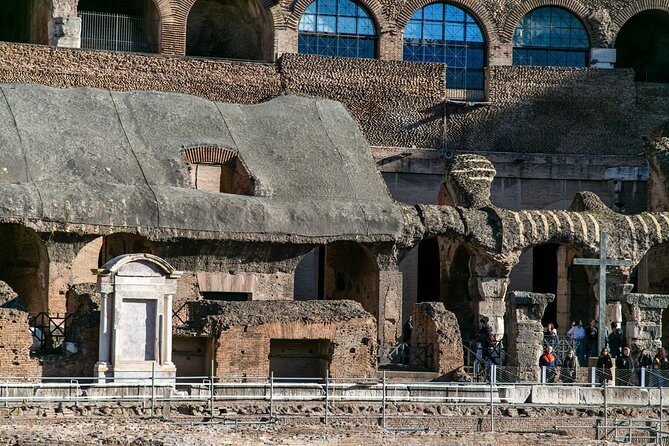
The Colosseum has a wheelchair-friendly route, and the guide is there to help make it workable. That’s the headline. Where the world still pushes back is the street environment: cobblestones and uneven surfaces can be tough even with careful routing.
If you’re using a wheelchair, I’d plan for breaks, and I’d bring a little extra patience for curb cuts and surface transitions. If you’re using a rollerator, plan for moments where you’ll need a steadier approach and a slower crossing rhythm. The good news is that guides described in this tour style are very focused on making explanations clear and keeping mobility needs in mind—not just moving people from stop to stop.
One more practical detail: you must provide full names of all travelers at booking, and those names must match the ID or passport shown at the Colosseum and Roman Forum ticket area. If that mismatch happens, entry can be denied. So if your family has nicknames or mixed spellings on documents, sort that out before the day arrives.
Price and Value: What You’re Really Buying
At $431.35 per person, this isn’t the cheapest way to see Rome’s highlights. The value comes from the combination:
- A professional art historian guide
- Private, group-only touring
- Ticket and reservation coverage for the Colosseum
- A structured route that’s built for wheelchair accessibility
If you’re visiting with someone who has mobility limits, that last point often carries the biggest weight. A self-guided day might cost less on paper, but it can cost more in stress, wasted time, and wrong turns. Here, you’re paying for the day to make sense—and for someone to adapt the flow.
If you’re traveling solo with zero accessibility needs, you might find cheaper group tours. But if you care about smooth movement and thoughtful guidance, this pricing starts to feel more reasonable fast.
Who This Tour Suits Best
This tour is a strong fit for:
- Wheelchair users and families navigating mobility needs
- People who want high-impact landmarks with clear explanations
- Groups that benefit from a guide controlling pacing and crowd movement
- Visitors who want a one-day Rome highlights loop without planning entry pieces
It may feel less ideal if your group wants lots of free time at each site. The tour is efficient: you’ll see the big monuments, but not every side chapel detail or every street off the route.
Should You Book This Wheelchair-Accessible Rome Highlights Tour?
I’d book it if you want Rome’s top monuments with a plan that respects mobility needs. The guide-led approach—especially the way explanations can be adjusted for wheelchair users—turns these sites into something you can actually process, not just rush past.
I’d think twice if your group hates structured sightseeing and wants long, slow hangs at each stop. With 4 hours, you’re there to see a lot, learn the key ideas, and keep moving.
If you’re traveling with mobility limits, this one feels like a smarter use of your time—and a cleaner way to make the Colosseum and Forum day work.
FAQ
How long is the Rome highlights tour?
It’s about 4 hours (approx.).
Is this tour wheelchair accessible?
Yes. It’s described as a wheelchair-accessible itinerary, including a wheelchair-friendly route in the Colosseum.
What sights are included?
You’ll visit the Colosseum, Roman Forum, see Il Vittoriano and Quirinal Palace nearby, then go to Trevi Fountain, Piazza Navona, and the Pantheon area (ending near Piazza della Rotonda).
Are tickets included?
Admission for the Colosseum is included, along with the Colosseum reservation fee. Entry for Roman Forum is also listed as included. For other stops (Trevi Fountain, Piazza Navona, Pantheon area), the admission ticket is listed as free.
Is transportation included?
No. Private transportation is not included.
What language is the tour offered in?
The tour is offered in English.
What do I need to bring for entry to the Colosseum and Roman Forum?
You’ll need a valid passport or ID document matching the full names provided at booking. If the voucher names don’t match what’s presented at the ticket office, entry may be denied.