REVIEW · COOKING CLASSES
Private Walking Tour of Rome and a Cooking Class
Book on Viator →Operated by Sublime Tours · Bookable on Viator
Rome feels bigger when you walk it.
This combo tour is interesting because you get a private highlight walk through classic Roman set pieces, then you switch gears and cook an Italian meal from scratch with real guidance. I like that the route is designed to check off major sights without feeling like a rushed checklist, and I especially like the hands-on cooking part plus recipe handoff so the experience follows you home. One thing to consider: you’ll be on your feet for about 4 hours, so plan for walking time and Rome’s heat.
What you’re really buying here is time with a good guide plus a kitchen moment you can’t get from a typical tour bus. The walking portion links places that are close enough to make sense together, and the cooking portion gives you personal attention while you make pasta and build a full meal. The only drawback I’d flag is that while pasta is always included, the other courses can vary by season and what the restaurant has that day.
In This Review
- Key things I’d focus on before you book
- Piazza Barberini Start: Getting Oriented Without Feeling Like a Ticket Line
- Spanish Steps and the Piazza Barberini Area: Classic Rome With a Living-Map Feeling
- Trevi Fountain to Piazza di Pietra: Big Set Pieces, Kept Manageable
- The Pantheon + Santa Maria Sopra Minerva Combo: Ancient Planning You Can Still Use
- Piazza Navona and Campo de’ Fiori: Rome at Street Level, Not Just Monument Level
- From Sidewalk to Stove: How the Cooking Class Actually Builds Skill
- Lunch or Dinner You Cook: What’s Included and How to Plan Around It
- Recipes Sent After the Tour: The Best Souvenir Isn’t a Magnet
- Price at $167.59: Does This Combo Actually Deliver Value?
- Who Should Book This (and Who Might Not)?
- Should You Book This Private Walking Tour and Cooking Class?
- FAQ
- How long is the Private Walking Tour of Rome and Cooking Class?
- Where does the tour start and end?
- What language is the tour offered in?
- Is this a private tour?
- What is included in the cooking class menu?
- Are drinks included?
- Can the tour accommodate dietary restrictions?
Key things I’d focus on before you book
- Private walking routing that strings together famous stops without wasting time
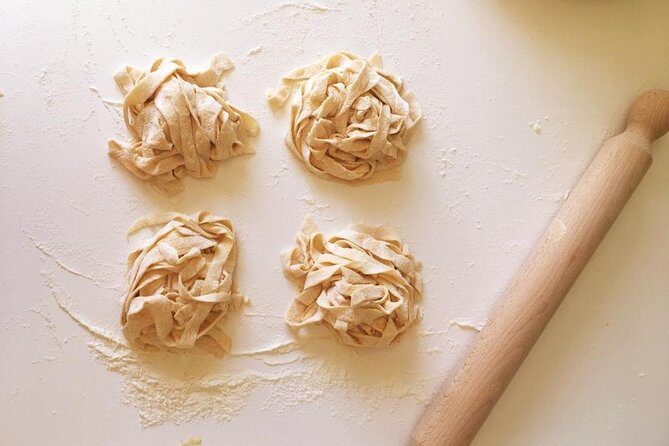
- Hands-on pasta making with sauce choices and kitchen coaching
- A real meal you eat (not just samples), with wine/beer or a soft drink
- Seasonal menus (pasta stays, other courses may swap)
- Recipes sent after the tour so you can recreate it later
- A guide who adapts—including pacing breaks and suggestions beyond the main stops
Piazza Barberini Start: Getting Oriented Without Feeling Like a Ticket Line
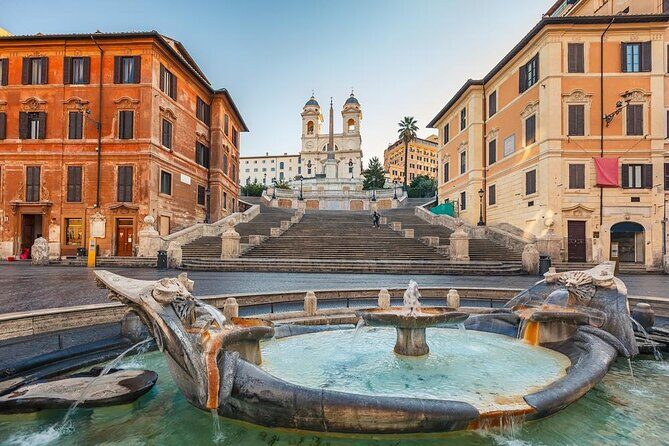
The tour kicks off in Piazza Barberini, and that matters more than you might think. Starting here puts you in the heart of central Rome, so the rest of the walk feels like it flows naturally toward the landmarks most first-time visitors want—especially if you’re trying to see a lot in a half day.
Right at the start, your guide gives you a quick orientation so you’re not just collecting photos. Then you’ll move through the city at a pace that balances explanation with actual walking time. One practical highlight from past guests: the guide has made smart shade stops when the heat was intense, and has helped people cool down without scrapping the plan. That kind of flexibility turns a sightseeing day into something that feels comfortable and human.
You’ll also be on a private setup, meaning it’s not a shuffle of dozens of people competing for space. It’s just your group, so questions feel welcome and the timing stays steadier. If you’re visiting in a busy season, this “small group energy” is a big part of the value.
You can also read our reviews of more walking tours in Rome
Spanish Steps and the Piazza Barberini Area: Classic Rome With a Living-Map Feeling
Your walk quickly moves into the Spanish Steps area, one of those places where Rome looks staged—but it’s absolutely real. The Spanish Steps aren’t just a landmark; they’re a social stage. You’ll see the views and scale, but more importantly you’ll get context so you understand what you’re looking at beyond postcard framing.
From a practical standpoint, this stop works because it’s early in the route. You’re not already tired from hours of walking, and you can take your time to notice details: the way streets funnel up toward the steps, the way the area functions as a meeting point, and how the city’s geometry shapes movement.
If your goal is to get your bearings fast, this is a strong first-third of the tour. I like it because it gives you a mental map you can use later while you wander on your own. And if your group includes kids, this is often the kind of stop that helps everyone stay interested without needing a long lecture.
Trevi Fountain to Piazza di Pietra: Big Set Pieces, Kept Manageable
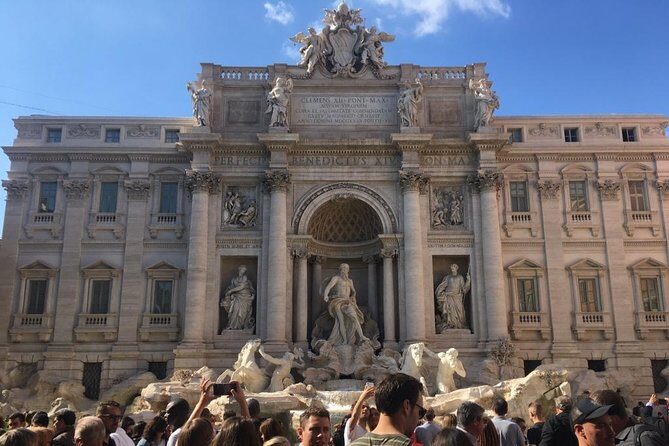
Next comes Fontana di Trevi, then Piazza Di Pietra—two stops that usually come with massive crowds when you attempt them solo. The private pacing here is the key: you’re not trying to “win” at prime viewing time. Instead, you’re walking through the area as part of a guided route with explanations that give meaning to what might otherwise feel like a pile of tourists around a famous fountain.
Trevi is famous for a reason, but I find it easier to enjoy when I know what I’m seeing—what the fountain represents and why it became such a focal point. This tour is set up so you don’t just pass it; you take it in properly, with the guide pointing out what to notice.
Then you’ll shift to Piazza Di Pietra, which helps break the intensity of Trevi. It’s a nice “breather” stop where the day still feels Roman, but you can reset your eyes and attention. Think of it as moving from one must-see monument to the next, with just enough breathing room to keep the experience enjoyable rather than exhausting.
The Pantheon + Santa Maria Sopra Minerva Combo: Ancient Planning You Can Still Use
One of the best parts of this tour is that it lands at the Pantheon, one of Rome’s most enduring architectural wonders. The Pantheon is the kind of place where the first reaction is usually awe, but the second reaction—if you have context—is understanding. You’ll get guided explanations that help you see why the structure works so well, and why people still talk about it centuries later.
After that, you’ll visit Chiesa Di Santa Maria Sopra Minerva. This is a good counterbalance: while the Pantheon grabs your attention with pure scale, the church helps you slow down and look more closely. It’s also a practical move in the route because it bridges you into the next areas while keeping the day’s momentum.
A smart detail in this pacing: the tour is structured so you’re not jumping randomly across Rome. You’re moving along a sensible corridor of sights, which helps you feel like you understand the city instead of just getting dropped at famous spots.
And because the tour ends near the Pantheon, you leave having anchored your day in one of the most useful “reference points” in central Rome.
Piazza Navona and Campo de’ Fiori: Rome at Street Level, Not Just Monument Level
After you’ve checked off major monuments, the walk shifts into a more relaxed, street-focused rhythm with Piazza Navona and Campo de’ Fiori. These spaces are famous, sure, but the difference is that they feel lived-in. You’re not only looking up at structures—you’re watching how people move, gather, and spend time.
Piazza Navona is the kind of place where the space itself tells a story. The shape, the energy, and the surrounding facades make it easy to feel how Rome plays with design. Even if you’ve seen pictures, it’s the in-person scale and the way the square holds attention that make it click.
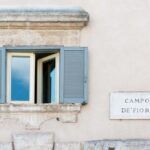
Campo de’ Fiori adds a different mood. It’s practical for a sightseeing day because it gives you a “pause-and-reset” segment. I like this because it turns the tour into something you can enjoy even if you’re not the type who reads every plaque. If you want something that feels more like real Rome than a museum corridor, these stops deliver.
You can also read our reviews of more private tours in Rome

From Sidewalk to Stove: How the Cooking Class Actually Builds Skill
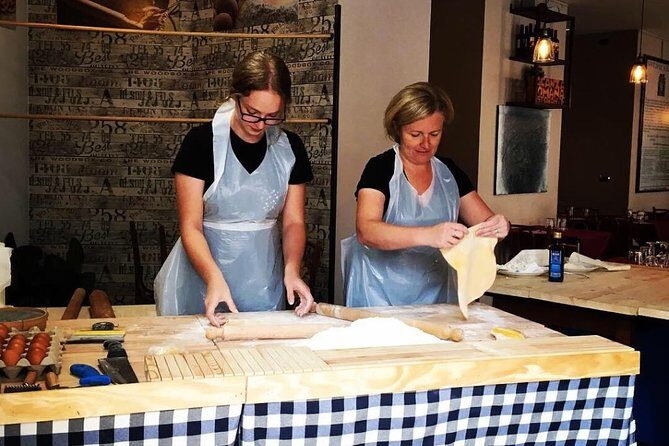
The tour transitions from walking to a nearby local restaurant, where you’ll create authentic dishes from scratch. This is the heart of the day: you’re not just tasting, you’re learning how the components come together—especially the pasta element.
Here’s what you can expect based on the menu structure:
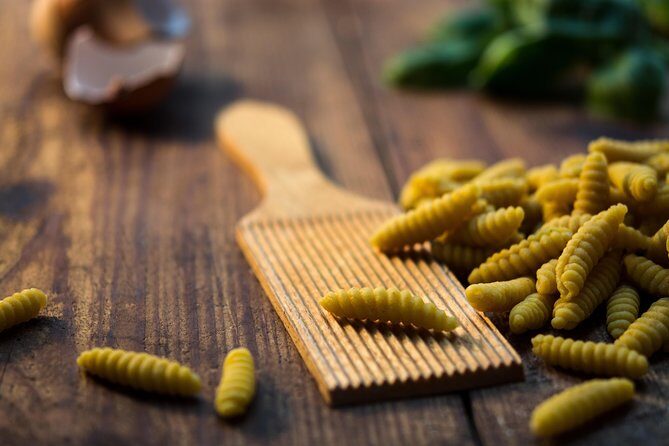
- There’s always a pasta dish included (choices can include fettuccine, gnocchi, or scialatielli, depending on what the restaurant is doing)
- You’ll also choose from a sauce option for the pasta dish you make
- The class includes a starter and dessert, with seasonal flexibility
One menu detail that’s worth flagging: you may start with a Jewish style artichoke or a Caprese salad, depending on what’s available. Then the main can include gnocchi with pork-cheeks, artichokes, and pecorino cheese. Dessert may be tiramisu or ciambelline (crispy donuts) al vino rosso.
The practical value here is that this cooking class doesn’t just show you the final plate. It helps you understand basic flow—prep, cooking, and assembly—so when you get home, you’re not recreating a mystery. You’ll also get plenty of personalized attention, which matters if you’re cooking with kids, cooking for the first time, or just want explanations that make sense.
Lunch or Dinner You Cook: What’s Included and How to Plan Around It
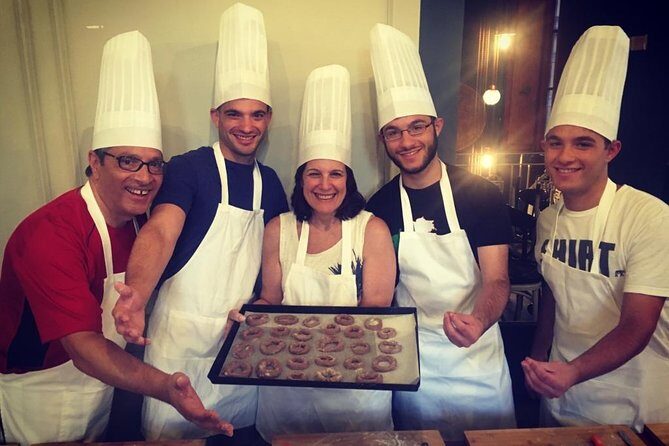
After the cooking work, you eat what you made—either lunch or dinner depending on the tour schedule you select. The sample menu shows the same structure for both meal times: a starter (like Jewish style artichoke or Caprese), a gnocchi main with pork-cheeks and pecorino, plus ciambelline al vino rosso.
You’ll also get a drink: a glass of wine, beer, or a soft drink. It’s a nice touch because it turns the meal into a full experience rather than a quick bite between sightseeing stops.
Two planning tips I’d give you:
- Plan your earlier day with lighter food so you’re actually hungry by the time you cook.
- If you’re sensitive to dietary needs, request accommodations ahead of time. The tour notes special menus are available on request (like gluten-free, dairy-free, vegetarian, etc.), but it’s still best to communicate clearly so the restaurant can plan.
And because ingredients are seasonally fresh, expect that parts of the menu may change. The good news: pasta is always part of the plan, and the core “learn to make Italian dishes” goal stays consistent.
Recipes Sent After the Tour: The Best Souvenir Isn’t a Magnet
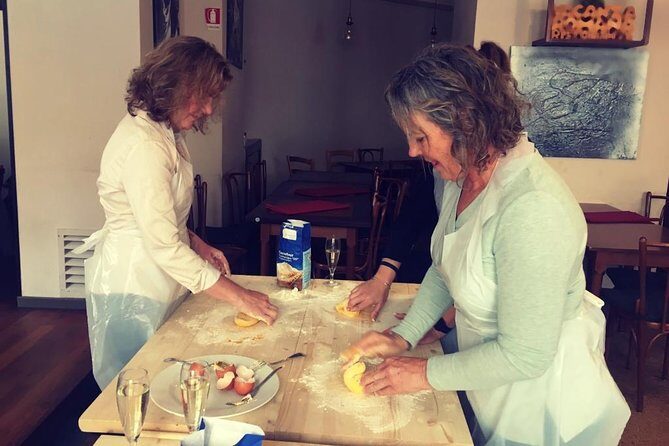
The tour includes recipes for the dishes, sent after the experience. This matters because the real souvenir here is your ability to recreate at least part of the meal at home.
I love this approach because it bridges two travel styles:
- On the street, you get Rome context and famous sights
- In your kitchen, you get a Rome-flavored skill and flavor memory
Also, since the menu can shift based on season, having recipe guidance helps you match what you cooked rather than guessing. And even if the exact starter or dessert differs, you’ll still come away with a method you can repeat.
If you’ve ever cooked something at home and thought, I nailed it on vacation but can’t replicate it, this kind of recipe follow-up is the fix.
Price at $167.59: Does This Combo Actually Deliver Value?
At $167.59 per person for about 4 hours, this isn’t the cheapest way to see central Rome. But it’s also not just a guided walk with a snack at the end.
You’re paying for:
- A private walking tour with explanations at multiple major stops
- A private cooking class (including you making dishes from scratch)
- The meal you eat (lunch or dinner structure)
- Alcoholic beverages or a soft drink
- Recipes after the tour
When I evaluate value for experiences like this, I look for “what would I have to book separately?” If you tried to combine a private city guide + a hands-on cooking lesson + a real meal on your own, you’d usually end up piecing it together with higher total cost and less coordination. Here, everything is bundled into one guided half-day.
Also, it’s offered in English, and the tour runs as a private activity, meaning you’re not paying for other people’s pacing. If your time in Rome is limited, a combo format is often the most efficient use of your hours—and it avoids the common “I saw things but learned nothing” problem.
Who Should Book This (and Who Might Not)?
I think this tour fits best if you want two different kinds of Rome in one day: famous sights on foot plus a cooking session that gives you something practical to do.
It’s especially good for:
- Families who want kids engaged by both the walking story and the cooking action
- Couples who want a date-day mix of sightseeing and a shared “make and eat” moment
- First-timers who want to get oriented fast with a guide
- Food-minded visitors who like learning methods, not just tasting plates
It may not be ideal if:
- You dislike walking for a few hours (Rome is walk-first)
- You’re hoping for a purely museum-style day with minimal physical activity
- Your expectations are for the exact same menu every time (seasonal ingredients can change course specifics)
The good part is the tour notes special menus are available on request, so if you have a dietary constraint, it’s worth asking early.
Should You Book This Private Walking Tour and Cooking Class?
I’d book it if you’re looking for a half-day plan that does more than point. You’ll get a guided route through iconic Rome—Spanish Steps, Trevi Fountain, the Pantheon, and more—then you’ll end in a local restaurant making and eating real Italian dishes you can repeat later with provided recipes.
The biggest decision factor is how you feel about mixing sightseeing with hands-on cooking. If that sounds like your kind of travel day, this combo is a strong value. And if you’re the kind of traveler who likes good pacing—shade breaks, smart stops, and a guide who can tailor the experience—this one is built for that style.
If you’re on a time crunch, it’s a solid first-half-day choice. If you’re still deciding between a cooking class and a walking tour, this lets you get both without doubling your planning.
FAQ
How long is the Private Walking Tour of Rome and Cooking Class?
The experience is approximately 4 hours.
Where does the tour start and end?
It starts at Piazza Barberini and ends near Via del Pantheon, close to the Pantheon.
What language is the tour offered in?
The tour is offered in English.
Is this a private tour?
Yes. It’s a private activity, and only your group participates.
What is included in the cooking class menu?
The starter, main pasta dish (always included), and dessert are part of the meal. Specific items can vary by season, with examples including Jewish style artichoke or Caprese salad, gnocchi with pork-cheeks, and tiramisu or ciambelline.
Are drinks included?
Yes. You’ll receive a glass of wine, beer, or a soft drink.
Can the tour accommodate dietary restrictions?
Special menus like gluten-free, dairy-free, vegetarian, and others are available upon request. You should share your dietary restrictions when booking.