Pompeii is loud with questions. A private guide helps you read the ruins like a story instead of a checklist. You’ll tackle a UNESCO World Heritage Site that was built over 2,500 years ago and destroyed by Vesuvius in 79 AD, and you’ll see more meaning in the stones because you’re not figuring it out alone.
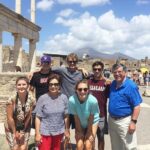
I love how this tour stays practical: you get a planned route through the main areas people actually want to understand, like Roman streets, theatres, and the Roman baths. I also love the human touch—an English-speaking guide named Viktoria (one of the guides who’s led this tour) is known for keeping the group moving at the right pace, using humor, and asking questions so you can visualize daily Roman life. One possible drawback is time: at about 2 hours, you’ll hit major highlights, but you won’t have the slow, linger-at-every-corner pace you might want.
In This Review
- Key things to know before you go
- Why a private Pompeii tour is the smart choice
- Meeting at Piazza Esedra and planning your entry day
- Pompeii in 2 hours: what you actually cover
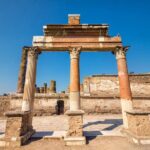
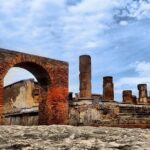
- The Forum: where Roman public life happened
- Roman streets, shops, and houses: life you can picture
- Baths and temples: when hygiene meets belief
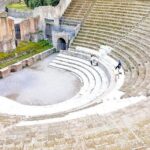
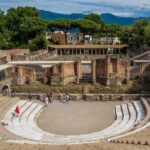
- Theatres and gladiator barracks: entertainment and power
- Houses and the “in-between” spaces
- What the guide adds (and why Viktoria-style guiding is a big deal)
- Price and value: is $240.28 per group worth it?
- Practical logistics you’ll feel on the day
- Who should book this private Pompeii tour?
- Should you book this Pompeii private guide tour
- FAQ
- How long is the Private Skip The Line Archeo Tour Of Pompeii?
- What is the price and group size for this Pompeii tour?
- What’s included and what isn’t included?
- Where do we meet and where does the tour end?
- Is the tour offered in English?
- Can I bring a service animal and will most travelers be able to participate?
- What is the cancellation policy for a full refund?
Key things to know before you go
- Private group only (up to 10 people), so questions and pacing can fit your needs.
- 2 hours inside Pompeii focused on big, high-impact sights rather than random wandering.
- Roman everyday life route includes streets, theatres, gladiator areas, houses, shops, baths, temples, basilica, and the Forum.
- English mobile ticket is part of the setup, and it’s designed for an easy entry day.
- Guide-led meaning-making, including humor and ongoing check-ins on pace (especially noted with Viktoria).
Why a private Pompeii tour is the smart choice
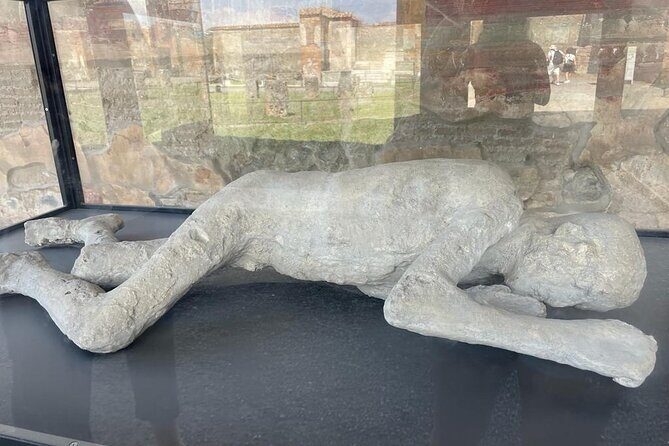
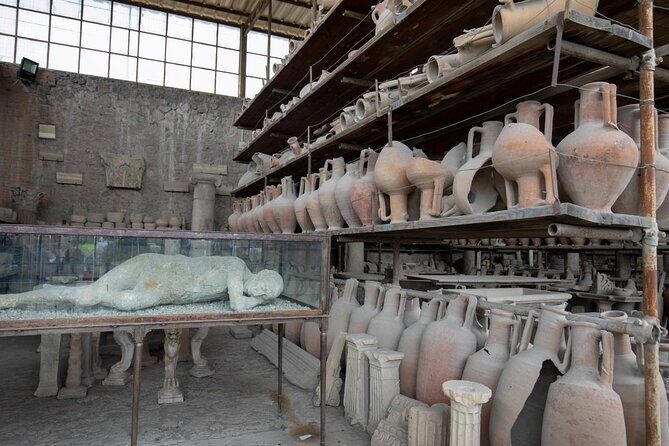
Pompeii can feel like a pile of perfectly arranged rubble at first. Then a good guide turns it into a place with rhythms: where people met, ate, worked, worshiped, relaxed, and put on shows.
This private format matters because it’s not just about speed. It’s about focus. Instead of bouncing between rooms and street corners, you follow a route that connects what you’re seeing to how Roman life worked. That makes the site easier to process during your visit, and less likely to blur together afterward.
And you do get a real “back in time” feeling. The tour is built around the big themes you want from Pompeii: public buildings, neighborhoods, daily services, and religious spots. You’re also explicitly told you’ll find details that are tough to notice on your own—things you’d usually miss unless you know what to look for.
You can also read our reviews of more private tours in Pompeii


Meeting at Piazza Esedra and planning your entry day
Your tour starts at Piazza Esedra, 80045 Pompei NA, Italy, and it ends back at the same meeting point. For a city trip, that’s useful. You don’t need to remap your day around a complicated drop-off location.
The tour uses a mobile ticket, which is exactly what you want in Italy. Less paperwork, less fuss, fewer “where did that ticket go?” moments while you’re walking. Also, the tour is offered in English, so you’re not paying for a tour and then spending your energy translating in your head.
Skip-the-line is part of the tour name, which signals you’re not trying to stand around doing nothing. Even with that, I’d treat entry day as “arrive ready to move.” Pompeii is an outdoor archaeological park, so your best results come from showing up on time with comfortable shoes and an open schedule.
Pompeii in 2 hours: what you actually cover
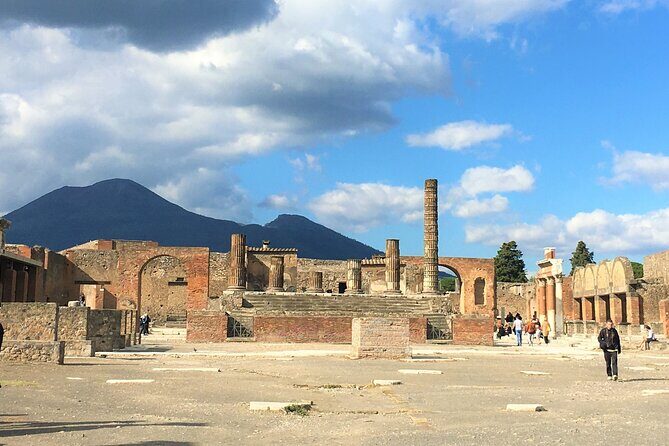
This is a 2-hour private tour led by a guide, and the route is designed to fit the most important sights without turning your visit into a long day.
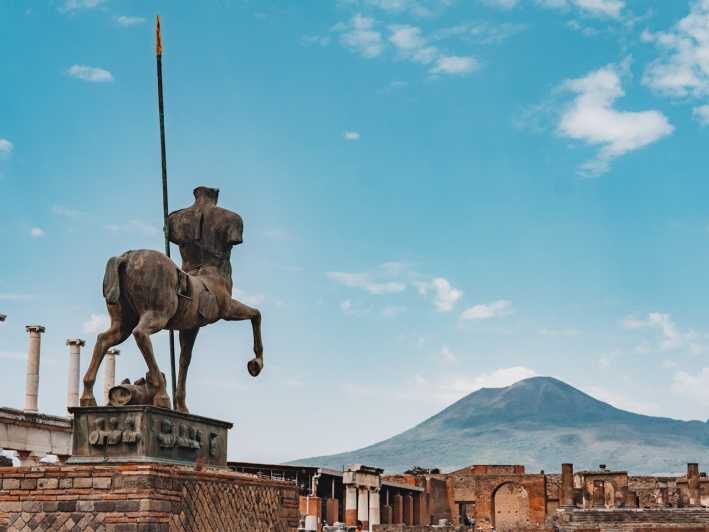
You’ll spend time in the Archaeological Park of Pompeii, a city destroyed in 79 AD after Vesuvius erupted. The guide introduces the layout through the kinds of places you’d expect to matter: streets and crossings, gathering spaces, entertainment, and residential zones. You’re not just looking at isolated walls.
Here’s what the experience is built around, in plain terms:
- Ancient streets that help you understand how people moved through the city.
- Theatres connected to public performance and social life.
- Gladiator barracks that point to training and the spectacle system behind the games.
- Houses, plus the everyday mix of restaurants and shops embedded into the neighborhoods.
- Roman baths, so you can picture hygiene, status, and leisure.
- Temples and civic sites like the basilica.
- The Forum (main square), where civic life centralized.
Even if you’ve seen Pompeii photos before, this kind of route helps you build a mental map fast. And that’s one of the biggest values of a private tour: you get structure.
The Forum: where Roman public life happened
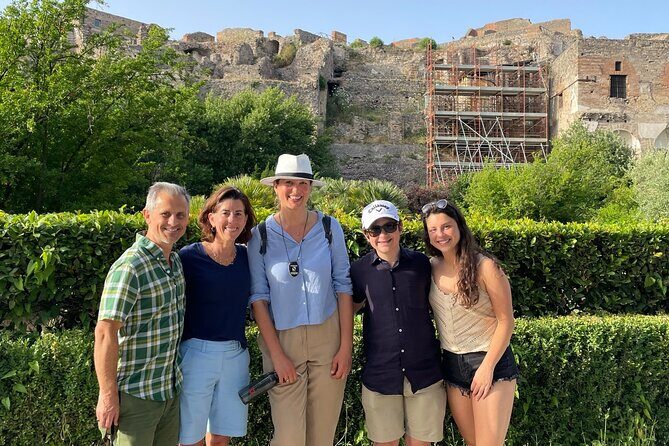
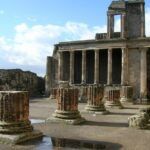
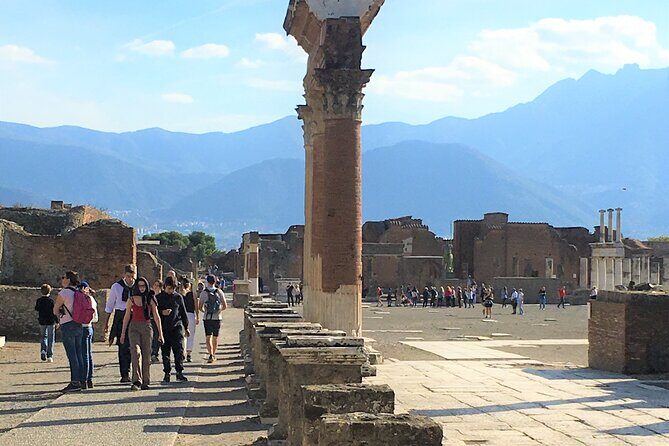
If you want the heartbeat of Pompeii, you go to the Forum. The Forum is the main square, and it’s the natural place to start thinking like a Roman: politics, social status, public announcements, and the kind of public-facing culture where appearances matter.
On this tour, the guide uses the Forum to connect other stops. You’ll start seeing how theatres, temples, and civic buildings aren’t separate “tourist zones.” They’re part of one social machine. That makes it easier to understand what you’re looking at, even when the buildings are partially ruined.
The benefit of doing this with a guide is that you’re not guessing. You’ll get facts and explanations that help you connect stone shapes to actual functions. It makes the Forum feel less like a wide plaza and more like a lived-in civic center.
Roman streets, shops, and houses: life you can picture
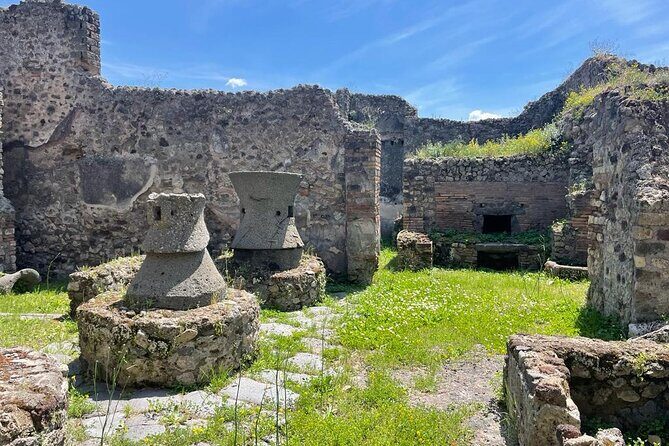
One of the tour’s strongest promises is that you’ll explore not only monuments, but the spaces tied to ordinary routines: houses, ancient restaurants, and shops. That’s where Pompeii becomes human.
When you move through areas that include business and daily food culture, you start to grasp how a Roman city worked as a system. A shop isn’t only a shop; it’s where neighbors crossed paths. A restaurant isn’t only a dining spot; it signals social behavior and community habits.
I like that the tour frames these sights as lived spaces, not just ruins. That matters because Pompeii is visually dramatic, but it’s the everyday details that make it emotionally stick.
One consideration: Pompeii moves fast under time pressure. With a 2-hour experience, you’ll get a strong overview, but you won’t have long hours to linger in every home nook or shop front.
You can also read our reviews of more tours and experiences in Pompeii


Baths and temples: when hygiene meets belief
The route includes both Roman baths and temples, which is a smart pairing. Baths show leisure and cleanliness as social experiences. Temples show the spiritual side of the city—where worship, community identity, and civic values met.
Roman baths are powerful because they’re designed for people, not just worship or government. They reveal habits: how people spent time, how social status could play out in everyday spaces, and why leisure mattered.
Then the tour adds temples, including the Temple of Apollo. That helps you shift gears from daily routine to belief and public meaning. Even in ruins, temples often communicate intent: where people gathered, how spaces guided movement, and what mattered to the city.
If you like “why did they build it this way?” questions, this portion of the route gives you plenty to chew on, and it’s exactly the kind of place where a guide’s explanations make a difference.
Theatres and gladiator barracks: entertainment and power
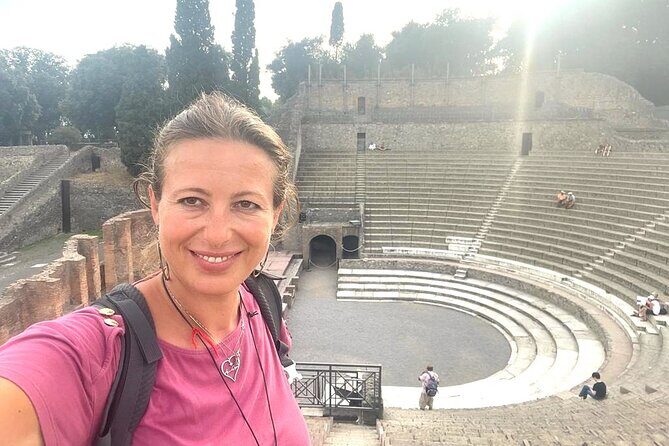
Pompeii’s entertainment culture is a big part of why people fall in love with the site. This tour includes theatres and gladiator barracks (the tour description names both), so you get two angles on spectacle.
Theatres help you imagine public performance and the shared mood of the crowd. Gladiator barracks add the labor and training side—the machinery behind the show. In other words, you’re not only seeing where people watched; you also see where fighters were prepared.
A guide can make this far clearer than self-guided touring. When you understand how entertainment was organized, the ruins stop being random big rooms and start becoming a working system.
Houses and the “in-between” spaces
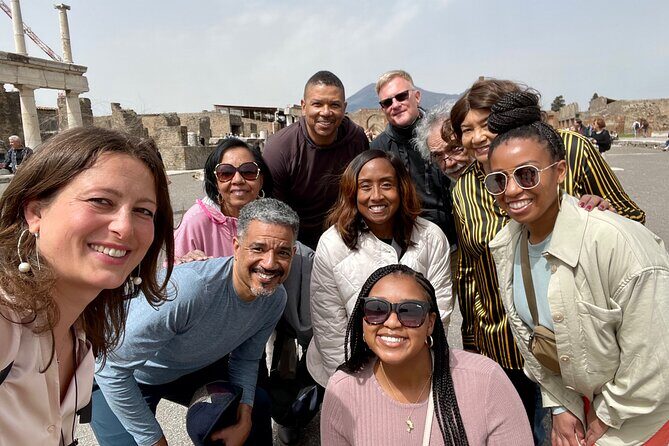
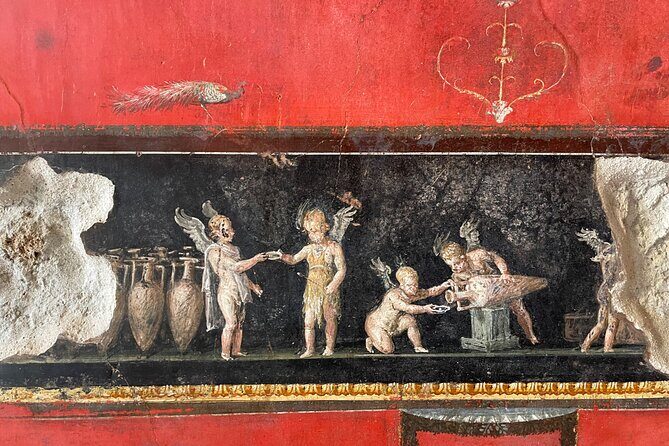
Many Pompeii tours focus on the flashiest structures and leave out the in-between spaces. This one takes you through villas and homes, plus the mix of commercial areas like ancient restaurants and shops. That’s important because Pompeii wasn’t only ceremonial. It was also a working city.
Seeing homes alongside public areas helps you understand the difference between private life and public expectations. You also get context for how social status may have influenced daily space—what people could access, where they gathered, and how the city balanced commerce with domestic living.
This is also the section where good guiding can help you notice details you would otherwise miss. The tour specifically points out hidden treasures and details that are hard to see when exploring on your own.
What the guide adds (and why Viktoria-style guiding is a big deal)
The reviews emphasize a few repeat patterns about the guides. The main one is engagement. A guide named Viktoria is noted for being high-energy and fun, but the bigger win is how she keeps people thinking.
In a private setting, a guide can ask you questions, adjust the pace, and shift focus based on what’s landing. That’s not “extra personality.” It’s practical. When you’re not just listening, you’re building mental connections faster.
Viktoria is also described as checking regularly whether the pace and content fit your preferences. That matters in Pompeii because everyone’s stamina is different. You might want more explanation before moving on, or you might want to see and absorb first, then ask questions later.
There’s even a real-life detail: Viktoria gave an excellent lunch pizza recommendation. That’s small, but it signals something important—guides who plan your visit well tend to know how to help you finish the day too.
Price and value: is $240.28 per group worth it?
The price is $240.28 per group for up to 10 people, and the tour runs about 2 hours. That means the real cost depends on how many people you’re splitting it with.
Here’s the math in plain terms:
- If you book as a solo traveler, you’re paying the full group rate.
- If you’re 2 people, the effective cost per person drops fast.
- If you’re a group closer to 10, the value is dramatically better than paying per person for a similar guide time.
For many visitors, the “value” isn’t only the guide. It’s the time you save and the structure you gain. Pompeii is huge enough that self-guided wandering can lead to a lot of looking without clear understanding. A private route gives you a guided framework for what matters most.
Also, the description includes a private guide for 2 hours. That’s the main cost driver. The more you care about meaning and not just photo stops, the more this format pays off.
One note to double-check: the tour description also mentions Admission Ticket Free, while it separately lists entrance fees as not included. That conflict is worth clarifying during booking so you know what you’ll pay on-site, if anything.
Practical logistics you’ll feel on the day
This tour is listed as near public transportation, and it’s described as something most travelers can participate in. Service animals are allowed.
It’s also a private activity: only your group will participate. That’s more than comfort. It reduces the common travel problem of getting stuck behind a slower pace or rushing past what you want to understand.
The tour uses a confirmation system that depends on how close you book to travel date. If you’re booking far out, you should receive confirmation normally; if you book close to your date (within about 2 days), confirmation may come within 48 hours subject to availability. I’d still treat it like any popular Pompeii visit: don’t wait until the last minute if you have fixed travel plans.
Who should book this private Pompeii tour?
This one is a strong fit if:
- You want a guided route through major Pompeii sights in a short window.
- You care about understanding how the city worked day to day, not just collecting photos.
- You prefer a private experience where the guide can adjust pacing.
It’s also a good choice for families or small groups up to 10, since you’re sharing one guide time cost instead of paying multiple separate tour fees.
If you love extremely slow museum-style pacing and want to linger in every room for a long session, you may find 2 hours a bit tight. In that case, you might want a longer option or plan extra self-guided time before or after.
Should you book this Pompeii private guide tour
I’d book this tour if your priority is clarity and efficient sightseeing. Pompeii is too big to manage by vibes alone, and a private guide route through streets, baths, temples like the Temple of Apollo, theatres, gladiator barracks, the basilica, and the Forum gives you a coherent experience in about 2 hours.
If you’re traveling in a group, the price per person can turn into a very solid deal fast. If you’re traveling solo, decide based on how much you want interpretation versus independent exploration.
My final checklist:
- You want a guide who keeps you engaged and adjusts pace, like the style described with Viktoria.
- You’re okay with a 2-hour highlight loop rather than a marathon visit.
- You confirm what’s covered regarding admission/entrance fees, since the details are a bit mixed in the description.
FAQ
How long is the Private Skip The Line Archeo Tour Of Pompeii?
The tour lasts about 2 hours.
What is the price and group size for this Pompeii tour?
It costs $240.28 per group, with the group size listed as up to 10 people.
What’s included and what isn’t included?
The tour includes a private guide for 2 hours. Entrance fees and private transportation are listed as not included, though the description also says Admission Ticket Free—so it’s worth confirming what you’ll need to pay for when you book.
Where do we meet and where does the tour end?
You meet at Piazza Esedra, 80045 Pompei NA, Italy, and the activity ends back at the same meeting point.
Is the tour offered in English?
Yes, the tour is offered in English.
Can I bring a service animal and will most travelers be able to participate?
Service animals are allowed, and the tour is described as something most travelers can participate in.
What is the cancellation policy for a full refund?
You can cancel up to 24 hours in advance of the experience start time for a full refund. Changes made less than 24 hours before the start time aren’t accepted.