REVIEW · POMPEI CAMPANIA
Pompeii Skip-The-Ticket-Line Tour with an Archeologist
Book on GetYourGuide →Operated by Around Amalfi Coast · Bookable on GetYourGuide
Pompeii clicks when you have a pro. This skip-the-ticket-line tour gets you into the ruins fast, then a working archaeologist helps you connect what you’re seeing to how Pompeii lived, and why Vesuvius buried the city in 79 AD. You also get Mt. Vesuvius views, so the story isn’t just about broken stone.
I really like two things about this experience. First, the tour is built around a guide-led walk through the site, so you spend your time looking at meaningful spots instead of wandering. Guides such as Lello, Sonja, Italo, Maria, and Victoria are praised for bringing the ruins to life with clear explanations and even humor, which matters when the site is huge. Second, you get close enough to appreciate preserved frescoes, artwork, and mosaics without turning it into a rushed photo stop. It’s the difference between seeing decorations and understanding what they were for.
The main drawback is simple: it’s only 2 hours. You’ll see major highlights, but if you’re the type who wants to linger in every room or read every inscription, you’ll likely want more time after the tour.
In This Review
- Key Points That Make This Tour Worth Your Time
- Why Pompeii Makes Sense With an Archaeologist on Your Side
- Skip-the-Line Entry: How It Saves More Than Minutes
- The Guided Walk Through Pompeii’s Streets and Spaces
- Frescoes, Artwork, and Mosaics Up Close (Not Just From Afar)
- The 79 AD Eruption Story: How the Guide Shapes What You See
- Mt. Vesuvius Views: Why You Should Care Even If You’ve Seen Photos
- Timing, Weather, and What You Need Before You Go
- Price and Value: What $44 Covers (and What It Doesn’t)
- Who This Tour Fits Best (and Who Should Skip It)
- Should You Book This Pompeii Skip-the-Ticket-Line Tour?
- FAQ
- How long is the Pompeii skip-the-ticket-line tour with an archaeologist?
- What is included in the price?
- Are entrance tickets included?
- What languages is the live tour guide available in?
- Is the tour available in bad weather?
- Are bags allowed?
- Is the tour suitable for everyone?
Key Points That Make This Tour Worth Your Time
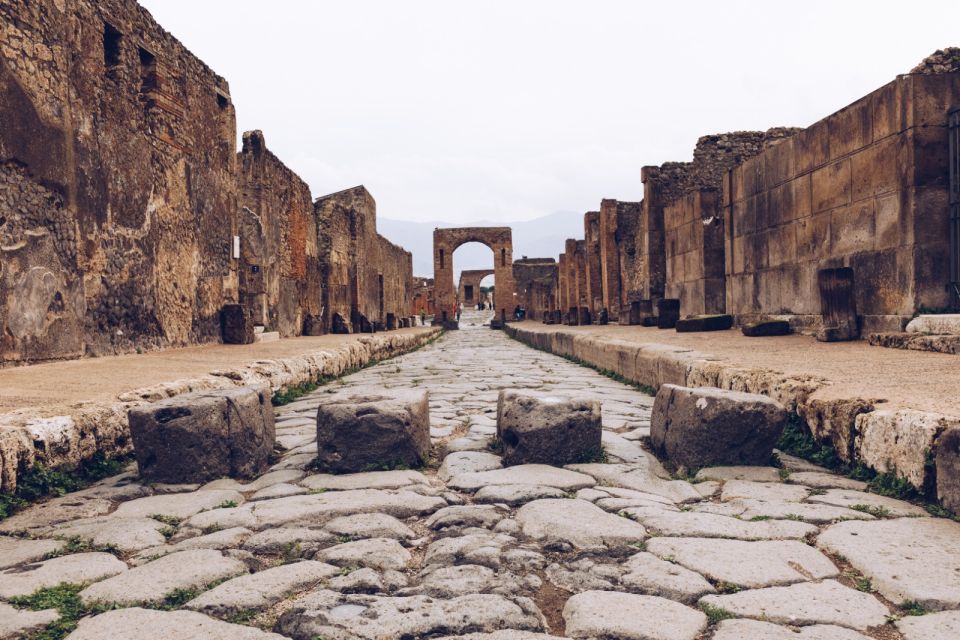
- Skip-the-ticket-line entry helps you start seeing Pompeii while your energy is still high
- Archaeologist-led storytelling ties daily life to the physical evidence you’re standing in
- Frescoes, artwork, and mosaics up close make the site feel human, not just old
- The 79 AD eruption and burial explained gives you a clear narrative while you walk
- Mt. Vesuvius viewpoints give context beyond the walls of the city
Why Pompeii Makes Sense With an Archaeologist on Your Side

Pompeii is famous, which can be a trap. You can show up, point at ruins, and leave with a head full of dates and a phone full of snapshots—without really understanding what you’re looking at.
This tour tries to fix that. You’re not just walking; you’re learning how Pompeii functioned as a city before the eruption. The archaeologist framing matters because Pompeii isn’t laid out like a museum exhibit. It’s messy, layered, and detailed. When you know what you’re seeing—how a space was used, what kinds of objects people lived with, and what changed during the catastrophe—the ruins feel less random and more readable.
I also like the way the guides are described by name in the feedback. Lello is repeatedly credited with clear, structured explanations and lots of surprising details. Sonja and Italo are praised for being friendly and funny while still getting the point across. Maria is described like a real teacher who answers questions fully. That’s a big deal, because Pompeii raises questions fast: Why is that wall here? What was that room for? How does that decoration fit into daily life?
You can also read our reviews of more tours and experiences in Pompei Campania.



Skip-the-Line Entry: How It Saves More Than Minutes

The “skip-the-ticket-line” part sounds like a convenience. In practice, it changes your whole visit rhythm.
The tour is just 2 hours. When you’re starting with queues, you pay for it later—when you’re standing in the sun, trying to remember what matters, and rushing because time is slipping. By getting you into the site faster, you’re more likely to see the key areas the guide wants you to hit, rather than turning the visit into a triage exercise.
Also, the highlights promise avoiding the crowds. Even if some busy moments are unavoidable at a major site like Pompeii, a guided route and timing help you avoid the worst bottlenecks. That’s exactly where a good guide earns their pay: they’re not just sharing facts; they’re moving you through the site in a way that keeps the experience enjoyable.
The Guided Walk Through Pompeii’s Streets and Spaces
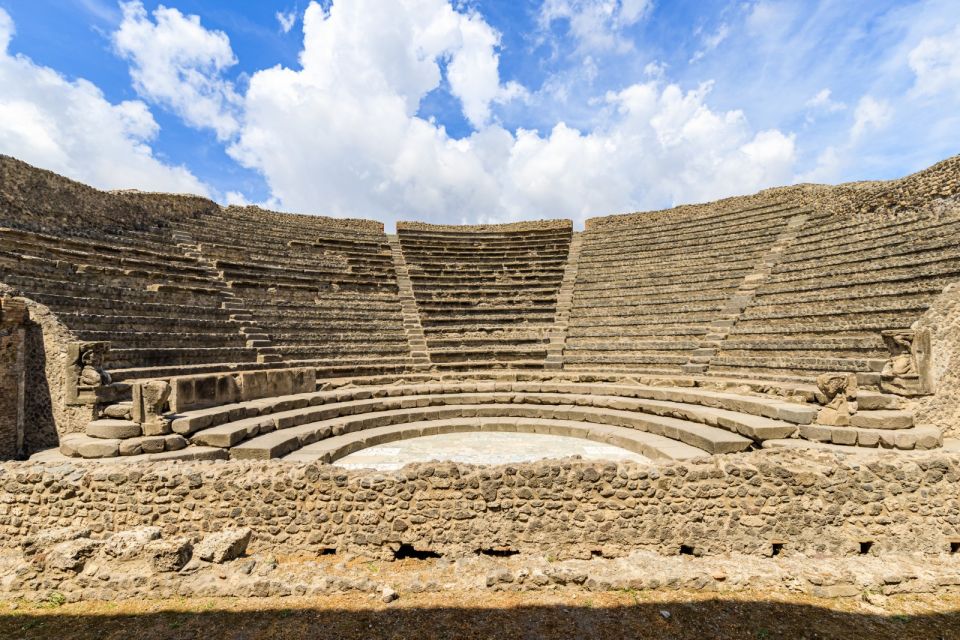
You’ll explore Pompeii with your archaeologist guide and move through the ruins as a connected city, not a list of landmarks. The emphasis is on walking the winding streets and using the layout as a way to understand daily life before the eruption.
Here’s what that means for you on the ground. Pompeii can be visually confusing if you approach it like a set of separate attractions. A guided walk helps you build mental connections: one area leads to another, and the physical surroundings start making sense as part of routines—work, food, household life, and the way people organized their spaces.
The tour’s duration keeps the route focused. You should expect to cover major highlights rather than trying to see everything. If you want a “see all of Pompeii” strategy, you’ll need extra time on your own after this tour.
And yes, you’ll get that end-of-tour push: your guide provides recommendations for how to spend the rest of your day. That’s useful because Pompeii is the kind of place where your second hour can be either great—or a lot of backtracking.
Frescoes, Artwork, and Mosaics Up Close (Not Just From Afar)
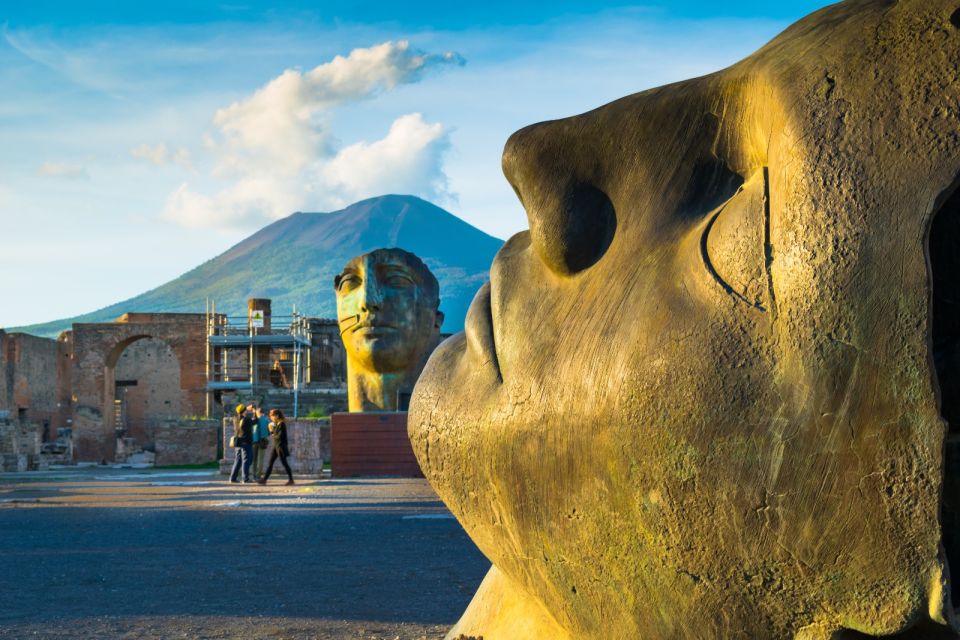
Pompeii’s preserved surfaces are why people fall in love with the site. But most visits treat frescoes and mosaics like bonus details. This tour treats them like evidence.
The highlights explicitly call out preserved frescoes, artwork, and mosaics up close. That tells you what kind of experience you’ll get. You’re not only looking; you’re being shown how to appreciate what’s there—color and composition, how images were used, and why certain decorative choices matter when you’re trying to imagine life before 79 AD.
This matters for two reasons:
1) You’ll notice more. When someone points out what to look for, it stops being “pretty wall art” and becomes “this tells us something about the person who lived here.”
2) You’ll remember it better. A guided “look here, notice this, understand that” approach sticks more than random sightseeing.
The feedback also supports this style. Multiple guides are praised for making the ruins feel alive—especially when they connect objects to everyday behavior. Italo, for example, is noted for bringing an anecdote about a thermopolium, essentially an antique fast-food setup. That kind of story makes a food-related space feel surprisingly normal, and it helps you interpret decorations and layout in context.
The 79 AD Eruption Story: How the Guide Shapes What You See
The tragedy of Pompeii is one of those topics you can hear in a textbook—and still not fully picture. This tour works because it ties the eruption story to the city you’re standing in.
You’ll learn how Pompeii was buried during the eruption of Mount Vesuvius in 79 AD. That’s the core narrative: what happened, how the event affected the city, and why Pompeii is preserved in such an unusual way. When a guide explains the burial and its aftermath while you’re moving through rooms and streets, you’re less likely to treat the site like an ancient backdrop.
I also like that the tour isn’t only about disaster. The emphasis is on daily life first, then the tragic fate. That order helps you feel the contrast. You understand what was disrupted instead of only learning how things ended.
One practical tip: wear comfortable shoes and be ready to walk. The story works best when you’re physically moving through the spaces the archaeologist is describing, rather than stopping every few minutes.






Mt. Vesuvius Views: Why You Should Care Even If You’ve Seen Photos
The tour includes breathtaking views of Mt. Vesuvius. This is more than a photo moment.
Seeing Vesuvius from the right angle gives you scale. It helps your brain connect the catastrophe to a real geography, not just a dramatic concept. When you look at Vesuvius after walking through the city’s ruins and hearing the burial explanation, the story lands differently. It becomes personal and spatial: the mountain is not just mentioned—it’s part of the why.
It also gives you a natural emotional “reset” near the end of the tour. After learning about destruction, a viewpoint can help the experience feel complete rather than only grim.
Timing, Weather, and What You Need Before You Go
This is a 2-hour tour, rain or shine. So you should plan for weather you can’t control. Comfortable shoes are the big must. Pompeii is uneven, and your feet will do the talking long before your guide does.
You also need to think about what you bring. Luggage or large bags are not allowed, so travel light. If you’re thinking of carrying a backpack, keep it small and simple.
Language coverage is English and Italian, and it’s a live guided format. That matters at Pompeii, because you’ll want your guide’s pacing and explanations rather than reading signs at your own speed.
Price and Value: What $44 Covers (and What It Doesn’t)
The price is listed at $44 per person for a 2-hour guided experience. Entrance tickets are not included, and the tour includes the guide.
So where’s the value?
- You’re paying for expertise: an archaeologist-led walk that helps you interpret the site.
- You’re paying for time savings: skip-the-ticket-line reduces wasted waiting, which is a big deal for a short tour.
- You’re paying for a more focused experience: frescoes, mosaics, and daily-life context are part of the plan.
Because entrance tickets aren’t included, your all-in cost may be higher once you add them. Still, for many people, the combination of guide plus time saved is the point. If you’d rather figure things out on your own, you might not feel the same pull toward a guided approach. But if you want Pompeii to make sense quickly, this price can feel fair.
Who This Tour Fits Best (and Who Should Skip It)
This tour is praised for being accessible to different ages and energy levels. One example: a guide (Lello) is specifically mentioned for managing two kids under 4 alongside adult guests. That suggests guides can work with mixed groups.
That said, the tour isn’t for everyone. It’s not suitable for:
- Pregnant women
- People with mobility impairments
If you’re in a wheelchair or need significant mobility accommodations, you’ll want to look for another format.
It’s also worth considering the short duration. If you love slow museum-style visits and you want to wander without any time pressure, you may feel constrained. But if you like structure, clear priorities, and learning as you go, this timing is actually a strength.
Should You Book This Pompeii Skip-the-Ticket-Line Tour?
Book it if you want Pompeii to feel understandable, not just famous. This is the kind of tour that turns ruins into a story: daily life first, then the eruption and burial, then a Vesuvius viewpoint that puts it all into scale.
Skip it if you’re planning a long, do-it-all Pompeii day and you don’t want any time limits. Also, be aware that entrance tickets aren’t included, and the tour is only 2 hours, so it won’t replace a full self-guided exploration.
If you’re unsure, here’s my practical call: choose this tour when you want your first Pompeii visit to land well. If you come back later for deeper wandering, you’ll already know what to look for.
FAQ
How long is the Pompeii skip-the-ticket-line tour with an archaeologist?
It lasts 2 hours.
What is included in the price?
The tour includes the guide.
Are entrance tickets included?
No. Entrance tickets are not included.
What languages is the live tour guide available in?
The tour is offered in English and Italian.
Is the tour available in bad weather?
Yes. It runs rain or shine.
Are bags allowed?
Luggage or large bags are not allowed.
Is the tour suitable for everyone?
No. It is not suitable for pregnant women or for people with mobility impairments.