Rome has secrets under your feet.
This Rome city-center historical walking tour mixes big-name sights with off-limits stories and darker, scandal-style humor. I like the focus on power struggles and the way the guide turns monuments into plot points, not just photo backdrops. One thing to consider: it’s a tip-based format, so the low listed price won’t be your full cost.
I also like the small-group feel, capped at 25 people, which keeps the walk moving without feeling like a cattle car. The guide energy really matters here, and names like Jacopo/Jacob show up in the feedback for being funny and passionate while keeping the history easy to follow. If you dislike politically incorrect jokes, treat that part as optional and just follow along with the facts.
In This Review
- Key highlights worth your time
- Starting at the Forum of Trajan, then walking smart through the center
- Price, tickets, and tipping: how to judge real value here
- Stop 1: Colonna Traiana, where the tour sets its mood fast
- Palazzo Colonna: seeing a family’s power written into stone
- Santi Apostoli: frescoes, crypts, and the papal gardens rumor
- Trevi Fountain with a story angle, not just a selfie stop
- Chiesa di Sant’Ignazio di Loyola: optical illusions and baroque-style wow
- Pantheon: short stop, best-preserved ancient impact
- Piazza Navona and La Pimpaccia: the female pope story
- What the guide’s dark humor does for the experience
- Who this tour suits best
- My booking call: should you book this Rome city-center walk?
- FAQ
- Where does the tour start and where does it end?
- What time does the tour begin?
- How long is the walking tour?
- What languages is the tour offered in?
- Is a ticket required to visit the stops?
- Is this tour tip-based?
- Is free cancellation available?
Key highlights worth your time
- Off-limits stops and spots not usually included in standard Rome tours
- Power-struggle storytelling with betrayal, ambition, and scandal behind famous monuments
- A strong guide vibe, with Jacopo/Jacob praised for humor and drive
- Free-entry stops listed for each stop, so you can avoid add-on ticket costs
- Iconic sites plus clever contrast, from Trevi to the Pantheon to Piazza Navona
Starting at the Forum of Trajan, then walking smart through the center
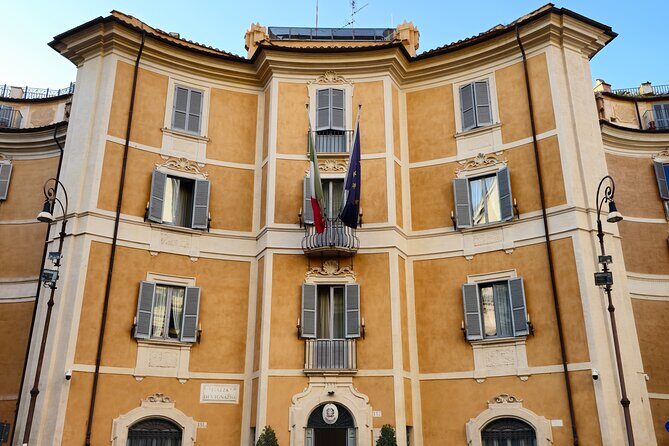
The tour starts at the Church of the Most Holy Name of Mary at the Forum of Trajan (Foro Traiano, 89). You’ll meet there at 11:00 am, and the walk ends at Piazza Navona.
This matters more than you might think. Starting near the Forum of Trajan puts you into the Roman “layer-cake” mindset quickly: you’re not just visiting landmarks, you’re seeing how Rome’s story keeps getting reused—ancient to later eras, stone to frescoes, empire to church power. And ending at Piazza Navona is handy because it’s a natural place to keep exploring on your own afterward.
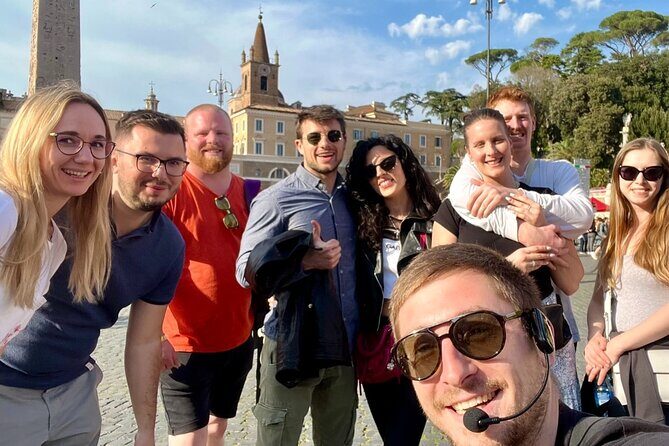
The group size is capped at 25 travelers, and that usually helps with pace. You’ll be able to hear the guide without constantly straining, and you should get some breathing room at the stops to look around.
You can also read our reviews of more walking tours in Rome

Price, tickets, and tipping: how to judge real value here
At $4.84 per person, the first reaction is likely: what’s the catch? The key is that this is a tip-based tour, and the guide works for your tips alone. In other words, the low price is more like a booking fee model than an all-in tour price.
So how do you judge value? In this case, look at what you’re paying for: a licensed guide, a route that mixes famous sights with off-limits locations, and a style of storytelling that leans into scandals and dark humor. If you want someone to explain why these places mattered—and to point you to parts of the city you’d probably miss—this format can make sense. If you’re the type who hates tipping culture, you may feel awkward here. Rome has lots of “free” experiences; this one is explicitly designed around the guide being paid through tips.
One nice bonus: every stop on the route is marked with admission ticket free, which means you generally won’t get hit with separate entry fees for the listed sights. Add the mobile ticket to your phone, and the logistics stay simple.
Stop 1: Colonna Traiana, where the tour sets its mood fast
You begin at Colonna Traiana, an ancient Roman column from the II century. Even though the stop is short (about 10 minutes), it works as a tone-setter. The guide uses places like this to introduce a theme the whole tour follows: Rome as a place of power, ambition, and betrayal.
What I like about starting here is that it gives you context before you hit the showpieces. You’re not wandering into the city’s big icons cold. You’re already thinking about how people fought for status, influence, and legacy—then you watch the city’s buildings reflect those struggles.
There’s also a modern layer in the area: a 19th-century monument representing the unity of the Italian nation. That contrast is useful. It reminds you that Rome history isn’t only ancient—it’s also how later eras chose to remember the past.
Palazzo Colonna: seeing a family’s power written into stone
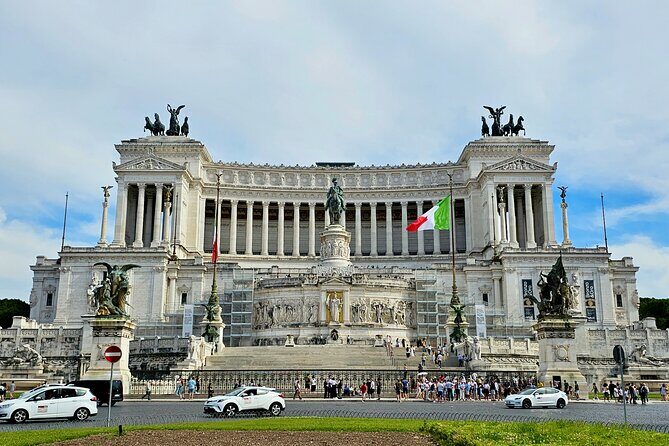
Next up is Palazzo Colonna, a residence associated with the oldest and richest clan in Rome. The stop is brief (about 5 minutes), but it’s a big deal in the tour’s storytelling.
Why this works: it shifts your attention from single monuments to the people behind them. Rome’s most famous buildings often came from patrons with money, connections, and long memories. When the guide talks about family influence here, you start noticing that the city’s architecture isn’t neutral. It’s part of a human competition.
If you like street-level history—who had leverage, who survived rivalries—this stop is a good quick hit.
Santi Apostoli: frescoes, crypts, and the papal gardens rumor
At Santi Apostoli, you get about 15 minutes at a church with frescoes and crypts, plus the tomb of the Colonna. This is also where the tour leans into its more theatrical side: a secret passage to the papal gardens is part of the story told here.
A secret passage kind of detail does two things for a walking tour. First, it slows you down mentally, because you’re listening instead of just scanning for photos. Second, it ties the religious power of later Rome back to earlier political power—matching the tour’s theme of shifting authority and ambition.
One practical thought: churches can feel cool and dim, and floors may be uneven. Plan for a careful step and comfortable shoes, especially since the tour is a walking route through multiple stops.
You can also read our reviews of more city tours in Rome


Trevi Fountain with a story angle, not just a selfie stop
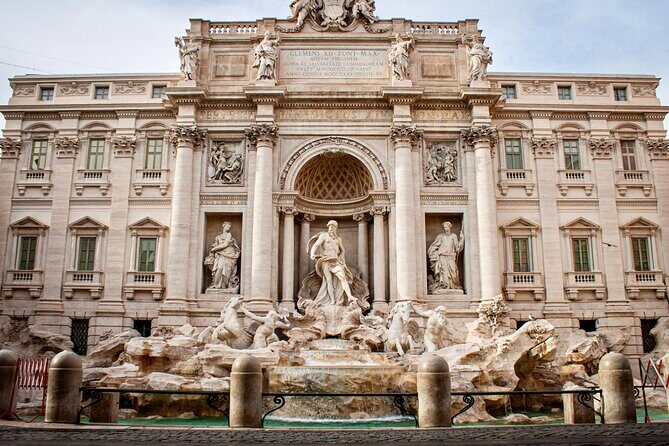
Trevi Fountain gets about 15 minutes. It’s Rome’s most iconic fountain, so you’ll likely see crowds nearby—but this tour isn’t just a time slot to stand in front of water and move on. The point is that you’ll hear scandal and political-style stories connected to the monuments.
Even if you’ve already seen Trevi from the internet, you’ll get more from the stop if you let the guide frame what you’re looking at. That’s the tour’s specialty: you don’t just see the fountain. You understand how it fits the larger Rome pattern—status, attention, and history wrapped into stone and spectacle.
If you’re visiting during peak hours, expect the area to be busy. The tour duration here is long enough to take in the fountain without treating it like a drive-by.
Chiesa di Sant’Ignazio di Loyola: optical illusions and baroque-style wow
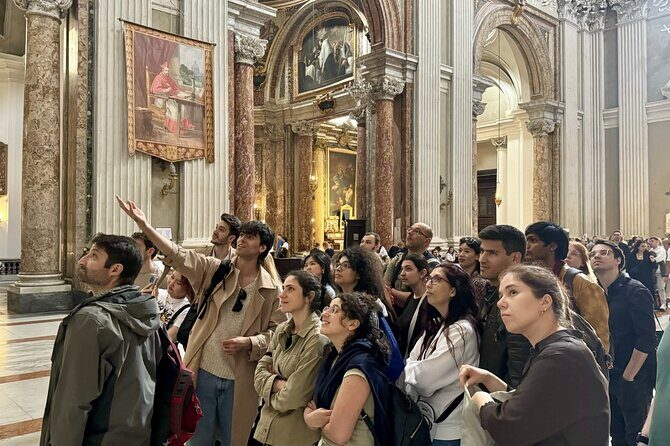
The Chiesa di Sant’Ignazio di Loyola stop is around 10 minutes, and it’s described as a 17th-century church with stunning frescoes and optical illusions.
This is a smart switch in the tour’s texture. After talking about politics and family influence, you get something sensory and artistic—fresco work meant to trick your eye. Optical illusion art is also a great way to make your brain pay attention, because you’re forced to look carefully instead of letting the setting blur into background.
If you enjoy art that plays with perspective, this is one of the more fun moments on the route. It’s also where you can catch a different side of Rome: not just power struggles, but how people used art to communicate authority and meaning.
Pantheon: short stop, best-preserved ancient impact
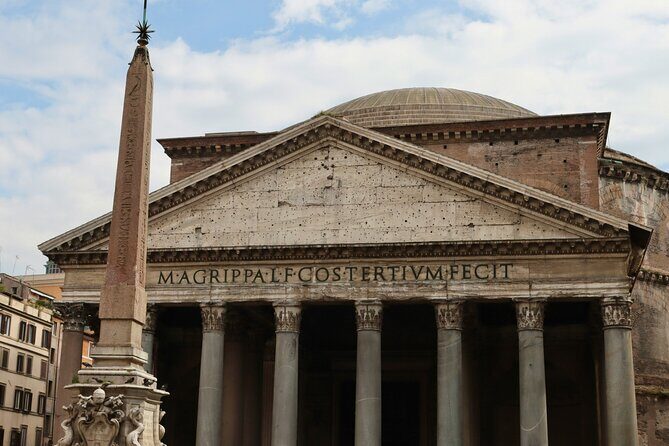
The Pantheon is only about 5 minutes on the walk, but it’s a heavy hitter: a 2nd-century Roman temple converted into a basilica, and described as the best preserved Ancient Roman monument.
Short stop or not, this location works well with a guide-led approach. When you walk into a place with that kind of endurance, your sense of scale changes fast. You’ll likely notice the contrast between ancient Roman stone and the later religious use, which aligns neatly with the tour’s main theme of Rome’s layers and political shifts.
If you’re the type who likes to linger, this stop may feel brief. But the tour is 2 hours 15 minutes total, so every minute has a purpose. If you want extra time at the Pantheon afterward, plan to circle back at the end of the walk when the group moves on.
Piazza Navona and La Pimpaccia: the female pope story
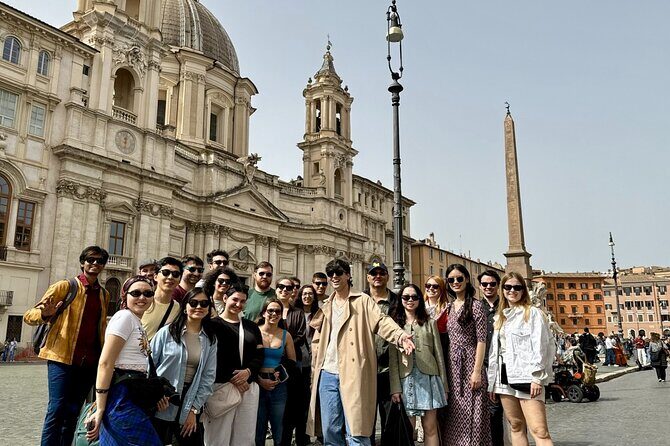
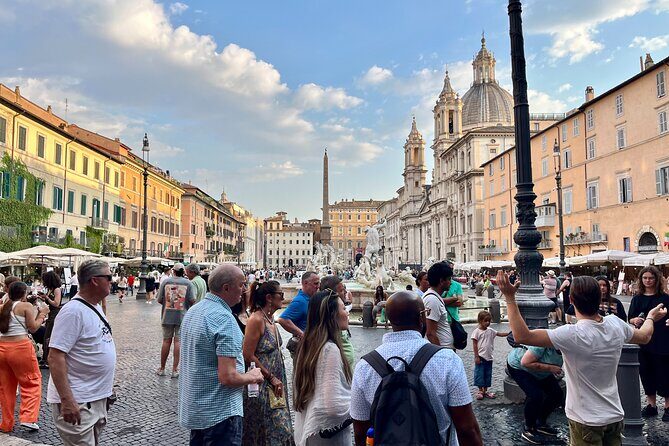
The tour finishes at Piazza Navona, with about 10 minutes here. The square is described as Rome’s most beautiful, and the story of La Pimpaccia, also known as the Female Pope, is part of what you’ll hear.
This final stop is a great way to land the plane. You get an open-air Rome classic, but the guide keeps the focus on scandal and power—just in a more myth-and-story form. It’s the kind of ending that sticks because you leave with a plot, not just a landmark.
Also, ending in Piazza Navona is practical. You can easily turn the walk into an afternoon: dinner, gelato, more wandering into nearby streets. The tour ends right where it’s easy to keep moving.
What the guide’s dark humor does for the experience
A walking tour can either make history feel like facts on rails—or make it feel like human drama. This one leans hard into the second style. Expect dark humor, politically incorrect jokes, and scandal-driven storytelling about crime, corruption, war, murder, and betrayal.
The best part is that this humor isn’t random. It’s tied to the way Rome’s monuments were built and used. When the guide explains power struggles and then drops a scandal story, the city becomes more understandable. You stop seeing Rome as separate attractions and start seeing it as one long rivalry.
And the guide names matter here. Feedback highlights Jacopo/Jacob as the kind of guide who stays funny while still giving clear context. Max is also mentioned as friendly, engaging, and passionate. That’s important: you want someone who can keep a group together and still make you feel like you’re learning, not being lectured.
Who this tour suits best
This is a good match if:
- You like story-led walking tours more than museum-style timelines
- You want a route that balances big landmarks with smaller, less typical stops
- You enjoy humor that can get edgy, including dark and politically incorrect jokes
- You’re short on time in Rome and want a city-center loop that hits key sites in about 2 hours 15 minutes
It may be less ideal if:
- You want a strictly formal, polite tone only
- You dislike the idea of tipping for the guide’s time
- You prefer lots of free time at each landmark rather than a guided sprint with brief looks
My booking call: should you book this Rome city-center walk?
I’d book it if you want Rome to feel like a place with characters and stakes, not just stones and dates. The mix of off-limits spots, the willingness to talk about betrayal and ambition, and the guide-led humor are the real selling points. The free-entry style for the listed stops also helps the value equation.
I wouldn’t book it as your only experience in Rome if you’re the type who needs long, quiet time inside major monuments. This tour is short by design, and a few stops are only 5–10 minutes. Use it as your “connect the dots” walk through the center, then go back on your own for the places you want to linger.
If you’re okay with tipping and with the guide’s darker comedic style, this is one of the more memorable ways to experience the city’s layers in a single afternoon.
FAQ
Where does the tour start and where does it end?
It starts at the Church of the Most Holy Name of Mary at the Forum of Trajan (Foro Traiano, 89) and ends at Piazza Navona.
What time does the tour begin?
The start time is 11:00 am.
How long is the walking tour?
The duration is about 2 hours 15 minutes.
What languages is the tour offered in?
The tour is offered in English.
Is a ticket required to visit the stops?
The stops listed are marked as admission ticket free, and you’ll use a mobile ticket.
Is this tour tip-based?
Yes. It’s a tip-based tour, and the guides work for your tips alone.
Is free cancellation available?
Free cancellation is available if you cancel up to 24 hours in advance for a full refund.