REVIEW · PASTA
Pasta and Tiramisu Making Class at the Trevi Fountain
Book on Viator →Operated by Agrodolce Roma · Bookable on Viator
Fresh pasta magic happens fast.
This hands-on class in central Rome takes you from dough to plated results, with prosecco waiting at the start and a chef guiding you step-by-step. I love that you’ll make classic Roman-style pasta like tagliatelli (then take it home), and I also love that your lesson ends with tiramisù you actually prepare yourself. One thing to plan for: the pasta you cook isn’t the same pasta you’ll eat for lunch, due to health-safety rules.
The setting helps, too. You meet at Piazza dei Crociferi and the whole thing runs with a maximum of 10 people, so you get real attention instead of watching from the sidelines. Instructors I’ve seen named in previous classes include Elisabetta and Maria (so if you see a specific host listed at booking, lean into that).
You’re basically buying a great “one-afternoon Rome food education.” You’ll learn pasta pastry basics, roll and cut fresh noodles with a pasta machine, then finish with tiramisù and an included lunch at a traditional restaurant. If you’re short on time but want something more meaningful than another museum stop, this fits.
In This Review
- Key things to know
- Pasta and Tiramisu at Trevi’s Doorstep: What You’re Really Buying
- Meeting at Piazza dei Crociferi: Prosecco, a Traditional Kitchen, and Easy Access
- Making Fresh Tagliatelli: Pastry Prep and the Pasta Machine
- What You Take Home (and What You Don’t Eat) After Class
- Tiramisu Workshop: Your Dessert Before the Meal
- Lunch at the Restaurant: Pro-level Food Without the Cooking Overhead
- Vegan-Minded Option: How the Course Adapts
- Duration, Group Size, and Mobile Ticket: The Practical Stuff That Matters
- Who Should Book This Pasta and Tiramisu Class?
- Should You Book This Pasta and Tiramisu Class or Skip It?
- FAQ
- FAQ
- Where does the pasta and tiramisu class start?
- How long is the experience?
- What’s included in the price?
- Do I get to take home the pasta I make?
- Will I eat the exact pasta I make during class?
- Is there a vegan option?
- What is the cancellation policy?
Key things to know
- Small group (up to 10) means more hands-on time and easier questions.
- Prosecco welcome toast kicks things off right in the restaurant.
- You’ll take home the pasta you create (fresh, uncooked and boxed for you).
- Lunch pasta isn’t the same as class pasta for health-code reasons.
- Tiramisu is your own dessert to make before you eat after.
- Vegan-minded course is available, based on your group needs.
Pasta and Tiramisu at Trevi’s Doorstep: What You’re Really Buying
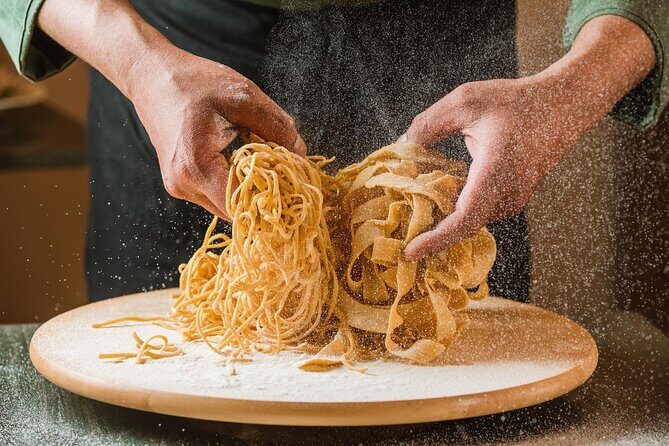
This class is set up for people who want to feel their way into Italian food, not just taste it. You’ll spend about 1 hour 30 minutes learning the craft side: dough, rolling, cutting, and finishing a classic dessert. Then you’ll sit down to lunch without juggling reservations or figuring out where to eat near the Trevi Fountain area.
The value comes from what’s bundled. You don’t just get a recipe sheet. You get equipment, a welcome drink, instruction, and a restaurant lunch. Plus, you take home fresh pasta you made in class, which means you can turn that experience into a real meal later—something like a souvenir you can eat.
There’s also a smart bit of honesty baked into the format: you won’t eat the exact pasta you shaped during the cooking session. That’s not a downside so much as good food-safety practice. You still get a proper lunch, and you still get your own tiramisù made during class.
You can also read our reviews of more tours and experiences in Rome

Meeting at Piazza dei Crociferi: Prosecco, a Traditional Kitchen, and Easy Access
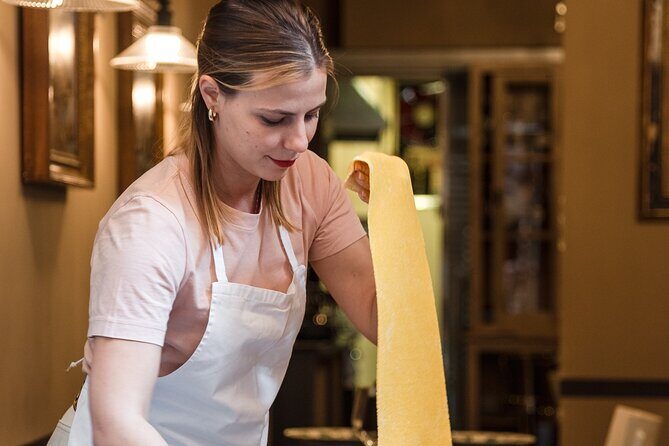
You start at Piazza dei Crociferi, 25 (00187 Roma RM). That matters because it puts you in the Rome core, where you can walk or use public transit to get there. If you like keeping your day simple, this location makes it easy to roll directly into sightseeing afterward.
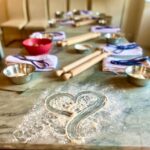
When the group gathers, you get a welcome drink—prosecco—and then you jump into the kitchen work. That first drink isn’t just a nice touch. It helps you shift from tourist mode into workshop mode. You’ll be standing, rolling, pressing, and listening for cues. Prosecco at the front keeps the mood relaxed, especially if you’re doing pasta for the first time.
Because the class size is limited to 10 travelers, the teaching stays interactive. I’ve also seen previous guests mention instructors like Elisabetta and Maria as patient and hands-on. If your personality is the type that learns better by doing, this setup usually works well.
Making Fresh Tagliatelli: Pastry Prep and the Pasta Machine
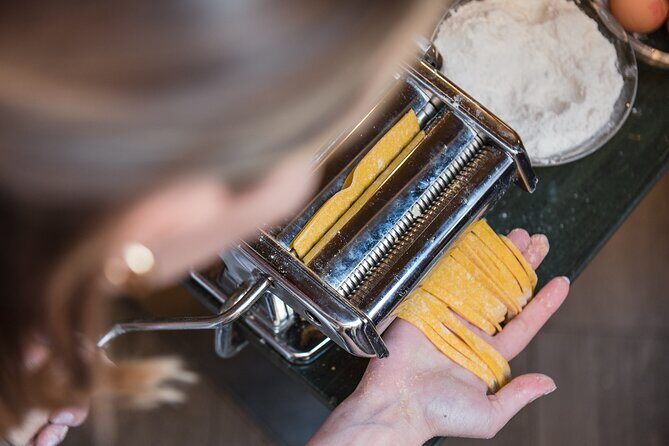
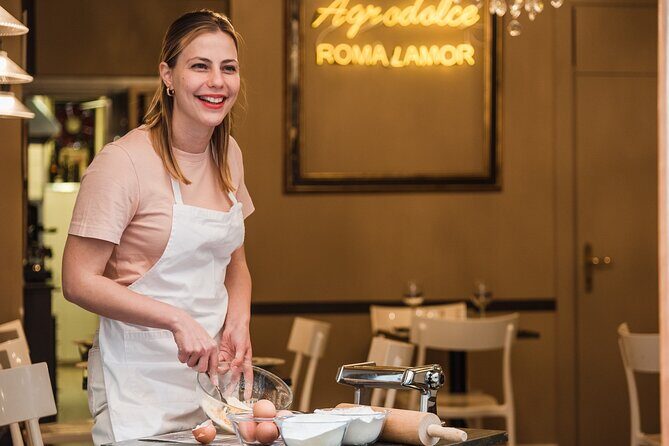
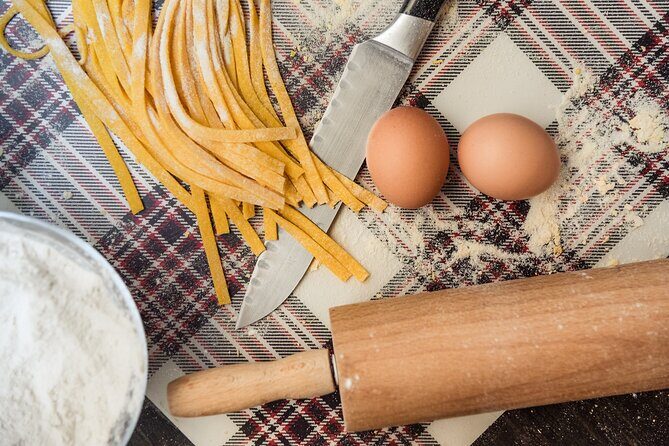
This is where the class becomes genuinely practical. You’ll learn how to prepare the pasta pastry and then make fresh home-made tagliatelli using a pasta machine. Roman-style pasta is a great choice for a beginner class because the core skills translate across dishes: dough consistency, rolling thickness, and clean cutting.
Here’s what you should expect in the real rhythm of the lesson:
- You start with the dough/pastry preparation step, where you learn how the ingredients come together and what the texture should feel like.
- Then you move into using the pasta machine, which turns your dough into sheets and then into noodles.
- You’ll handle the machine and shaping steps rather than just watching someone else do it.
A quick reality check: pasta dough can be a little sticky, a little stubborn, and occasionally messier than you expect. That’s normal. The benefit of a small class is that the instructor can guide your grip, sheet thickness, and technique while you’re still in the learning zone.
Also, this class doesn’t just focus on output. You’ll get explanations along the way. That makes it easier to recreate at home because you understand what you’re aiming for, not just the final shape.
What You Take Home (and What You Don’t Eat) After Class
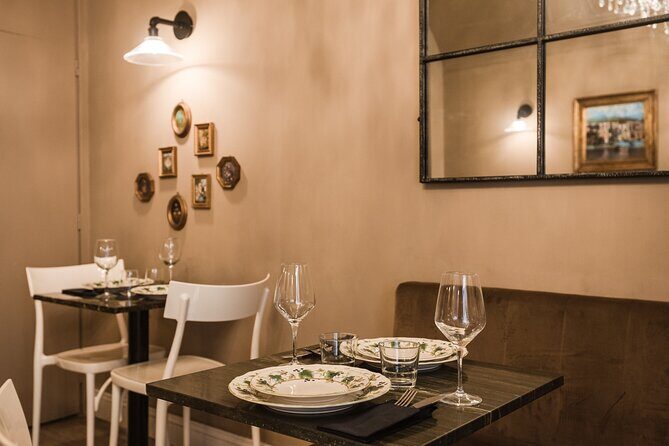
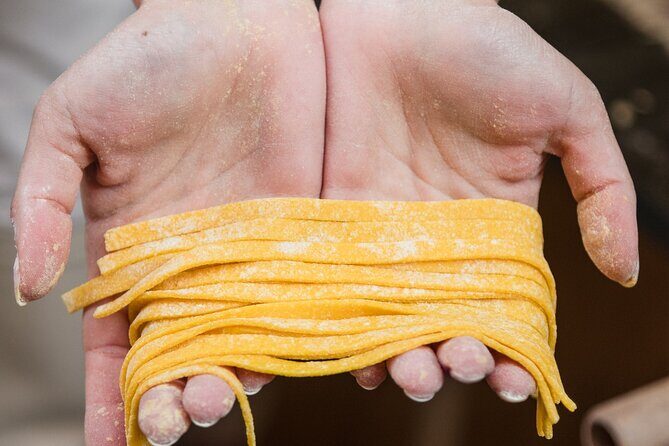
This part clears up the biggest confusion. You’ll take home the pasta you created during the class. That’s huge, because it turns the experience into an at-home cooking project later.
But you should also know the lunch detail up front: for health code reasons, the pasta served for lunch will not be the exact pasta prepared during your cooking lesson. In other words, you’ll cook for learning and for your take-home box, while the restaurant kitchen handles the lunch portion under their procedures.
From a planning standpoint, this is actually a good deal. It means:
- You don’t have to worry about whether the noodles you made were handled in a way that’s appropriate for eating during class.
- You still get a “real lunch” experience at the restaurant.
- Your effort isn’t wasted—because the take-home pasta is yours.
You’ll likely finish class with a feeling of accomplishment and a bag/box of fresh pasta that you can cook later. That’s one of the best ways to extend your Rome day into your trip memory, not just your camera roll.
Tiramisu Workshop: Your Dessert Before the Meal
Tiramisu tends to be the dessert people order in Rome and then never quite nail at home. This class helps because it teaches you the steps, not just the taste.
You’ll finish by making tiramisù, which means you’re working through the classic build process with guidance from the chef. While I can’t promise every class follows the exact same minute-by-minute method, the core outcome is consistent: you’ll produce your own tiramisù as part of the lesson.
What makes this part special is the pairing with lunch. You create the dessert in the same session, then sit down after to enjoy it. That reduces the “timing pressure” that sometimes happens in cooking classes where you make food and then everyone disperses.
Also, because you can take home your pasta, tiramisù becomes the dessert component of your at-home continuation plan too—either as something you can reference for later, or as a skill you’ll repeat if you fall in love with the texture and balance.






Lunch at the Restaurant: Pro-level Food Without the Cooking Overhead
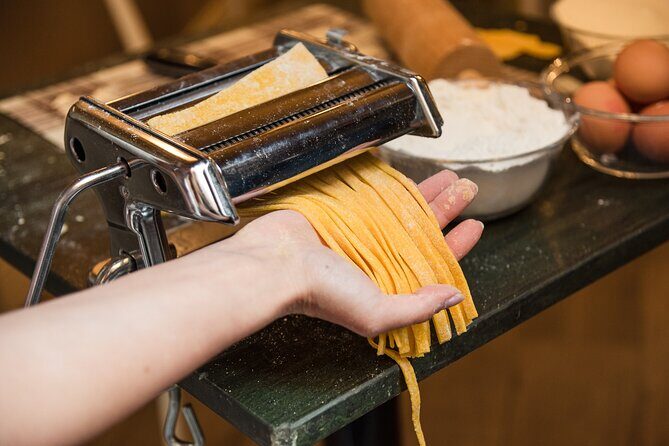
After you finish your pasta and tiramisù work, you get lunch. What’s included here is clear:
- lunch with freshly cooked pasta & tiramisù
- and you’ll also get the welcome drink earlier in the class
The key note is that the pasta served for lunch won’t be the exact pasta you rolled during the lesson. That’s the health-code rule. The upside is that you still get an authentic restaurant meal right there, which is part of why this experience feels like it belongs in Rome—not like a tourist factory.
From a value perspective, this lunch inclusion is what makes the class feel “worth it” even if pasta-making isn’t your hobby. You’re not paying only for a workshop. You’re paying for instruction and then a proper sit-down meal that ends the experience cleanly.
Vegan-Minded Option: How the Course Adapts
The experience offers a special vegan-minded course for vegetarians or vegans. That means you shouldn’t have to choose between participating and being comfortable with what you’re making and eating.
What I can say from the information provided: the course is offered as a dedicated option rather than a random substitution. If you’re vegan or vegetarian, look for the vegan-minded version when booking so the class materials and meal plan match your needs.
If you’re traveling with mixed diets, this is also useful. A class that explicitly mentions vegan-minded learning tends to keep the experience inclusive rather than awkward.
Duration, Group Size, and Mobile Ticket: The Practical Stuff That Matters
The class lasts about 1 hour 30 minutes. That’s a realistic chunk of time for a lunch-adjacent plan in Rome. It’s long enough to learn actual technique with your hands on dough and a machine, but short enough that you can still see sights afterward.
You’ll also get a mobile ticket, which usually means less paper handling and fewer steps once you arrive. It’s a small thing, but in Rome, small things are often the difference between smooth and stressful.
The maximum group size is 10 travelers, which is a big deal for a cooking class. With more people, someone always gets stuck waiting. With a small group, the instructor can correct technique while you’re actively working, and you’re more likely to get your questions answered instead of brushed off.
Who Should Book This Pasta and Tiramisu Class?
This is a strong match if you want:
- a hands-on introduction to Italian cooking with a clear structure
- classic Roman-style pasta skills you can reuse later
- a dessert lesson that pairs perfectly with lunch
- a small group class where you’re not just observing
It’s also great for couples and small groups. Several guests have described the class as intimate, which tends to happen naturally when the group stays under 10 and the kitchen setup supports everyone working.
If you’re the type of person who loves food but hates food lectures, you’ll probably like this. You get explanations, but the real focus is doing: pastry prep, machine rolling, cutting, and making tiramisù.
Should You Book This Pasta and Tiramisu Class or Skip It?
I think you should book if you want one afternoon that gives you both a meal and a skill. The combination of fresh pasta you take home plus included lunch is what tips it from novelty into a genuinely useful experience. You leave with something to cook again later, not just a memory.
You might skip it if:
- you only care about eating and not learning, or
- you’re uncomfortable with the idea that the pasta you make won’t be the exact pasta served for lunch.
But if you’re open to that health-code reality, the format is straightforward and satisfying. And if the class price shown is truly $0.00, it’s hard to argue with that value proposition—just verify the final price at checkout.
FAQ
FAQ
Where does the pasta and tiramisu class start?
You start at Piazza dei Crociferi, 25, 00187 Roma RM, Italy.
How long is the experience?
It lasts about 1 hour 30 minutes.
What’s included in the price?
The experience includes a welcome drink (prosecco), all equipment, and lunch with freshly cooked pasta and tiramisù.
Do I get to take home the pasta I make?
Yes. You can take the pasta you created during your class home with you.
Will I eat the exact pasta I make during class?
No. For health code reasons, the pasta you eat for lunch will not be the exact pasta prepared during your cooking class.
Is there a vegan option?
Yes. There is a special vegan-minded course for vegetarians or vegans.
What is the cancellation policy?
Free cancellation is available. You can cancel up to 24 hours in advance for a full refund; within 24 hours there is no refund.