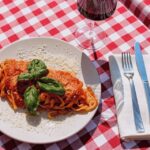
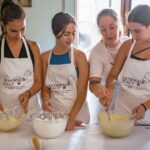
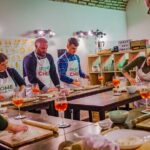
Fresh pasta in Rome is serious business.
This class is a hands-on way to learn classic Roman pasta and sauce-making in a real cooking setup, not a demo. You’ll make fresh dough, shape typical Roman pasta like tonnarelli, then sit down to taste what you helped create.
I especially like two things: the small-group feel (some groups can be just a few people) and the teaching style—hosts like Francesca and Michela are praised for clear, step-by-step instruction and recipes you can take home. You also get a proper meal out of it, not just a bite.
One thing to consider: you’ll need to handle your own way to the meeting point in central Rome, since private transportation isn’t included.
In This Review
- Quick reasons this Roman pasta class works
- Roman pasta in Rome: what you’re really signing up for
- Piazza Margana meeting point: easy to get to, but plan your arrival
- The 3-hour flow: what happens during the class
- 1) Welcome and pasta-making basics
- 2) Shaping Roman pasta (this is the skill you’ll use later)
- 3) Sauce lessons: Carbonara, Amatriciana, and Cacio e Pepe
- 4) Tasting lunch with wine and soft drinks included
- What “authentic Roman techniques” means in real life
- Instructors: why names like Francesca and Michela keep coming up
- Beverages and lunch: what’s included (and why it boosts value)
- Price and value: is $106.65 per person fair?
- Who should book this class (and who might want a different plan)
- Small group size: why it matters for your pasta
- Take-home recipes: the part that keeps paying off
- Simple tips to get the most from your pasta class
- Should you book “Classic Roman Pasta Making: Carbonara & More”?
- FAQ
- How long is the Classic Roman Pasta Making class?
- Where does the class meet in Rome?
- What languages are offered?
- What’s included in the price?
- Do you receive recipes to take home?
- Is transportation included?
Quick reasons this Roman pasta class works
- Tonnarelli-focused pasta making with hands-on shaping, not just watching
- Roman classics on the menu: Carbonara, Amatriciana, and Cacio e Pepe
- Recipe take-home so your cooking session doesn’t end when the class ends
- Wine and soft drinks included alongside what you cook and eat
- English offered, with a licensed/certified guide behind the experience
- Central meeting point near transit (Piazza Margana) makes it easier to fit into a day
Roman pasta in Rome: what you’re really signing up for
This isn’t a cooking class where you race through steps while someone else does the work. The value here is that you’re learning the actual rhythm of making fresh pasta and building Roman sauces with expert guidance in a tight time window.
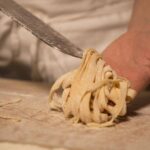
You start with dough and learn how Roman pasta is shaped—especially tonnarelli, a typical style you’ll likely recognize if you’ve eaten fresh Roman pasta in trattorias. Then you move into the sauce side of the lesson with the big three: Carbonara, Amatriciana, and Cacio e Pepe.
And yes, the payoff matters. You don’t just leave smelling like pasta. You taste what you made, and the class includes wine (red and white) plus soft drinks and water.
You can also read our reviews of more cooking classes in Rome
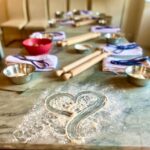

Piazza Margana meeting point: easy to get to, but plan your arrival
The class starts at Italian cooking classes in Rome, Piazza Margana, 21, 00187 Roma RM. It also ends back at the meeting point, so you’re not dragged across the city at the end, when you might be hungry and a little sauce-splattered.
The good news: it’s marked as near public transportation, so you can usually connect quickly from many central neighborhoods. Also, you’ll have a mobile ticket, and you get confirmation when you book.
The main practical catch is transportation to the meeting point. The class price covers the cooking experience, the guide, ingredients, and beverages—but private transportation isn’t included. If you’re staying in a more outlying area, give yourself extra time to get there.
The 3-hour flow: what happens during the class
The experience runs about 3 hours. Within that window, the structure is built around doing the work, not just learning about it.
1) Welcome and pasta-making basics
You’ll begin with the chef/host introducing the method and what you’ll be making. You’ll be guided through hands-on preparation of fresh handmade pasta, with a focus on typical Roman shapes—again, especially tonnarelli pasta.
Even if you’ve never made pasta before, this class is designed for beginners. The reviews consistently point to instructors who explain the steps clearly and help you stay calm when the dough does its own thing.
2) Shaping Roman pasta (this is the skill you’ll use later)
Shaping is where you actually learn something transferable. You’re not just cooking; you’re building muscle memory for Roman-style pasta forms. That’s the reason people leave with confidence, not just recipes.
And because it’s taught with small-group attention, you’re less likely to get lost in the middle of a step. One review describes a very personal class when the group was tiny—so the teacher could tailor help easily.






3) Sauce lessons: Carbonara, Amatriciana, and Cacio e Pepe
Next comes the sauce part. The class focuses on classic Roman sauces—Carbonara, Amatriciana, and Cacio e Pepe—prepared with high-quality local ingredients by your chef.
Important nuance: the tour info says the chef prepares these sauces. In practice, your role is still hands-on in the sense that you’re working in the kitchen during preparation and then tasting what you helped create. You’re meant to learn the approach, not just collect a finished plate.
4) Tasting lunch with wine and soft drinks included
Finally, you sit down and taste what you made. This is where the class pays off: you’ll eat the pasta and sauces you worked on, and the experience includes selected wines (red and white) plus soft drinks and water.
The drinks are part of why the room feels relaxed. One review notes unlimited refreshments and wine helping the vibe feel friendly—like cooking with people, not performing in front of a group.
What “authentic Roman techniques” means in real life
Roman pasta making can be intimidating if you only know Italian cooking from videos. Here’s what makes this class feel genuinely Roman rather than generic:
- The pasta shapes are Roman (including tonnarelli), not just any Italian noodle.
- The sauce lineup is Roman-specific: Carbonara, Amatriciana, and Cacio e Pepe.
- You get guided instruction from instructors recognized for education—hosts like Francesca and Michela are repeatedly singled out for being detailed and helpful.
Authenticity, in my book, isn’t about a fancy story. It’s about getting the fundamentals right and leaving with the ability to repeat them. The take-home recipes matter for that.
Instructors: why names like Francesca and Michela keep coming up
The experience is led by an expert chef, and the guide is licensed or certified. Beyond that, the vibe is what people remember.
Across the class feedback, Francesca comes up as a warm, funny teacher who walks students through steps clearly and makes the process feel achievable. Michela is praised for being very detailed and informative—not just about what you’re making, but also about Italian food culture.
That teaching style is practical. If you’re a beginner, it helps you avoid the classic pasta-making trap: rushing, overthinking, and losing confidence. If you’re a more experienced home cook, the clear pacing and small-group attention help you spot where your technique usually goes off track.
Beverages and lunch: what’s included (and why it boosts value)
The class price includes beverages, and that’s a real part of the value equation. You get:
- Bottled water
- Soda/Pop
- Alcoholic beverages
- Selected wine (red and white) plus soft drinks
- Water is included, too
So your “meal” cost is partially baked into the class. You’re paying for the chef, ingredients, instruction, and the dining moment. In Rome, that matters because a good lunch plus wine can add up fast.
This also changes the feel of the lesson. The wine and refreshments aren’t an afterthought. They support a longer, slower kitchen rhythm—one that makes it easier to stay present while you learn.
Price and value: is $106.65 per person fair?
At $106.65 per person for about 3 hours, this class isn’t a bargain-basement activity. But it can be a good deal if you look at what you’re actually receiving:
- Hands-on instruction from a chef/host in English
- Fresh pasta-making with Roman shapes
- Instruction around classic Roman sauces (Carbonara, Amatriciana, Cacio e Pepe)
- A sit-down tasting meal
- Wine, soft drinks, and bottled water included
- Take-home recipes so you can recreate it later
You’re not just buying a ticket. You’re buying time with an expert, ingredients, and a full lunch experience. If you usually spend big on guided food experiences in Rome, this is one of the few formats where you leave with cooking skills—not just a full stomach.
Who should book this class (and who might want a different plan)
This is a strong fit if:
- You’re a beginner who wants a genuine pasta-making experience
- You’d rather learn by doing than by watching
- You want to bring a skill home with recipes
- You like Rome food culture and want the sauce-and-shape pairing to click in your head
It may be less ideal if:
- You only want a quick tasting and don’t care about hands-on learning
- You’re tight on time and can’t get to Piazza Margana easily
- You dislike cooking tasks during a vacation day (this is active, not passive)
If you’re traveling as a couple, this tends to be a great “shared skill” activity. The class can also feel intimate when the group is small, and one family-style group scenario was specifically mentioned as working out well.
Small group size: why it matters for your pasta
The tour lists a maximum of 50 travelers, which is the ceiling. The practical experience, though, tends to feel much smaller because it’s a cooking class with hands-on tasks.
A small group is where you get real attention. You can ask questions. You can get help when dough sticks. You can adjust when your pasta thickness is off. And you’re not waiting forever for someone to check your work.
If you love “less crowd, more conversation,” this is the kind of class where that usually happens.
Take-home recipes: the part that keeps paying off
Recipes you can take home might sound like paperwork. In reality, it’s a big part of why people rate this class so highly.
You learn techniques you can repeat, then you use the recipes to recreate them later. That means the class becomes more than one meal in Rome. It becomes your go-to Italian night at home.
Simple tips to get the most from your pasta class
You’ll enjoy this more if you show up ready to work.
- Bring an appetite. You’re cooking and then tasting.
- Wear comfortable clothes for a hands-on session.
- If you’re a first-timer, don’t expect perfection. The goal is understanding the method.
- Since it’s in central Rome at Piazza Margana, plan your route early so you don’t stress at the start time.
Should you book “Classic Roman Pasta Making: Carbonara & More”?
I’d book it if you want an authentic Roman food experience where you actually make something, eat it right away, and leave with the means to repeat it. The combination of hands-on pasta shaping, Roman sauces like Carbonara, Amatriciana, and Cacio e Pepe, and included wine turns it into a full-value lunch experience.
Skip it if you’re only looking for a tasting and you hate active lessons. Also, if getting to Piazza Margana is a hassle for you, pick a different class closer to where you’re staying.
FAQ
How long is the Classic Roman Pasta Making class?
It runs for about 3 hours.
Where does the class meet in Rome?
The meeting point is at Italian cooking classes in Rome, Piazza Margana, 21, 00187 Roma RM, Italy.
What languages are offered?
The class is offered in English.
What’s included in the price?
You’ll get bottled water, soda/pop, alcoholic beverages, and wine, plus the licensed/certified guide and the tastings of what you prepare.
Do you receive recipes to take home?
Yes, you take home recipes so you can recreate the pasta dishes after the class.
Is transportation included?
No, private transportation is not included.