REVIEW · PRIVATE
Family Friendly Private Vatican Tour and Sistine Chapel
Book on Viator →Operated by Private Tours of Rome · Bookable on Viator
A trip to the Vatican can feel like chaos. This tour turns it into a kid-friendly, art-filled route with a small-group feel and time-saving access. I especially love the family-centered guiding style and the way the guide helps children stay busy instead of stuck watching adults shuffle through crowds. The route includes skip-the-long-lines entry so you lose less time to queues. One thing to plan around: the Vatican can close areas last minute for pope-related events, so the Sistine Chapel and/or St. Peter’s Basilica may switch to an in-museum alternative.
What makes this experience work for families is simple: the guide doesn’t just talk at you. They give children tasks and prompts, and they keep the story moving from room to room. I also like that you end with St. Peter’s Basilica and still keep the day manageable at about 3 hours. The potential drawback is the dress code—no shorts or sleeveless tops, and shoulders and knees must be covered for both men and women.
If you’re traveling with kids, you’re not just buying access. You’re buying a plan that respects attention spans, hot-day energy, and the reality that Rome days go fast.
In This Review
- Key things you’ll appreciate on this tour
- Why this family Vatican plan feels different
- Meeting up at Viale Vaticano and what the flow looks like
- Vatican Museums: where the day gets its momentum (and keeps it)
- Sistine Chapel: “no boredom” art viewing strategies that actually work
- St. Peter’s Basilica: finishing with scale and awe (without the full-day grind)
- Small group comfort: the difference between seeing and surviving
- Skip-the-line access: saving hours is the real luxury
- Price and value for families in Rome
- Who this tour fits best (and who might not)
- Dress code and etiquette tips so you don’t get stopped
- If the Sistine Chapel or Basilica closes: how the day adapts
- Should you book this family Vatican tour?
- FAQ
- How long is the private Vatican and Sistine Chapel tour?
- Is the tour available in English?
- What age is the tour designed for?
- What is the dress code?
- What if the Sistine Chapel or St. Peter’s Basilica is closed?
- How many people are in the group?
- What’s included in the price?
Key things you’ll appreciate on this tour
- Small group size (10 or fewer) for a calmer, more personal pace
- Professional art historian guide with explanations tailored to kids
- Guaranteed skip-the-long-lines with reserved/privileged entry
- Sistine Chapel activities designed to keep children engaged
- Built-in flexibility if the Sistine Chapel or Basilica closes for events
- Dress code requirements handled before you get inside
Why this family Vatican plan feels different
I get it: the Vatican Museums and the Sistine Chapel are famous, but they can also be exhausting for kids. Waiting in line, hearing adults translate lectures, and walking through rooms with no “why should I care?” can drain the whole day. This tour is built to avoid that trap.
Instead of a long, adult-style sightseeing crawl, you get a route that moves in a tight time frame and keeps children involved. The guide’s approach is practical and interactive—prompting kids to look for details and connecting the art to stories they can grasp. That’s a big deal because the Vatican isn’t short on masterpieces, but it is short on patience for little ones.
Also, you get the kind of time advantage families need. The tour includes guaranteed to skip the long lines, which matters more than almost anything when you’re traveling with children. In Rome, the “wait” is where meltdowns happen.
If you’re the adult in charge of making everyone happy, the small group size—10 people or fewer—helps you feel less herded and more guided. It’s still the Vatican (crowds happen), but your day runs with more structure.
You can also read our reviews of more private tours in Rome



Meeting up at Viale Vaticano and what the flow looks like
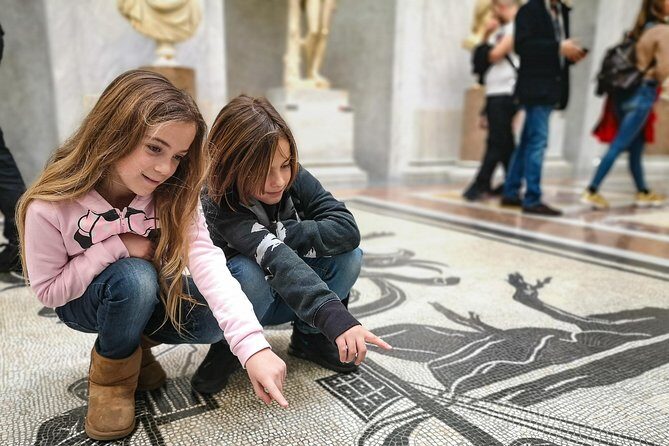
Your tour starts at Viale Vaticano, Roma RM, Italy and ends at St. Peter’s Square (Piazza San Pietro, 00120). That start-to-finish pairing is smart for planning: you enter the Vatican area, then finish at the grand center of St. Peter’s.
Duration is about 3 hours. That length is often the sweet spot for kids old enough to handle art and stories without losing the plot. It also helps adults, because you’re not trying to “power through” the Vatican from morning until late afternoon.
The tour is private, meaning only your group participates. Reviews also suggest it can feel nearly exclusive in practice, which is exactly what you want when you have kids who need breaks or quick reassurance.
Finally, you’ll have a mobile ticket. That’s one less paper thing to manage, especially with children in tow.
Vatican Museums: where the day gets its momentum (and keeps it)
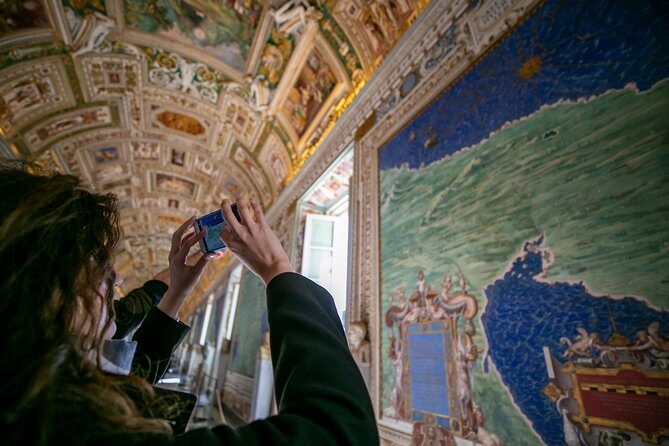
The first stop is the Vatican Museums, with a child-centered route for about 2.5 hours total coverage across the museums portion (the schedule shows a 1 hour 30 minutes block, with the day designed to fit the full itinerary). Here’s how to think about this part: the museums are huge, but you’re not trying to see everything. You’re getting a guided path that helps your family understand what you’re looking at.
What you’ll love:
- An art-historian guide guiding you through major collections and connections between artists and themes.
- A pace that’s built for attention spans. The guide asks and answers in a way that keeps kids engaged, not bored.
Why it works for families
Kids usually don’t struggle with the idea of art. They struggle with the silence, the scale, and the “what am I supposed to look for?” This guide structure helps by giving children conversation points—so they feel included instead of dragged.
You’ll see references to major names like Michelangelo, Raphael, da Vinci, Caravaggio, and others in the way the guide links styles and stories. In other words, you’re not just staring at pictures and hoping it clicks. The guide gives you threads to follow.
One practical plus: the tour is designed with no boredom wait in long lines in mind. The schedule aims to avoid that stuck-in-queue feeling that can derail your whole group.
Possible drawback to consider
Even with guidance, the Vatican Museums are still busy. Your guide will help you navigate the crowds, but you should still plan for a little hustle. If your youngest needs frequent stops, you’ll want to communicate that early so the guide can shape the pacing.
Sistine Chapel: “no boredom” art viewing strategies that actually work
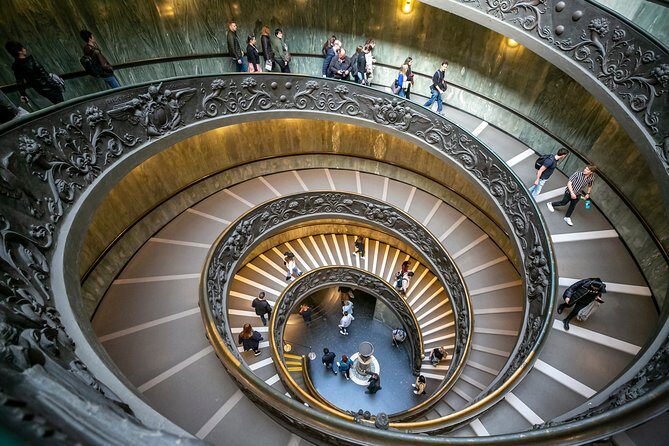
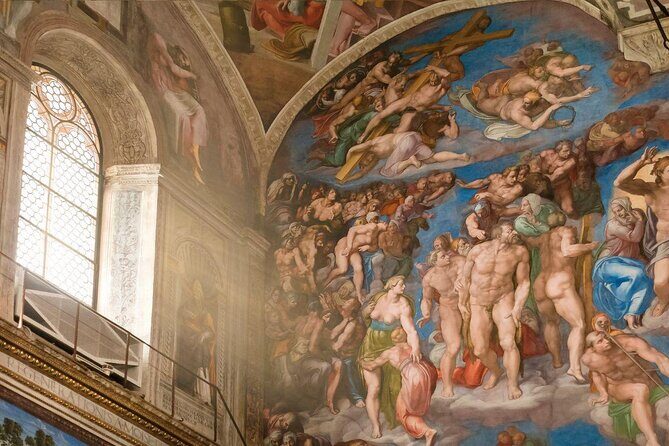
The Sistine Chapel is the main event for most families. The challenge is that it’s also a room that can overwhelm kids: it’s big, it’s crowded, and it’s not a place where kids can run around. This is where the tour earns its reputation.
You get about 30 minutes for the Sistine Chapel, and the schedule shows the admission ticket as included. The guide’s role here is central: children are given prompts and activities to focus them on details.
What kids get from the plan
From actual guide styles mentioned in the experience, this can look like:
- Task lists for what to spot inside the chapel
- Games tied to the scenes and characters
- Question prompts aimed at keeping them actively paying attention
I really like the idea that the guide turns viewing into a challenge rather than passive watching. It also helps that photography rules inside the Sistine Chapel prevent the usual phone-camera distraction. One family note liked this because it forces you to look at what’s in front of you, not through a screen.
Why it’s valuable for adults too
Even if you’ve seen photos before, standing in front of the actual work changes your brain. The guide’s storytelling makes it easier to understand what you’re seeing, without requiring you to read a wall of text. It’s not just spectacle—it’s context, timed to keep everyone engaged.
The big “consider” point: closures can happen
This tour explicitly warns that some areas might close last minute due to pope-related events. If that affects access, the guide provides an alternative focusing on the Vatican Museums. Translation: you still get a meaningful Vatican art experience even if the chapel or Basilica portion can’t happen exactly as planned.
St. Peter’s Basilica: finishing with scale and awe (without the full-day grind)
The final stop is St. Peter’s Basilica, also about 30 minutes, with admission included. This is the kind of place where adults naturally slow down because the building is massive and detailed. For kids, “massive and detailed” can be a problem unless someone gives them something to do with their eyes.
That’s where the guide’s family approach carries through. You’re not just walking and hoping your kids decide to care. The guide helps your group understand what you’re looking at and why the architecture matters.
It’s also a strong ending point. Ending at St. Peter’s Square puts a clean period on the day. You can regroup, take a breath, and plan lunch without feeling like you still owe the Vatican another three hours.
One practical consideration
St. Peter’s Basilica is a place of worship, so you’ll need to keep clothing appropriate (more on dress code below). Also, because you’re ending the tour there, it’s worth having an energy plan for kids—snacks and bathroom breaks can make a big difference. Food and drink aren’t included on this experience, so plan ahead based on your family’s rhythm.






Small group comfort: the difference between seeing and surviving
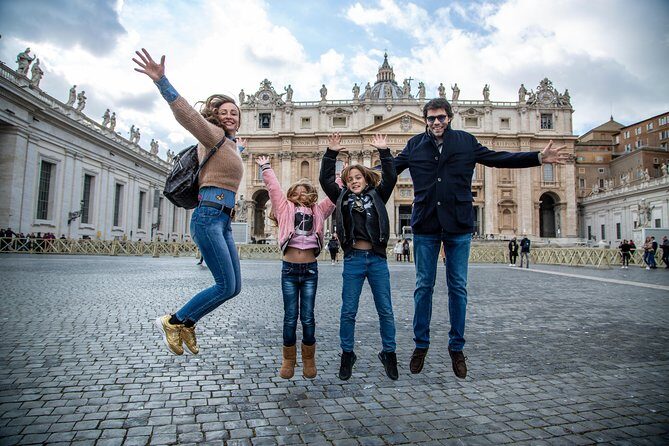
The tour’s “family-friendly private” label matters because it shapes the day in ways a big group tour often can’t.
With a group of 10 people or fewer, you’re more likely to:
- Hear the guide clearly without straining
- Ask questions without waiting your turn forever
- Keep kids close and oriented
- Adjust pace when someone needs a rest or a quick reset
Multiple guide names were praised by families on the experience, including Tomaso, Sarah, Claudia, Francesco, Anna, Alessandra, Valeria, and Marco. That’s a helpful clue: the guide selection seems to be a key part of what makes the tour work. In kid-focused settings, the guide isn’t a side detail—they’re the whole product.
Also, the tour includes blue badge guide and a professional art historian guide, plus a local guide. That combination usually means you get both art interpretation and on-the-ground navigation. In plain terms: less confusion, more smooth walking, and better explanations.
Skip-the-line access: saving hours is the real luxury
At the Vatican, “time” is the expensive part—not the art. The tour includes guaranteed to skip the long lines and uses privileged entry/reserved admission approach. That means you’re less likely to spend your best energy standing still.
For families, fewer lines can mean:
- Kids staying calmer because they’re not stuck for 45 minutes with nothing to do
- Less heat exposure and less frustration
- More time inside the rooms where paying attention actually matters
This is also why the timing of your day matters. With private, structured flow, you’re not forced into the slowest-moving group schedule.
One more detail: this experience is offered in English. If you’re traveling with English-speaking children who respond well to interactive storytelling, that’s ideal.
Price and value for families in Rome
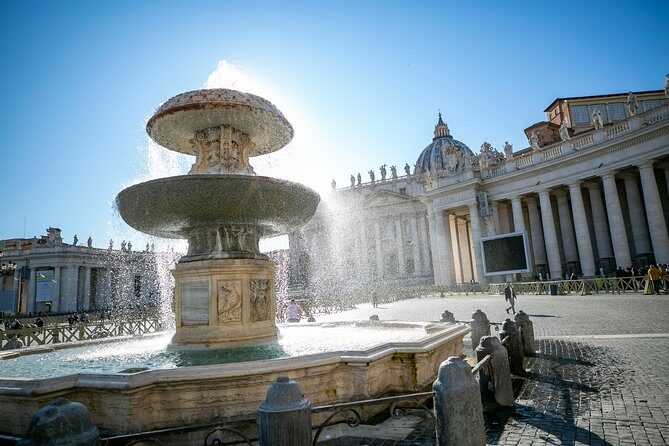
At $395.28 per person for about 3 hours, this isn’t a budget add-on. It’s more like a “make the day work” investment. Here’s how to judge whether it’s worth it for your family:
You’re paying for:
- A private experience (your group only)
- Small group size at most 10 people
- Professional art historian guiding
- Guaranteed skip-the-line time savings
- Family-focused engagement methods for kids
If you’re visiting the Vatican with children, skipping the long lines can effectively turn the day from stressful to manageable. That alone often justifies higher tour pricing. Then you add the guide style—kids are actively involved, not just tolerated—which is where the value really shows.
If you have older teens who can self-navigate, you might not need a guide. But for kids, especially younger ones, the guide’s job is to convert “a famous building” into “a story my brain can hold onto.”
Also, this tends to book ahead: it’s commonly reserved about 45 days in advance on average. If your dates are fixed, waiting can become annoying fast.
Who this tour fits best (and who might not)
This tour is tailored for kids 6+. Younger kids are welcome, but they may not stay as engaged for the full time. That matches how most families experience Rome: older kids can handle the themes and prompts; younger kids need a tighter pacing and more “watch me” energy.
This is especially a good choice if:
- You want a guided art path without the mental overload
- You’re traveling as a family group and need everyone’s attention managed
- You’re prioritizing the Sistine Chapel and want a kid-focused approach
- You’d rather pay more than gamble on a smoother day
It may be less ideal if:
- Your kids are happy to wander independently through major art sites with minimal guidance
- Your group doesn’t care about spending time on art interpretation at all
Dress code and etiquette tips so you don’t get stopped
Because this includes places of worship and selected museums, a dress code is required. That means no shorts or sleeveless tops, and knees and shoulders must be covered for both men and women. If you don’t comply, you risk refused entry.
Practical tip: do a quick clothing check before you leave your hotel. Rome tours can start faster than you think, and buying last-minute coverups can be a hassle.
If the Sistine Chapel or Basilica closes: how the day adapts
This experience includes a clear heads-up: due to the pope’s busy schedule and mass events, some areas might close last minute. If that happens, you won’t be left empty-handed. Your guide will provide an alternative that keeps the tour focused inside the Vatican Museums.
That matters because it reduces risk. You still get a guided art day, even if the exact highlights shift.
Should you book this family Vatican tour?
If you want the Vatican to feel like a win instead of a test, I’d book it—especially when you’re traveling with kids. The main reasons are the ones that matter most in real life: skip-the-line access, small-group private feel, and kid-centered guiding that gives children a job while you get the art context too.
The price is steep, but it’s also structured for families who don’t want to spend hours waiting or negotiating attention. If your family includes kids around 6 to early teens, this tour is likely to feel like a smart purchase, not an indulgence.
If you’re traveling with very young kids who might struggle with the pacing, go in with eyes open. You can still do it, but you’ll want to be flexible and ready to take short breaks as needed.
FAQ
How long is the private Vatican and Sistine Chapel tour?
The tour lasts about 3 hours (approx.).
Is the tour available in English?
Yes, it is offered in English.
What age is the tour designed for?
It is tailored for children ages 6 and up. Younger kids are welcome, but they may not be fully engaged.
What is the dress code?
You need shoulders and knees covered. No shorts or sleeveless tops are allowed for both men and women.
What if the Sistine Chapel or St. Peter’s Basilica is closed?
Some areas might close last minute due to events. If that happens, the guide provides a valuable alternative focusing on the Vatican Museums.
How many people are in the group?
It’s a private tour, and it’s described as a small group of 10 people or fewer for a more personal experience.
What’s included in the price?
Included items are local taxes, a blue badge guide, a local guide, a professional art historian guide, and guaranteed skip-the-long-lines access. Food and drink are not included.