REVIEW · WALKING TOURS
Best of Rome Walking Tour and Master of Pizza Class
Book on Viator →Operated by J&H Enterprises, LLC · Bookable on Viator
Pizza and Rome in one smooth afternoon. This Best of Rome Walking Tour and Master of Pizza Class is built for first-timers who want smart context fast, then a hands-on pizza-making lesson that actually changes how you taste the city. You’ll start at Piazza di Spagna and walk past big names like the Pantheon and Trevi Fountain, with the kind of local explanations that help monuments click instead of blur together.
I especially like the format because it splits your day: short, focused sightseeing up front, then a very practical workshop where a pizzaiolo shows you how to make Roman pizza dough and stretch it thin. The class also lets you choose toppings in a way that doesn’t feel like you’re eating a pre-made “tour pizza.” One thing to keep in mind: like any tour with a lot of moving parts, plans can change—pizza classes can be swapped to pasta or moved if something unexpected happens, and a few people reported trouble finding the guide at the meeting spot.
That said, when it works well, it feels like a high-value Rome intro. Guides such as Simone, Sara, Nina, Chris, and Richie come up again and again for being friendly and keeping the pace steady even on hot days. Just go in with the right expectations: this is a “see a lot, learn the essentials” tour, not a slow ramble where you linger for hours at one view.
In This Review
- Key highlights you’ll feel right away
- Starting at Piazza di Spagna: the easiest way to get oriented fast
- Walking Rome’s headline sites without getting lost in details
- Pizza-making class: what you learn (and what you’ll want to repeat)
- The oven-to-eating payoff: pizza that feels like dinner, not a stunt
- When pizza plans shift: swaps, moves, and last-minute changes
- Group size and pace: who will love this and who might not
- Price and value: why this costs what it costs
- Practical tips that make the tour smoother
- Should you book this Rome walking tour and pizza class?
- FAQ
- Where does the tour start and end?
- How long is the tour?
- What is included in the experience?
- What language is the tour offered in?
- What group size should I expect?
- Is a mobile ticket provided?
- What should I do if I have dietary restrictions?
Key highlights you’ll feel right away
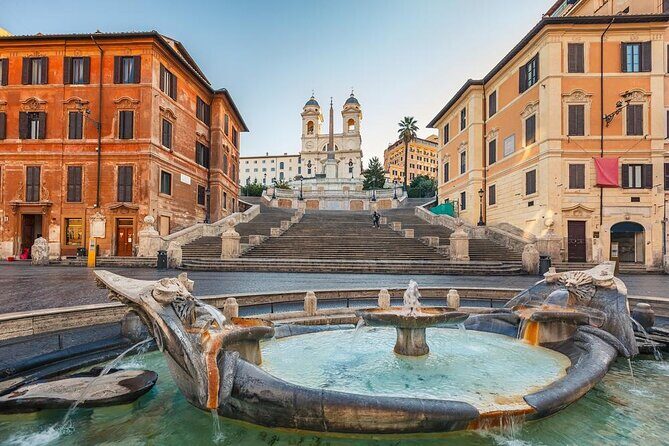
- Spanish Steps start, easy to reach, ends where you begin: Piazza di Spagna is the anchor point, and the tour returns there.
- Icon walk with story context: The route includes the Pantheon and Trevi Fountain, plus the coin-throw legend people repeat for a reason.
- Dough from scratch, then thin-stretched Roman pizza: You don’t just assemble—you learn the hands-on method.
- Real oven, real technique: The baking step happens in a traditional pizza oven, not just a kitchen demo.
- Small group cap (up to 20): More time to ask questions and less chaos than big bus-style tours.
- Good with families: Kids from about 7 to teens often have a great time making pizza with the chef and guide translating.
Starting at Piazza di Spagna: the easiest way to get oriented fast
The meeting point is Piazza di Spagna, address 18. This matters more than it sounds, because when you’re brand new to Rome, getting your bearings from one central spot saves time and energy. It’s also in a part of town with good transportation options, so you’re not forced into a long trek just to start.
The tour is listed at about 4 hours, and the walking portion is designed to be manageable. People described the sightseeing as “not too long” and paced so you can still enjoy the moments for photos without feeling like you’re in a never-ending parade.
One practical takeaway: because the end point is the same as the start, you don’t have to solve the “How do we get back?” puzzle at the end of a busy afternoon. If you’re planning dinner afterward, this is a huge convenience.
You can also read our reviews of more walking tours in Rome
Walking Rome’s headline sites without getting lost in details
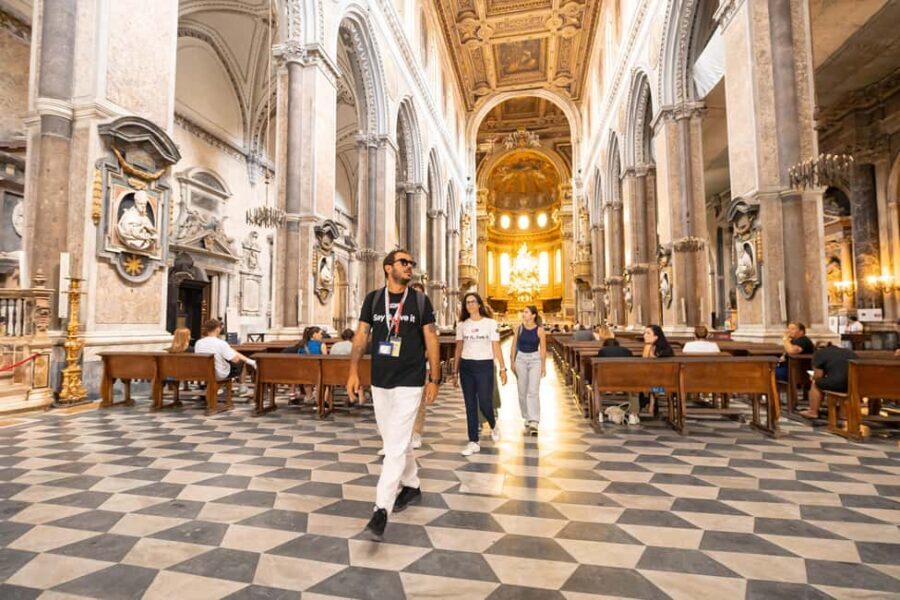
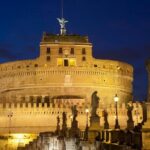
This isn’t a tour where you memorize dates. It’s more about understanding what you’re looking at and why it matters. You’ll walk past major landmarks that most first-timers recognize immediately—especially the Pantheon and Trevi Fountain—and the guide gives you the kind of practical “what to look for” context that helps you notice the details on your own later.
For Trevi Fountain, expect the classic legend tied to the coin toss. You’ll hear it in a way that makes it feel like a living tradition rather than a trivia fact. The best tours give you enough story to remember, then enough direction to see what’s actually in front of you.
At the same time, you shouldn’t expect long stops at every photo spot. Some people loved the brevity because it prevented the day from dragging, especially if you’re jet-lagged or have limited time. Others with a “we need to linger” mindset might feel a bit rushed. If you’re the type who wants to sit and watch life at the fountain for an hour, this may not be your ideal pace.
Pizza-making class: what you learn (and what you’ll want to repeat)
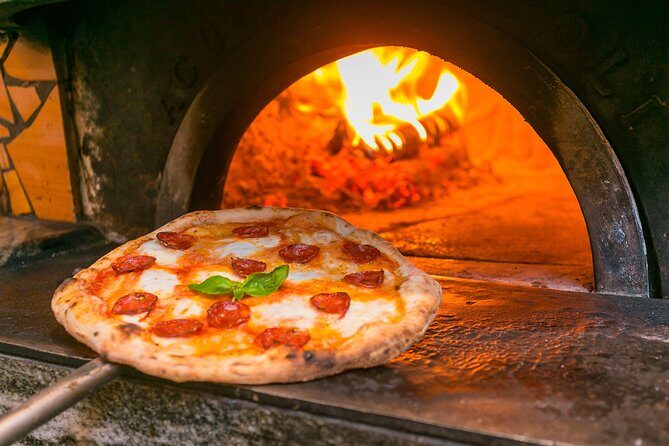
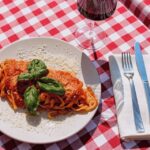
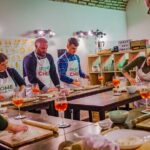
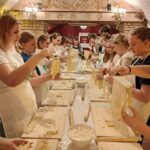
Here’s where the experience turns from sightseeing into something you can take home. The class is led by a professional pizzaiolo (pizza maker), and the focus is on Roman pizza technique.
You should expect a full cycle of skills:
- Make dough from scratch
- Stretch it thin—soft, flexible, and as thin as paper
- Build the sauce and toppings
- Bake in a traditional pizza oven
This is the part that most people talk about with real enthusiasm because you’re not just watching. You’re doing the work, and that hands-on step gives you a mental map of why Roman pizza feels different from what you might get elsewhere.
A small caution based on real experiences: a couple of people said they weren’t shown every dough step as clearly as they expected. Another person noted they learned mainly by rolling and stretching rather than seeing each instruction broken down like a cooking class video. So if you’re the kind of cook who wants very clear modeling at each step, lean into questions during the lesson and ask the guide to show again if you miss a move.
Also note the language dynamic. The chef may not speak English, so the guide becomes the translator. That’s normal in Rome, and when the guide is strong (and many were praised for this), it flows smoothly.
The oven-to-eating payoff: pizza that feels like dinner, not a stunt
The tour is designed so pizza wraps up your Rome sightseeing. That’s not just convenient—it changes how you enjoy the meal. You’re already walking the city, noticing texture and architecture, and then you sit down for something you made yourself.
People described the results as delicious and memorable, and they especially liked things like:
- having enough topping freedom to personalize
- getting both savory pizza and sometimes a sweet pizza option
- taking leftovers home when portions and leftovers make sense for the group
One useful tip: if you can, time your food expectations. A few people suggested not eating beforehand so you can fully enjoy what you make (including dessert, when offered). Even if you normally snack, this is one tour where arriving hungry is a win.
When pizza plans shift: swaps, moves, and last-minute changes
This is the part you should treat like grown-up travel: plan for hiccups, but don’t panic.
A few people experienced changes such as:
- a pizza class being canceled and replaced with a pasta class
- the cooking session being moved to a different pizzeria due to an issue with the chef
- confusion around where the alternate class would happen and whether the tour would still clearly connect the dots
None of this means the tour is unreliable. It means you should stay flexible. If you’re booking this as a surprise for kids or a “once in Rome” bucket-list item, it’s smart to confirm the details the day of your tour—especially where you should go for the cooking portion if anything changes.
Also, consider being extra careful at the meeting spot. There were incidents reported of guides not arriving on time or contact being difficult. You can’t control that, but you can control how prepared you are: arrive early, keep your phone charged, and have the contact info accessible so you can respond quickly.
You can also read our reviews of more tours and experiences in Rome

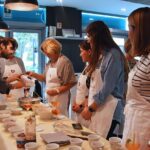
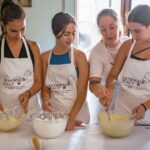
Group size and pace: who will love this and who might not
The tour caps at 20 travelers. That size is big enough to run smoothly but small enough that you’re not just a body in a crowd. Several people said their group felt friendly, and some even ended up with a smaller setup than expected.
The pacing is “see the essentials,” not “stop everywhere.” On hot days, guides like Nina and Simone were praised for keeping people engaged without overloading them. For families, that matters. Kids often want momentum—something new happening soon—and pizza-making provides that natural break.
If you’re traveling with:
- kids (from around 7 onward were mentioned)
- teens who need something active to stay engaged
- first-timers who want a structured overview without drowning in details
…this tour is a strong match.
If you’re someone who wants slow, contemplative time at a single monument, you might feel the walking stops are brief. The good news is you’ll have the route knowledge later, so you can return on your own time.
Fitness-wise, it’s listed for a moderate physical level. Rome isn’t flat, and you’ll walk. Comfortable shoes are not optional; they’re how you avoid turning the tour into a foot-ache marathon.
Price and value: why this costs what it costs
The price is $104.38 per person for about 4 hours. On the surface, it’s not “cheap,” especially compared with a basic walking tour. The value comes from the combo: guided sightseeing plus a structured pizza workshop with a pizzaiolo, dough-making, toppings, and baking.
You’re paying for three things:
- a guide who explains what you’re seeing (so you don’t need to research everything)
- a cooking class with real technique (so you’re learning more than assembly)
- a meal outcome that you can share and remember
In other words, you’re not just booking a walk—you’re booking a half-day activity that ends with food you made. That tends to feel like better value than tours where you watch something happen and then eat somewhere unrelated.
One booking note: it’s typically booked around 19 days in advance on average. That suggests you should plan ahead if your dates are tight, especially if you want a specific time slot.
Practical tips that make the tour smoother
A few small moves will protect your day:
- Arrive at Piazza di Spagna early so you’re not stuck searching if the group starts on time.
- Bring water. Even when the walking is not long, Rome heat can hit hard.
- Use the mobile ticket on your phone right when you arrive.
- If anyone in your group has dietary needs, tell the operator at booking. The tour data says they ask for dietary requirements ahead of time.
- If you’re sensitive to accents or spoken English clarity, consider asking questions before you go—some guides were praised for excellent English, and one person reported difficulty understanding a guide’s accent.
And for pizza success, keep your expectations simple: follow instructions, don’t worry about making it look perfect, and focus on technique. The “thin-stretched” style sounds fancy, but you’ll learn the method step by step.
Should you book this Rome walking tour and pizza class?
I’d book it if you want a practical Rome intro in half a day—Pantheon and Trevi Fountain on foot, then a real cooking session where you make Roman pizza dough and bake it in a traditional oven. It’s especially good for first-timers, families, and anyone who likes active learning more than museum-style listening.
I’d think twice if you’re expecting long, unhurried time at each monument, or if your schedule can’t handle an occasional cooking swap or move. If pizza is your top priority, do a quick confirmation before you leave and be ready with a plan B if you get told the class has shifted.
If you want Rome in one day that you can actually taste, this is one of the better ways to do it.
FAQ
Where does the tour start and end?
It starts at Piazza di Spagna, 18, 00187 Roma RM, Italy and ends back at the meeting point.
How long is the tour?
It runs about 4 hours (approx.).
What is included in the experience?
The experience includes a pizza making class.
What language is the tour offered in?
It’s offered in English.
What group size should I expect?
The tour has a maximum of 20 travelers.
Is a mobile ticket provided?
Yes. The tour includes a mobile ticket.
What should I do if I have dietary restrictions?
You should advise any specific dietary requirements at time of booking.