REVIEW · COOKING CLASSES
Authentic Cooking Class in Rome with Lunch or Dinner
Book on Viator →Operated by J&H Enterprises, LLC · Bookable on Viator
Rome smells like fresh pasta. This tour pairs a guided walk from Piazza di Spagna to the Trevi Fountain with a small-group cooking lesson where you’ll shape classic pasta by hand. I love the Trevi Fountain wish tradition and the pasta making you do yourself. One caution: you’ll cover ground on foot, and the pasta hands-on time is the main event while sauces and some courses can be more demo than full DIY.
I also like that you’re not just watching. The max 12 people format keeps the class personal, and you get a centrally timed pickup and drop-off. Choose morning or afternoon for lunch or dinner, then end back at the meeting point in the same area.
In This Review
- Quick hits
- Piazza di Spagna to the first steps: why this opening works
- Spanish Steps to Trevi Fountain and the wish you make
- The shift from street to kitchen: what the cooking part really is
- Classic menu: bruschetta, fettuccine choices, and dessert
- Starter: bruschetta al pomodoro
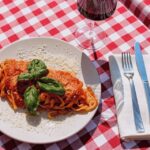
- Main: fettuccine with a Roman-style sauce
- Dessert: tiramisu or crostata
- Morning vs afternoon lunch or dinner: how to plan your day
- Price and value: is $106.65 worth it?
- The best kind of traveler for this class
- Practical tips to avoid common headaches
- Potential hiccups to watch for (and how I’d protect myself)
- Should you book this Rome cooking class?
- FAQ
- Where do I meet for the Rome cooking class?
- How long is the experience?
- Do I choose lunch or dinner?
- Is the tour offered in English?
- How many people are in the group?
- Is there a minimum number of travelers?
- What will I cook during the class?
- What dessert is included?
- Can I make dessert from scratch during this tour?
- Is pickup and drop-off included?
- What happens if I cancel?
Quick hits
- Spanish Steps start, Trevi wish moment with photo stops built into the walk
- Hands-on pasta dough and shaping plus chef-led sauce prep in front of you
- Small group pace (up to 12) with personal instruction during the cooking part
- 3-course meal you eat right away: starter, pasta main, and dessert
- Flexible workshop location: usually a restaurant, sometimes a chef’s house for small groups or special requests
Piazza di Spagna to the first steps: why this opening works
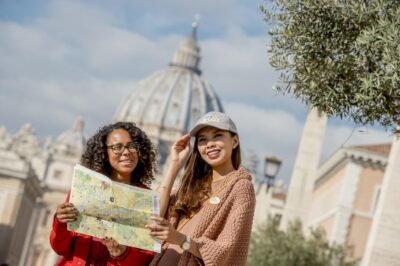
You meet at Piazza di Spagna, 18. That’s a great choice because this area is easy to find, and it puts you right into Rome’s postcard zone from the get-go. You’ll then move at a guided pace through major sights nearby, which is a smart way to get your bearings on a first trip.
This part isn’t about rushing from one landmark to the next. It’s more like a “get oriented fast” stroll with stories stitched in as you go. You’ll cover the Spanish Steps area, then continue toward other famous stops your first day in Rome would usually include anyway. I like that the walk gives you context, so when you later see the Pantheon or Trevi Fountain again on your own, you’ll remember what to look for.
Wear shoes you trust. Even if the distance is manageable, Rome sidewalks can be uneven, and you don’t want to be worrying about your footing while you’re trying to enjoy the views and snap photos.
You can also read our reviews of more cooking classes in Rome
Spanish Steps to Trevi Fountain and the wish you make
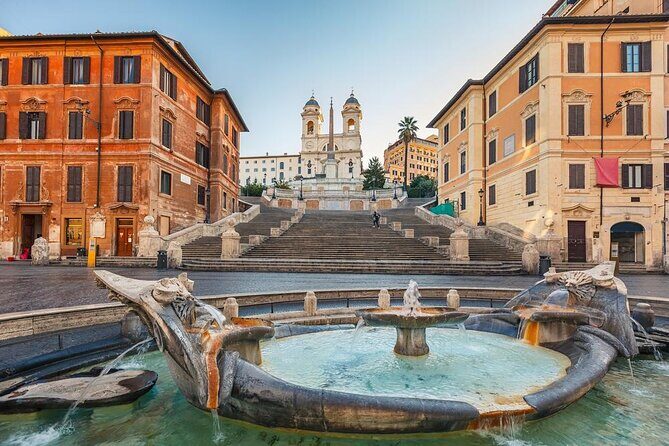
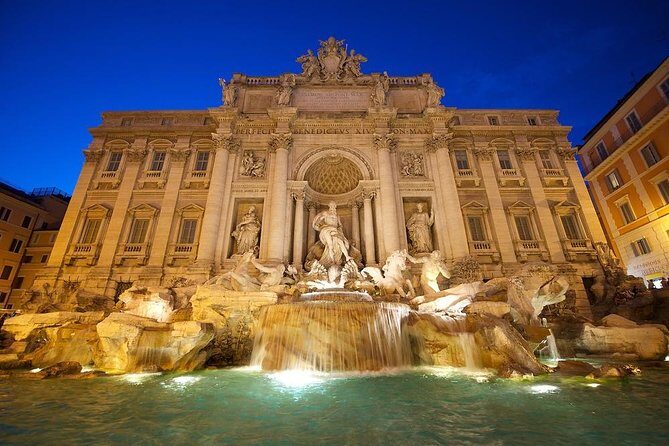
The walking route hits the Spanish Steps and keeps rolling through big-name sites like the Column of the Immaculate Conception and the Pantheon. The star moment for many people is the Trevi Fountain stop. You’ll be guided to make a wish there, and the guide explains the tradition and the Roman beliefs behind it.
That’s more useful than it sounds. The Trevi Fountain gets crowded, so it helps to know where to stand and what to pay attention to beyond the obvious. You’ll also learn little background notes that make the fountain feel more like a living part of Rome instead of just a stop you check off.
Photo tip: expect plenty of picture moments along the way, but try to avoid waiting until the last second at every corner. Rome moves fast, and good guides usually know when a spot will have a calmer flow of people.
The shift from street to kitchen: what the cooking part really is
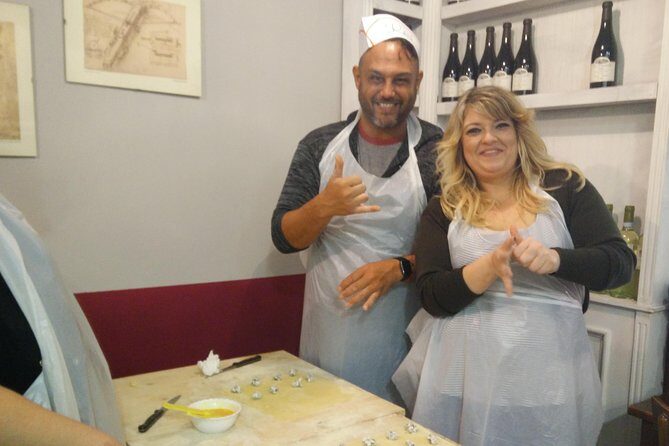
After the walk, you head to a restaurant for the workshop in most cases. If there are fewer participants or if it’s requested, the class may be held at the chef’s house instead. That can change the vibe—restaurant energy versus a more at-home feel—but the goal stays the same: learn how to make classic Italian food with a licensed, experienced chef and a guide translating when needed.
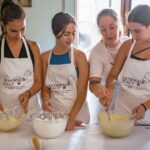
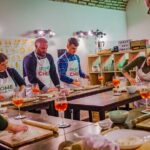
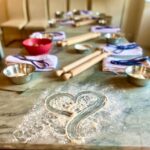
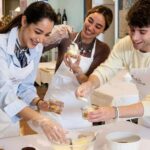
This is a small-group setup, typically up to 12, and that matters. In a big class, you’re often just doing the same motion while the chef talks. Here, the chef can correct your technique and you get more hands-on time than you’d get in a typical cooking demo.
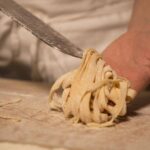
One key point: this is a hands-on pasta making class. You’ll work the dough and shape the pasta. The sauces are shown to you as the chef makes them in front of you, so you can learn the method even if you’re not fully cooking every sauce yourself.
Also, don’t assume everything will feel equally hands-on. Some elements (like the pasta) are truly DIY. Other parts (starter assembly, dessert prep) may be more guided and staged, depending on the day and what the kitchen has ready.
Classic menu: bruschetta, fettuccine choices, and dessert
You’ll build a 3-course meal: a starter, a main course, and a dessert. The menu you cook from can vary by season and ingredient availability, but you can expect some version of the items below.
Starter: bruschetta al pomodoro
Bruschetta al pomodoro is on the typical list. Based on what’s been reported, you might not always do every single step from scratch. In some sessions, the bread and tomato components may be prepped, and you’ll do the hands-on part that still teaches the technique—like preparing and topping the bruschetta at your station. Either way, you’ll learn how the flavors should come together so you can recreate the idea at home.
You can also read our reviews of more tours and experiences in Rome

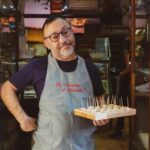

Main: fettuccine with a Roman-style sauce
You’ll make fettuccine, then learn the sauce options. The common choices include:
- Fettuccine al Bolognese
- Fettuccine alla Carbonara
- or other seasonal alternatives using fresh ingredients
What I like about having options is that it keeps the class flexible. Carbonara and Bolognese are both classics, but they teach different sauce logic—so you’re not just repeating the same process with a different label. And you’ll see the chef’s approach up close, which helps more than reading a recipe later.
Dessert: tiramisu or crostata
Dessert is part of the experience, and you’ll likely eat what’s served at the end. You’ll get an explanation in theory, with more emphasis on understanding how it comes together. If you want to make dessert from scratch, you’ll need to request that option ahead of time, and it may involve joining a different class with a surcharge.
If dessert-from-scratch is your top priority, this is worth double-checking when you book. You’re guaranteed dessert included, but the level of hands-on may vary.
Morning vs afternoon lunch or dinner: how to plan your day
This experience runs about 3 to 4 hours, and you can choose a morning or an afternoon slot tied to lunch or dinner. That timing is practical. It works well as a first-day plan when you want both sightseeing structure and a guaranteed meal.
It also helps you manage energy. After a walk with stops like Trevi Fountain and the Pantheon area, cooking feels like the right kind of break. Then you eat right away, so you don’t end up starving while you figure out dinner plans.
One planning reality: the cooking location can shift. It’s usually a restaurant, but if it changes—like when the chef can’t use the usual venue—there may be extra walking or transit involved to get there. Even when pickup/drop-off is included from the central meeting point, the route between the walking portion and the kitchen can vary.
So build in a little buffer. If you have a tight reservation right after, you may want to schedule something that can flex.
Price and value: is $106.65 worth it?
At $106.65 per person, it’s not a budget activity. But it’s also not just a sightseeing tour with a token meal.
Here’s what you’re paying for in plain terms:
- A guided walking experience that covers major sights in one go (English)
- A small-group cooking class with a chef
- A real 3-course lunch or dinner you eat right after cooking
- Pickup and drop-off from a centrally located meeting point
- Taxes and fees included
If you were to do this on your own, you’d still spend money on transport, snacks, and at least one good meal. The cooking lesson is the real value driver: you leave with muscle memory for pasta dough and practical steps for building classic Italian flavors.
Where the price can feel steep is when your expectations are for a fully hands-on 3-course workshop. Based on the structure, pasta is the main skill you practice hands-on. Starter and dessert may be partly staged. If you’re okay with that, the experience usually feels worth the cost.
The best kind of traveler for this class
I think this tour fits best if you’re:
- A first-time visitor who wants an efficient introduction to central sights like Piazza di Spagna, Trevi Fountain, and the Pantheon area
- Someone who enjoys learning by doing, especially pasta making
- A food-focused traveler who likes eating what you cook (not just tasting a bite)
- A small group traveler, since the class is capped and the instruction tends to feel more personal
It may be less ideal if you need low-walking or fully step-free access. Even when the route isn’t extreme, you’ll be on Rome streets and uneven ground, and you’ll likely spend a chunk of time outdoors during the walking portion.
Practical tips to avoid common headaches
A few things will make your day smoother:
Arrive early at Piazza di Spagna. Several issues people have faced were tied to missing the correct meeting spot or waiting while plans were unfolding. Being on time protects your energy and your schedule.
Ask about dessert hands-on if that matters to you. Dessert is included, but some versions lean more on explanation than scratch-making. If you specifically want to make it from start to finish, request it.
Don’t overpack the rest of your itinerary right after. Between walking, the cooking session, and the time to eat, the schedule is full. It’s best as a core morning or afternoon plan.
Go with a beginner mindset. This class works well for people who have never made pasta before. Even if you’re comfortable cooking at home, you’ll still learn technique and how Roman-style sauces come together.
And one more thing: guides can make a huge difference. Names you might hear include Sara and Simone on the walking side, with chefs such as Christian or others handling the pasta work (some classes depend on staffing and the day’s setup). If your guide is chatty and organized, the walk feels like a curated mini-course, not just sightseeing.
Potential hiccups to watch for (and how I’d protect myself)
This is a popular format, and most days run well. Still, Rome logistics are Rome logistics. You should be aware of a few risk points:
- No-show or late guide scenarios have happened for some people. If you’re traveling with only one flexible day, plan with a bit of cushion.
- Last-minute changes can happen if the cooking setup shifts (for example, moving from a restaurant to a chef’s home). That can add walking or transit time.
- Starter and dessert involvement may feel lighter than the pasta work. Some sessions focus hands-on on dough and shaping, with sauces shown and other parts staged.
My advice: keep your expectations aligned. Treat this as a hands-on pasta class with a full meal at the end, plus a guided highlights walk. If you want a fully intensive, step-by-step “every course from scratch” experience, you’ll want to confirm the dessert format when you book.
Should you book this Rome cooking class?
I’d book it if you want a real taste of Rome through two lenses: classic sights on foot and pasta making you actually do. It’s especially smart as a first-day plan because it helps you learn what you’re looking at, then gives you a meal that sticks in your memory.
Skip or carefully verify if:
- You hate walking or you have mobility limits.
- You’re expecting to fully make all three courses from scratch in hands-on fashion.
- Your schedule is so tight that any late start would ruin the rest of your day.
If those don’t apply, this is a strong way to leave Rome with more than photos. You’ll bring home technique you can use, plus the story of a Trevi Fountain wish you can tell later.
FAQ
Where do I meet for the Rome cooking class?
You start at Piazza di Spagna, 18, 00187 Roma RM, Italy.
How long is the experience?
The tour runs about 3 to 4 hours.
Do I choose lunch or dinner?
Yes. You can book a morning or afternoon tour, and that corresponds to lunch or dinner.
Is the tour offered in English?
Yes, the tour is offered in English.
How many people are in the group?
It’s capped at a maximum of 12 travelers.
Is there a minimum number of travelers?
Yes. The workshop requires a minimum of 4 per booking.
What will I cook during the class?
This is a hands-on pasta making class. You’ll make pasta yourself, and the chef shows how sauces are made in front of you. You’ll also prepare an Italian starter such as bruschetta al pomodoro, depending on the session.
What dessert is included?
Dessert is included and may be tiramisu or crostata. The dessert is explained in theory during the tour.
Can I make dessert from scratch during this tour?
The dessert is explained in theory, but if you want to make dessert from scratch, you need to send a note ahead of time. You may be added to a different class, and a surcharge may apply.
Is pickup and drop-off included?
Yes. Pickup and drop-off from a centrally located meeting point are included.
What happens if I cancel?
This experience is non-refundable and cannot be changed for any reason.