REVIEW · ROME
Golf cart tour: explore Rome’s iconic landmarkes with ease
Book on Viator →Operated by GOLF CART TOUR ROME · Bookable on Viator
Rome hits different from a golf cart.
This 3-hour ride is built for fast, low-effort sightseeing, so you can focus on the big Roman moments: Pantheon from the outside, Trevi Fountain, and a smart sequence through grand squares. I like that the tour keeps moving at a relaxed pace, with short photo breaks rather than long waits. You’ll also get a small-group feel, so it’s easier to ask questions and keep your day from turning into a stress sprint.
Two things I particularly like are the up-close photo opportunities at multiple landmarks and the way the stops are arranged for first-timers. The tour also uses a local-style approach: guides often share stories tied to what you’re seeing right now, and some even help you line up viewpoints. One possible drawback: if you’re sensitive to noise, traffic can make narration hard to hear, and a couple of guests noted there weren’t individual headsets.
In This Review
- Key highlights to plan for
- A 3-hour Rome highlight reel from your golf cart
- Where you meet: Piazza di Santa Caterina della Rota
- Campo de Fiori market stop: a local-feeling moment
- Pantheon from the outside: dome views without paying entry time
- Piazza del Popolo: one of Rome’s biggest open stages
- Villa Borghese: greenery plus a Rome viewpoint
- Circo Massimo: ancient arena energy with an easy stop
- Piazza Venezia: a strong Rome photo anchor
- Trevi Fountain: your coin wish stop
- Piazza Navona: short stop, big square energy
- Pace, small group feel, and why it matters in Rome
- Price of $145.18: what you’re really paying for
- Guides: the names that show what a good day looks like
- Watch-outs: hearing, bathroom breaks, and the rare booking issue
- Should you book this golf cart tour?
- FAQ
- How much does the golf cart tour cost?
- How long is the tour?
- Is the tour in English?
- Is this a private tour?
- What’s included in the price?
- Are entrance tickets included?
- Which stops are part of the route?
- Where does the tour start and end?
- Do I need a printed ticket?
- What’s the cancellation rule?
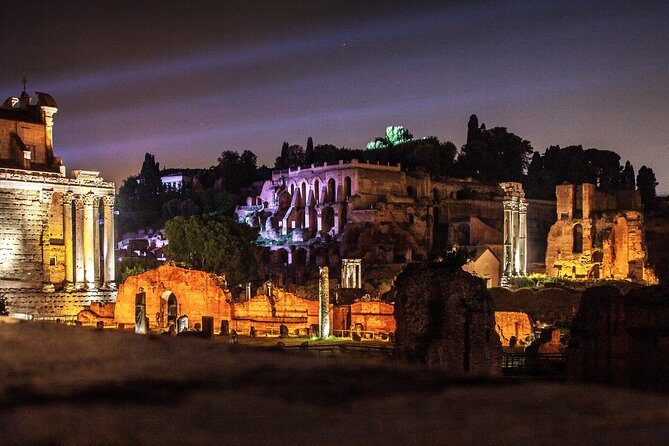
Key highlights to plan for
- 3 hours, real landmarks: Pantheon, Trevi Fountain, Piazza Navona, plus major squares
- Outside views for some big names: Pantheon entrance is not included, so you’re seeing the iconic shape and portico
- Short stops, easier pacing: you get time to look, snap photos, and move on without burning your legs
- Tickets are partially handled: some stops include admission tickets, while others are marked free
- Guides can tailor the day: multiple guides adjust for families, interests, and slower mobility
A 3-hour Rome highlight reel from your golf cart
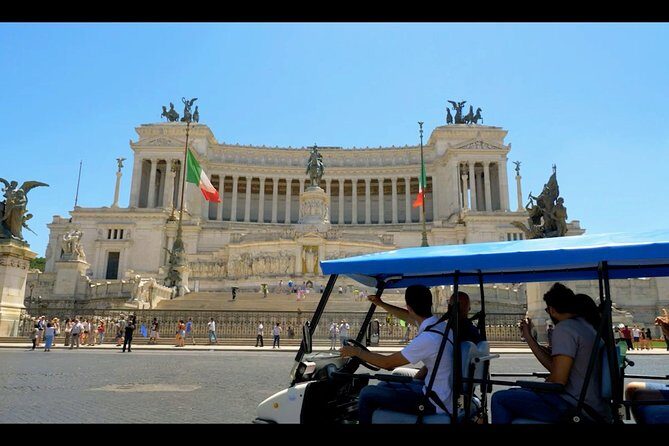
Rome can feel like a lot on day one. The sidewalks are busy, the streets twist, and every landmark seems to require a small life decision. This golf cart tour is designed to solve that: you cover ground quickly, get out often enough to actually see things, and keep the day moving without the constant “Where do we go next?” scramble.
The best part is the format. Instead of spending your whole morning in one line or one neighborhood, you bounce between headline sights in a sequence that makes sense. You’re not trying to do everything inside every building; you’re assembling the Rome picture: domes, fountains, grand plazas, and ancient arenas.
It’s also a good fit for groups who want a calmer experience. Because it’s private (just your group), you’re less likely to feel like you’re being herded. You can ask questions, ask for a photo moment, or adjust the pace if someone needs a slower rhythm.
You can also read our reviews of more tours and experiences in Rome.



Where you meet: Piazza di Santa Caterina della Rota
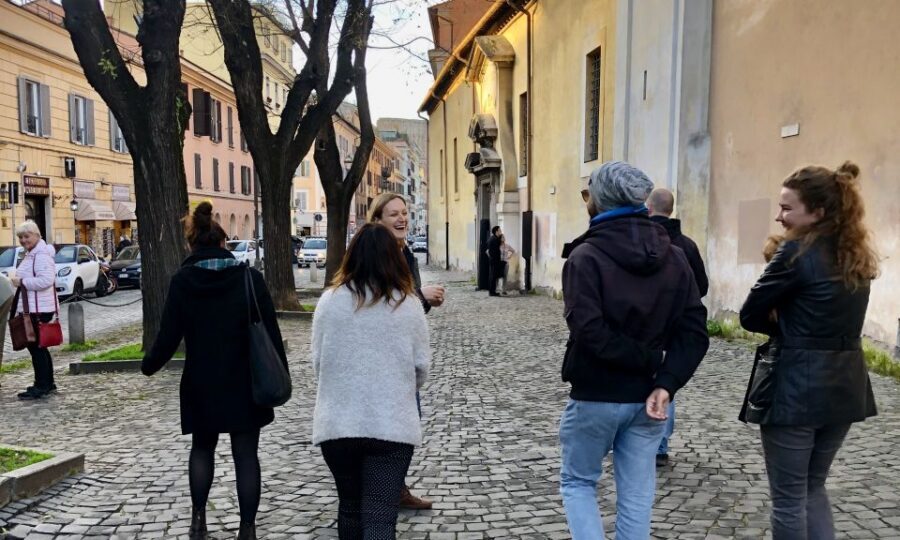
The tour starts at Piazza di Santa Caterina della Rota, 00186 Roma RM, and it ends back there. That matters more than it sounds. In Rome, it’s easy to lose time crossing the city. Starting and ending at the same central meeting point helps you plan the rest of your day without guesswork.
The location is also noted as near public transportation. So if your hotel is across town or you’re mixing this with other plans, you’ve got options for how you get there.
You’ll receive a mobile ticket, which is a practical upgrade. No paper scramble. Just show it on your phone when you meet up.
Campo de Fiori market stop: a local-feeling moment
One stop begins with Campo de Fiori, and yes, the market vibe is part of the appeal. Even with a tight schedule, this kind of stop gives you something that many landmark-only tours miss: a sense of what Rome feels like in the middle of the day.
Expect it to be more about wandering and atmosphere than formal touring. You’ll likely spend your brief time looking around, snapping photos, and soaking in the contrast between everyday Rome and the monumental sights that come next.
If you’re the type who likes to pick up a snack later, keep this in mind. Even though snacks aren’t included, the market stop can help you decide what you want to try as you continue your day.
Pantheon from the outside: dome views without paying entry time
Pantheon time is the classic Rome move. On this tour, you get the chance to take in the Pantheon from the outside, and the big detail is right in the framing: the entrance inside is not included.
That actually helps some travelers. If you don’t want to spend your limited time fighting tickets and timing, you still get the core experience: the grand portico and the famous dome shape that makes the Pantheon one of the most recognizable buildings in the city.
You’ll have about 10 minutes here, so treat it like a quick visual mission. Walk your eyes around the façade, look for the lines that draw you toward the portico, and use your camera to capture the angle you’ll recognize later. If you want the inside, you’ll need a separate plan—this tour is built for outside viewing.
Piazza del Popolo: one of Rome’s biggest open stages
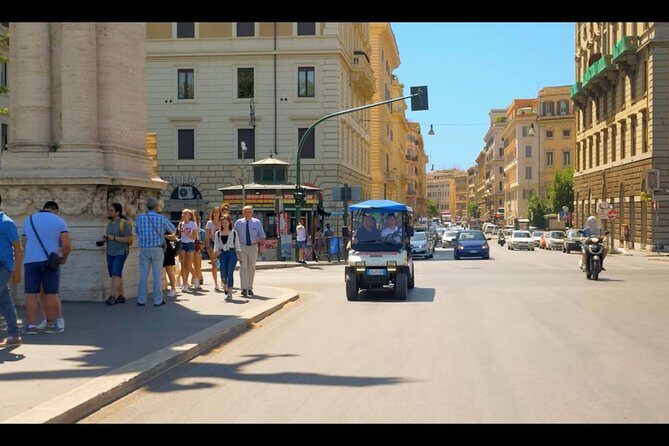
Next up is Piazza del Popolo, one of Rome’s large open squares. You’ll have around 20 minutes at this stop, and admission is marked as included.
Big squares can either feel like a blur or feel like a reset, depending on pacing. Here, the time window is long enough to stand back and take in the scale, then walk a short distance to grab photos that show how wide the space really is.
This is also a good stop for getting your “Rome geography” straight. When you’re moving from plaza to plaza by golf cart, your brain starts to map the city faster. Popolo is a helpful anchor point.



Villa Borghese: greenery plus a Rome viewpoint
Then you roll to Villa Borghese, with about 30 minutes and noted as free for admission. Even if you don’t plan to go deep into gardens, the value here is the scene change: you trade stone for greenery, and the air feels different.
You’ll also get the best kind of reward for a short stop: a breathtaking view of Rome. Villa Borghese works well on a golf cart tour because you’re not trying to “tour the whole park.” You’re stopping long enough to reframe the city through a scenic angle.
This is the kind of pause I’d recommend if your group has kids, older parents, or anyone who needs a break from street-level traffic and crowds. You’re still seeing something meaningful, but the pace feels lighter.
Circo Massimo: ancient arena energy with an easy stop
Circus Maximus (Circo Massimo) is next, also about 30 minutes with admission marked as free. Even without entry, the size and history of this place come through in how you can look across the space and imagine the scale.
On a golf cart tour, this stop is valuable because you’re getting the monument feeling without turning it into a long archaeological lesson. You can take pictures, look for the lines that suggest the former track shape, and let the story land at a slower speed.
If you like ancient Rome but don’t want a museum day, this is a good compromise.
Piazza Venezia: a strong Rome photo anchor
At Piazza Venezia, you’ll have about 20 minutes, and admission is marked as included. Piazza Venezia is one of those Rome locations where buildings and monuments stack their visual impact in a tight area.
This stop is a great mid-tour reset. You’ll be able to slow down, look around, and feel the city’s “center of gravity” shift back into place. It’s also a smart photo stop: you can usually find angles that show you’re in Rome without needing a perfect shot at a specific statue.
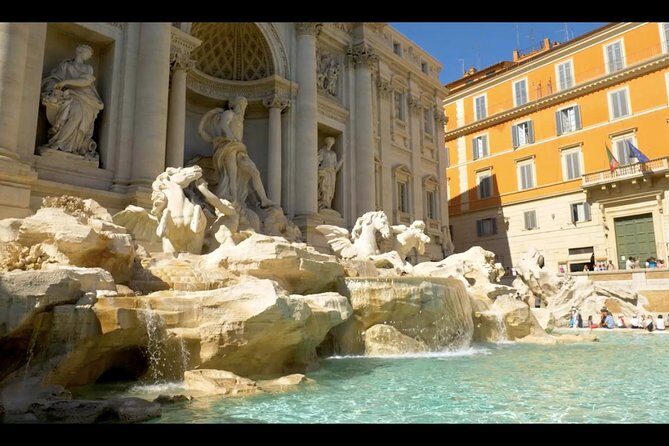
Trevi Fountain: your coin wish stop
Then comes the one almost everyone wants to see: Trevi Fountain. You’ll have 20 minutes, and admission is marked as included.
You’ll also want to plan your moment for the classic wish ritual: make a wish by throwing a coin behind you. It’s one of those traditions that feels corny until you’re standing there and doing it anyway.
A quick reality check: Trevi Fountain is known for crowds, and this tour doesn’t try to fix that with a long hang time. The value is that you’re getting a look without letting it swallow your schedule. Use your time well: one angle for the full fountain, one for details, and one for a wider Rome-context shot.
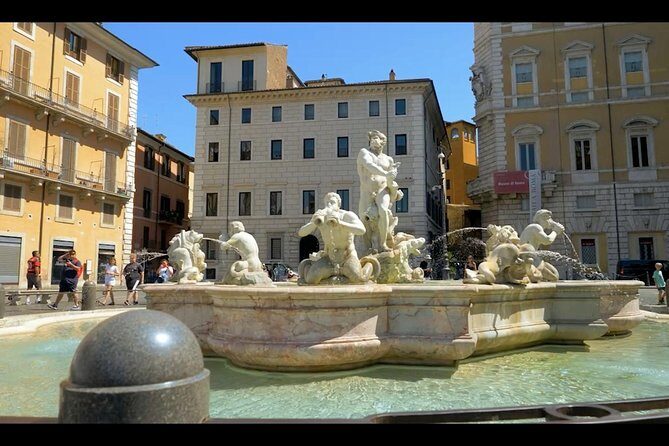
Piazza Navona: short stop, big square energy
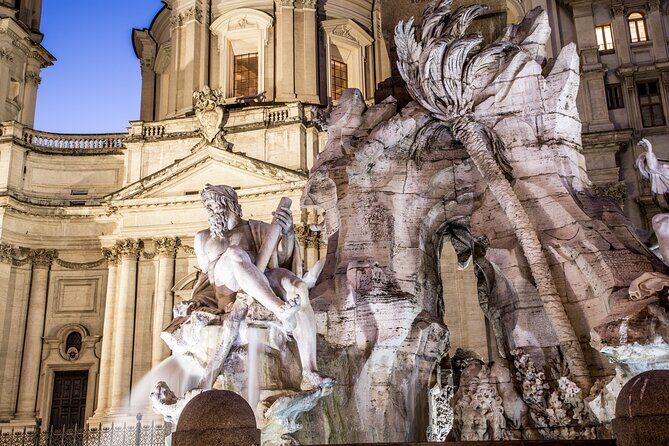
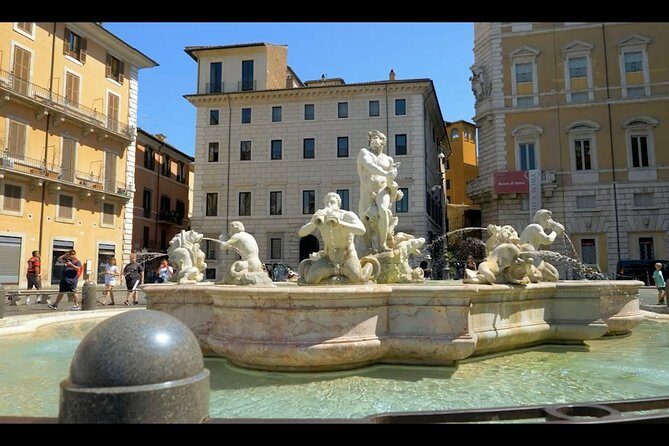
Last featured stop is Piazza Navona, about 10 minutes with admission marked as included. Even though it’s a short stop, Piazza Navona often hits hard in a good way. It’s a dramatic-looking square, and it gives your last photos that classic “Rome postcard” feel.
Think of this as the wrap-up. You’re finishing the ride having checked off several headline landmarks, and Navona gives you a final public-square vibe to close the loop.
If you want to keep exploring after, this is the kind of stop that makes it easier to decide where to go next because the atmosphere is so recognizable.
Pace, small group feel, and why it matters in Rome
A 3-hour tour can either feel like a whirlwind or like a workable plan. The difference comes down to how the time is spent.
Here, the rhythm is short, frequent stops where you can actually look. You’re not stuck on a bus for hours with occasional glimpses. You’re also not spending half your day walking between far-flung locations. That balance is the whole point of doing Rome by golf cart: you’re trading some deep-buff museum time for a larger spread of iconic sights.
It also helps that the tour is private, so you’re not sharing your experience with strangers’ needs. Multiple guides are described as adjusting for families and even slower mobility. So if your group includes kids or someone who doesn’t want long distances, this format is often easier to manage.
One more practical point: because you’re out and back to the same start point, it’s easier to attach this to a meal plan later. You can plan dinner without needing a major change in neighborhood logistics.
Price of $145.18: what you’re really paying for
At $145.18 per person for about 3 hours, you’re paying for more than the golf cart itself. You’re paying for access to a guided route that strings together major sights, plus a driver/guide and private transportation.
Is it the cheapest way to see Rome? No. But it’s often strong value when:
- you want a first-time overview quickly
- you’re short on time and don’t want to spend hours coordinating transit
- your group prefers to see many sites without long walks
Also, some stops have admission ticket included or marked free. Other big sights, like the Pantheon interior, are not included, so you aren’t paying for everything in one package. That’s actually honest: you’re buying a guided outdoor-and-plaza route rather than a full admissions day.
If your priority is only one inside-the-building experience, you might feel the cost. But if your goal is to collect the Rome highlights in a single morning or afternoon, the math often makes sense.
Guides: the names that show what a good day looks like
The biggest difference between an okay tour and a great one is the guide. And the feedback patterns are clear: the best experiences seem to come from guides who can explain what you’re seeing in a way that feels human, not robotic, and who help you with pacing and photos.
For example, Andrea is highlighted for personalized touring and making sure the experience still worked even when events changed expected routes. Victor is mentioned for going the extra mile, including recommending places to eat and taking visitors to favorite spots. Eugene stands out for adjusting the pace for a mom with slower mobility, and even stepping into photographer mode for better angles.
You’ll also see Carlo, Elisa, Alessandro, and Victorio praised for friendly, smooth driving in Rome’s traffic and for delivering entertaining history tied to real sights. Alex is repeatedly noted for making it easier for an 8-year-old to understand what Ancient Rome looked like, including bringing a helpful book. Mario is described as having the local-friend vibe, sharing deeper context rather than only basics. And Pacqui with Stella are mentioned for an upbeat, first-night-in-Italy approach with safe, confident driving.
Translation for your planning: if you book this, keep your expectations realistic. You’re not just buying movement. You’re buying interpretation, pacing, and guidance on where to stand for a better look.
Watch-outs: hearing, bathroom breaks, and the rare booking issue
Two small complaints come up often enough to matter.
First: hearing the guide. Traffic noise can make it tough to catch everything, and a couple of guests pointed out that headsets or amplifiers would have helped. If you know you struggle in noisy environments, bring your own plan for listening. Short written notes, photos, or asking key questions at each stop can help.
Second: bathroom timing. There aren’t scheduled bathroom breaks described in the plan. That doesn’t mean you can’t stop briefly; it means you should plan for it before you go and consider water timing. If your day includes other long activities right after, handle the schedule carefully.
One more issue to be aware of: a small number of bookings reported cancellations or a guide not arriving. That’s rare, but it’s serious enough that you should confirm the day-of when possible, especially if you’re connecting this tour to a tight cruise or timed ticket elsewhere.
Should you book this golf cart tour?
Book it if you want a fast, low-effort first look at Rome’s biggest hits without long lines and without turning your feet into protest signs. It’s especially good for:
- first-time visitors who only have a few hours
- families and mixed ages
- travelers who’d rather trade museum time for more iconic outdoor sights
Consider skipping or adding a supplement if:
- you strongly want to go inside major buildings like the Pantheon (this tour is outside-only there)
- you need consistent narration you can clearly hear over traffic
- your group needs planned bathroom stops during the 3-hour window
If you do book, set yourself up for success: ask your guide about your top priorities during the ride, use your stop time actively (one overview photo, one detail photo), and plan a quick snack or gelato stop after—Campo de Fiori sets you up with local energy, even though snacks aren’t part of the tour.
FAQ
How much does the golf cart tour cost?
The price is $145.18 per person.
How long is the tour?
It runs for about 3 hours.
Is the tour in English?
Yes, it is offered in English.
Is this a private tour?
Yes. It is private, and only your group participates.
What’s included in the price?
Included features are private transportation and a driver/guide.
Are entrance tickets included?
Entrance inside buildings is not included. Admission tickets are listed as included for some stops, while others are listed as free.
Which stops are part of the route?
The route includes Campo de Fiori, the Pantheon (outside), Piazza del Popolo, Villa Borghese, Circo Massimo, Piazza Venezia, Trevi Fountain, and Piazza Navona.
Where does the tour start and end?
It starts at Piazza di Santa Caterina della Rota, 00186 Roma RM, Italy, and it ends back at the meeting point.
Do I need a printed ticket?
No. The tour uses a mobile ticket.
What’s the cancellation rule?
Free cancellation is available up to 24 hours in advance for a full refund.