REVIEW · ROME
Rome: Fresh Pasta and Tiramisu Making Class with Fine Wine
Book on GetYourGuide →Operated by The Roman Food Tour · Bookable on GetYourGuide
Spending a few hours with flour is pure Rome therapy. This Roman pasta and tiramisu class takes place in a beloved restaurant near the Vatican, where an English-speaking host and local chef guide you through making two pastas from scratch and a traditional tiramisù. It’s equal parts cooking skills and good-company atmosphere, with drinks flowing during the lesson and a proper sit-down meal at the end.
What I like most is that you don’t just watch: you make fettuccine and ravioli with fresh dough techniques, then you finish with a tiramisù built the traditional way (mascarpone, eggs, coffee, sugar, and cocoa powder). I also love that the experience is built for eating: after cooking, you enjoy the meal you made, plus limoncello and Italian coffee to close the night. One thing to keep in mind is that finding the venue can be tricky if your maps send you around the back side of the restaurant, and the room comfort can vary since one review noted a lack of air-conditioning.
In This Review
- Quick hits before you go
- Rome pasta and tiramisu cooking class near the Vatican: the vibe and what you’re really paying for
- Drinks, timing, and the “come hungry” rhythm
- A practical tip from common complaints
- Tiramisu lesson: classic ingredients, hands-on assembly, real takeaways
- Pasta from scratch: fettuccine and ravioli dough techniques that you can repeat
- Eating your pasta at a restaurant by the Vatican: the payoff
- The guide and chef factor: why names matter here
- Price and logistics: is it worth $77.03, really?
- Who should book this class, and who should skip it
- Should you book this Rome pasta and tiramisu class?
- FAQ
- How long is the Rome pasta and tiramisu making class?
- What will I learn to make during the class?
- Is wine included?
- Are drinks included besides alcohol?
- Is there an English-speaking guide?
- Do I get recipes to take home?
- Where does the class start and end?
- Can I cancel for a full refund?
Quick hits before you go
- Tiramisu first, then pasta dough for fettuccine and ravioli
- Free-flowing fine wine plus prosecco during the class
- Make it hands-on in a restaurant near the Vatican, then eat your work
- Take-home recipes so you can recreate it later
- Expect a friendly group vibe, sometimes with small groups around 10–14
Rome pasta and tiramisu cooking class near the Vatican: the vibe and what you’re really paying for
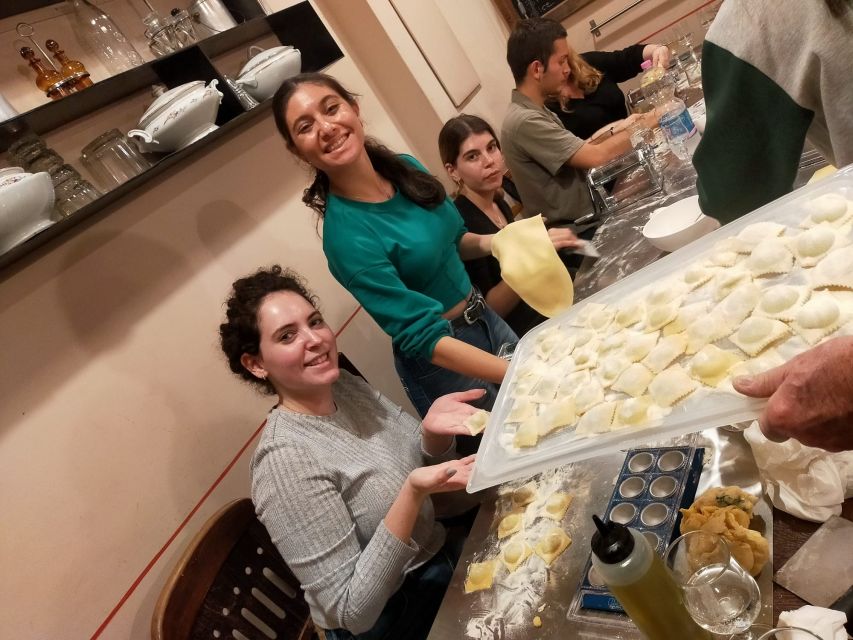
If you’re in Rome and you want something that feels both Roman and practical, this fresh pasta and tiramisu class is a strong option. It’s not a museum-style lesson. You’re in a kitchen setting, working through dough and dessert with a local chef, then you sit down to eat what you made. The location matters too. Being near the Vatican keeps the energy manageable for an evening out, and it slots nicely into your day of sightseeing without turning your afternoon into a full transit saga.
Now, let’s talk value, because this is where your brain will want clarity. The price is $77.03 per person for about 3–4 hours. What you’re getting isn’t just recipes on paper. The package includes a cooking class with a local chef, pasta and tiramisu making, free-flowing fine wine, unlimited soft drinks, coffee, and limoncello at the end. Plus, you take home recipes. When you add up the cost of a proper multi-course meal plus drinks in Rome, the pricing starts to make sense—especially because you’re eating the food you worked on, not just ordering something while someone explains technique.
The strongest part of the experience is the way it turns a skill you’ve only seen online into something you can repeat. Reviews highlight how people went from doubtful to fully enthusiastic once the class started, and many note the class is the highlight of the trip. That shift usually happens when the chef teaches you the small, repeatable cues—how dough should feel, how tiramisù should be assembled, and what to taste for as you go.
You can also read our reviews of more tours and experiences in Rome.



Drinks, timing, and the “come hungry” rhythm
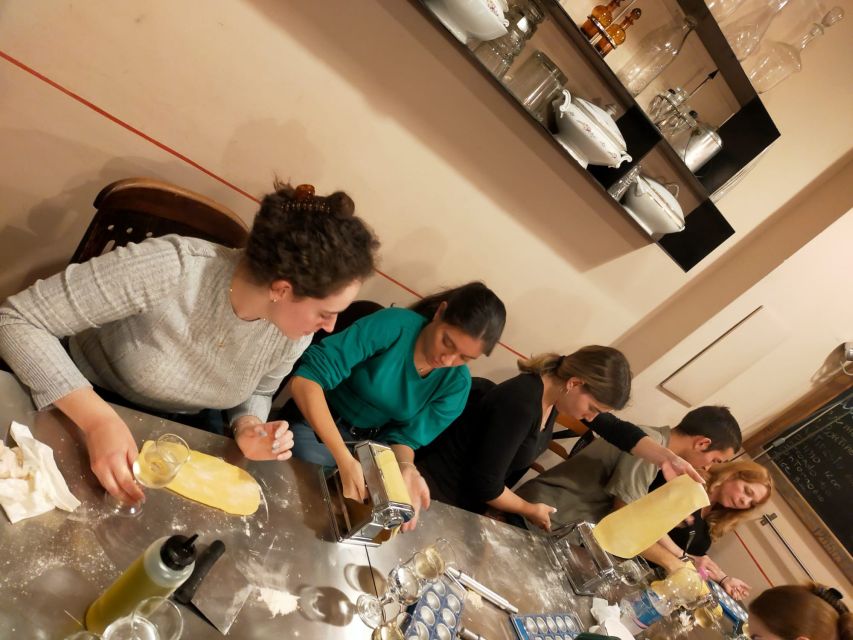
This class is designed to keep energy high. During the lesson, you’ll enjoy prosecco and fine wine, along with unlimited soft drinks. The meal is part of the experience, not an afterthought. You cook, you taste along the way, then you sit down and eat. The day doesn’t feel rushed, either; multiple reviews mention a smooth flow and a pace that maximizes fun without making it chaotic.
One detail I’d plan around: you’ll end up eating a lot. Several people explicitly said the food quantity surprised them and that it’s hard to finish everything. That’s actually a good sign for value. It means you’re not just sampling. You’re doing a real meal at a real restaurant by the Vatican.
At the end, you get limoncello and Italian coffee. It’s a nice, Roman-style finish: sweet liqueur, then coffee to wrap up the night. It also gives you a moment to slow down and compare notes with the group while everything you learned is still fresh.
A practical tip from common complaints
If you’re using maps to find the venue, don’t be surprised if you have to adjust and look around a bit. At least one review mentions that directions led them to the back side of the place. Build in a few extra minutes when you arrive and you’ll avoid stress.
Tiramisu lesson: classic ingredients, hands-on assembly, real takeaways
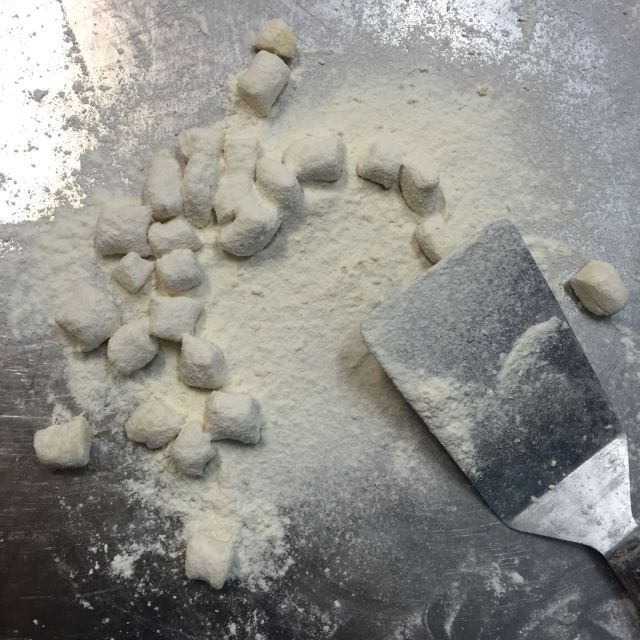
The class starts with tiramisù. That’s a smart order, because dessert has a different pace than pasta. You get to focus on texture and assembly before you switch to dough. And the good news: you’re not making a simplified version. You follow traditional ingredients: mascarpone, eggs, coffee, sugar, cocoa powder, plus the tools you need.
In a good tiramisù class, the magic isn’t the fancy talk—it’s consistency:
- The cream should be smooth, not grainy.
- The coffee should be the right strength so it tastes like tiramisù, not just sweetened liquid.
- The cocoa goes on at the end so it stays aromatic and not melted into everything.
Even if you’ve made tiramisù before at home, this kind of workshop helps because you learn the method step-by-step while someone is watching. Reviews repeatedly praise the teachers for being fun, attentive, and the kind of people who keep you from feeling awkward with sticky fingers and messy bowls.
A bonus: tiramisù is also a crowd-pleaser you can recreate for guests back home. Most people don’t just want a recipe; they want the confidence to get it right the first time. That’s what you’re paying for here.
Pasta from scratch: fettuccine and ravioli dough techniques that you can repeat
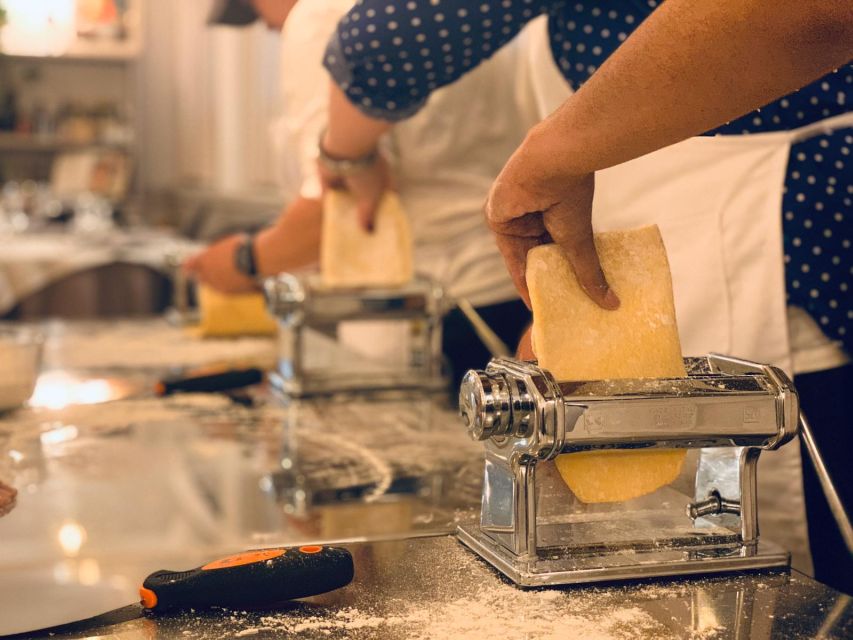
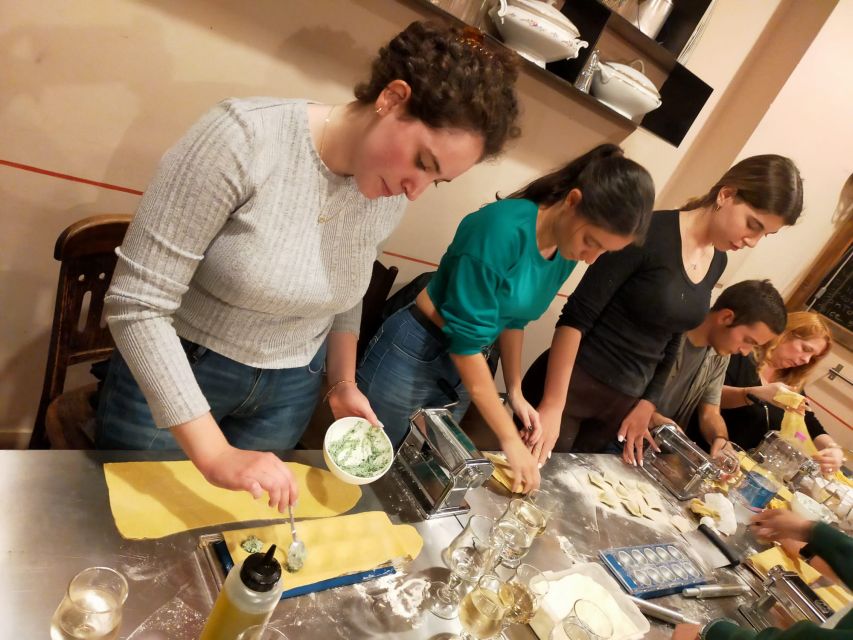
After tiramisù, you move on to pasta. The class teaches two types: fettuccine and ravioli, both made from scratch. You’ll learn the dough process and what ingredients matter for each style. That includes understanding the dough basics—how to form it, how to work it, and what to aim for in texture.
Then comes the hands-on part:
- Fettuccine: you’ll make noodles from dough and learn how to work it into the shape you want.
- Ravioli: you’ll make filled pasta, which adds another layer of technique because it’s about forming and sealing.
A key point to know before you go: the class can end up with some “family style” serving. One review said that the pasta may be mixed when served in the sauce. That’s not a problem for most people—it’s actually how you’d serve in a casual Italian meal—but if you’re very picky about the presentation on the plate, mentally file it away.
What helps you learn faster is that the class doesn’t stay theoretical. You’re making dough, handling it, and turning it into something you can eat. Reviews also mention that people had their own station along with other participants. That setup usually makes the lesson more personal and keeps you from waiting around for someone else’s turn.



Eating your pasta at a restaurant by the Vatican: the payoff
This class ends with a meal at the restaurant where you cook. That matters more than it sounds. You’re not hauling your finished food home in a container like a takeout order. You sit down, relax, and enjoy the pasta and tiramisù right in the setting where it was taught.
And because drinks are included during the meal as well—plus coffee and limoncello—you get a full evening experience rather than a short demo. Reviews mention that the atmosphere becomes social in a good way, with people talking while they eat. Several people also note that they met others in their group and left with new friends, which is exactly what you want from a small-group cooking class.
Also, don’t skip the tasting mindset. This is the best time to notice differences:
- How the pasta texture changes once it’s cooked
- How the sauce and seasoning bring everything together
- How the tiramisù tastes after it’s served
You’re learning how the finished dish is supposed to taste, not just how to assemble it.
The guide and chef factor: why names matter here
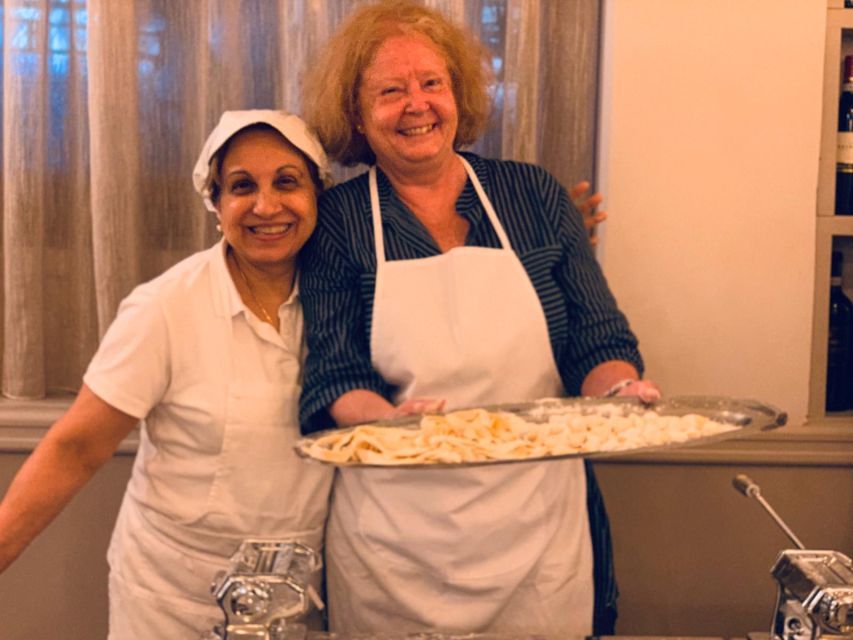
In Rome, cooking classes can run anywhere from solid to unforgettable depending on the teacher. Here, reviews repeatedly praise the chefs and hosts by name, and that gives you real clues about what to expect.
Some of the instructors mentioned include:
- Alessia, praised for being excellent, fun, and a great teacher
- Claudio, praised for being a great teacher and making the experience enjoyable for everyone
- Eddy, noted for high energy, attentive teaching, and lots of music-fueled fun
- Anna, praised for clear explanations and high energy
- Sonia, described as hands-on and authentic
- Alice, mentioned as warm, fun, and well organized
Even if your exact chef differs, those names signal the same pattern: teachers who guide you through technique and also keep the mood light. That’s important because cooking isn’t hard, but it can be confusing without the right cues. A good instructor turns confusion into quick progress.
Price and logistics: is it worth $77.03, really?
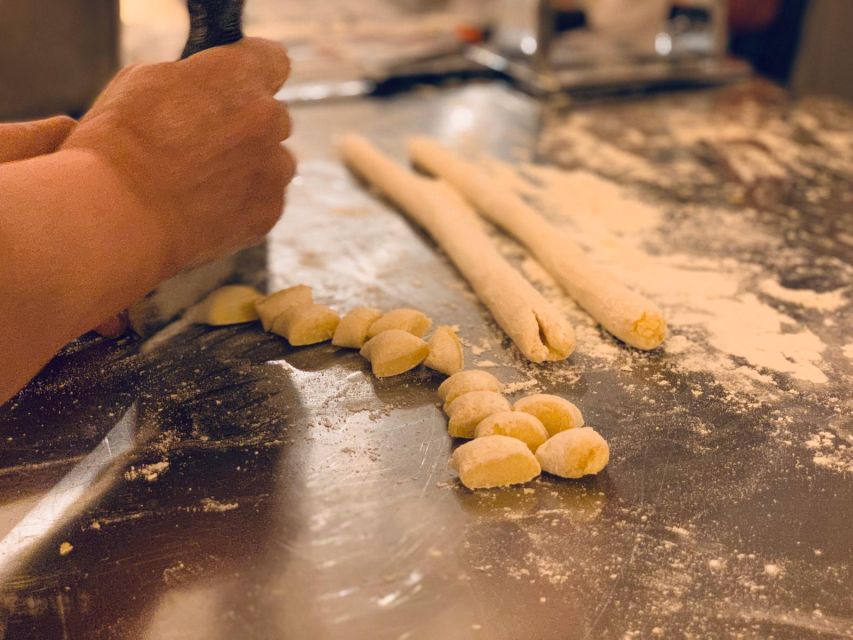
At $77.03 per person, you’re paying for more than ingredients. You’re paying for:
- An expert local chef guiding technique
- A structured session that covers tiramisù plus two pastas
- A restaurant meal that includes coffee and limoncello
- Free-flowing wine and unlimited soft drinks
- Take-home recipes to make this repeatable
If you compare this to the cost of just drinks and dinner near the Vatican, you’re not totally off base. The value improves because the meal is tied to the lesson. You’re not paying extra for filler. You’re eating the result of the work, with guidance that makes you feel like you earned it.
The main “logistics” consideration is comfort and location-finding. One review mentioned a room that could use air-conditioning. Another noted that the maps may bring you to the back side. Neither is deal-breaking, but they are worth planning around. Arrive a few minutes early, wear something comfortable for a kitchen setting, and don’t dress as if you’re going to a formal dinner.
Who should book this class, and who should skip it
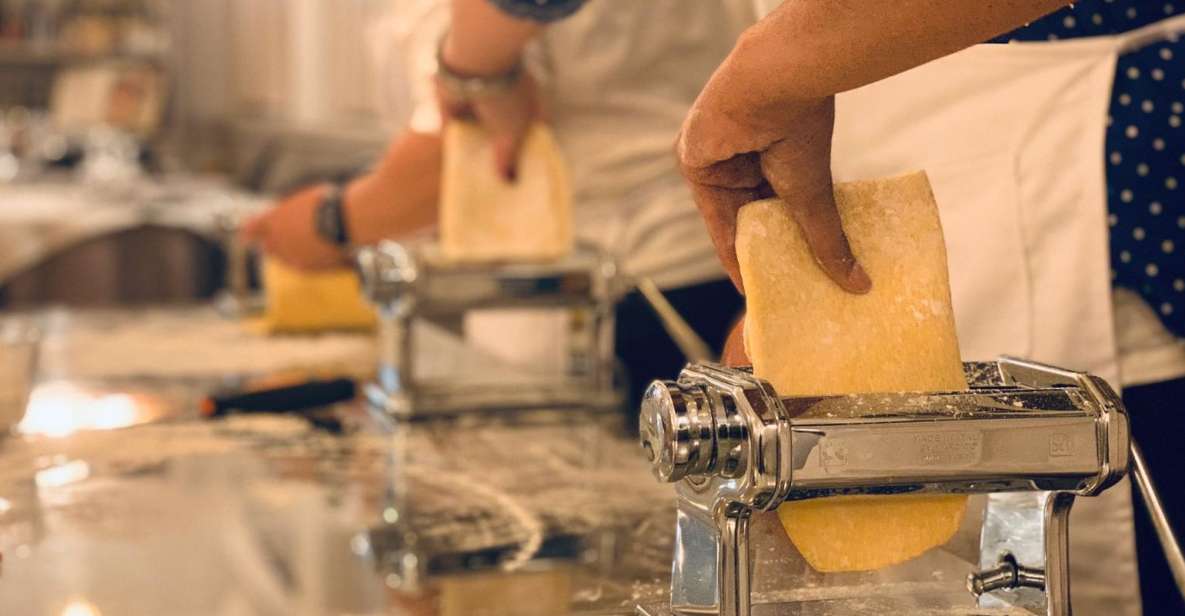
This class is a great match if you:
- Want a hands-on Roman cooking experience rather than a tasting-only tour
- Like learning technique you can repeat later at home
- Enjoy pairing food with drinks (because prosecco and fine wine are part of the experience)
- Want a small-group vibe where conversations naturally happen
It may not be your best fit if you prefer a super quiet, structured classroom. The energy can get social, and the class is designed to be fun. Also, if you’re extremely sensitive to room comfort (like heat and ventilation), pay attention to the venue details when you arrive.
Finally, go with the right expectation: you’re cooking enough for a real meal. That’s why people keep saying come hungry.
Should you book this Rome pasta and tiramisu class?
If you want a Rome activity that checks three boxes—food skill, real eating, and a good evening atmosphere—then yes, I’d book it. The combination of tiramisu + fresh fettuccine + ravioli, plus free-flowing fine wine, plus take-home recipes is hard to beat for the price.
Just be smart about the practical stuff: give yourself a little time to find the venue, dress for flour and kitchen work, and plan to settle in for a 3–4 hour experience that ends with coffee and limoncello. You’ll leave with a memory you can actually recreate, not just photos.
FAQ
How long is the Rome pasta and tiramisu making class?
The class lasts about 3 to 4 hours. Starting times vary, so you’ll want to check availability for the exact time options.
What will I learn to make during the class?
You’ll make tiramisù and two types of pasta from scratch: fettuccine and ravioli.
Is wine included?
Yes. The class includes prosecco and fine wine, and the wine is described as free-flowing.
Are drinks included besides alcohol?
Yes. You get unlimited soft drinks, plus coffee during the experience.
Is there an English-speaking guide?
Yes. The tour guide is live and the experience is available in English.
Do I get recipes to take home?
Yes. The experience includes recipes so you can recreate the dishes back home.
Where does the class start and end?
The meeting point can vary depending on the option booked. The class ends back at the meeting point.
Can I cancel for a full refund?
Yes. Free cancellation is available up to 24 hours in advance for a full refund.