REVIEW · COOKING CLASSES
Typical Dining & Cooking Demo at Local’s Home in Rome
Book on Viator →Operated by Cesarine: Cooking Class · Bookable on Viator
A Roman kitchen teaches fast.
This experience mixes a Roman gastronomy class with a hands-on cooking workshop in a local’s home. You’ll learn how Italians eat and drink, then practice time-tested cooking moves you can try back home. Two things I love: you get a real meal across multiple courses (not just a snack), and the setting is personal—a private home with Roman hospitality instead of a food-tour “factory.”
There’s one drawback to keep in mind: these happen in private homes, so the exact address isn’t shared before booking for privacy. You’ll rely on the meeting-point info and the instructions in your voucher, so plan to arrive early and confirm your details.
In This Review
- Key things to know before you cook in Rome
- Why a Roman home cooking class beats a restaurant meal
- The menu you’ll actually eat: starter, fresh pasta, Roman second courses, dessert
- The Roman gastronomy class: how locals eat and drink
- Hands-on pasta workshop: from dough basics to real Roman shapes
- Roman second courses: mastering classics like saltimbocca and coda
- Dessert in Rome: ricotta-cherry tart, tiramisu, and chocolate shortbread
- Private-home logistics: small group size, finding the right door, and getting set up
- Price and value: is $102.25 per person fair for this Rome experience?
- Who should book this cooking class (and who should pass)
- My booking checklist so you don’t miss a minute of the meal
- Should you book this Rome Roman cooking experience?
- FAQ
- What’s included in the Roman home dining and cooking experience?
- Do I get to choose the time of day?
- How big is the group?
- Is the experience offered in English?
- Where does the experience start and end?
- Is it refundable if my plans change?
Key things to know before you cook in Rome
- Small group size (max 10), so you’re not shouting across a room while the pasta water boils
- Afternoon or evening options, so you can match the class to your day’s energy
- Fresh pasta hands-on time plus a second-course cooking focus, not just watching
- A Roman-focused menu with options like rigatoni, bucatini, gnocchi, and classics such as saltimbocca alla romana and coda alla vaccinara
- English-led experience, with the home host teaching in a way most visitors can follow
Why a Roman home cooking class beats a restaurant meal
In Rome, food lessons can go two ways. Either you sit down, eat, and leave with a few vague tips. Or you get close to the process—how recipes move from family habits to real plates.
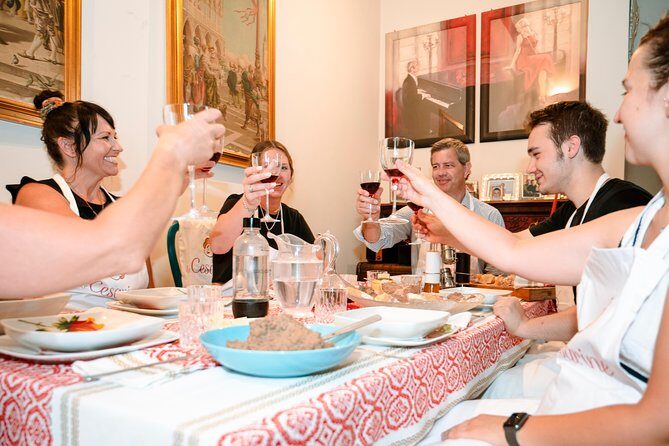
Here, the “why it works” is the home setting. A Roman kitchen runs on routine: pacing, seasoning instincts, and the way courses fit together. In a private home, those details aren’t performative. They’re practical. You’ll also meet Roman locals in a way that feels normal—not staged—because the evening isn’t built around a bus group.
If you like cooking, eating, and asking questions, this kind of setup pays off. And if you’re not a confident cook, that’s fine too. The goal is that you leave able to repeat at least a few moves—how to handle pasta shapes, how to time a second course, and how Roman desserts stay simple but satisfying.
You can also read our reviews of more cooking classes in Rome
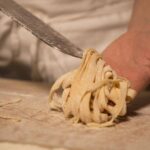
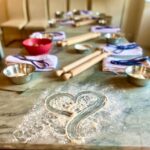

The menu you’ll actually eat: starter, fresh pasta, Roman second courses, dessert
You’ll enjoy a full, course-based meal built around classic Roman flavors. The exact items can vary, but you’ll see a familiar structure.
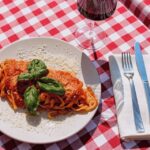
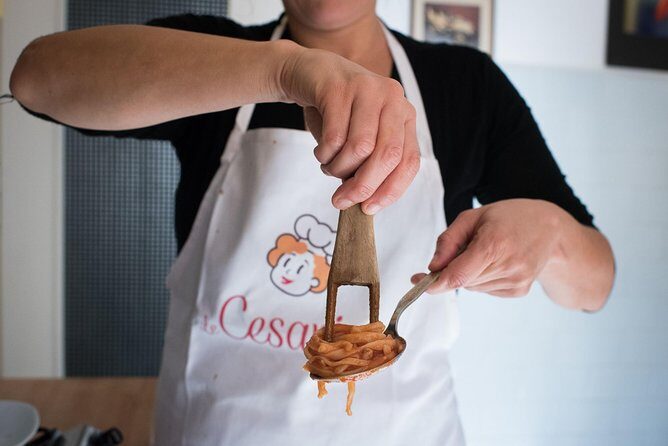
Starter, then fresh pasta. You start with a seasonal starter. Next comes fresh pasta, with sample choices like rigatoni, bucatini, or gnocchi. That matters because each pasta shape behaves differently. Rigatoni and bucatini hold sauce well because of their tube-and-ridged design; gnocchi changes the texture game completely.
Then a Roman-style second course. You’ll get one of these sample options:
- Saltimbocca alla romana
- Coda alla vaccinara
And for the second-course portion later in the flow, you may also see Roman choices such as:
- Trippa alla romana
- Costine di agnello alla scottadito
Dessert to close. Expect a Roman dessert such as:
- Ricotta and cherry tart
- Roman tiramisu
- Chocolate shortbread
This menu mix is valuable because it gives you a range of Roman cooking, not just one lane. You’ll taste meat-forward Roman mains, pasta comfort, and desserts that Italians actually make for real occasions.
The Roman gastronomy class: how locals eat and drink
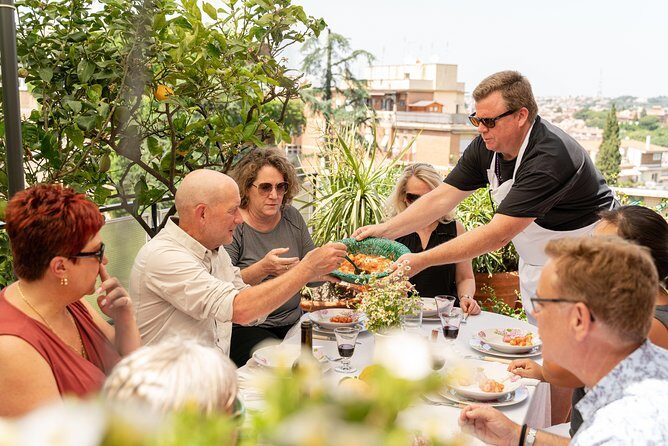
The cooking part is the headline, but the Roman gastronomy class is what turns it from a dinner into learning.
You’ll cover how Italians eat and drink—less about rules from a textbook and more about behavior. Think: pacing, what goes with what, and the kind of practical choices that keep meals from feeling chaotic. In a place like Rome, that rhythm is part of the culture. When you understand it, you can recreate a similar experience at home without turning it into a stressful production.
This is also where you get the human side: you’ll connect with Roman locals and hear how recipes fit into family life. The experience highlights family cookbooks passed down through generations—so you’re not just learning a recipe. You’re learning a lineage.
Hands-on pasta workshop: from dough basics to real Roman shapes
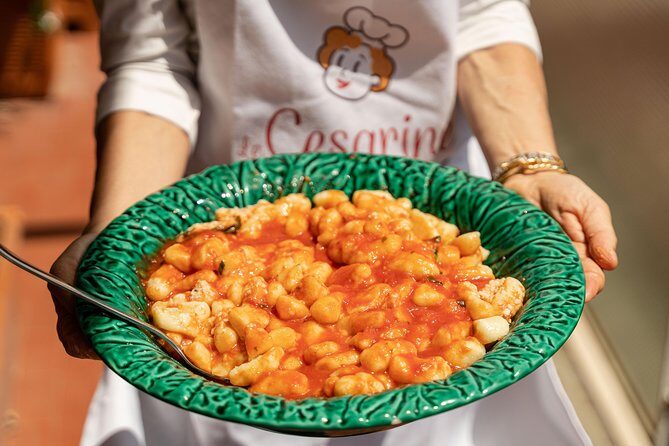
Fresh pasta is one of the best “payoff” lessons you can do in Italy. It’s tangible. Your hands do the work, and you can taste the result immediately.
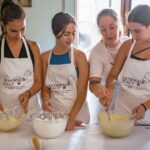
In this workshop, you’ll focus on fresh pasta and sample pasta dishes like rigatoni, bucatini, or gnocchi. The best part of learning pasta in a home kitchen is that you’re surrounded by the small adjustments cooks make on the fly—what the dough feels like, how the kitchen time affects your steps, and how the goal changes depending on the shape.
You’ll also learn kitchen timing tricks that are used in the real world. That’s the difference between reading a recipe at home and actually cooking it successfully. You don’t just get ingredients. You get a sense for sequencing: what should happen first, what can wait, and what has to be timed tightly to land on the plate hot.
Roman second courses: mastering classics like saltimbocca and coda
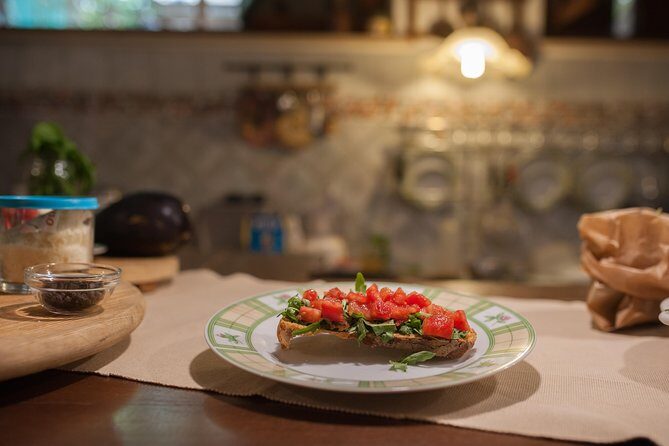
The second course portion is where Roman cooking often surprises people. It’s not only about pasta. Rome leans into deep flavor and hearty plates, and these sample options are a good snapshot of that.
Saltimbocca alla romana is famously punchy—tender meat paired with bold flavors. If you’re used to mild dishes, this is a great “wake-up” lesson.
Coda alla vaccinara is slower and richer in feel. Even without getting lost in technical details, the concept matters: Roman cooking often celebrates long-simmer comfort. You’ll see how that approach lands in a meal people genuinely crave.
There are also other Roman options you might encounter, like trippa alla romana or costine di agnello alla scottadito, which again show the range of Rome’s appetite—offal traditions, grilled rib flavor, and seasonal logic.
What I like about this structure: you’re tasting and learning the logic behind different intensities. It helps you understand why Rome feels the way it does, food-wise.
You can also read our reviews of more tours and experiences in Rome




Dessert in Rome: ricotta-cherry tart, tiramisu, and chocolate shortbread
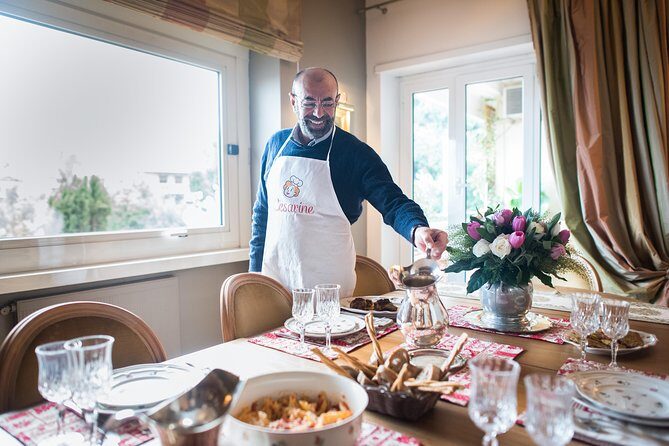
Ending with dessert isn’t an afterthought. In Roman meals, dessert rounds out the pacing, and these examples do that well.
You might have a ricotta and cherry tart, which feels lighter and fruit-forward while still staying very Italian. You might also get Roman tiramisu, or a chocolate shortbread-style dessert depending on what’s in the family rotation.
If you’re planning to cook back home, desserts are where you can usually score quick wins. Many Roman desserts are not complicated once you know the core technique—mixing, layering, chilling, or baking to the right texture. Even if you only take home one dessert method, it’s a big return.
Private-home logistics: small group size, finding the right door, and getting set up
This experience runs in a private home, and it’s limited to up to 10 travelers. That small size is a big quality signal. It also affects the vibe: you’ll get more attention, more chances to ask questions, and less waiting around.
One practical note matters a lot: for privacy reasons, the exact address isn’t disclosed before booking. The meeting point shown is a general location, and you’ll use your voucher details to find the correct home. That’s normal for this style of tour, but it means you should:
- Arrive a bit early
- Treat the instructions in your voucher as the truth
- Have your phone ready for the mobile ticket and any messaging needed
A negative experience can happen when people arrive at a general meeting point without enough guidance. The fix is simple: plan time buffers and use the provided instructions, not memory.
Good news: it’s near public transportation, and service animals are allowed. Most travelers can participate as well, so long as you’re comfortable with a home-kitchen setting.
Price and value: is $102.25 per person fair for this Rome experience?
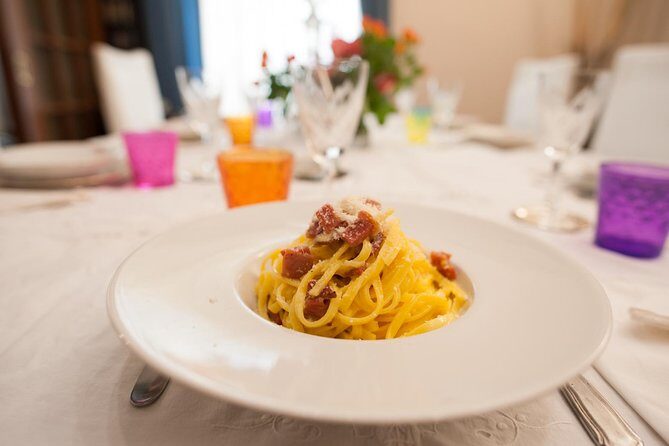
At $102.25 per person, you’re paying for more than a cooking show. You’re paying for:
- A private home setting
- A meal with multiple courses (starter, fresh pasta, second course, dessert)
- A Roman-focused class plus a hands-on workshop
- A small group experience (max 10) in English
Is it a bargain? Not really. But it’s also not just a meal ticket. In Rome, a private, local-led cooking experience with real instruction and a full course dinner is exactly the kind of experience that costs more than a standard restaurant outing.
Here’s how I’d judge it if I were deciding: if you want to learn techniques you can repeat, meet locals, and eat Roman dishes in a home setting, the price starts to make sense quickly. If you only want to eat, and you don’t care about cooking instruction, you might be better off with a restaurant meal plus a separate food walking plan.
Who should book this cooking class (and who should pass)
Book this if you:
- Want hands-on cooking, not just tasting
- Enjoy Roman classics and want to learn how they’re made
- Prefer small groups and personal attention
- Want an afternoon or evening activity that feels like local life
Skip it if you:
- Want a sightseeing-heavy schedule with major landmarks
- Don’t want to handle home-location directions and arrival timing
- Prefer a purely restaurant experience over cooking practice
It’s a smart fit for couples, small groups of friends, and solo travelers who like learning at a normal human pace.
My booking checklist so you don’t miss a minute of the meal
Before you go, do these basics:
- Confirm whether you booked the afternoon or evening option
- Save your mobile ticket and keep it accessible
- Read the voucher instructions closely, since the address can’t be fully disclosed in advance
- Plan to arrive early at the meeting point, then follow the directions you’re given
That’s the whole game. This type of experience runs smoothly when you treat the voucher details as your GPS.
Should you book this Rome Roman cooking experience?
Yes, if you want a real Roman meal plus a real cooking lesson in a local home. The 4.7 rating and high recommendation rate make it a strong bet for people who care about authenticity and hands-on learning. And the menu spread—fresh pasta, classic Roman mains like saltimbocca and coda, and Roman desserts—gives you plenty to take home in both taste and technique.
But if you’re the type who hates home-location logistics or expects a landmark tour, this may feel like the wrong style. In that case, consider a more standard food tour or a cooking class with a fixed venue.
FAQ
What’s included in the Roman home dining and cooking experience?
You’ll enjoy a seasonal starter, fresh pasta, a Roman second course, and a Roman dessert. You’ll also take part in a Roman gastronomy class and a cooking workshop in a local’s home.
Do I get to choose the time of day?
Yes. Options are available in the afternoon or in the evening.
How big is the group?
The experience has a maximum of 10 travelers.
Is the experience offered in English?
Yes. The tour is offered in English.
Where does the experience start and end?
It starts in the Province of Rome area and ends back at the meeting point.
Is it refundable if my plans change?
Free cancellation is available. You can cancel up to 24 hours in advance for a full refund.