REVIEW · WALKING TOURS
Rome’s Baroque Art Walking Tour: Who Killed Caravaggio?
Book on GetYourGuide →Operated by What About Tours · Bookable on GetYourGuide
Rome has a habit of hiding things in plain sight.
This walking tour uses baroque art and street-level storytelling to walk you through Rome’s most famous painted shadows, with a focus on Caravaggio’s mysterious end. I like how it mixes the big-name landmarks with smaller, less obvious stops that you’d easily miss on your own. It’s also built to work in real life, with shade and church interiors when the weather turns.
What really makes this tour work is the guide’s performance. Names from the guide team that have impressed people include Iván (great storyteller with lots of archival-style detail) and Jacobo (art historian style, easy to follow). The second thing I love is the way the art becomes evidence in the story, not just decoration.
The only real drawback to keep in mind: it’s church-heavy, and you’ll want to dress appropriately. Also, the humor can be dark and a bit politically incorrect, so if you want a purely “museum polite” vibe, this may not match your taste.
In This Review
- Key things to know before you walk
- Caravaggio, Crime, and Baroque Rome: What You’re Actually Solving
- Route Basics: From Piazza della Minerva to Palazzo Borghese in Two Hours
- Piazza della Minerva: The Elephant, the Obelisk, and the First Clue
- Pantheon Area: Quick Walk-Through, Not a Long Detour
- Church of St. Louis of the French: Where the Tone Gets Dark
- Basilica of St. Augustine: Art as Evidence, Not Just Worship
- The Mid-Route Stops: Two More Moments to Put Pieces Together
- Palazzo Borghese Finish: Ending Where Power Echoes
- What Art You’ll See: Caravaggio, Raphael, and Plautilla Bricci
- Pay-What-You-Want Pricing: Is $3.77 a Real Bargain
- Weather, Clothing, and Real-World Comfort
- Who Should Book This Tour (and Who Might Want Something Else)
- Should You Book Who Killed Caravaggio?
- FAQ
- Where does the tour meet?
- How long is the Rome Baroque Art walking tour?
- Is the tour in English?
- What is the starting price?
- Is it a pay-what-you-want or standard ticket price?
- How much should I tip?
- Will the tour run in bad weather?
- Do I need to dress for church entry?
- Is there free cancellation?
- Where does the tour finish?
Key things to know before you walk
- A true-crime structure: eyewitness-style accounts and modern theories are part of the conversation around Caravaggio’s final days.
- Big art in active places: you don’t just look from a distance; you hear how the meaning connects to his life and reputation.
- Multiple named artists: Caravaggio is central, with works discussed alongside Raphael and Plautilla Bricci.
- Weather-friendly pacing: open piazzas for the views, then cool church interiors for shelter.
- Tip-based model: pay-what-you-want, with typical tips around 10€ to 50$.
Caravaggio, Crime, and Baroque Rome: What You’re Actually Solving
This tour frames Rome like a scene from a noir novel, but it stays grounded in art and atmosphere. You start by looking at baroque Rome’s “face”: monumental piazzas, dramatic churches, and the kind of painted drama that seems too intense to be just about brushwork.
Then the story turns into a case file. Caravaggio isn’t treated as a distant art-history name. Instead, you’ll hear how his life—volatile, political, shaped by street conflicts and powerful patrons—followed the same tension you see in his paintings. The guide uses historical evidence and accounts, then adds modern theories to explain what might have happened in his final days.
You should expect an experience that’s more story-driven than lecture-driven. The best guides (and the reviews are loud about this) tell it with rhythm: strong character portraits, cause-and-effect, and a steady return to what the paintings communicate.
You can also read our reviews of more walking tours in Rome

Route Basics: From Piazza della Minerva to Palazzo Borghese in Two Hours
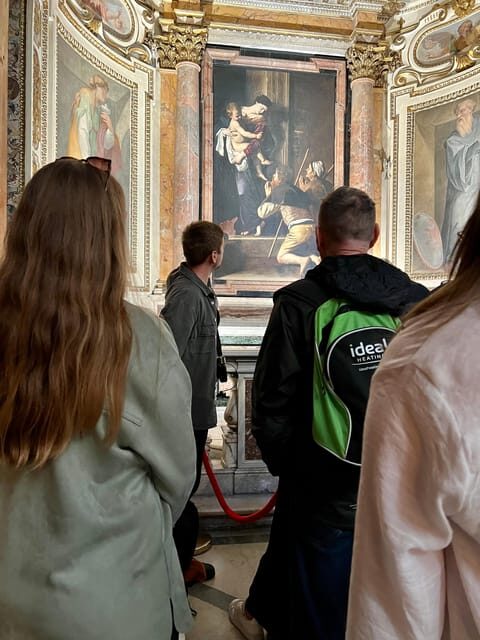
The meeting point is in Piazza della Minerva, near the elephant statue with the obelisk. You’ll have a sign with the tour name, so it’s fairly straightforward to spot the group.
The total time is about 2 hours, and the route is built around short walks between stops. You’ll move through open areas and then into churches, which matters for two reasons:
1) You’ll get good breaks from the Roman sun because churches offer shade and temperature control.
2) Churches can also mean you get calmer moments to listen without the noise of the street.
There are photo stops throughout, and the route ends at Palazzo Borghese. Even with the case-file tone, the pacing stays practical: you’re not trapped in one room for the whole experience.
Piazza della Minerva: The Elephant, the Obelisk, and the First Clue
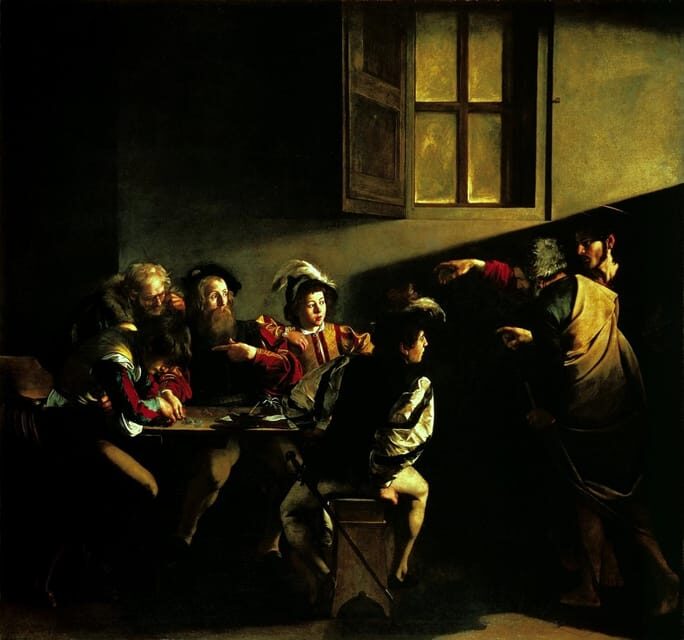
You begin at Piazza della Minerva, an instantly recognizable starting point thanks to that elephant-and-obelisk landmark. It sets the tone right away: you’re in a real Roman square, not a classroom.
From there, you’ll have a short guided segment and a photo stop. This first stretch is where the guide typically establishes the investigation approach—how to “read” art like evidence. It’s a good warm-up because it trains your eye before the tour starts making you connect the paintings to personality, rivalry, patronage, and consequences.
If you’re the type who likes to understand how a story is constructed, this opening helps. It’s also a reminder that you can learn a lot in Rome without needing a ticket line or a museum plan.
Pantheon Area: Quick Walk-Through, Not a Long Detour
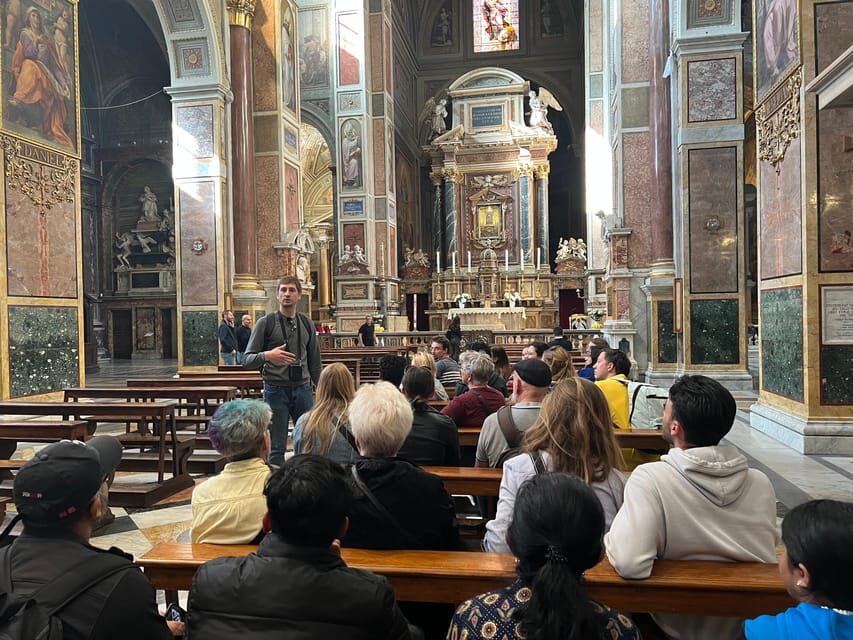
You get a short walk toward the Pantheon area. This is scheduled as a brief transition rather than a full stop, so don’t expect a deep architectural lesson.
What this gives you is momentum. You get a sense of where you are, then you move quickly into the more controlled atmosphere of churches. Think of it as a way to keep you oriented in central Rome before the tour starts handing out the heavier clues.
Church of St. Louis of the French: Where the Tone Gets Dark
Next up is the Church of St. Louis of the French. Your time here includes a photo stop plus guided visit and sightseeing.
This kind of stop is crucial to the tour’s format. You’re not just seeing an artwork; you’re hearing why it belongs to this story. Churches are dramatic spaces, and the guide uses that drama to connect Caravaggio’s world—conflict, power, reputation—to the visual impact people were meant to feel.
Two practical tips matter here:
- Dress appropriately for church entry. Even if you’re not staying long, you’ll want shoulders and legs covered enough to be comfortable inside.
- If you’re traveling on a tight schedule, this stop is one of the easiest places to lose time if you’re not ready to listen while walking slowly.
The payoff is that the art discussions land better in these interiors. The setting reinforces the message.






Basilica of St. Augustine: Art as Evidence, Not Just Worship
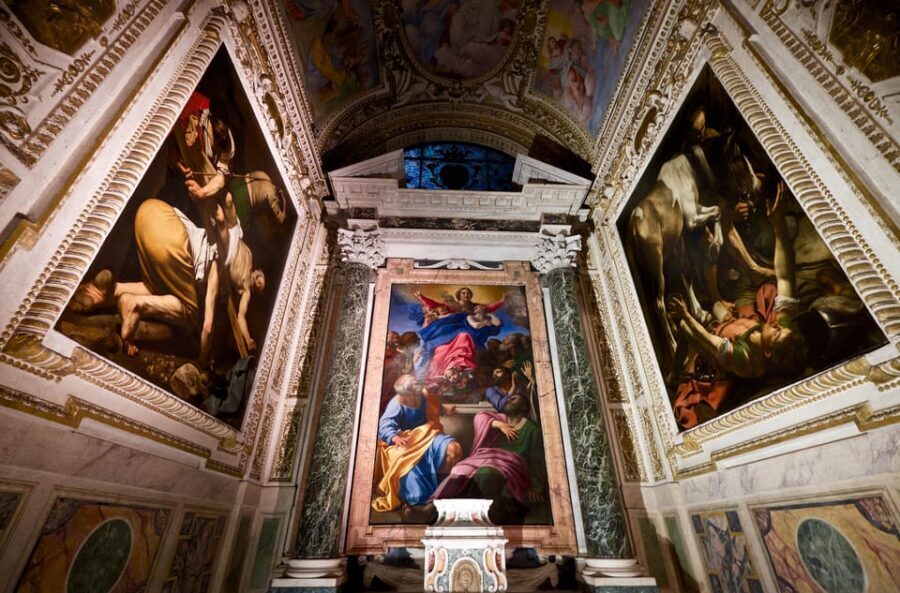
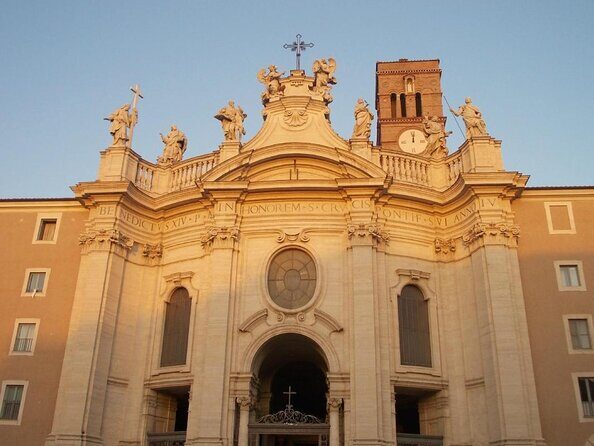
After that, you visit the Basilica of St. Augustine. The format continues: guided visit and short sightseeing with a brief walking segment.
This is where the “interpret art differently” promise starts to feel real. Instead of treating paintings like static objects, the guide connects brush choices and dramatic effects to character—how Caravaggio’s choices made enemies, gained patrons, and kept his name in motion.
It also helps that the tour isn’t limited to one artist. The tour highlights include Caravaggio, Raphael, and Plautilla Bricci, and that mix keeps you from getting stuck in one narrow lane. You start noticing how different artists handle light, emotion, and storytelling—and why those choices mattered socially, not only aesthetically.
The Mid-Route Stops: Two More Moments to Put Pieces Together
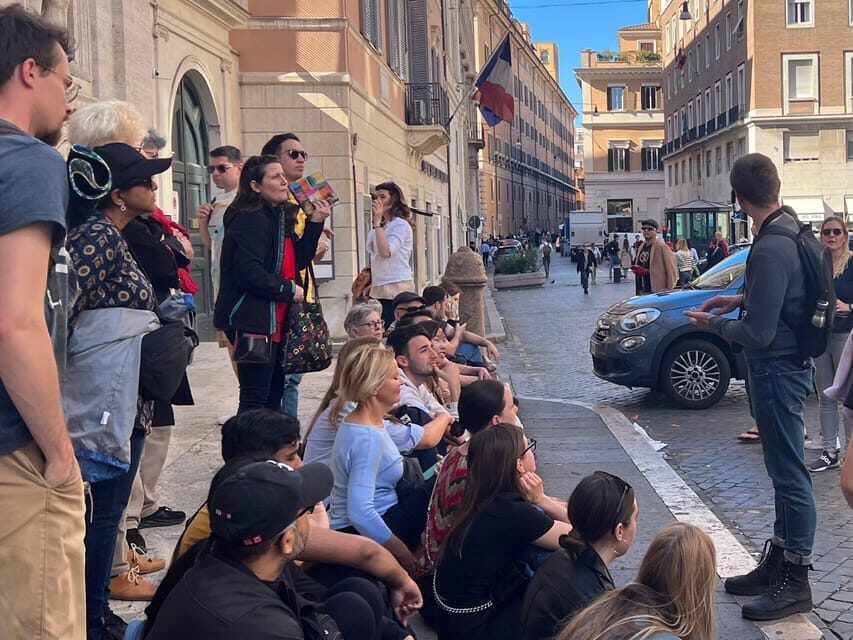
Between the main church visits, the itinerary includes additional short guided segments and a photo stop. One of the listed stops is a visit with a brief walk (about 10 minutes), and another is a photo stop with a short guided component (about 5 minutes).
Even without a headline name attached to those segments, this part of the route does an important job: it keeps the investigation moving. The guide can connect clues without forcing you into one long, tiring stretch inside the same location.
In practical terms, this also means you get frequent resets. You’ll have chances to look around, take photos, and refocus your attention. That’s a big deal on a Roman walk, where the temptation is to wander off mentally.
Palazzo Borghese Finish: Ending Where Power Echoes
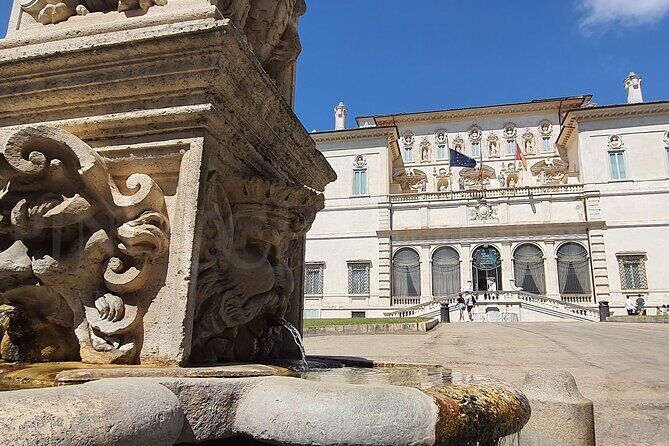
The tour ends at Palazzo Borghese, with a photo stop and a final visit. Finishing here is fitting. Even if you don’t go deep into palazzo history during the stop, it reinforces the tour’s central theme: art, politics, and influence were tangled together.
If you like your stories with a sense of closure, the final stretch gives you that. You arrive with questions about Caravaggio’s death, and you leave with a more structured way to talk about theories—what the evidence suggests, what eyewitness-style accounts imply, and why rivals and patrons mattered.
What Art You’ll See: Caravaggio, Raphael, and Plautilla Bricci
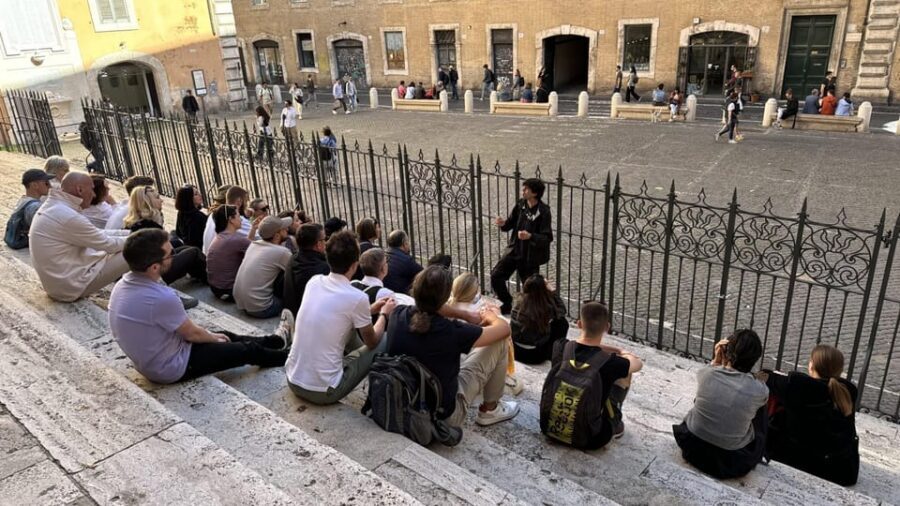
The tour is built around “priceless” works connected to the case, with highlights explicitly calling out Caravaggio, Raphael, and Plautilla Bricci. You’ll also hear about rare paintings and ancient artifacts encountered along the way.
Here’s what makes that valuable for you as a visitor: you’re not just collecting famous names. You’re learning a method. The guide encourages you to interpret what you see through the lens of who made it, who commissioned it, and who had reason to fear or benefit from it.
And because Caravaggio is the center of the story, his life becomes a key for understanding visual effects. You start to see the paintings as linked to temperament and reputation—street violence and artistic ambition sitting on the same timeline.
Pay-What-You-Want Pricing: Is $3.77 a Real Bargain
The listed price is $3.77 per person, but this is a tip-based tour under a pay-what-you-want model. In other words, the guide earns primarily through your tips. The tour guidance says a typical tip is usually between 10€ and 50$.
So how do you judge value? Honestly: don’t just look at the low base price. This is a human-guided, English-language, story-heavy experience that takes time and expertise to do well. If you truly want this to be fair for the guide, you’ll want to tip in the range suggested.
The upside for you is flexibility. You can decide what you think the tour was worth at the end. If the storytelling clicks, tipping becomes part of shaping what kind of local experiences keep happening.
Weather, Clothing, and Real-World Comfort
The tour is designed to be enjoyed in any weather. The plan alternates open piazzas with cool, atmospheric churches. That’s not just convenience. It changes how the story feels.
- Outdoors, the guide can build drama with Roman context and visuals.
- Inside churches, you get calmer listening conditions and an easier time following details without competing with wind and sun.
You’ll also find places to sit along the route, which helps a lot on a two-hour walk.
Just remember: church entry is part of the deal, so dress appropriately.
Who Should Book This Tour (and Who Might Want Something Else)
Book it if you love any of these:
- Art that comes with a plot
- True-crime style storytelling
- Dark humor and edgy jokes you can handle
- Seeing famous works through fresh interpretation, not just labels on walls
It’s also a strong fit if you’re traveling with someone who wants more than sightseeing. The tour mixes art, history, and an unsolved mystery into a single thread, so you’re not splitting your interests across multiple activities.
Consider skipping it if:
- You want a purely academic lecture tone
- You dislike politically incorrect jokes (the tour explicitly mentions dark humor and politically incorrect jokes)
- You prefer a less church-focused day
Should You Book Who Killed Caravaggio?
I’d book this if you want Rome to feel like a story, not a checklist. The route is short at two hours, the pacing keeps you moving, and the guide matters a lot—based on strong feedback about guides like Iván and Jacobo. When the storytelling is good, the art actually changes how you see the city.
If you do book it, bring two things: an open mind and a plan to tip. This isn’t a $3.77 entertainment subscription. It’s a pay-what-you-want experience where your guide is the product.
If your ideal Rome day is walking between dramatic churches, learning how paintings reflect power and conflict, and ending with questions instead of dead certainty, this tour will feel like a win.
FAQ
Where does the tour meet?
The meeting point is in Piazza della Minerva, by the elephant statue with the obelisk. You’ll have a sign with the tour name.
How long is the Rome Baroque Art walking tour?
The duration is 2 hours.
Is the tour in English?
Yes, the live tour guide speaks English.
What is the starting price?
The listed price is $3.77 per person.
Is it a pay-what-you-want or standard ticket price?
It’s tip-based with a pay-what-you-want model. At the end, you give what you think the tour was worth.
How much should I tip?
The guidance says tips usually fall between 10€ and 50$.
Will the tour run in bad weather?
It’s designed to be enjoyed in any weather, with shade, shelter, and visits to churches.
Do I need to dress for church entry?
Yes. The tour asks you to dress appropriately for church entry.
Is there free cancellation?
There is free cancellation if you cancel up to 24 hours in advance for a full refund.
Where does the tour finish?
The tour finishes at Palazzo Borghese.