REVIEW · COOKING CLASSES
Rome: Traditional Pasta Making Class with Wine & Gelato
Book on GetYourGuide →Operated by Walks of Italy · Bookable on GetYourGuide
Fresh pasta beats most plans.
In this 3-hour Rome class, you start with a Roman aperitivo and end with homemade gelato, while a professional chef guides you through making fettuccine and ravioli from scratch. I especially like how the lesson focuses on what matters in Roman cooking, not just the steps. One possible drawback: the experience isn’t set up for wheelchairs or strollers, since you’ll be working at kitchen stations and standing during parts of the class.
The best part is the setting: a reserved cooking school space in Trastevere, designed so your group can actually cook and then sit down together. You’ll pair what you make with wine, and your sauce choices are guided by seasonal ingredients from the local market.
The experience costs $66.84 per person, but it includes much more than a tasting. You’re paying for hands-on instruction, all ingredients, and a full meal with drinks, plus the gelato finale.
In This Review
- Key highlights to know before you go
- Where You Meet in Trastevere: San Giovanni della Malva Square
- The Aperitivo Warm-Up: Prosecco, Cheese, and Cured Meats
- Cooking Lesson Setup: A Real Kitchen for Real Work
- Making Fettuccine from Scratch: Dough, Rest, Roll, Cut
- Ravioli Time: Shaping the Second Pasta Dish
- Roman Sauces You’ll Learn: Why the Classics Taste Like Classics
- What You Eat: Homemade Pasta with Wine, Then Gelato
- Meet the Chefs: Names You Might Hear Along the Way
- Price and Value: Is $66.84 Worth It in Rome?
- Best For: Who Should Book This Pasta Class
- Planning Tips So You Get the Most Out of It
- Should You Book This Rome Pasta Making Class?
- FAQ
- How long is the Rome pasta making class?
- Is the class taught in English?
- Do you make both fettuccine and ravioli?
- What sauces do you make with your pasta?
- Are prosecco, wine, and gelato included?
- Can the class accommodate dietary restrictions?
- Where do you meet, and when should you arrive?
- Is pickup or drop-off included?
- Is this class suitable for wheelchair users or strollers?
Key highlights to know before you go
- Trastevere kitchen access for a hands-on pasta session, not a quick demo
- Prosecco + cured meats and cheese aperitivo to kick things off
- Two fresh pasta dishes: fettuccine and ravioli from scratch
- Roman sauce training using classic styles like amatriciana, gricia, and cacio e pepe
- Wine with your meal and chef-made gelato at the end
- English instruction with a chef who explains the why, not just the what
Where You Meet in Trastevere: San Giovanni della Malva Square
You meet at Piazza di San Giovanni della Malva, 00153 Roma RM, in the square in front of the San Giovanni della Malva church. Arrive about 15 minutes early so you can find the guide holding a red bag or a Devour Tours sign.
This matters because Rome timing is real timing. Getting there early helps you avoid the stress of finding the exact entrance and getting settled before the chef starts cooking.
You can also read our reviews of more cooking classes in Rome

The Aperitivo Warm-Up: Prosecco, Cheese, and Cured Meats
The class starts the right way: with prosecco and an aperitivo. You’ll get a plate of cured meats and cheese before you roll up your sleeves, which is more than a snack. It sets the tone for how Italians pace a meal: drink, chat, then cook and eat.
You’ll also get a quick introduction to the flow of the session. If you choose a shared class, you’ll meet other participants at this stage. If you book private, you’ll keep it more focused on your group and your chef.
Cooking Lesson Setup: A Real Kitchen for Real Work
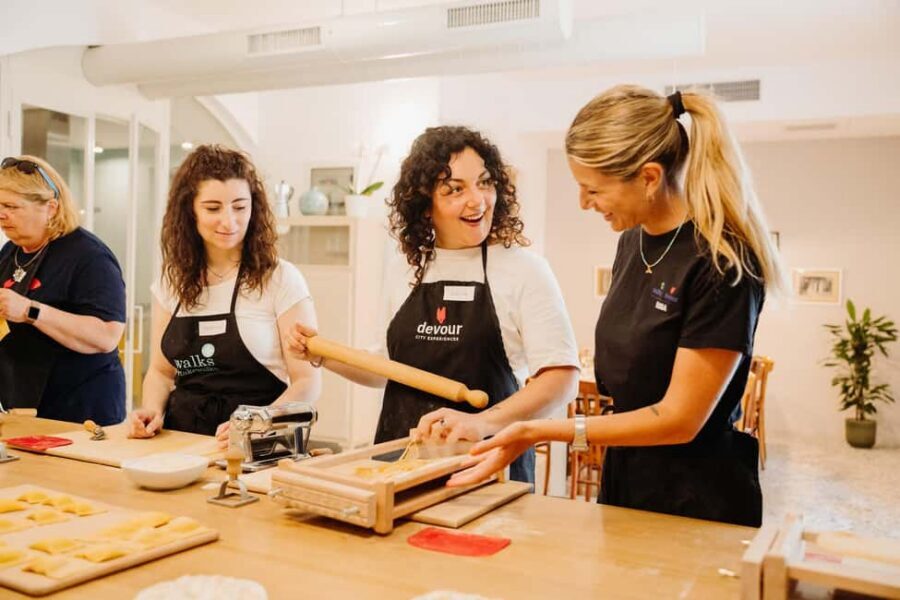
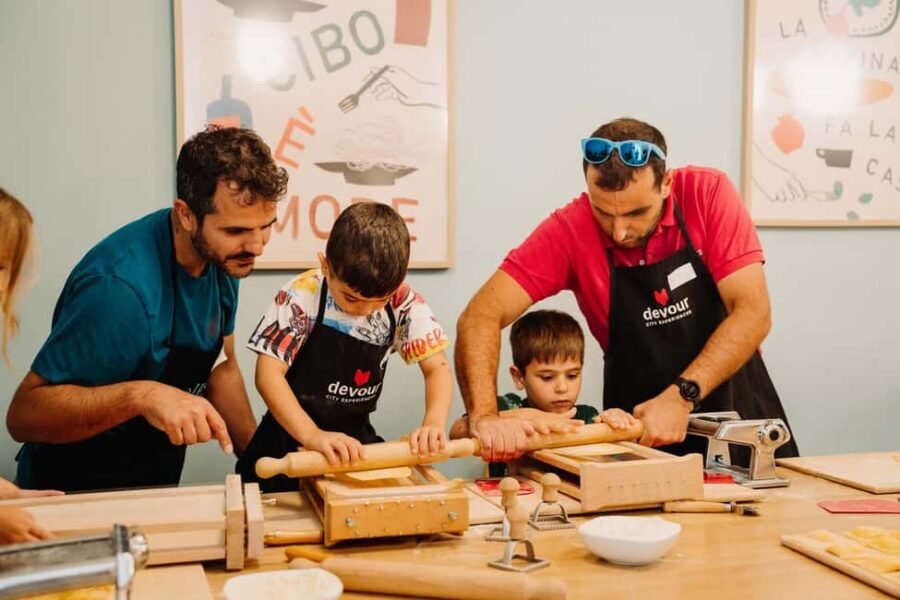
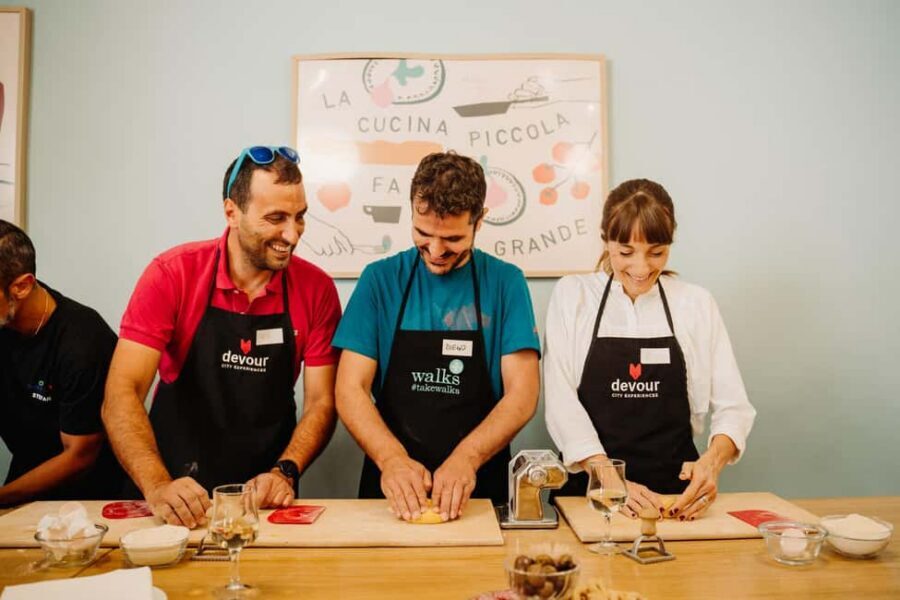
This is hands-on cooking, so expect to work with dough and tools, not just watch. The venue is described as a charming cooking school in Trastevere reserved for your group, and that makes a difference: you’re not squeezed into an auditorium setup.
One thing I like about the way the class is structured is the rhythm. You’re taught, you practice, and you eat what you made. That reduces the feeling that you’re paying for entertainment instead of learning.
Also, the chef teaches in English. You’ll be able to ask questions as you go, and the better chefs use those questions to explain the broader Roman approach to food.
Making Fettuccine from Scratch: Dough, Rest, Roll, Cut
The core skill you learn is making pasta from scratch. You’ll make fettuccine, starting with dough and moving through shaping it properly. The chef guides you through each part of the process, including what the dough should look and feel like as it comes together.
This is where the class feels most valuable for beginners. Instead of vague advice, the instruction focuses on the practical cues—how to tell if the dough is right, how to handle it, and what to do next.
From the way multiple chefs run the class, you can expect patience and a steady pace. Some instructors are especially good at breaking things down and explaining the why behind the technique, which is exactly what helps you recreate it at home later.
Ravioli Time: Shaping the Second Pasta Dish
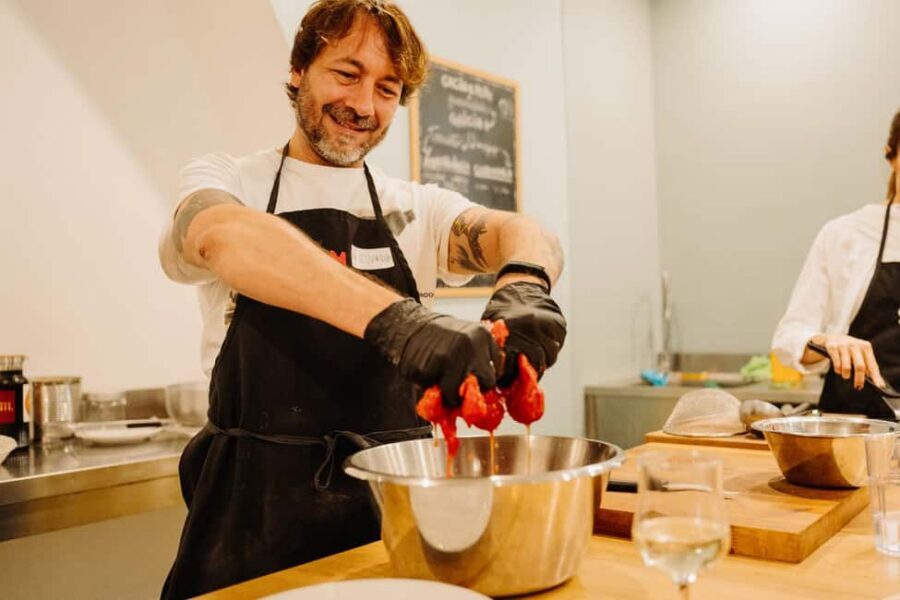
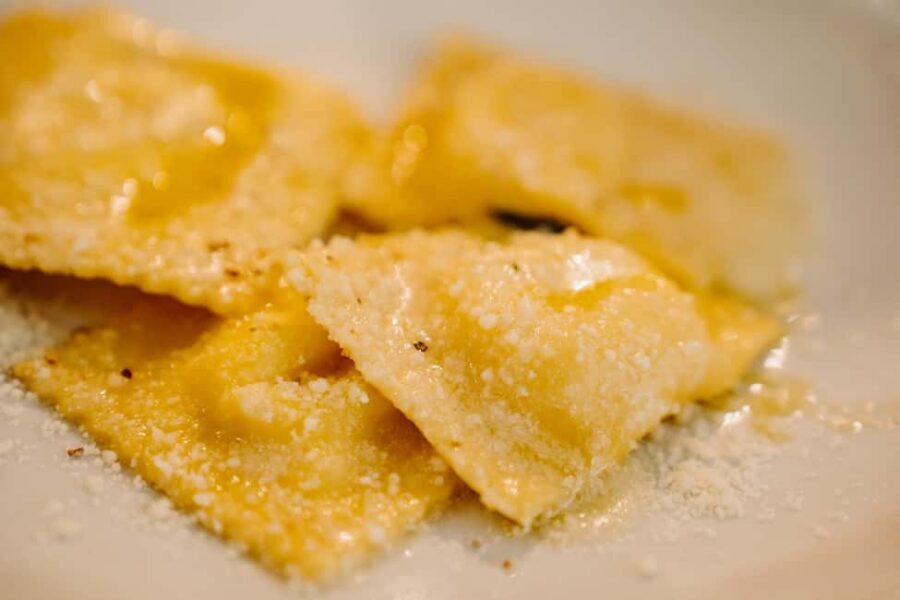
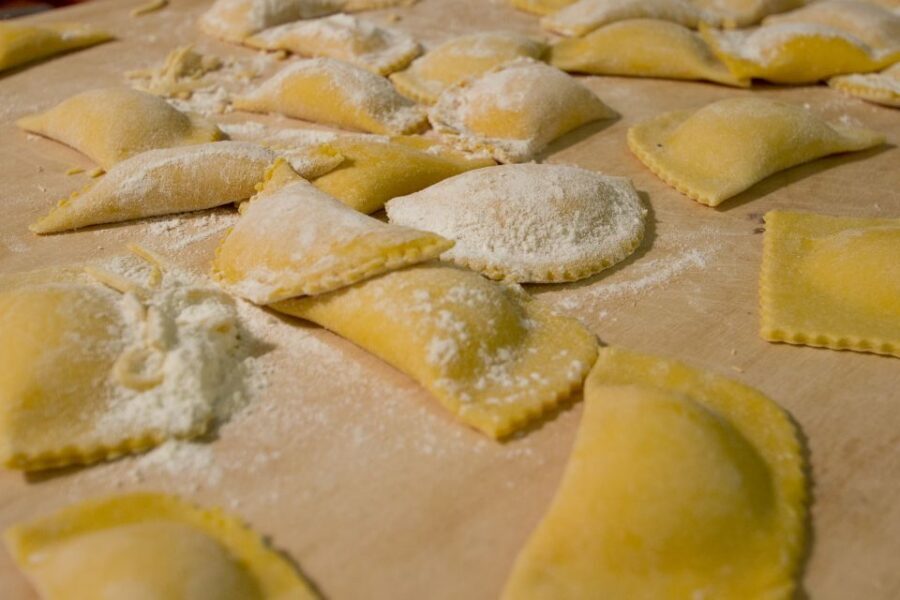
After fettuccine, you move to ravioli. Like the earlier stage, the chef walks you through the hands-on steps so you can shape and prepare the pasta confidently.
Ravioli can feel intimidating until you actually do it. The class removes the guesswork by keeping you in the workflow: make, assemble, and understand what you’re doing as you do it. That’s also why it works well for families with kids, as long as everyone can follow instructions and participate.
What you should keep in mind: the exact ravioli style and pairing sauce can depend on seasonal ingredients and what the chef has available from the market.
You can also read our reviews of more wine tours in Rome



Roman Sauces You’ll Learn: Why the Classics Taste Like Classics
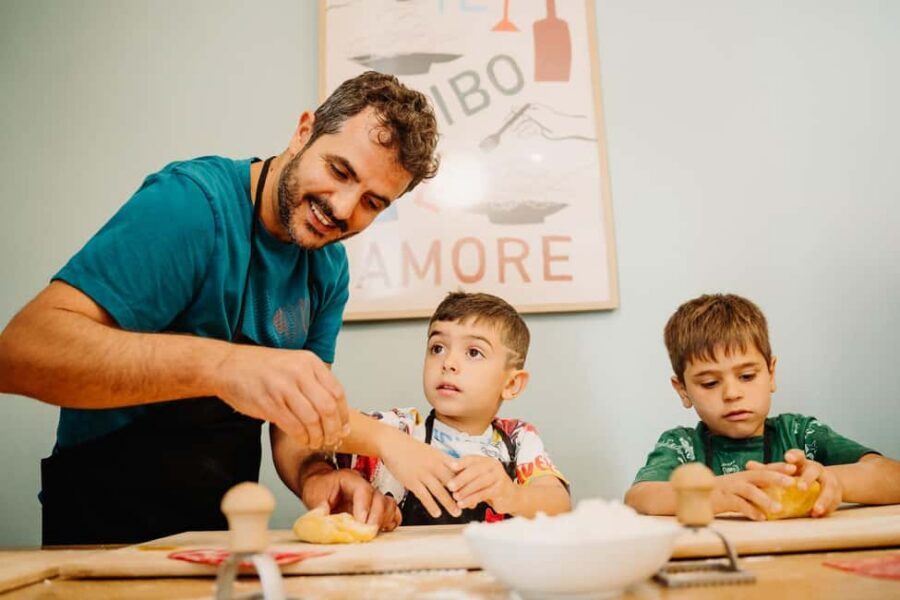
Here’s the Roman part that turns this from a basic cooking class into a food lesson. You’ll make fettuccine and ravioli, and you’ll pair them with traditional red and white sauces that can include options like amatriciana, puttanesca, gricia, or cacio e pepe.
A key detail: the chef chooses the sauce based on what’s available at local markets. That’s not just flexibility for the organizer—it’s how you learn Roman cooking in a real-world way. In Rome, sauces aren’t only recipes; they’re built around ingredients and timing.
If you want a takeaway that travels well beyond the kitchen, focus on sauce logic:
- Roman sauces often rely on a few strong ingredients.
- Technique and timing matter as much as the recipe.
- Small choices change the texture and flavor balance.
Some chefs go especially deep on sauce explanations, which is useful if you want to get better at cooking overall, not just repeating one class menu.
What You Eat: Homemade Pasta with Wine, Then Gelato
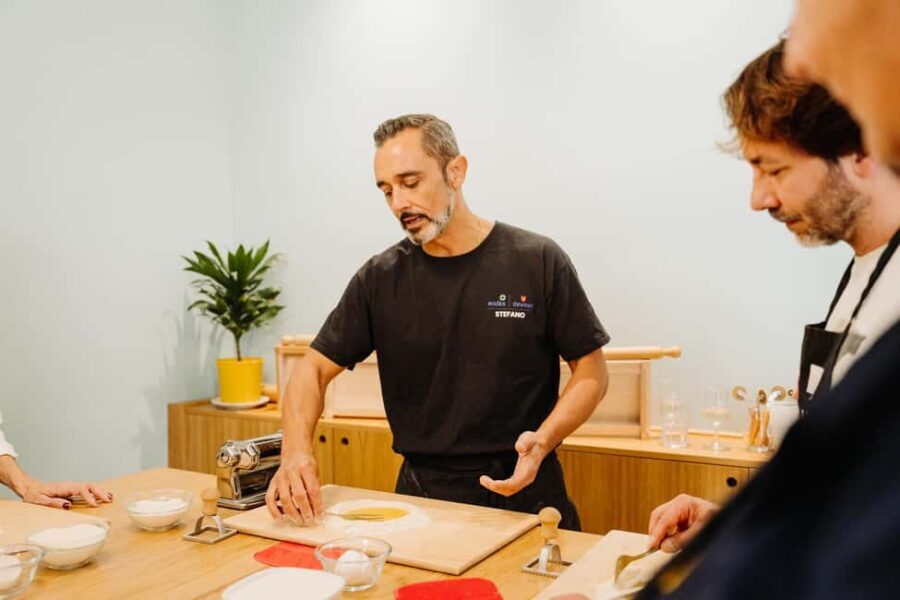
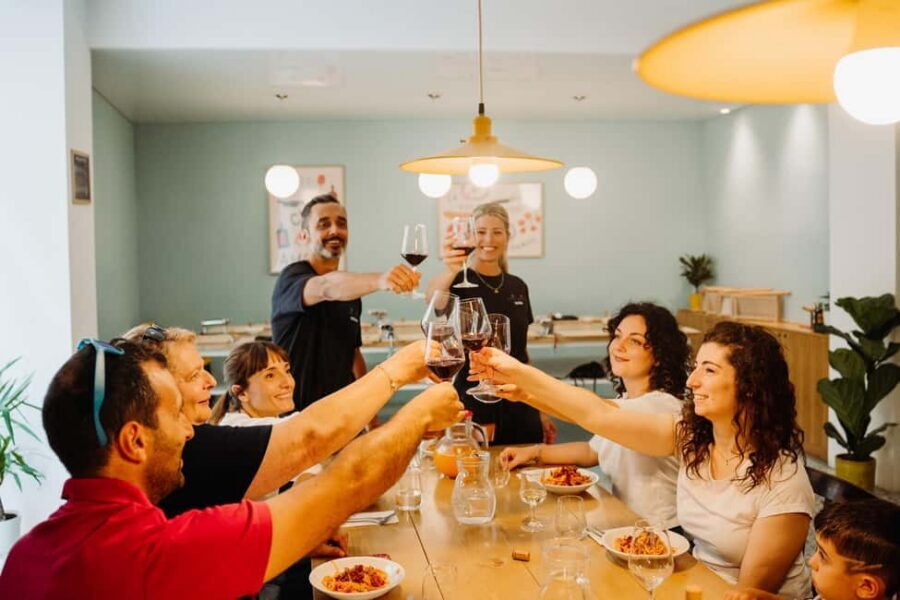
Once you’ve cooked, you sit down and eat your pasta with wine. This is not a separate tasting event—it’s the meal you helped create. You’re tasting while the session is still fresh in your mind, so it’s easier to connect flavor to technique.
Then comes dessert: homemade gelato made by your professional chef. It’s a sweet finish that makes the whole experience feel complete, like you didn’t just learn to cook—you actually shared a Roman meal.
Meet the Chefs: Names You Might Hear Along the Way
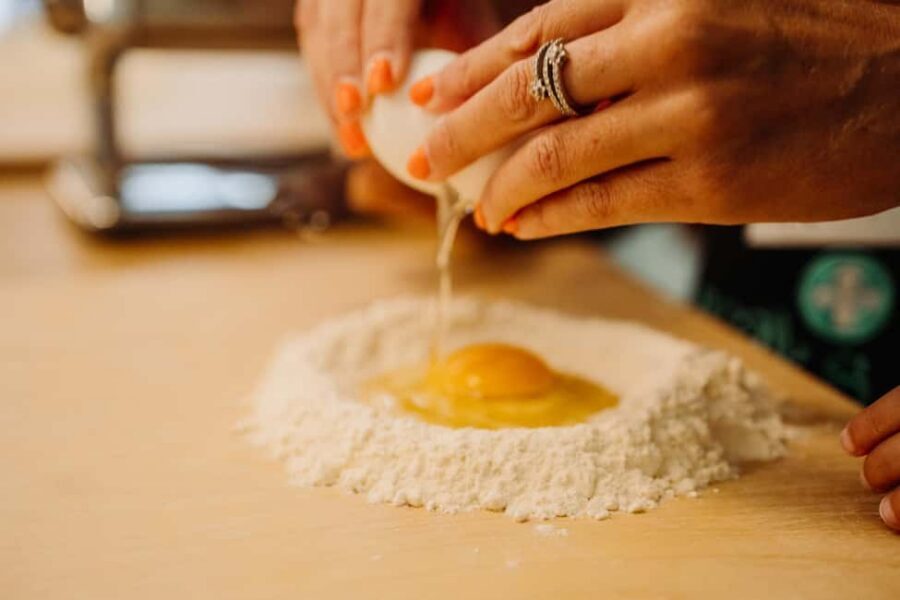
One of the best signals for value here is the consistent quality of instruction. Many classes run with chefs such as Luca and Federica, Stefano and Gianmaria, or Elisa and Fredrica. Other names that show up include Manuela, Alessandro, Lucca, Jamila, and Jeanmarie.
Even when the chef changes, the pattern stays the same: clear teaching, humor or warm energy, and strong pacing. Chefs also tend to take questions seriously—especially anything about cooking and Roman food culture. In practical terms, that means you’ll leave with more than a recipe sheet.
Price and Value: Is $66.84 Worth It in Rome?
For $66.84 per person, you’re not just buying a bowl of pasta. You’re getting:
- a professional chef and English instruction
- appetizers at the start
- ingredients for two homemade pasta dishes and their sauces
- prosecco and wine
- gelato to end the meal
- all the cooking time and a reserved group space in Trastevere
That’s why I think the class is good value for most people. A restaurant meal covers food, but it won’t teach you how to make fresh dough, shape ravioli, and understand why a Roman sauce works. Here, the cost blends instruction + ingredients + meals, so the price stops feeling random.
Where it might feel less worth it: if you’re only interested in eating, not learning. This is hands-on, and your enjoyment will rise with your willingness to participate.
Best For: Who Should Book This Pasta Class
This works especially well if you fit one of these groups:
- First-time pasta makers who want structure and step-by-step guidance
- Food lovers who care about Roman sauces, not just noodles
- Families with kids old enough to follow instructions and enjoy cooking
- Solo travelers who want a friendly group vibe and an easy path to conversation
It’s less suitable if mobility is a concern, since it’s not designed for wheelchairs and it’s not stroller-friendly. Also, plan around activity time on your feet and at the cooking stations.
Planning Tips So You Get the Most Out of It
Bring an appetite, but also bring a learning mindset. During the class, ask questions when you’re unsure—especially about sauce behavior and dough texture. The chefs are used to explaining the why, and that’s what helps you recreate the dish later.
If you have dietary restrictions, tell the provider ahead of time. The class is adaptable to most dietary needs, but it’s not stated as suitable for celiacs.
Finally, show up on time. Arriving 15 minutes early gives you a buffer so the chef can start the lesson smoothly and you can relax into the aperitivo.
Should You Book This Rome Pasta Making Class?
Yes, if you want a hands-on Roman food experience that’s bigger than a meal. The combination of prosecco aperitivo, two pasta types made from scratch, classic Roman sauces, wine at the table, and gelato at the end makes this feel like a complete evening rather than a quick activity.
Book it when you:
- want real cooking skills you can repeat at home
- care about Roman sauce styles and ingredient-driven cooking
- prefer a guided class in English with patient, supportive chefs
Skip it if:
- you only want to eat and would rather spend your time in a restaurant
- you need wheelchair or stroller access
If you’re in Rome and you like food that’s practical, teachable, and delicious, this is one of those activities that earns its place on your itinerary.
FAQ
How long is the Rome pasta making class?
The experience runs for 3 hours.
Is the class taught in English?
Yes. The instructor is listed as English.
Do you make both fettuccine and ravioli?
Yes. You’ll learn to make two fresh pasta dishes: fettuccine and ravioli, along with their sauces.
What sauces do you make with your pasta?
The class includes traditional Roman sauces such as amatriciana, puttanesca, gricia, or cacio e pepe. The chef chooses based on seasonal ingredients from the local market.
Are prosecco, wine, and gelato included?
Yes. You’ll have prosecco and wine, an aperitivo at the start, and gelato at the end, and the meal includes the pasta and sauces you make.
Can the class accommodate dietary restrictions?
It’s stated to be adaptable to all dietary needs except celiacs. If you have restrictions, you need to contact the provider before joining so they can arrange your food.
Where do you meet, and when should you arrive?
You meet at Piazza di San Giovanni della Malva, in the square in front of the San Giovanni della Malva church. Arrive 15 minutes prior to the start time.
Is pickup or drop-off included?
No. Pickup and drop-off are not included.
Is this class suitable for wheelchair users or strollers?
No. It is not suitable for guests with mobility impairments, wheelchair users, or strollers.