REVIEW · COOKING CLASSES
Rome: Traditional Pasta and Tiramisu Cooking Class
Book on GetYourGuide →Operated by Estaalia · Bookable on GetYourGuide
Fresh pasta can be learned fast.
This small-group Rome class is built for doing, not watching. You’ll work step by step with a professional chef to make fresh pasta and tiramisu, then you’ll taste what you made along with a glass of prosecco to start. It’s also the kind of lesson where the chef’s explanations stick, because you use them immediately at the counter.
I also like the pacing: the class mixes a quick history chat with practical technique, so you understand what you’re doing while you’re doing it. And the group stays tight, limited to 10 participants, which keeps questions from getting lost. One thing to consider: this isn’t a fit if you have food allergies, and you’ll want to plan how you’ll get to the venue since transportation isn’t included.
In This Review
- Key highlights you’ll care about
- How the Rome Pasta and Tiramisu Class Fits Your Day
- Meeting at GOAT Gallery and What to Expect From the Setup
- Prosecco + the Pasta Story You’ll Actually Remember
- Rolling Up Your Sleeves: Fresh Pasta Dough in Real Steps
- Choosing a Homemade Sauce That Matches Your Pasta Shape
- Classic Tiramisu: Technique, Timing, and the Need to Wait
- The Best Part: Tasting What You Made With Wine
- Price and Value: Is $88 Worth It?
- Who This Cooking Class Suits Best
- Quick Practical Tips Before You Go
- Should You Book This Rome Pasta and Tiramisu Class?
- FAQ
- How long is the cooking class?
- Where is the meeting point?
- What languages are offered?
- What’s included in the price?
- Do I need to bring ingredients or utensils?
- Is the class suitable for children?
- Is it okay if I have food allergies?
Key highlights you’ll care about
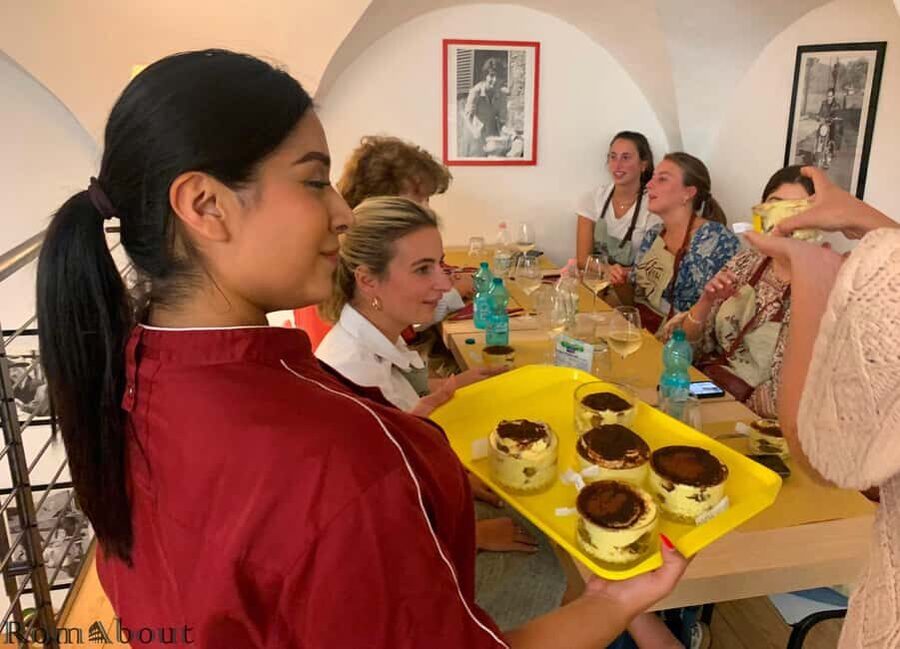
- Hands-on pasta dough made from scratch, with guidance on ingredients and texture
- Tiramisu step-by-step technique, with time to set before tasting
- Small-group vibe (max 10), so you get real attention, not a lecture
- Prosecco and wine included, turning a cooking lesson into a relaxed afternoon
- You leave with a repeatable method, not just a plate of food
How the Rome Pasta and Tiramisu Class Fits Your Day
Rome cooking classes can be hit-or-miss if they’re basically a demo with a couple of sample bites. This one is different because it’s structured around you making two core Italian comfort foods: pasta and tiramisu. It’s a 2.5-hour experience, which is long enough to learn, but not so long that you lose the thread.
The location is also part of the appeal: you meet at GOAT Gallery on Via dei Capocci, a street that’s easy to reach once you’re already moving around central Rome. If you like your activities practical and bite-sized, this hits the sweet spot.
Another plus is that it welcomes all cooking levels. That matters, because fresh pasta and tiramisu can sound intimidating until someone breaks the process into clear steps and you’re allowed to try. In the past, people have praised the clarity of the teaching and the way instructions are explained carefully, even when the class includes a parent and child dynamic.
You can also read our reviews of more cooking classes in Rome

Meeting at GOAT Gallery and What to Expect From the Setup
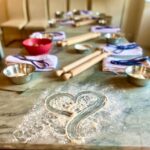
You’ll meet your instructor at GOAT Gallery, Via dei Capocci, 26. That’s your starting point, and once you’re inside, you’ll get ready for cooking right away. The class is designed so you don’t need to show up with gear or supplies.
Wear comfortable shoes and comfortable clothes. This is active cooking. You might be kneading dough, shaping pasta, and working at a station that’s meant for hands-on food prep. Bare feet aren’t allowed, and large bags or luggage won’t be a good idea either.
It’s also worth knowing who this is and isn’t for. The class isn’t suitable for wheelchair users, and it’s not designed for people with food allergies. Children must be at least 4 years old. If you’re planning with family, think about the child’s attention span and willingness to work hands-on for the full session.
Prosecco + the Pasta Story You’ll Actually Remember
The experience starts with a short history overview—pasta and tiramisu background—paired with a refreshing glass of prosecco. This isn’t about memorizing dates. It’s about understanding why these dishes feel the way they do, and why certain ingredients and methods matter.
That history piece is timed well. You’re fresh (literally and figuratively), so the chef’s explanation lands before you start working the dough. Then, when you learn the secrets of the best ingredients, you’ll know what to look for. In a hands-on class, ingredient choices aren’t just trivia. They affect texture, consistency, and flavor.
If you enjoy small-group conversations, this is also a social moment. The instructor speaks English and Spanish, which makes it easier for mixed groups to follow along without the class slowing down.
Rolling Up Your Sleeves: Fresh Pasta Dough in Real Steps
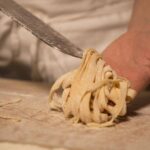
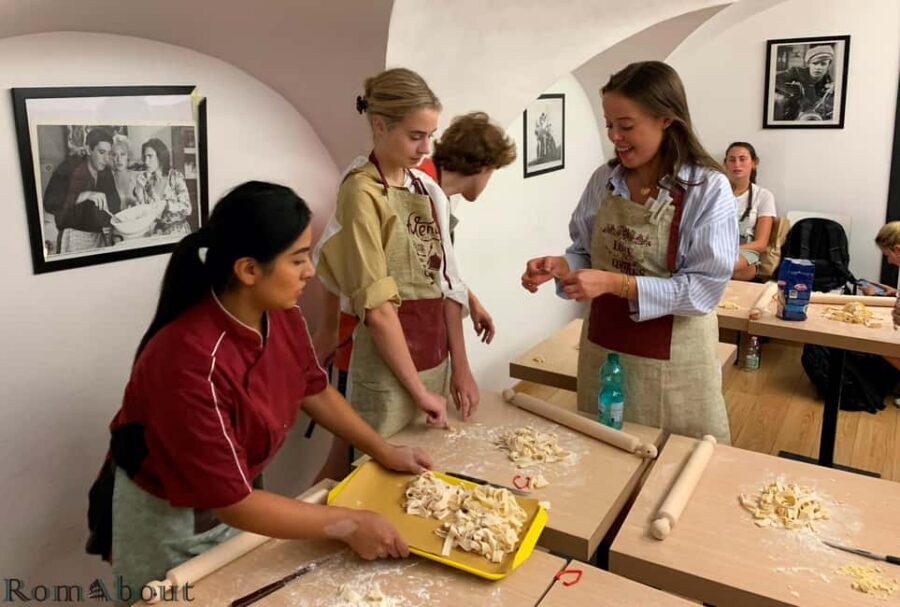
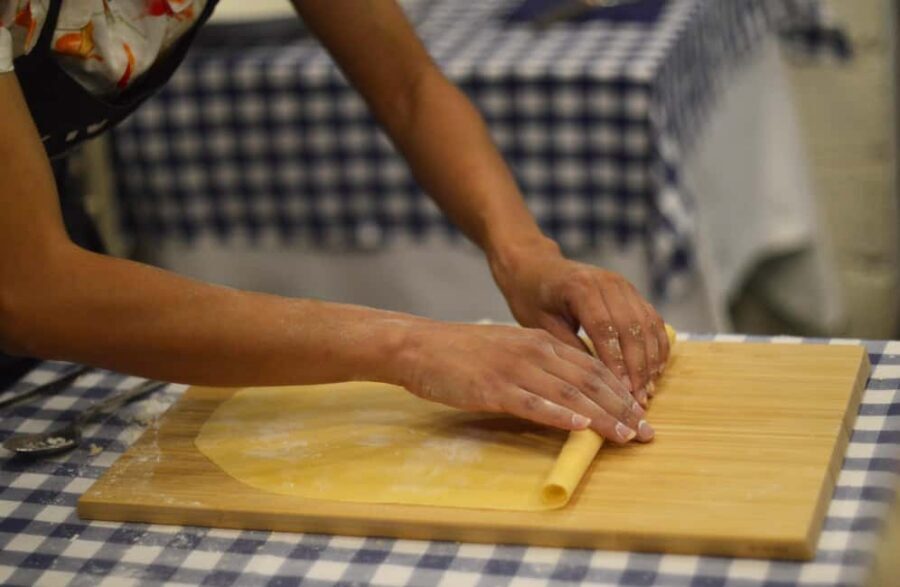
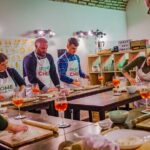
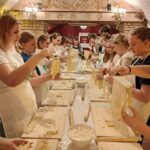
The main work begins with making fresh pasta dough. You’ll learn the step-by-step process directly from your professional chef, including what to focus on as you mix, knead, and shape. The class isn’t built around perfection on your first attempt. It’s built around learning what changes you can feel in your hands.
Fresh pasta dough is one of those skills that’s hard to learn from a video. In person, you can get immediate feedback about texture. That’s a huge value in this kind of class. You’re not guessing whether the dough looks right—you’re being guided.
The chef also emphasizes ingredient quality and the practical reasons behind it. When the instructor talks about the best ingredients, you’re not just hearing about tradition. You’re learning how better ingredients can make the dough easier to work with and the finished pasta more satisfying to eat.
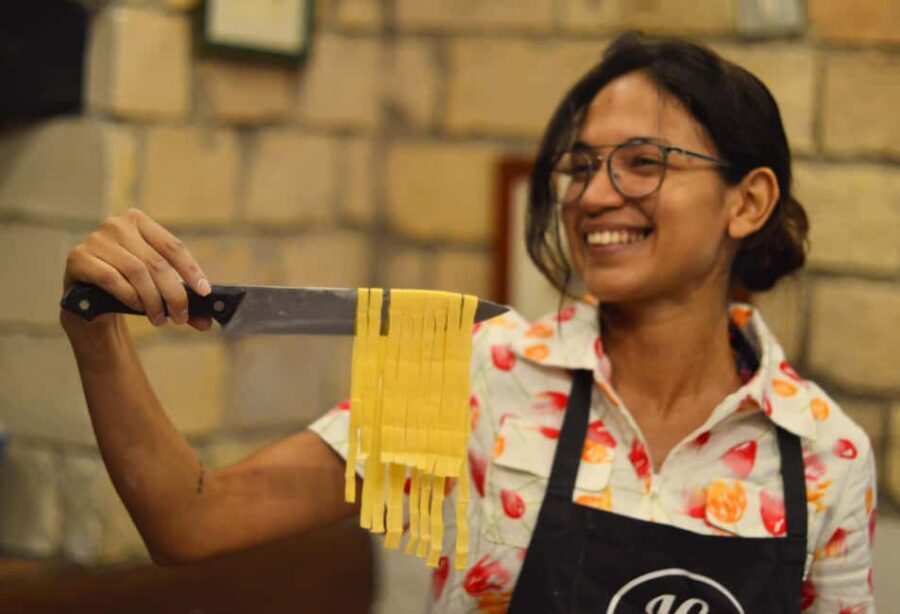
Then comes the shaping. You’ll create pasta after you form the dough, and you’ll get instruction on how to handle the dough as you move from raw to ready. Shaping is where people often surprise themselves. It feels like the craft part, and it’s also where you start to think like a cook instead of a student.
Choosing a Homemade Sauce That Matches Your Pasta Shape
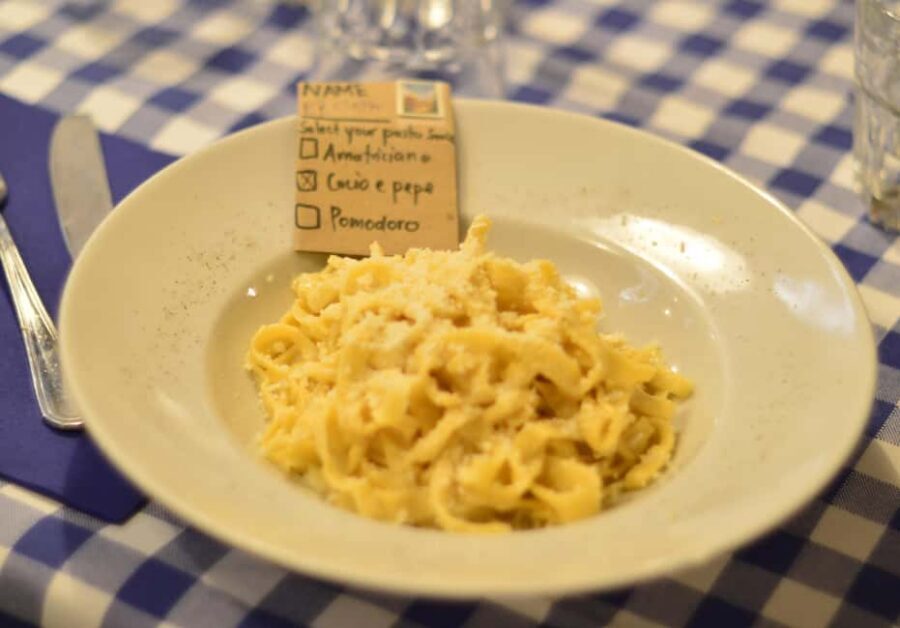
After shaping your pasta, you’ll select a homemade sauce to go with it. This part matters more than it sounds. Pasta isn’t just about the noodles. It’s about pairing and balance.
In this class, you’re guided toward choosing a sauce that fits what you made. That’s the kind of lesson that helps after the class ends. You can reuse the pairing logic next time you’re cooking at home, even if you’re using whatever sauce ingredients are available.
This is also where the class pacing helps. While one component is setting or resting, you’re kept moving with the other component. That prevents the dreaded cooking-class slowdown where everyone is waiting around and your attention fades.
You can also read our reviews of more tours and experiences in Rome

Classic Tiramisu: Technique, Timing, and the Need to Wait
While the tiramisu is placed on the side to let it set, you’ll shift back to pasta work. That rhythm is smart. Tiramisu needs time to come together, and the class uses that downtime efficiently.
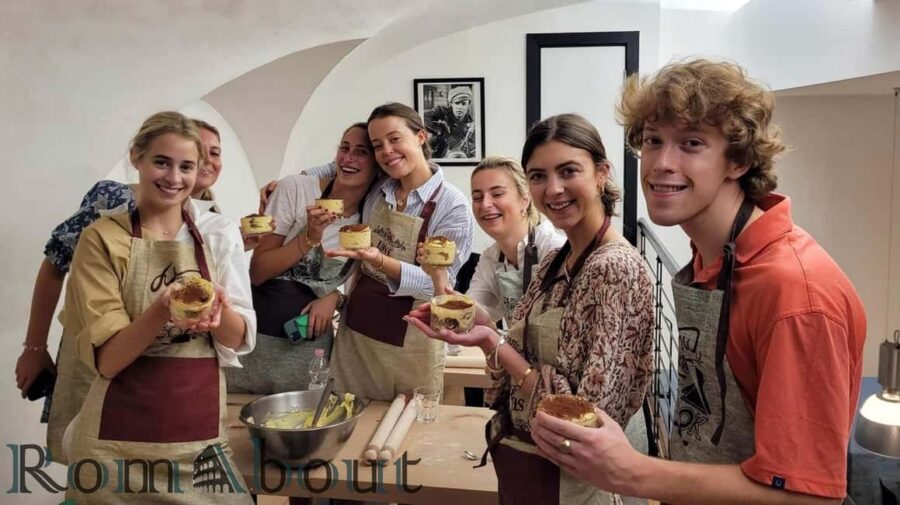
When you learn tiramisu step-by-step, you’ll focus on method rather than guesswork. The professional chef walks you through the process, so you’re not relying on a printed recipe alone. You’ll learn the traditional approach to making tiramisu, including what you need to do so it holds its shape and flavor when it’s time to taste.
People consistently praise the tiramisu portion as the highlight, especially because you’re not just sampling. You’re making it. And because the class builds in waiting time for setting, the tasting is timed well. You don’t end up with tiramisu that hasn’t had the chance to become itself.
The Best Part: Tasting What You Made With Wine
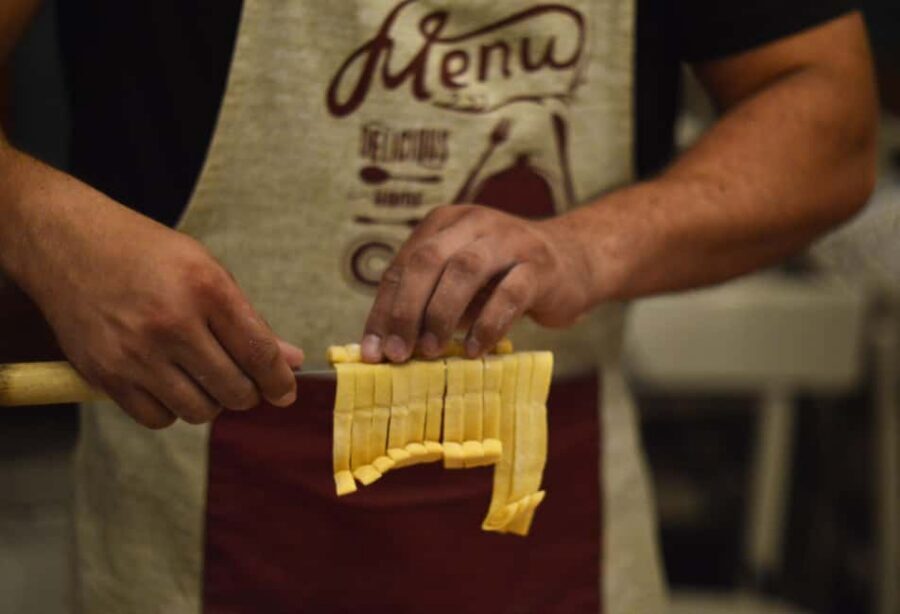
This is a cooking class, but it ends like a meal. You’ll taste all the dishes you prepared—both the pasta you shaped and the tiramisu you assembled.
You’ll also have a glass of wine and a bottle of water included, which turns the tasting into a calmer, more enjoyable finish. Cooking can make you hungry in a hurry, and having a structured tasting right after you finish the last steps keeps the momentum.
If you like food with a story, this is where it clicks. The pasta and sauce aren’t just textures on a plate. They’re the result of the ingredient choices and technique the chef taught earlier. And the tiramisu isn’t just dessert. It’s a lesson in timing and method.
Price and Value: Is $88 Worth It?
At $88 per person for 2.5 hours, the value comes down to what you receive and how hands-on it is. You get:
- a professional chef-led class
- all ingredients and utensils
- a glass of prosecco
- a glass of wine plus bottle of water
- tasting of what you cook
That’s not just paying for food. You’re paying for instruction, cleanup-free hands-on practice, and the built-in tasting so you can evaluate what you did right (and what you might tweak next time).
If you’ve tried to learn fresh pasta on your own, you already know the hidden costs: ingredients that don’t work, wasted dough, time spent troubleshooting. Here, you’re paying for guided technique in a small group. That attention level is part of the value, and the class size cap at 10 helps keep it realistic to ask questions.
Also, since transportation isn’t included, factor in how you’ll reach GOAT Gallery. If you’re already in central Rome, that cost can be small. If not, plan for the commute.
Who This Cooking Class Suits Best
This is a great fit if you want a practical food experience in Rome—one where you actually make the meal. It’s especially good for couples, friends, and people traveling with a parent-child setup who are comfortable with hands-on cooking during the full session.
It also works well if you care about clarity. The instructor’s explanations are described as detailed and careful, and the class format makes it easier to follow without getting left behind. The English and Spanish instruction helps too, so you’re not forced to rely on one language.
If you’re allergic to specific foods, skip this one. It’s not suitable for people with food allergies. And if you need wheelchair access, this class won’t meet your needs.
Quick Practical Tips Before You Go
- Bring comfortable shoes and clothes you can move in
- Keep plans simple and go light on bags; luggage or large bags aren’t allowed
- Plan on appetite. You’re tasting what you cook
- If you’re booking for a child, check that they meet the age rule (not under 4)
One more small thought: pasta dough and dessert assembly are both tactile skills. If you’re the type who likes learning through your hands, you’ll feel at home here.
Should You Book This Rome Pasta and Tiramisu Class?
I’d book it if you want an afternoon activity that’s genuinely interactive and ends with a real meal you made yourself. The combination of fresh pasta practice, traditional tiramisu technique, and included drinks makes it feel like more than a ticketed workshop. And the small-group size is a practical advantage: you get guidance when you need it.
Skip it if food allergies are part of your situation, or if wheelchair access is required. Also, only book if you can handle a 2.5-hour focused session of cooking without needing constant breaks.
If your goal is to leave Rome with skills you can repeat—pasta dough method and tiramisu approach—this is the kind of class that pays off long after the last bite.
FAQ
How long is the cooking class?
It lasts about 2.5 hours.
Where is the meeting point?
You meet at GOAT Gallery, Via dei Capocci, 26.
What languages are offered?
The instructor speaks English and Spanish.
What’s included in the price?
You get a glass of prosecco, cooking class with a professional chef, all ingredients and utensils, a glass of wine and bottle of water, and tastings of the dishes you prepare.
Do I need to bring ingredients or utensils?
No. All ingredients and utensils are provided.
Is the class suitable for children?
It is not suitable for children under 4 years old.
Is it okay if I have food allergies?
No. People with food allergies are not suitable for this activity.