REVIEW · WALKING TOURS
Rome: Saints, Heretics & the Inquisition Small Group Walking Tour
Book on Viator →Operated by Treasures of Rome · Bookable on Viator
Rome’s churches get political fast. This small-group walking tour uses nine stops to show how Catholic Rome used art, architecture, and relics to make religious and political points. Expect saints and relics, plus big-name artists and architects that you can actually connect to the story behind each room, not just admire from the street.
I especially like how the guide turns details into meaning. Instead of treating church interiors like art museums, you get a clear read on symbolism and iconography—how paintings, mosaics, statues, and their placement were meant to communicate doctrine, power, and sometimes conflict. One catch: church visits require shoulders, back, and knees covered, so pack something to cover up if your outfit is too short or sleeveless.
If you like your Rome day organized but not rushed, you’ll probably enjoy this format. The pace is built for a 3–4 hour walk, with a maximum group size of 5, and the guide can adjust to what the group wants and even which language you’re using. Plus, the listed stop admissions are free, and the tour starts at a super-easy location near public transport.
In This Review
- Key things you’ll notice right away
- Saints, Heretics & the Inquisition: what the theme really means
- Price and value: what $60.46 gets you
- Logistics for a smooth 9:00 am start at Ponte Sant’Angelo
- Stop-by-stop walk: saints, relics, and the architects behind the drama
- Stop 1: Basilica di San Giovanni Battista dei Fiorentini
- Stop 2: Santa Maria in Vallicella
- Stop 3: Campo De’ Fiori
- Stop 4: Basilica di Sant’Andrea della Valle
- Stop 5: Piazza Navona
- Stop 6: Chiesa di Sant’Agnese in Agone
- Stop 7: Chiesa di Santa Maria dell’Anima
- Stop 8: Church of St. Louis of the French
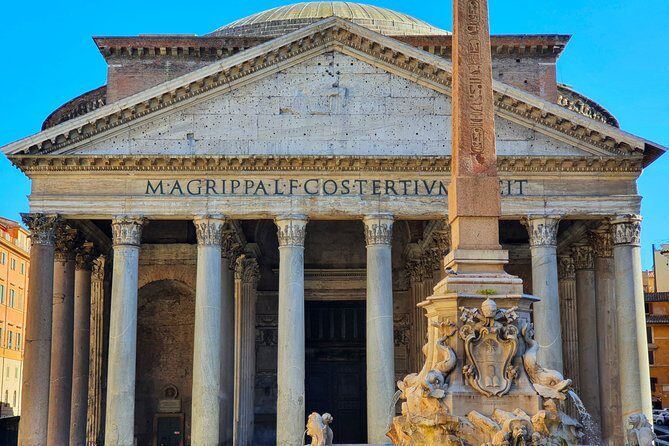
- Stop 9: Pantheon (no interior)
- Why the guide matters more than you think
- Who should book this tour (and who might not love it)
- Practical tips so you’re comfortable inside churches
- Should you book Saints, Heretics & the Inquisition?
- FAQ
- Where does the tour start?
- What time does the tour start?
- How long is the Rome Saints, Heretics & the Inquisition Small Group Walking Tour?
- How much does it cost per person?
- Is the tour offered in English?
- What is the group size limit?
- Is it a walking tour?
- Do I need admission tickets for the stops?
- Do we enter the Pantheon on this tour?
- What clothing do I need for church visits?
Key things you’ll notice right away
- Small group size (max 5): easier questions and a more human pace inside churches.
- Relics and iconography focus: you’ll look at churches differently by the end.
- Big names, not just big crowds: Borromini, Bernini, Caravaggio, Guido Reni, plus the Barberini chapel.
- Off-the-main-grid streets: several stops are the kind of places you can miss on a standard sightseeing day.
- Theme clarity: saints, heresy, and the Inquisition come through as stories tied to places and images.
- No Pantheon entry: you’ll still get the classic exterior feel, without turning the morning into a line-management contest.
Saints, Heretics & the Inquisition: what the theme really means
The title sounds dramatic, and it is. But the best part is that the tour doesn’t stay on the level of scary headlines. It treats Catholic Rome like a system: people, patron families, church leaders, and artists all playing roles in a long-running debate about what faith should look like and who had the authority to define it.
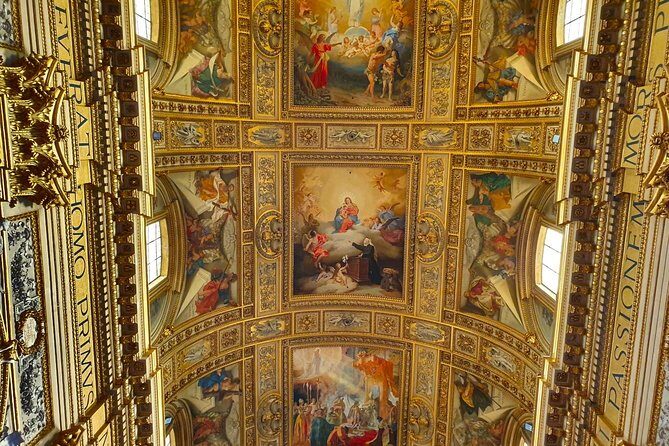
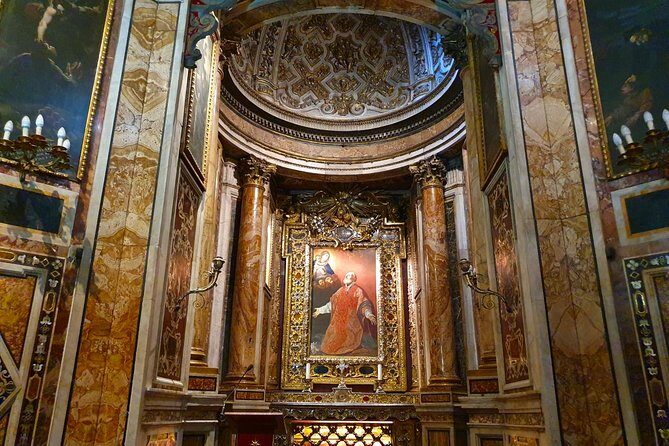
That’s why you’ll spend most of your time in churches and church-adjacent spaces. This is where Rome’s “argument” got built in stone and painted on plaster. You’ll notice how certain artworks and relics weren’t neutral decoration—they were part of how communities learned, persuaded, and asserted identity.
The guide’s job is to connect the dots fast. You’ll be helped to read what you’re seeing: how architecture signals status, how baroque design pulls your eyes toward a message, and how famous artists show up again and again in the same religious network. When it works, it turns a church interior from a pretty room into a story you can follow.
You can also read our reviews of more walking tours in Rome
Price and value: what $60.46 gets you
At $60.46 per person for about 3 to 4 hours, this is priced like a specialty morning tour. You’re not paying for a bus ride or a big-ticket attraction. You’re paying for something Rome does well: a human guide who can interpret art and religious symbolism while you move between locations.
The value angle is practical:
- Admissions are listed as free for the stops you visit.
- It’s mobile-ticketed, so you don’t waste time hunting paperwork.
- You get time-efficient church coverage: multiple interiors and famous public spaces without losing half the day to travel between neighborhoods.
- The route stays manageable: lots of stops, but each one is timed, so you get to see, then move on.
What you should consider is the trade-off: this is for people who want the religious-art angle. If you just want the biggest monuments with minimal interpretation, you may feel the theme is too focused. If you like learning how images and relics work, this format is a strong match.
Logistics for a smooth 9:00 am start at Ponte Sant’Angelo
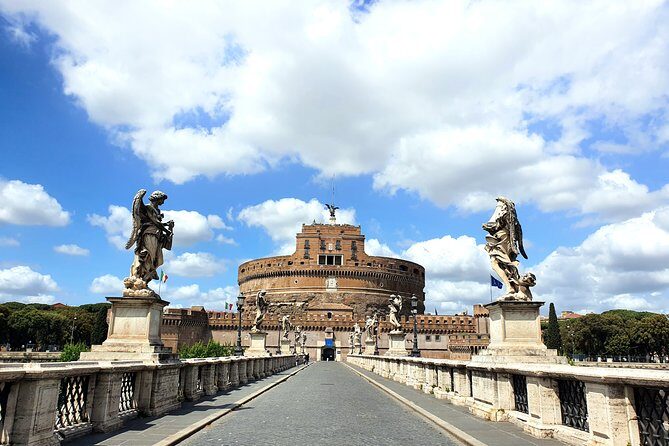
The meeting point is St. Angelo Bridge (Ponte Sant’Angelo), 00186 Roma RM, and the tour starts at 9:00 am. It ends back at the same meeting point, so you can treat it like a self-contained morning plan.
It’s also listed as near public transportation, which matters in Rome. If you’re taking transit, you can get close without building a long walk into your first hour. And since the tour is a walking route, you’ll want comfortable shoes from the get-go.
There’s one more practical thing: the tour requires good weather. Rome can flip from sunny to rainy without asking your opinion, so keep an eye on the forecast. If the tour is canceled due to weather, you’ll be offered a different date or a full refund.
Stop-by-stop walk: saints, relics, and the architects behind the drama
The stops below are timed at about 20 minutes each, with Piazza Navona and the Pantheon running longer. You won’t rush through everything, but you also shouldn’t expect long sitting time. Think of it as guided “looking,” not a museum tour where you get to linger forever.
Stop 1: Basilica di San Giovanni Battista dei Fiorentini
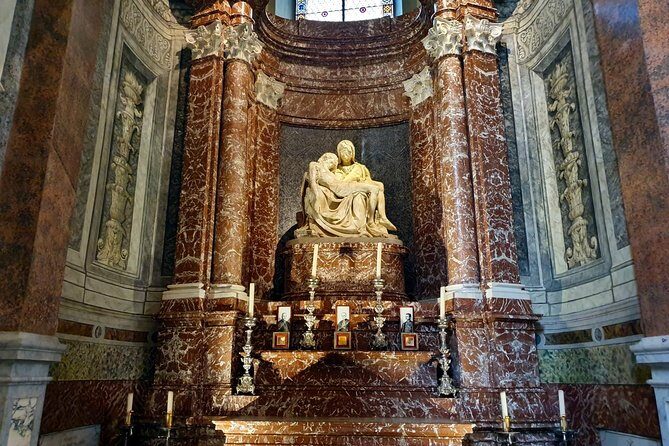
This is the opening act, and it’s a good one. The church is known as the resting place of Master Borromini, who designed the altar. You’ll also get a sense of how Florence’s style influenced this space, which helps set up the next wave of architecture and art you’ll see.
Why it’s worth your attention: it immediately ties together a theme (saints and sacred spaces) with real-world craft (design and altar-making). It’s the kind of start that makes the rest of the morning easier to follow.
Stop 2: Santa Maria in Vallicella
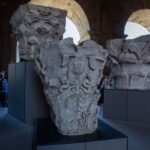
Here the focus shifts to relics and baroque design. This church holds the relics of Saint Neri and is known for one of the best baroque designs.
What to watch for: baroque churches often use visual drama on purpose—light, shape, and arrangement work to guide your eyes and emotions. Even if baroque isn’t your usual style, this is the morning where you learn how the style is doing “theatrical” work for faith.
Stop 3: Campo De’ Fiori
Now you step out of church interiors and into history with a darker edge. Campo De’ Fiori was once a field of flowers, later transformed into a place for executions.
This stop matters because it grounds the tour’s theme. It’s a reminder that religious and political conflict was not only happening inside churches. It also played out in public spaces where society watched and learned what power looked like.
Drawback to note: it’s an outdoor stop, so sun or rain changes the mood fast. You’ll want water and basic weather protection.
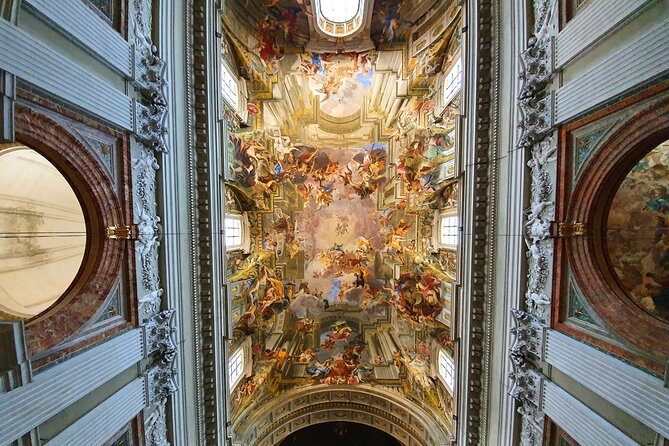
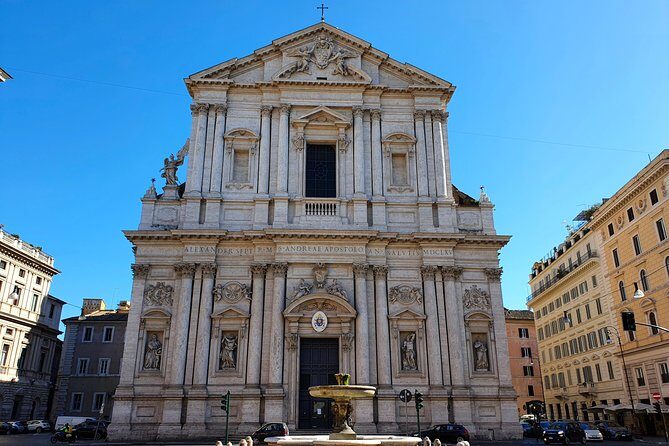
Stop 4: Basilica di Sant’Andrea della Valle
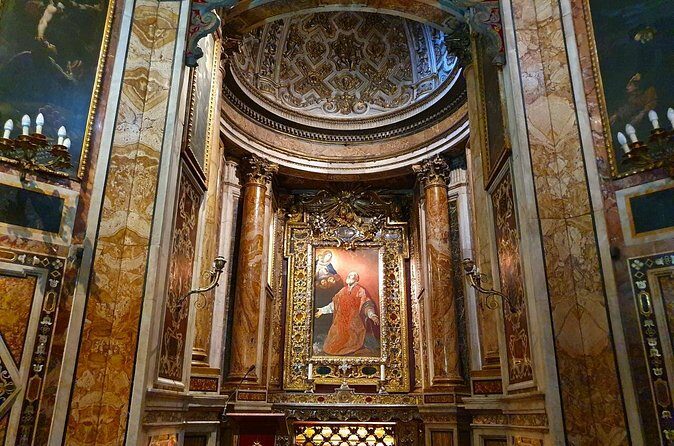
This basilica is one of the city’s biggest churches, and it’s known for the Barberini chapel. If you’re looking for evidence that patrons and families mattered, this is the kind of stop that shows it. Big churches usually came from big money and big influence.
The “why” you’ll get from the guide: how chapels and prominent spaces acted like statements—about legitimacy, devotion, and identity. Even if you only catch parts of the interior, the size alone can make the argument feel real.
Stop 5: Piazza Navona
Piazza Navona is a major square, but it’s also a history machine. You’ll learn that it was built on top of the stadium of Emperor Domitian. You’ll also connect it to two famous artistic landmarks:
- Fontana dei Quattro Fiumi by Bernini
- the church Sant’Agnese in Agone, designed by Borromini
What makes this stop useful: it turns a pretty postcard square into a layered timeline. You get to see how Rome reuses space—new powers build over older ones, and art gets added as the city reshapes itself.
Stop 6: Chiesa di Sant’Agnese in Agone
This is a direct link to the Borromini thread you saw at Piazza Navona. The church was designed by Borromini and built for Pope Innocent X. You’ll also find the relics of Saint Agnes here.
This is one of the clearest “theme meets place” moments on the tour. Once you understand why relics mattered, you’ll start noticing how churches were designed to frame belief as both spiritual and social.
Stop 7: Chiesa di Santa Maria dell’Anima
This stop leans into color and visual storytelling. It’s described as a church with impressive paintings and vivid colors.
If you tend to skip church interiors because you assume they’ll all feel the same, this is a good counterexample. The guide’s job here is to help you connect what you see (paintings and color choices) to what the church wanted people to understand.
Stop 8: Church of St. Louis of the French
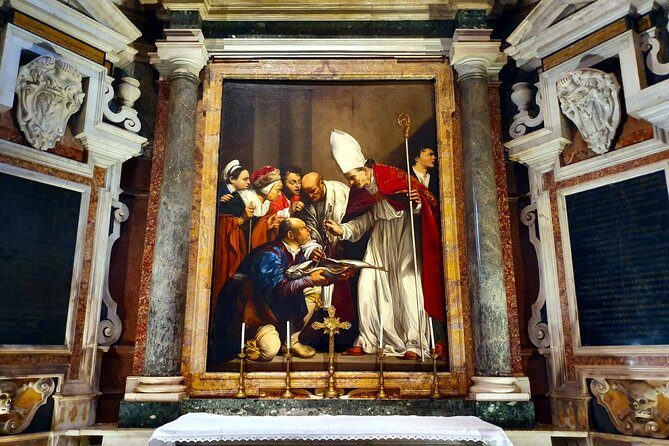
Now you get the art-museum names people travel for. This church is known for works by Caravaggio—three masterpieces—and also one by Guido Reni.
This stop is where you’ll likely slow down (at least mentally) and start looking beyond style. Caravaggio’s impact is partly his ability to make religious scenes feel immediate and human, so it’s easier to see why this kind of work would matter to doctrine and persuasion.
Practical note: you’ll still be moving on schedule, but it’s an important one for anyone who wants to see Rome’s art at full strength, not reduced to one famous highlight.
Stop 9: Pantheon (no interior)
You’ll reach the Pantheon, one of Rome’s iconic antique buildings now functioning as a church. You do not enter the Pantheon on this tour, so expect exterior viewing and the quick architectural wow-factor.
Why it’s still included: even without going inside, the Pantheon gives you a global anchor point. Your morning theme is about sacred space and authority; the Pantheon brings the “power building” idea into focus, even from the outside.
Why the guide matters more than you think
On a normal Rome day, you might walk into a church, look around, and move on. This tour is built around the opposite habit: you learn how to look.
The most praised part of the experience is the way the guide explains how nothing in these spaces is only decoration. The guide helps connect the dots between the art and the theological or political message it was meant to carry. That means you’re more likely to notice:
- how saints and relics are placed within a narrative of faith
- how specific artists connect different churches across the route
- how architecture supports authority and community identity
Another big plus is adaptability. The tour is small and the guide can adjust based on the group’s interests and language needs. That’s not just comfort. It changes what you catch and how you understand it.
Who should book this tour (and who might not love it)
You’ll probably feel happiest with this experience if you:
- enjoy church interiors and want more than surface-level appreciation
- like religious art and symbolism
- want an itinerary that’s slightly off the average tourist route
- enjoy stories about how faith, politics, and patronage mixed in Rome
You might want to skip it if:
- you mainly want classic open-air monuments and minimal walking
- you dislike religious themes or you’d rather not deal with church dress requirements
- you’re expecting a lot of time sitting and reading quietly—this is timed and mobile
Practical tips so you’re comfortable inside churches
- Dress for coverage: shoulders, back, and knees need to be covered to enter churches. Bring a light scarf or layer if you’re wearing summer clothes.
- Wear solid shoes: it’s a walking route with multiple stops.
- Plan for weather: the tour needs good weather.
- Bring a little patience: you’re moving through active streets and stopping in multiple religious spaces.
Should you book Saints, Heretics & the Inquisition?
Yes, if you want a focused Rome morning that teaches you how to read sacred art like a language. At $60.46, you’re buying interpretation plus a smart route through relics, baroque design, and major artists—all in a small group that keeps the day from feeling chaotic.
Skip it if you prefer general sightseeing without the religious-art layer, or if church rules would stress you out. But if you like stories that make symbols make sense, this one is a strong pick for your first or second visit to Rome—especially if you’re tired of only seeing the city’s most famous views from the outside.
FAQ
Where does the tour start?
The tour starts at St. Angelo Bridge (Ponte Sant’Angelo), 00186 Roma RM, Italy.
What time does the tour start?
It starts at 9:00 am.
How long is the Rome Saints, Heretics & the Inquisition Small Group Walking Tour?
It runs for about 3 to 4 hours.
How much does it cost per person?
The price is $60.46 per person.
Is the tour offered in English?
Yes, it is offered in English.
What is the group size limit?
The tour has a maximum of 5 travelers.
Is it a walking tour?
Yes, it is a walking tour.
Do I need admission tickets for the stops?
The stops list admission as free.
Do we enter the Pantheon on this tour?
No, the tour does not include entering the Pantheon.
What clothing do I need for church visits?
To enter the churches, shoulders, back, and knees must be covered.