REVIEW · FOOD
Rome: Rione Parione Private Walking Food Tour
Book on Viator →Operated by Walkingourmet · Bookable on Viator
Rome runs on snacks. This 3-hour private walking food tour in Rione Parione is built around classic Roman bites, starting at Piazza Campo de’ Fiori and ending near Piazza del Teatro di Pompeo. I like that it’s private for your party only, so the pace can actually fit your group. I also like that the tastings are front and center, with everything included (food plus coffee/tea, but not alcohol).
One thing to keep in mind: this is a walking route through a working neighborhood, and on holidays some stops can be closed. Also, the experience can feel very food-heavy, so plan on comfortable shoes and go a bit lighter at breakfast.
In This Review
- Key things to know before you go
- Rione Parione in 3 Hours: Why This Neighborhood Works
- Price and Value: What $112.94 Really Buys
- Piazza Campo de’ Fiori Market: Seasonal Fruit and Market Wisdom
- Thin-Crust Roman Pizza at the Market: The Real Deal
- Pizzicheria Antipasti: Prosciutto, Salami, and the Snack Order
- Roman Street Food Fritti: Fiori di Zucca and Suppli
- Pastarella at a 3rd-Generation Pasticceria: Dessert Starts Early
- Gelato Stop: 60 Flavors, and the Problem of Picking One
- Tiramisu by the Chef: The Freshly Made Finale
- Fish Market and Fried Calamari: A Salty, Crunchy End
- Guide Quality: What I’d Watch For (and How to Handle It)
- Who This Tour Fits Best (and Who Should Skip It)
- Should You Book This Rione Parione Private Walking Food Tour?
- FAQ
- How much does the Rome Rione Parione Private Walking Food Tour cost?
- How long is the tour?
- Is this a private tour?
- What’s included in the tour?
- Are alcoholic beverages included?
- Where do I meet the guide, and where does the tour end?
- Can I cancel for a full refund?
Key things to know before you go
- Private pacing for your party: your group only, not a mixed group shuffle.
- All food tastings included: from market fruit to fried calamari, plus coffee or tea.
- Sweet lovers get a lot of payoff: gelato with 60 flavors, plus freshly made tiramisu.
- Thin-crust Roman pizza stop: positioned right by the market for maximum local vibe.
- Walking route with changing locations: start at Piazza Campo de’ Fiori, finish at Piazza del Teatro di Pompeo.
Rione Parione in 3 Hours: Why This Neighborhood Works
Rione Parione sits right in the thick of old Rome, close enough to major landmarks that you can connect dots fast, but local enough that the street life feels real. The structure of this tour helps you understand the area through food, not just buildings.
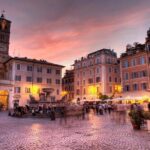
You’ll start at Piazza Campo de’ Fiori, a market square that anchors the neighborhood’s rhythm. Then you’ll walk toward Piazza del Teatro di Pompeo, which is a nice way to end without feeling like you’ve doubled back. Expect a steady walking flow, because each stop is close enough to keep momentum but spread enough to feel like a true neighborhood stroll.
You can also read our reviews of more walking tours in Rome

Price and Value: What $112.94 Really Buys
At $112.94 per person for about 3 hours, the price makes sense only if you’re treating this as a full meal experience. The tour is designed that way. You get multiple tastings across different categories—fruit, pizza, antipasti, street-style fritti, pastry, gelato, tiramisu, fried seafood—and then a coffee or tea to close it out.
Alcoholic beverages are not included, which is a smart line in the sand. If you do want wine or beer, you’ll handle it separately. But for most people, the included coffee/tea ending plus all the food keeps you comfortably full without adding extra cost.
One practical plus: it’s offered in English, and it’s booked an average of 54 days in advance. That’s a clue that this one fills up, especially for private slots.
Piazza Campo de’ Fiori Market: Seasonal Fruit and Market Wisdom
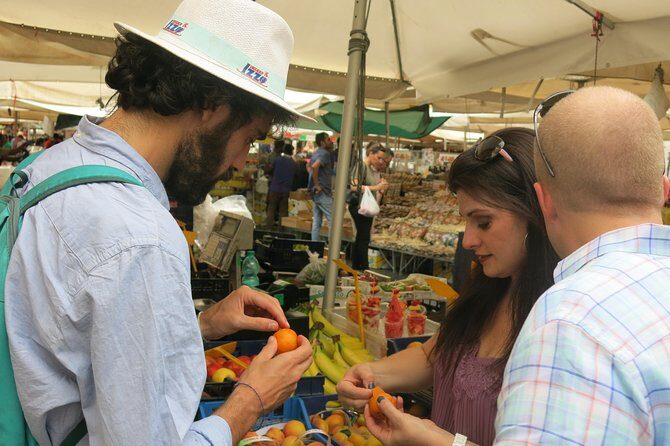
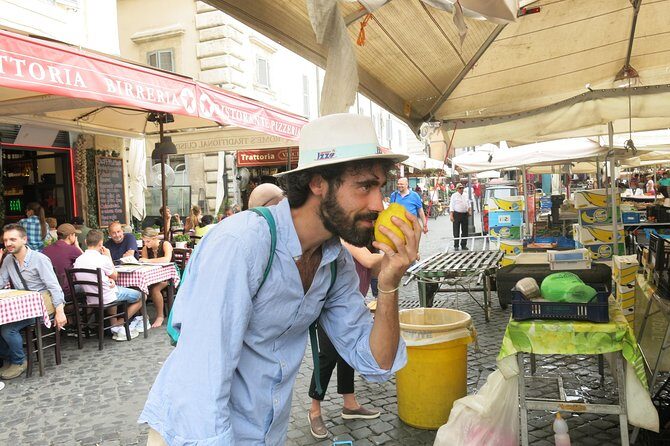
Your first stop sets the tone: Piazza Campo de’ Fiori and its market energy. You’ll discover what the season is bringing and try local fruits straight from favorite stalls. That simple opening matters because it trains your palate for the rest of the tour. Once you’ve had seasonal fruit, everything else tastes more distinct.
This is also where you get the local mindset: Rome’s food culture isn’t about one perfect dish. It’s about the daily supply chain—what looks good today, what’s in season, and what’s moving quickly through the neighborhood.
Thin-Crust Roman Pizza at the Market: The Real Deal
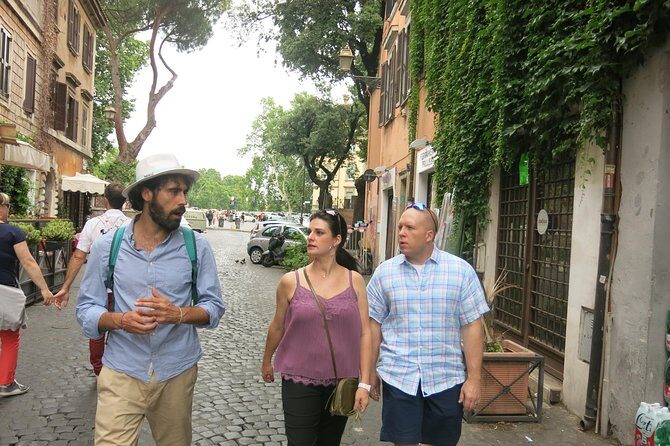
Right next to the market, the tour focuses on the idea of best Roman pizza made nearby. The emphasis is on tradition: thin crust. You’ll get a chance to understand why Roman pizza is built differently than the thicker, breadier styles you might be used to elsewhere.
This stop is valuable even if you think you already know pizza. The tasting context is the point. You’re eating it where it belongs—near the food flow of the market—so it feels less like a tourist meal and more like a local habit.
Pizzicheria Antipasti: Prosciutto, Salami, and the Snack Order
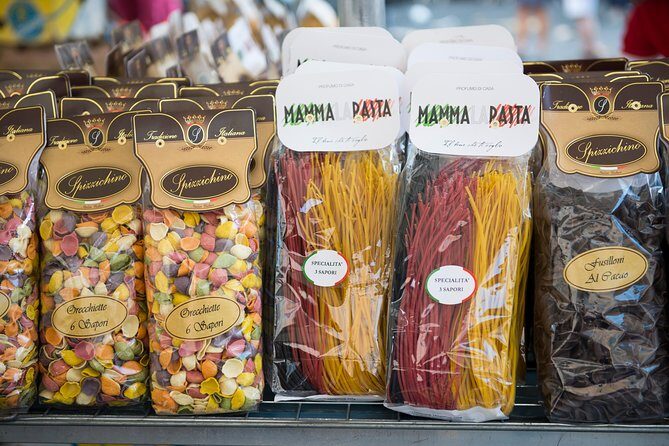
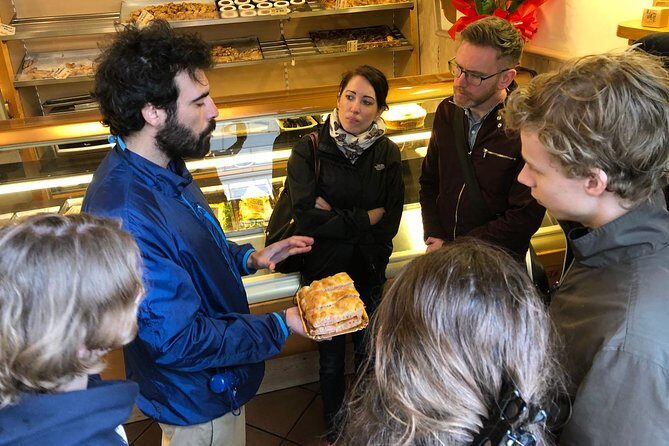
Next comes the pizzicheria experience, where antipasti are freshly made. You can choose options that run from prosciutto to spicy salami. This is the kind of stop that shows you how Romans build an appetite: small, punchy flavors first, then bigger hits later.
Why I like this part: antipasti on a walking tour gives you variety without needing a restaurant table. You get a sense of what goes together, and you can map flavors you’ll see again later in Rome—salt, fat, spice, and cured-meat depth.
You can also read our reviews of more food & drink experiences in Rome



Roman Street Food Fritti: Fiori di Zucca and Suppli
Then you’ll grab classic Roman street food, the kind you see locals treat like an everyday option. The tour highlights fritti, including fiori di zucca and suppli.
Fiori di zucca is a standout here because it’s seasonal and distinctly Roman in how it’s prepared. Suppli is another hit: fried rice with a core that’s meant to be hot, gooey, and satisfying. If you’ve ever wondered why fried street snacks become food memories, this is where that feeling comes from.
Pastarella at a 3rd-Generation Pasticceria: Dessert Starts Early
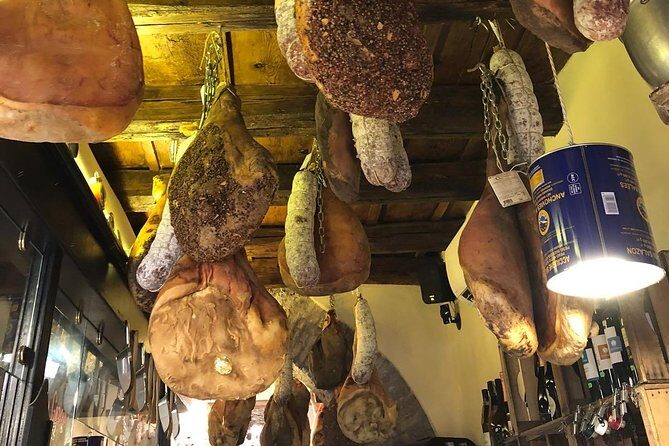
After savory stops, the tour turns sweet with la pastarella from a pastry shop that’s been operating for three generations. That detail matters. A multi-generation pasticceria is usually less about trends and more about repeatable technique—things done the same way because they work.
This is a good “palate reset” moment. You’ll taste something traditional right when you might be thinking you’ve had enough savory. It also sets you up for later dessert stops, because the flavors build instead of random jumping.
Gelato Stop: 60 Flavors, and the Problem of Picking One
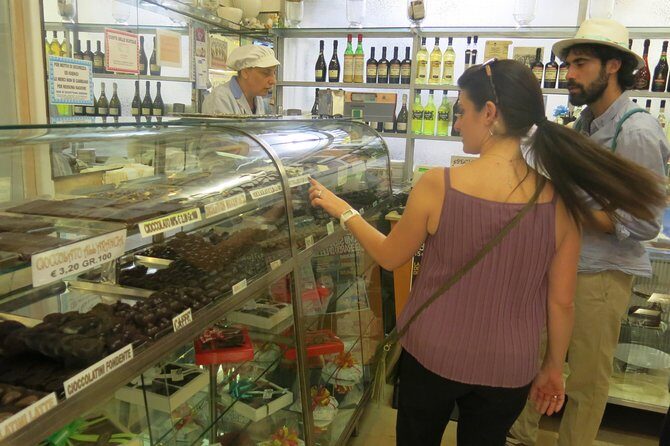
Then comes the gelato. The tour points out 60 different flavors, which is both exciting and slightly unfair if you love everything. This is where your guide’s suggestions can help, especially if you want a balance of classic and unusual.
I like that this stop is framed as a choice, not a forced flavor. The joy here is walking up, scanning options, and picking your moment. If you’re the kind of person who always orders the safest thing, this is a chance to be brave, but you don’t have to go extreme.
Tiramisu by the Chef: The Freshly Made Finale
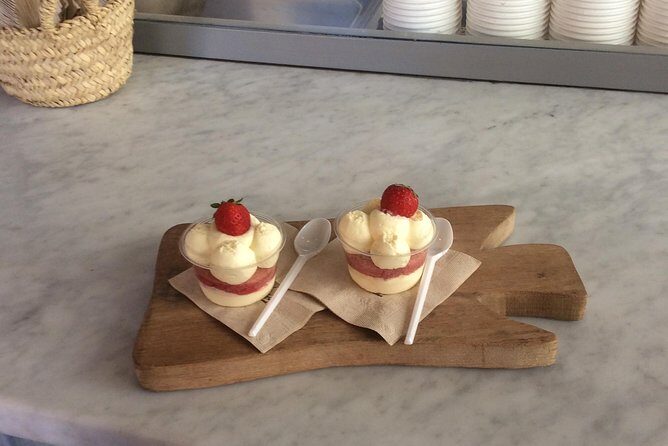
Next: the best tiramisu, made freshly and—key detail—your chef is asked to make it for you. That “freshly made” part is more than marketing. Tiramisu tastes better when it’s not sitting too long. The texture, the balance, and the flavor lift all feel more alive when it’s recent.
This is also where a private tour helps. If you’re the only ones in the group, there’s less sense of being rushed through a dessert line. You can slow down and actually enjoy it, which is hard to do in a fast tourist environment.
Fish Market and Fried Calamari: A Salty, Crunchy End
Later, the tour explores a fish-market area and includes freshly fried calamari. This is a good final savory anchor, especially after all the bread-and-sweet rhythm you’ve already hit.
You’ll leave with a clear sense of Roman seafood as street-ready, not fancy-only. Fried calamari fits that Roman style: simple ingredient, focused preparation, and a strong flavor payoff.
And then comes the ending that matters in Italy: coffee. The tour includes coffee and/or tea at the close of the experience. After three hours of walking and eating, a warm drink is a smart landing, not an afterthought.
Guide Quality: What I’d Watch For (and How to Handle It)
The biggest variable in any private food tour is the guide. In the experiences tied to this tour, I’ve seen notes about both excellent guidance and occasional rough edges. Some guides, like Gabriele, are described as mixing history, anecdotes, and tastings in a way that makes the food feel connected to the city. Other names show up too, like Davide, noted for strong language skills.
There are also legitimate considerations. On a holiday, you might find some places closed, which can affect how the route feels. And guide experience can vary, too—one account mentioned a guide who was friendly but not yet fully seasoned. That’s not something you can predict perfectly when you book.
My advice to you:
- Communicate preferences early, especially if you want fewer sweets or if you have any food limits.
- Wear comfortable shoes because this is a walking-forward experience.
- Keep your day flexible. If you’re in Rome for only two nights, don’t stack tight plans before or after.
If something feels off, act quickly. Private tours rely on the provider staying organized, and the best outcome comes from swift communication.
Who This Tour Fits Best (and Who Should Skip It)
This tour is ideal if you want Rome through food tastings and you like structure. You’ll get market fruit, Roman pizza, antipasti, fried snacks, pastry, gelato, tiramisu, fried seafood, then coffee. That’s a lot of stops, and it’s meant to fill you up.
It also fits well if you’re traveling in a group that values shared meals. Because it’s private for your party only, it’s easier to enjoy together without waiting for strangers.
I’d think twice if you:
- Hate sweets. There’s gelato and tiramisu later in the route.
- Don’t handle walking well. It’s designed around a neighborhood walk, not short taxi hops.
- Prefer restaurant dining with long seated courses. This is fast, moving, and tasting-focused.
Should You Book This Rione Parione Private Walking Food Tour?
If you want a guided, tasting-heavy introduction to Roman food in Rione Parione, this is a strong pick. The price becomes fair when you treat it like a full culinary program, not a few snacks. The private format is a real plus, and the mix of market food, thin-crust pizza, antipasti, fried street bites, and big dessert stops covers the Roman classics.
Book it if you’re the type who enjoys markets and hates wasting time deciding where to eat. Skip it if you’re looking for a light stroll or a quiet, slow-paced tour.
If you do book, plan your morning like a smart eater: don’t start the day overly full, wear comfy shoes, and come ready to sample your way through one of Rome’s most food-focused neighborhoods.
FAQ
How much does the Rome Rione Parione Private Walking Food Tour cost?
It costs $112.94 per person.
How long is the tour?
The tour lasts about 3 hours.
Is this a private tour?
Yes. It is private for your group only.
What’s included in the tour?
All food tastings are included, along with coffee and/or tea, plus a licensed guide.
Are alcoholic beverages included?
No. Alcoholic beverages are not included.
Where do I meet the guide, and where does the tour end?
You start at Piazza Campo de’ Fiori and end at Piazza del Teatro di Pompeo.
Can I cancel for a full refund?
Yes. You can cancel up to 24 hours in advance for a full refund.