REVIEW · WORKSHOPS
Rome: Pizza & Tiramisu Making Class
Book on GetYourGuide →Operated by Cavason Ltd · Bookable on GetYourGuide
Pizza becomes dinner when you make it.
This Rome cooking class turns two of Italy’s best-known foods into something you actually control: your own pizza and your own tiramisu. It’s set up like a shared, hands-on workshop, so you’re not just watching from the sidelines, and you’re not waiting around too long.
I like that the setup is practical and social at the same time. You get a work station for each participant, and the group is capped at 7, which keeps things friendly and lets you ask questions instead of shouting across the room.
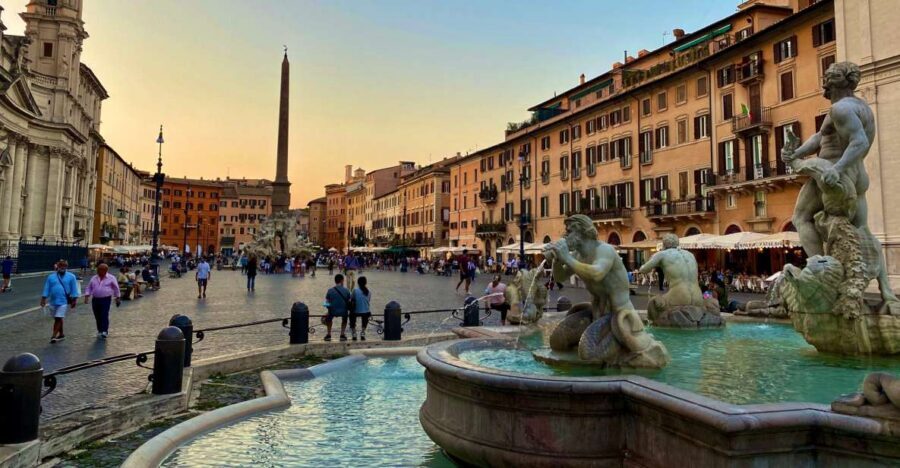
One thing to plan for: there’s no pickup/drop-off, so you’ll need to get yourself to the meeting point near Piazza Navona on time. Since it’s a shared class, being late can mess with the flow for everyone.
In This Review
- Quick Take: Pizza and Tiramisu in a Small Rome Class
- Why This Pizza and Tiramisu Class Feels Very Roman
- Meeting Near Piazza Navona: Start With a Real Plan
- Your Hands-On Work Station (Up to 7 People)
- Making Your Own Pizza: Learning by Doing
- Tiramisu Workshop: The Dessert You Build With Your Own Hands
- Included Drinks and the Best Part: Eating What You Make
- Pacing and Shared-Class Reality (How to Make It Go Smooth)
- Who This Is Best For (Families, Food Lovers, and Curious Cooks)
- Value Check: Why This Pairing Makes Sense
- Tips to Enjoy It More (Without Overthinking)
- Should You Book This Rome Pizza and Tiramisu Class?
- FAQ
- How long is the Rome pizza and tiramisu class?
- Where does the class meet?
- Is pickup or drop-off included?
- What language is the class taught in?
- How big is the group?
- What drinks are included?
- What food will I eat during the class?
- Is there free cancellation?
Quick Take: Pizza and Tiramisu in a Small Rome Class
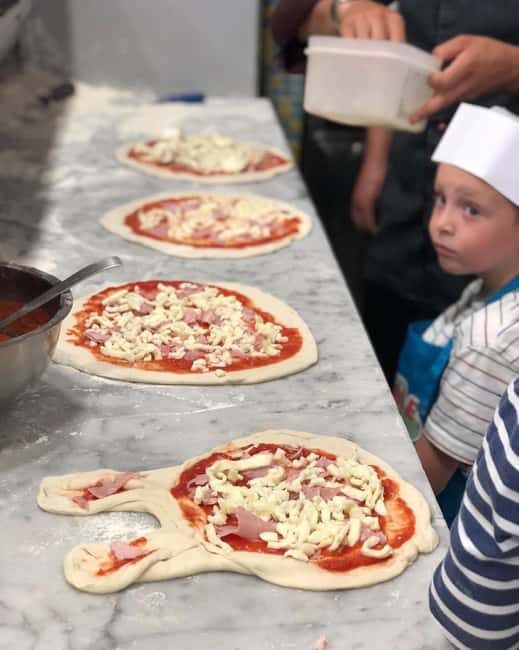
- Small group of up to 7 means more hands-on time and less standing around
- Work stations for each participant makes it feel like you’re truly cooking, not just assisting
- Pizza and tiramisu lessons end with you eating what you made
- Wine or limoncello + water + coffee are included, so the meal part is covered
- Meeting near Piazza Navona puts you in the middle of Rome for an easy start
Why This Pizza and Tiramisu Class Feels Very Roman
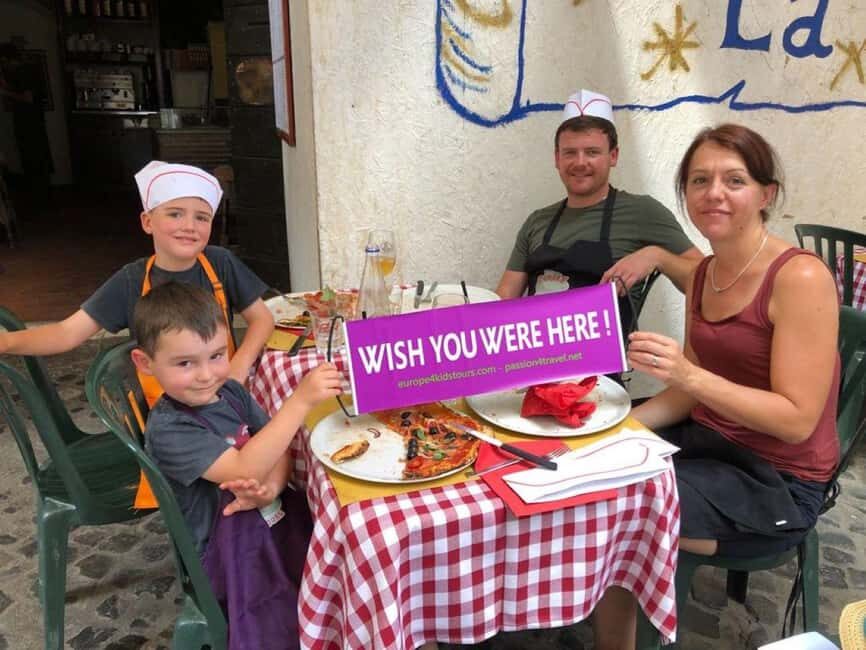
If you’ve come to Rome hungry, this is a smart way to turn food culture into an experience you’ll remember. Pizza and tiramisu are famous everywhere, but in Italy they’re not treated like fancy food theater. They’re everyday comfort foods you learn to make well, with technique that matters.
What makes this class especially appealing is the pairing. You’re not choosing between a savory lesson and a dessert lesson. You get both, and you get to eat them afterward—pizza for lunch or dinner, then tiramisu after you’ve done the work. That means the experience has a payoff built in, not just a certificate-and-leave vibe.
Another reason it works: this is designed as a shared class, hosted in English, with a small group size. That balance matters. You’ll still get that lively group energy Rome is famous for, but you won’t be stuck in a crowd where your questions get lost.
You can also read our reviews of more tours and experiences in Rome
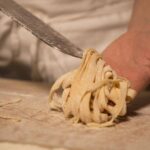

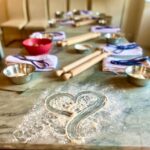
Meeting Near Piazza Navona: Start With a Real Plan
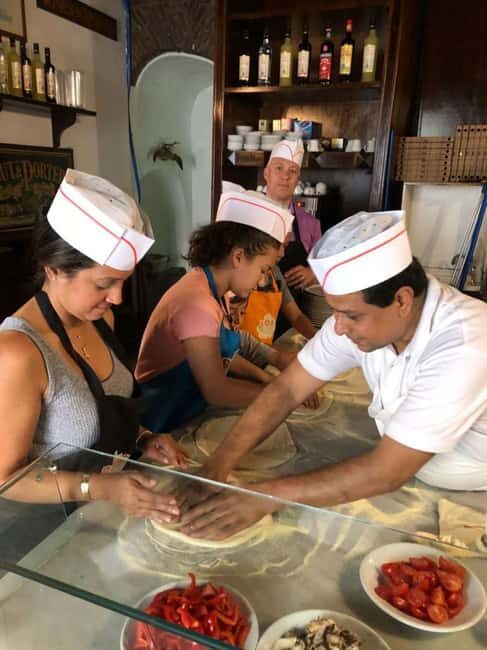
The meeting point is near Piazza Navona, so you can line it up with your day’s sightseeing without a complicated commute. But you should treat this like an appointment: punctuality is requested so the host doesn’t have to interrupt the flow for the rest of the group.
Because there’s no pickup or drop-off included, your biggest job is simply getting there on time. If you’re walking around central Rome that day, you’ll likely find it convenient. If you’re coming from farther out, give yourself extra buffer for streets, crossings, and the usual Rome “why is this taking longer than expected” moments.
Also, remember it’s described as a shared class. That means everyone arrives, everyone starts together, and the schedule assumes the group is intact. If you’re the type who likes to stroll right up to the last second, this is one place to break that habit.
Your Hands-On Work Station (Up to 7 People)
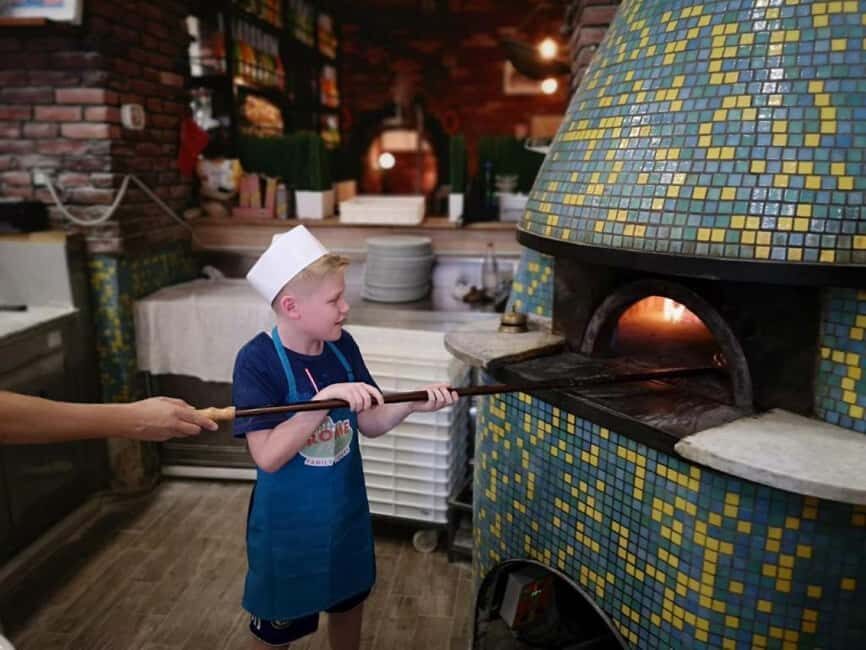
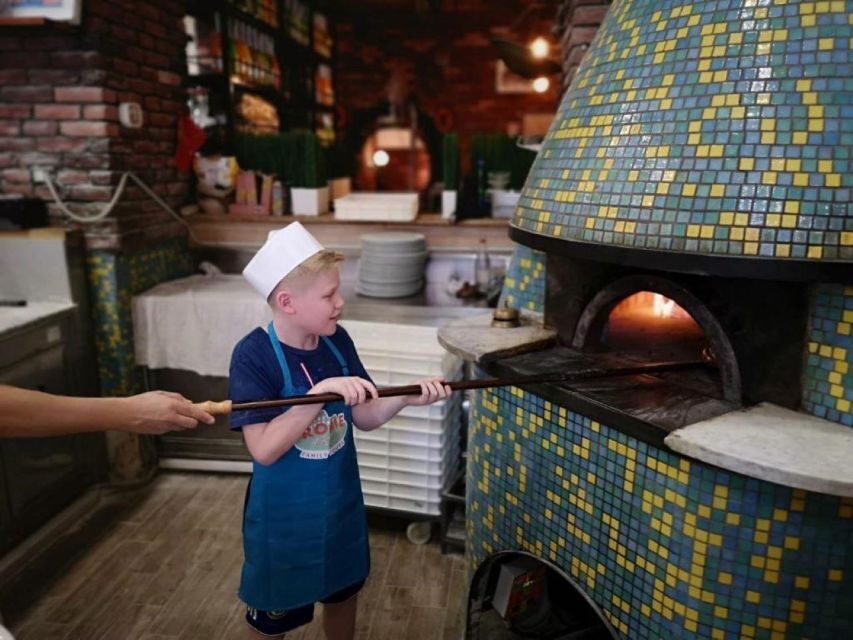
The class is capped at 7 participants, and each person has a dedicated work station. That’s a big deal for value.
In larger classes, one of two things usually happens: either you watch too much, or you get shuffled into a “help when needed” role. Here, the format is built for you to actively make pizza and tiramisu. You’re doing the work, not just learning about it.
The host or greeter speaks English, which helps with confidence. When you’re cooking, the smallest detail matters—timing, texture, consistency, and small adjustments. An English-speaking guide reduces the risk that you’ll miss key instructions just because of language.
And since it’s a small group, you’ll likely feel comfortable asking practical questions. Not the “what’s the history of tiramisu” questions. The real ones—how to get it to the right stage, what to watch for, and what to do if something looks off.
Making Your Own Pizza: Learning by Doing
This is a pizza-making lesson where you create your own pizza as part of the class. The goal is not just to sample food—it’s to understand the process well enough that you can appreciate what makes a good pizza good.
Even without getting overly technical, you can expect a guided experience that covers the key steps of assembling your pizza. You’ll work at your station and follow instruction from the chef/host so your hands learn what your eyes can’t. And because the class includes time to eat afterward, you’re not left guessing whether your pizza turned out.
The most useful part for me in a class like this is that it trains your instincts. You start paying attention to texture and handling—how dough behaves, how toppings change the feel of the finished pizza, and how the final result depends on the steps you complete earlier.
If you’re already a confident home cook, you’ll still find it valuable because Italian pizza culture is all about technique and feel. If you’re a first-timer, you’ll likely feel encouraged, since the format is built around each participant working directly.
Tiramisu Workshop: The Dessert You Build With Your Own Hands
After pizza, you’ll move into tiramisu making. This is your second major skill set in the same class—savory mastery, then dessert mastery.
The class is set up so you don’t just learn how tiramisu is made in theory. You make it, and then you eat it after your pizza lesson time is done. That matters because tiramisu is one of those desserts where the final texture and balance is the whole point. Making it yourself helps you understand why it tastes the way it does.
Also, dessert can be mentally trickier than pizza. Pizza is forgiving in the sense that the whole thing is cooked, and you can adjust in the moment. With tiramisu, the process depends heavily on the stages you follow. A guided class format helps you avoid the common mistakes that come from rushing or guessing.
If you’ve ever wondered why tiramisu tastes right in Italy but not the same at home, this kind of hands-on session is the most direct way to get closer. You’ll see what matters most in the process, even if you don’t walk away with a “chef-level” recipe card.





Included Drinks and the Best Part: Eating What You Make
Here’s a practical reason I’d pick this class: the meal isn’t an add-on. It’s included.
You’ll have wine or limoncello, plus water and coffee. Then you get to enjoy your pizza for lunch or dinner and your tiramisu after your hard work. That’s the real win: the class ends with you eating the results, while everything is still fresh and you’re still in the learning mindset.
This is also where the pacing makes sense. The experience is listed as 2 hours, and the description also notes that course time and eating time together come to about 2.5 hours. In other words, you’re not signing up for a quick demo—you’re signing up for a real chunk of your day that ends with a satisfying payoff.
If you’re trying to keep your Rome schedule tight, this length is actually very workable. You get a focused activity, you get fed, and you don’t need to plan a separate dinner immediately afterward.
Pacing and Shared-Class Reality (How to Make It Go Smooth)
Because it’s shared and time is fixed, a cooking class has a rhythm. That’s why punctuality is requested. When someone arrives late, it affects everyone—ingredients, instruction timing, and the pace of the group.
The small group size helps a lot with this. It’s easier for a host to keep things moving when the group is small, and it’s easier for you to stay engaged.
So for best results:
- arrive early enough to settle in
- stay flexible if the schedule moves slightly
- keep your questions practical so the host can help others too
This isn’t the kind of class where you drift from station to station at your own speed. It’s structured, friendly, and coordinated. That structure is what makes it worth doing.
Who This Is Best For (Families, Food Lovers, and Curious Cooks)
This is described as a highly recommended experience for the whole family, which tells me it’s meant to be approachable rather than intimidating. It’s also in English and capped at a small group size, which generally translates into a calmer experience than bigger group cooking events.
It also fits well if you’re a food-first traveler. If you want your Rome day to be more than photos and monuments, making pizza and tiramisu gives you something tangible. You leave with memories, and you’ll also have a clearer sense of how these dishes are assembled and why they work.
That said, there are age limits listed:
- not suitable for babies under 1 year
- not suitable for people over 95 years
So if you’re traveling with grandparents or very young children, you’ll need to factor that in. The cooking environment can be active, and the class format is clearly designed around participants who can handle the pace.
Value Check: Why This Pairing Makes Sense
You’re getting three things that often cost you extra separately in Rome: a hands-on cooking lesson, a meal built from your work, and included drinks.
Most classes either teach or feed you. This one does both. Plus, the small group size is included in the experience design, not an upsell. The “each participant has a work station” detail matters because it points to a class that actually gives you time to cook.
And the pizza + tiramisu pairing is a smart value for two reasons:
- You learn savory technique and dessert technique in one sitting.
- You get to taste the results in the same experience, which helps the learning stick.
If you’re choosing between doing a cooking class that’s only dessert or only pizza, this combo gives you a fuller picture of Italian comfort food. It’s a practical way to spend a half-day that ends with a meal you didn’t have to order.
Tips to Enjoy It More (Without Overthinking)
Cooking classes can be simple, but you’ll enjoy them more if you show up ready to participate.
A few tips based on how these shared classes work:
- Wear comfortable clothes you don’t mind getting a little messy.
- Plan to arrive near Piazza Navona with a little extra time so you can settle before the group starts.
- Be ready to focus for about 2–2.5 hours. This isn’t a quick stop-and-go activity.
Also, since you’ll be making both pizza and tiramisu, pace yourself. Don’t treat it like a snack crawl. This is a full food experience, with lunch/dinner from your own pizza and dessert afterward.
Should You Book This Rome Pizza and Tiramisu Class?
Book it if you want a hands-on Rome experience where food is the main event. The small group size, work stations for each participant, and the fact that you eat what you make are strong reasons to choose this over a more passive food tour.
Skip it if you need pickup/drop-off convenience or if you’re likely to arrive late. Since the meeting point is near Piazza Navona and punctuality matters for a shared class, this is best for travelers who can plan their arrival time confidently.
If you fit the sweet spot—food lovers, families, couples, and curious cooks—this class is a very practical way to enjoy Rome. You’ll trade a bit of sightseeing time for skills you can use later, plus a meal that tastes better because you made it.
FAQ
How long is the Rome pizza and tiramisu class?
The class is listed as 2 hours, and the course plus eating time is described as about 2.5 hours.
Where does the class meet?
The meeting point is near Piazza Navona.
Is pickup or drop-off included?
No. Pickup and drop-off are not included, so you’ll need to make your way to the meeting point.
What language is the class taught in?
The host or greeter speaks English.
How big is the group?
It’s a small group limited to 7 participants.
What drinks are included?
A glass of wine or limoncello, plus water and coffee, are included.
What food will I eat during the class?
You’ll enjoy the pizza you make for lunch or dinner, and you’ll eat your tiramisu after making it.
Is there free cancellation?
Yes. You can cancel up to 24 hours in advance for a full refund.