REVIEW · WINE TOURS
Rome: Pizza & Tiramisu Class with Free Flowing Fine Wine
Book on Viator →Operated by The Roman Food Tour - Food Tour Rome · Bookable on Viator
One great Rome break is food you make. This class is interesting because you learn classic Roman pizza and tiramisu steps in a real restaurant setting, then sit down and eat what you made with free-flowing fine wine. I like the small group size for real coaching, and I like that the meal is built into the experience. The main drawback to plan around is dietary reality: the traditional recipe focuses on gluten, dairy, and eggs, and cross-contamination can’t be guaranteed.
You’ll meet at La Panetteria Ristorante in central Rome, work with artisanal ingredients, and get English instruction with a maximum group size of 12. It’s a hands-on afternoon, not a demo, so you’ll be mixing, shaping, and assembling your dessert and pizza before lunch wraps up. If your schedule is tight, keep in mind that a few groups report timing can run longer than the 3-hour expectation.
In This Review
- Key things that make this class worth your time
- A Rome Kitchen Lesson Where You Actually Make the Food
- Where You Meet at La Panetteria and How That Impacts Your Day
- Tiramisu First: Ladyfingers, Mascarpone, and a Dessert You Can Rebuild
- Pizza in a Real Rome Setting: Dough, Roman-Style Basics, and the Hands-On Part
- The Wine-Plus-Meal Rhythm: Great for Fun, Not Ideal for Everyone
- Price and Value: What You’re Really Paying For
- Timing Tips: When 3 Hours Can Stretch
- Dietary Limits: What You Can Expect (and What You Can’t Promise)
- What You’re Learning: Technique Over Theory
- Instructors Who Make It Fun: Names You’ll See in the Wild
- A Few Real-World Downsides to Keep Expectations Honest
- Who Should Book This Pizza and Tiramisu Class in Rome
- Should You Book It: Pizza, Tiramisu, and Wine in a Small Rome Class
- FAQ
- How long is the Rome pizza and tiramisu class?
- Where do I meet for the class?
- Is the class in English?
- Is lunch included?
- Is wine included?
- How big is the group?
- Is there air-conditioned transportation included?
- What dietary needs are not recommended?
- Will I get recipes to take home?
- What is the cancellation window?
Key things that make this class worth your time
- Small group size (max 12) for closer attention while you work the dough and assemble tiramisu
- Free-flowing fine wine plus soft drinks during the meal, keeping the mood upbeat
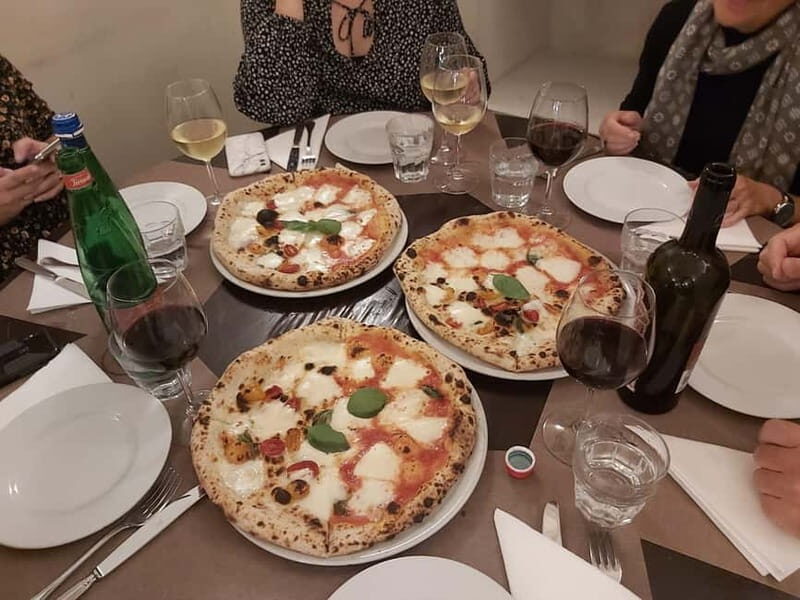
- Classic Roman menu with tiramisu and a Roman-style pizza you finish and eat on site
- Chef-instructor energy: guides like Carlo, Mattia, Julia, Fiammy, Elena, and Chiara are repeatedly praised for keeping it fun and interactive
- Take-home value: some participants report getting recipes in writing at the end
A Rome Kitchen Lesson Where You Actually Make the Food
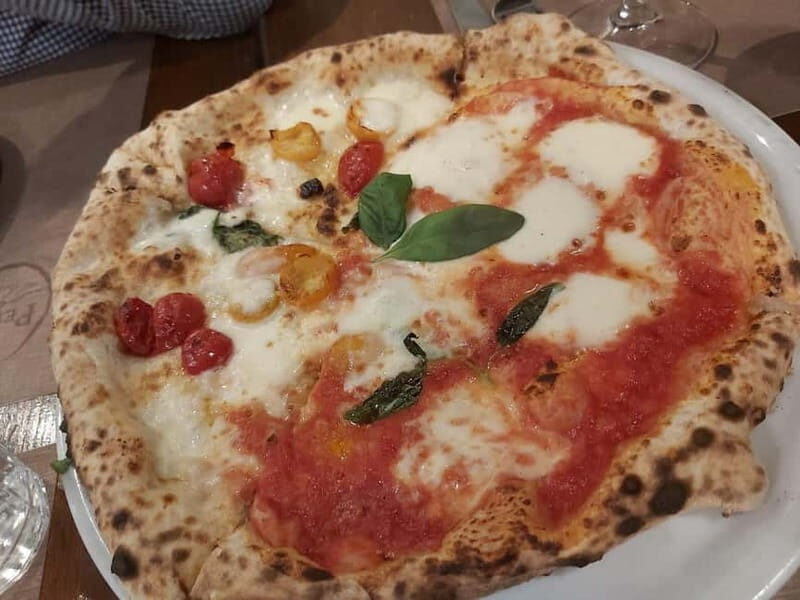
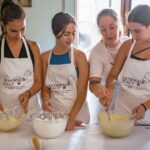
Rome has plenty of things to “see.” This is different. In this class, your hands do the work, and your plate is the payoff.
You start with tiramisu and then move into pizza-making. That order matters. Dessert first helps you build confidence, then the pizza dough becomes the main skill. Along the way, you’ll taste the ingredients and learn the traditional cooking approach in the same place where the restaurant operates.
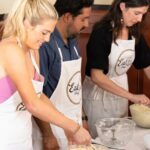
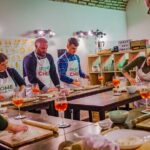
The vibe is consistently described as laughter-filled and engaging. That’s not just about being entertained. When people feel comfortable in a small group, they ask more questions. And pizza dough is one of those things where a quick correction (how you handle it, how you shape it) can make a noticeable difference.
You can also read our reviews of more wine tours in Rome


Where You Meet at La Panetteria and How That Impacts Your Day
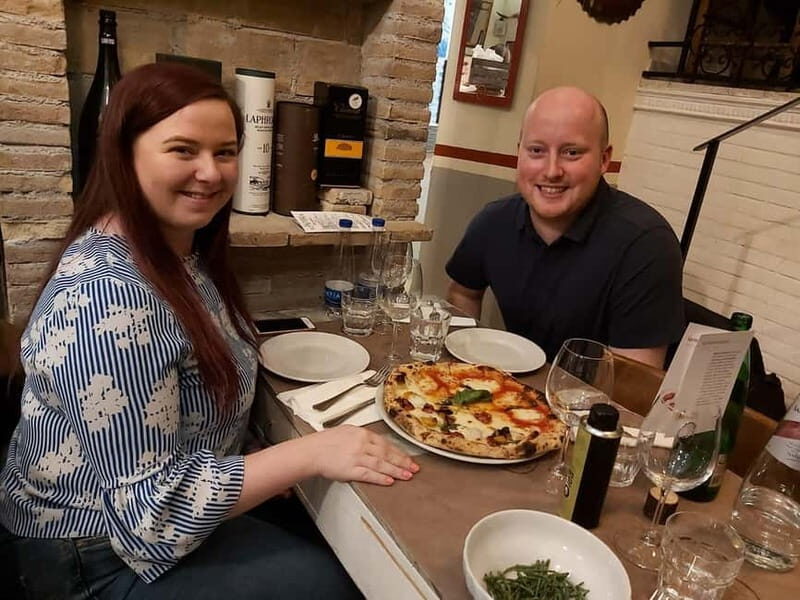
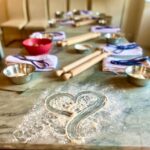
The meeting point is La Panetteria Ristorante, Via della Panetteria 13a/14, 00187 Roma RM, Italy. The activity ends back at the meeting point, so you’re not hunting for a new location afterward.
This is helpful if you’re staying central. You can use public transportation because it’s near transit. There’s no air-conditioned vehicle included, so plan to walk a bit and build in a short buffer for getting there and settling in.
Also note the ticket style: it’s a mobile ticket, and you receive confirmation at booking. That cuts down on the usual Rome scramble of printed vouchers and last-minute phone calls.
Tiramisu First: Ladyfingers, Mascarpone, and a Dessert You Can Rebuild
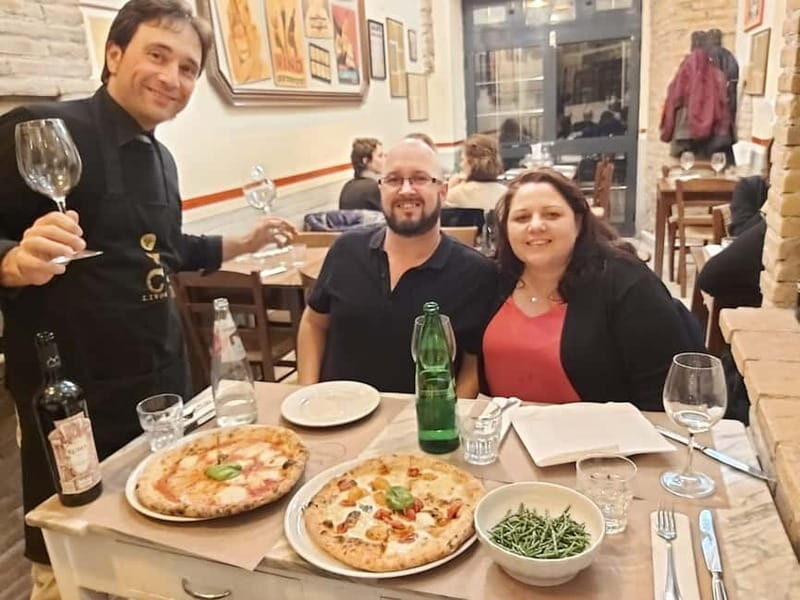
Tiramisu is the warm-up you don’t skip. The class gives you a traditional method for this famous Roman dessert, and it’s a smart start for two reasons.
First, you’re dealing with ingredients that need careful assembly, not high heat. You’ll work with classic components mentioned in the ingredient discussions: ladyfingers and mascarpone. Getting those layers right teaches you the rhythm of the class without feeling rushed.
Second, people repeatedly say the dessert turned out well. In several positive comments, tiramisu was described as wonderful and easy to make, even for groups with kids. In a few critical notes, tiramisu was less impressive, which usually points to timing and execution rather than the concept itself. The practical takeaway for you: ask your instructor to show you the layering steps clearly, then copy the technique on your own.
A nice bonus is that some participants report getting recipes to try at home. Even if you don’t get a full written guide, you’ll leave with a feel for how the steps fit together.
Pizza in a Real Rome Setting: Dough, Roman-Style Basics, and the Hands-On Part
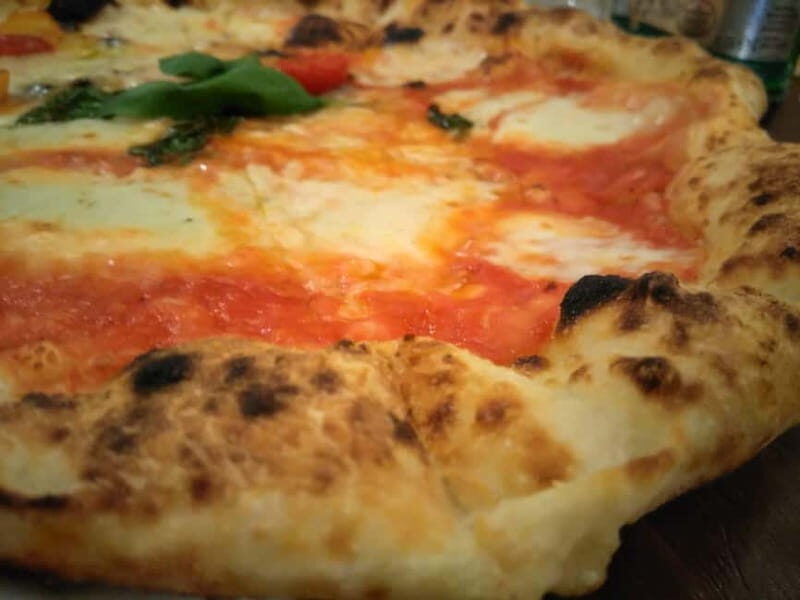
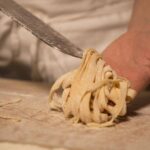
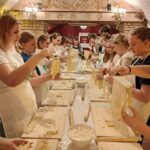
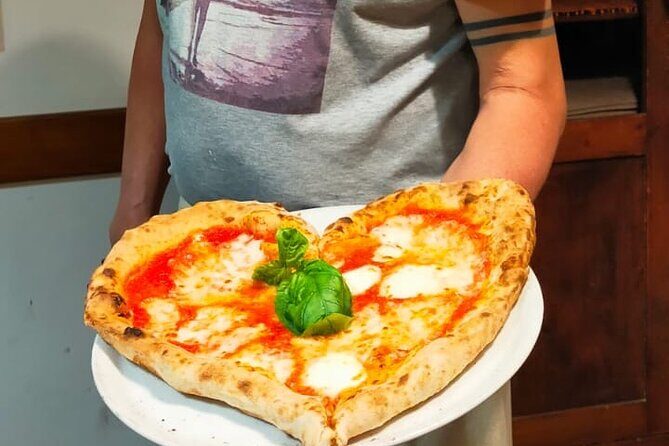
The pizza-making portion is where this class earns its reputation. You’ll learn traditional techniques, work the dough, and make an authentic Italian pizza, then eat it as lunch.
Rome pizza is not just “pizza.” The class focuses on the Roman approach, and you’ll handle classic baking basics in a restaurant environment rather than a classroom. In one discussion, 00 flour came up in ingredient context, along with mention of cured meats that can show up in Roman-style pizza variations. Even if your exact topping set varies, the training goal stays the same: practice dough handling and understand how the pizza comes together.
What I especially like here is the feedback loop. In a small group, your instructor can point out what you’re doing wrong while you’re still able to fix it. That’s what many people praise when they mention individual coaching and patient teaching.
If you’re worried you’ll look clumsy with dough, don’t be. Several participants described pizza-making as fun and not as easy as it looks. That’s normal. Focus on small corrections: how you shape, how you manage the dough, and how you assemble before baking.
The Wine-Plus-Meal Rhythm: Great for Fun, Not Ideal for Everyone
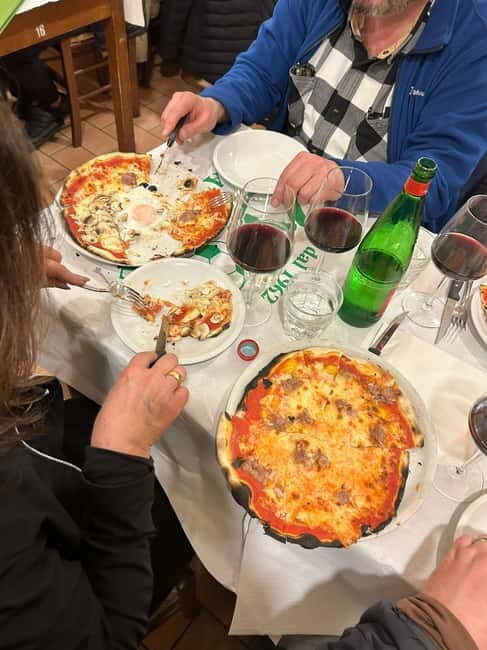
The class is marketed with free-flowing fine wine, and many reviews back that up. People describe wine getting topped up regularly, and some say the wine helped keep the atmosphere relaxed and social.
The meal format also matters. You’re not doing a quick snack and leaving. You sit down and eat with the group for around the full class window. One review even notes the group stayed seated, drank, and ate for about three hours, with the instructor managing a full table while keeping wine glasses full.
Two practical considerations for you:
- If you’re traveling with kids, the cooking portion is still a highlight, but the alcohol factor is real. One negative comment mentions intoxication after a lot of drinking in a longer session. If you’re bringing children, keep it in mind and plan accordingly.
- If you’re hoping for a big wine focus, you may find the amount varies by pace. A couple comments suggest there could have been more wine, which likely comes down to how your specific group is moving through the steps.
You can also read our reviews of more tours and experiences in Rome
Price and Value: What You’re Really Paying For
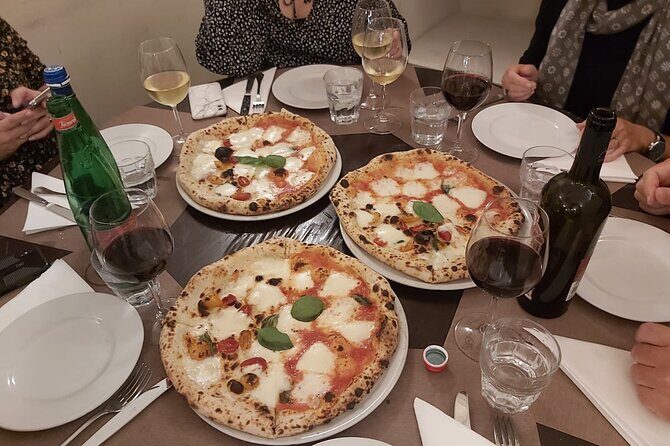
At $47.16 per person for roughly 3 hours, you’re paying for more than cooking instruction. You’re also paying for lunch and drinks (pizza and tiramisu plus beverage service), taught by an instructor in English in a group capped at 12.
Here’s the value logic I’d use if I were booking:
- You’re getting a full meal as part of the class, not just “samples.”
- You’re paying for time in a working restaurant kitchen environment, which is harder to replicate on your own.
- You’re paying for guidance while you handle dough and assemble dessert. For a lot of people, that’s the biggest difference between eating Italian food and making it.
In short, the price makes sense if you want a social, structured experience with food at the center. If you only want the cheapest hands-on activity, this won’t be it. If you want a memorable Rome break that feeds you and teaches you, it’s strong value.
Timing Tips: When 3 Hours Can Stretch
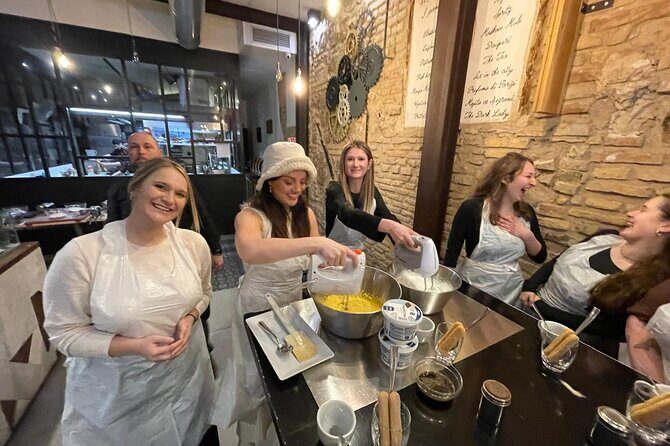
The experience is listed as about 3 hours, but don’t schedule the next major plan with zero buffer.
Some comments mention late starts or longer sessions. One review described a session running later than expected, which can happen when a group is large, pacing slows, or the restaurant schedule shifts. Another comment mentions disorganization and time slipping during tiramisu.
So, do this: plan a light next activity or give yourself breathing room afterward. You’ll enjoy the class more if you aren’t watching the clock.
Dietary Limits: What You Can Expect (and What You Can’t Promise)
This is the part to take seriously.
The class is not recommended for:
- egg allergy
- vegans
- lactose intolerance
- gluten intolerant/allergic
They do offer substitutes for allergies or preferences, but the training still focuses on the traditional recipe containing gluten, dairy, and eggs. They also warn that they cannot guarantee 100% freedom from cross contamination.
My practical advice:
- If you have a mild preference, it might be workable. Ask questions at booking.
- If you have a serious allergy, you should treat this as a higher-risk experience due to the cross-contamination note and the ingredient focus.
What You’re Learning: Technique Over Theory
A cooking class can either be a fun lecture or a real skill session. This one leans toward the skill side.
Multiple people say they learned basics, got individual coaching, and found the class engaging. Mentions of teaching styles include guides like Mattia and Julia giving step-by-step help, and guides like Fiammy and Elena bringing energy that keeps everyone involved.
A smaller number of comments criticize a lack of ingredient storytelling or a too-rushed explanation. That doesn’t mean you won’t learn. It just means you should show up expecting hands-on instruction more than deep food history.
If you want technique, you’re in the right place: dough feel, assembly steps, and how the finished pizza and tiramisu come together.
Instructors Who Make It Fun: Names You’ll See in the Wild
One reason this class has such strong ratings is the human side. Several instructors are repeatedly named in past sessions:
- Carlo: praised for being fun as a chef/guide, especially in family settings
- Julia: described as personable and a good coach for learning pizza basics
- Mattia (also spelled Matteo by some): repeatedly praised for knowledge, patience, and keeping wine flowing
- Fiammy / Fammy: praised for knowledge, tips, and keeping it fun
- Mia and Elena: described as energetic and engaging, with English noted as strong
- Chiara / Giulia: described as friendly and entertaining, including sharing the history behind pizza in some sessions
Your takeaway: you’re not just booking a recipe. You’re booking an instructor who sets the mood and helps you avoid mistakes.
A Few Real-World Downsides to Keep Expectations Honest
Even with a near-perfect overall rating, there are some points worth weighing:
- Some sessions happen in the back portion of a restaurant with other diners nearby. That can be a little awkward at first.
- If a larger party arrives during your session, it may get noisy or distract you.
- A few comments mention disorganization or that one guide wasn’t fully integrated into restaurant operations. That suggests the instructor experience can vary by day and staffing.
- One participant requested a pizza dough recipe multiple times and didn’t receive it. Even if you get recipes in some sessions, don’t assume it will happen every time.
If you go in with the right expectations, these issues are manageable. This isn’t a private culinary studio. It’s Rome, in a working restaurant, with people coming and going.
Who Should Book This Pizza and Tiramisu Class in Rome
This class fits best if you want:
- a fun, food-centered break from walking Rome’s sights
- hands-on cooking you can repeat at home
- a social small-group experience, including families with kids
- a little adult time with wine included
It may not be the best fit if you:
- have gluten, dairy, egg allergy, or lactose intolerance
- want a strictly vegan class
- expect a quiet, high-end chef lab environment with zero restaurant noise
- need a guaranteed recipe handout in writing
Should You Book It: Pizza, Tiramisu, and Wine in a Small Rome Class
Yes, I’d book it if your goal is simple: learn how to make classic Italian favorites and eat a satisfying lunch you had a hand in creating.
If you’re on the fence, use these quick checks:
- You’re comfortable with gluten, dairy, and eggs, or you’ve confirmed substitutions that work safely for your needs.
- You can give yourself a small time buffer afterward.
- You want the experience to feel social, with wine and group energy rather than silent perfection.
For most people, that combination is exactly why this class is a top-rated Rome activity: it turns a famous meal into a skill and a memory, in one straightforward afternoon.
FAQ
How long is the Rome pizza and tiramisu class?
It runs for about 3 hours.
Where do I meet for the class?
You meet at La Panetteria Ristorante, Via della Panetteria 13a/14, 00187 Roma RM, Italy.
Is the class in English?
Yes, the class is offered in English.
Is lunch included?
Yes. You’ll have lunch, featuring the pizza you make, along with drinks.
Is wine included?
The experience includes drinks, and the class is marketed with free-flowing fine wine. Soft drinks are also included.
How big is the group?
The class has a maximum of 12 travelers.
Is there air-conditioned transportation included?
No. An air-conditioned vehicle is not included.
What dietary needs are not recommended?
It is not recommended for egg allergy, vegans, lactose intolerance, or people with gluten intolerance/allergies. Substitutes may be offered, but the traditional instructions focus on gluten, dairy, and eggs, and cross contamination can’t be guaranteed.
Will I get recipes to take home?
Some participants reported receiving recipes in writing at the end of the activity.
What is the cancellation window?
You can cancel up to 24 hours in advance for a full refund. If you cancel less than 24 hours before, the amount paid is not refunded.