REVIEW · CITY TOURS
Rome: Piazza del Popolo and City Sights Free Walking Tour
Book on GetYourGuide →Operated by Romes Ultimate · Bookable on GetYourGuide
Rome hits hard before your coffee.
This free walking tour starts at Piazza del Popolo and turns that postcard spot into a real story: Ramesses II’s towering obelisk, the Porto del Popolo on the Aurelian Walls, and then a long, scenic walk toward Castel Sant’Angelo. I like how the guide connects street-level sights to big themes, including the roots of Christianity, so the city feels less like random monuments and more like a timeline.
Two other things I really like: you’ll get practical local ideas (restaurant picks and nightlife suggestions), and you also cover a major landmark like Castel Sant’Angelo without the feel of a strict museum route. One thing to consider: since it’s tip-based, your final cost depends on what you choose to tip after the walk.
In This Review
- Key takeaways before you go
- Piazza del Popolo: your Rome on a single square
- Porto del Popolo and the Aurelian Walls: Rome’s built-in border
- Early Christianity in the street view
- Castel Sant’Angelo: from mausoleum to fortress
- The guide experience: Lucio, Nick, Joan, and Alessandro vibes
- Price and value: why free can still feel like a bargain
- How to get the most from a 2.5-hour walking route
- Who this tour fits best
- Should you book this Piazza del Popolo to Castel Sant’Angelo walking tour?
- FAQ
- Where does the tour meet?
- How long is the walking tour?
- What is the price?
- What sights does the tour include?
- What is special about Castel Sant’Angelo on this tour?
- Is the tour guided, and what language is it in?
- Is the tour wheelchair accessible?
- Can I cancel and get a refund?
- Is there an option to pay later?
- Is this experience tip-based?
Key takeaways before you go
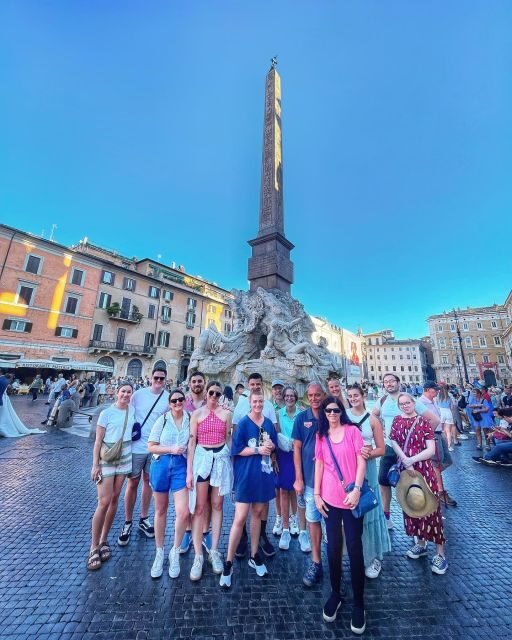
- Spot Ramesses II’s obelisk right at the start, a quick hit of ancient power in the middle of modern Rome
- See the Porto del Popolo with its marble details, plus learn how this area ties into the Aurelian Walls
- Walk the story from Piazza del Popolo toward Castel Sant’Angelo, not just from one photo spot to another
- Learn the early-Christian context as the guide connects landmarks to Rome’s deeper layers
- Get restaurant and nightlife tips you can use the same night, not generic advice
- Have time to ask questions and grab photos, especially with guides like Lucio, Nick, and Joan noted for being responsive
Piazza del Popolo: your Rome on a single square
Piazza del Popolo is where Rome gives you a fast first impression. It’s open, cinematic, and packed with “why is that here?” details, which is exactly what makes it a smart starting point. The tour meets you at the gates outside the arches and entry points of the piazza, so you can find the group without wandering for ages.
As you begin, the standout is the towering obelisk of Ramesses II. It’s the kind of landmark that can feel oddly specific if you just pass it by, but on this tour it becomes a clue. You’re not only looking at a monument; you’re learning how Rome reuses, absorbs, and re-contextualizes ancient symbols across centuries.
Two layers matter here. First, the piazza acts like your “orientation tool.” Second, the guide uses what you see—position, direction, and design—to explain how the city grew. That approach helps you later on, when you’re trying to make sense of Rome’s overlapping eras.
A small consideration: Piazza del Popolo can be busy. The tour is short enough (2.5 hours) that you’ll still move through it quickly, but you’ll want to keep your pace steady and your meeting-time plan simple.
You can also read our reviews of more walking tours in Rome


Porto del Popolo and the Aurelian Walls: Rome’s built-in border
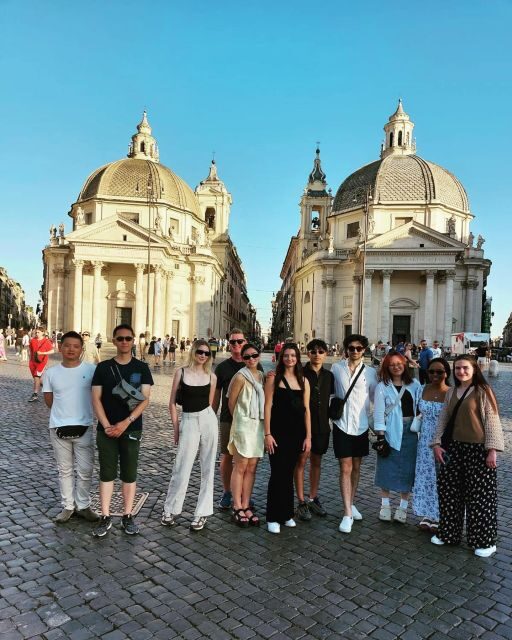
From Piazza del Popolo, you’ll follow the guide toward Porto del Popolo, the gate area set into the Aurelian Walls. This is one of the best moments on the route because it turns a visible boundary into something you can visualize.
The guide explains that this gate forms the boundary between Piazza del Popolo and Piazzale Flaminio, which instantly changes how you read the area. Instead of seeing streets as disconnected lines, you start seeing them as paths shaped by protection and movement. That’s the kind of context that makes later walks feel easier: you’ll know why places are where they are.
The Porto del Popolo itself is a visual reward. Expect to admire the marble columns and statues that decorate this beautiful entry point. It’s not just decorative fluff; it’s a message carved into the city’s skin—how Rome wanted people to feel when arriving, passing through, or entering a guarded zone.
One more detail worth knowing: the tour is built around stories, not just stone. The guide includes amusing tales and “hidden” moments you might miss on your own, which is why starting at a gate makes so much sense. Gates are where stories naturally collect.
Early Christianity in the street view
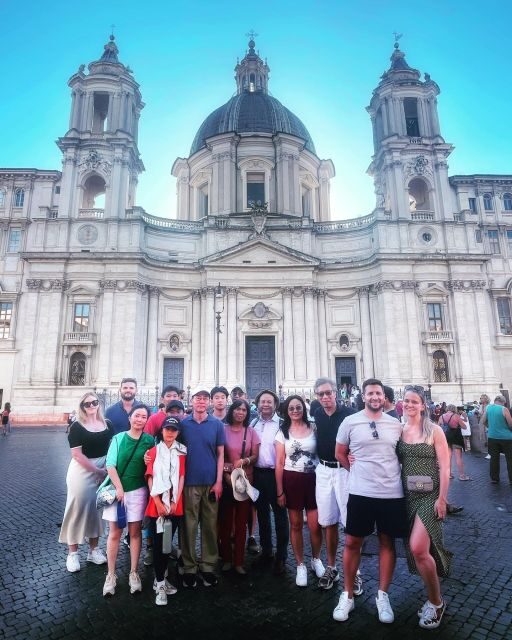
Rome is full of religious layers, and this tour doesn’t treat them like a separate lecture. The guide shares facts about the roots of Christianity as you walk, using the landmarks and the setting around them as reference points.
What I like about this approach is that it keeps history grounded in the real city. You’re not stuck with names floating in a vacuum. You’re standing near the streets and structures where the ideas traveled, shifted, and took hold.
From a practical standpoint, this also helps you become a better “self-guide” during the rest of your trip. Once you’ve heard how early Christianity ties into Rome’s development, you’ll notice patterns on your own—especially in how churches, monuments, and older structures keep echoing earlier eras.
If you’re the kind of traveler who wants religion explained with context (not just dates), you’ll likely enjoy this part.
Castel Sant’Angelo: from mausoleum to fortress
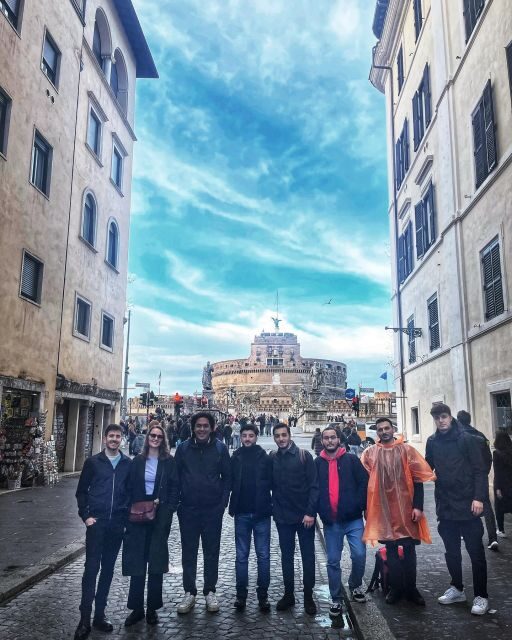
Then you shift from gates and walls to one of Rome’s most dramatic silhouettes: Castel Sant’Angelo. The big reason this stop lands so well is simple: it’s a building with multiple identities.
Here’s what the tour emphasizes: the fortress was built by Emperor Hadrian as a mausoleum, then it was converted into a castle around the 14th century. That single fact gives you a whole way to interpret the structure. It’s not just a pretty photo backdrop; it’s a survivor that kept changing roles as Rome’s needs changed.
When the group arrives, the goal is to appreciate the fortress as you go—taking in its presence and learning how those transitions happened over time. Even if you’ve seen the bridge and the skyline before, it’s worth using this walk to connect that view to the building’s origin story.
The other nice thing: Castel Sant’Angelo is a natural “wrap up” anchor for a 2.5-hour walk. You’re ending at a landmark that’s easy to revisit later, whether you want night views or you want to slow down with photos.
The guide experience: Lucio, Nick, Joan, and Alessandro vibes
Free walking tours succeed or fail based on the guide. On this one, the reviews pattern is clear: people consistently mention guides who are friendly, responsive, and fun without sacrificing accuracy.
You’ll see names pop up like Lucio, Nick, Joan, and Alessandro. Lucio is praised for being highly knowledgeable about Rome’s city history and architecture, plus being engaging and easy to follow. Nick gets credit for holding attention all the way through, with a style people found easy to understand and strong on history and architecture. Joan stands out for pointing out historical women during the tour, which is a detail you don’t always get on standard big-name city walks. Alessandro is also singled out for excellent delivery.
A couple of practical perks that matter while you’re traveling:
- You can ask questions while walking, which helps you connect dots in real time.
- Some guides make room for picture time, which is a big deal in Rome when lighting and crowds change fast.
This is the kind of tour where the human element can change the value. If you click with the guide’s pacing and humor, the walk feels shorter—even though it’s still a 2.5-hour stroll.
You can also read our reviews of more city tours in Rome



Price and value: why free can still feel like a bargain
The listed price shows about $3.54 per person, but the key detail is that it’s tip-based. That means the booking price isn’t the whole story—the real cost is your decision at the end.
So is it worth it? For me, the best way to judge value here is not the word free. It’s what you get in that 2.5-hour window:
- A structured route through a meaningful start point (Piazza del Popolo)
- A gate-and-walls segment that most casual sightseeing skips
- A major destination stop at Castel Sant’Angelo
- Practical suggestions for where to eat and where to go at night
If you’re in Rome for the first few days, this can function like a shortcut to understanding the city’s layout. You’re not buying access tickets—you’re buying clarity and context, plus a guide who can point out things you’ll likely miss alone.
One caution: if you dislike the idea of tipping or you prefer fixed pricing, that tip-based setup could feel uncomfortable. But if you’re the type who enjoys rewarding good explanations, this format often feels fair.
How to get the most from a 2.5-hour walking route
A walking tour is simple in theory, harder in practice. Here’s how to make it work for you.
Wear comfortable shoes. The route covers multiple iconic stops, and you’ll want to move without thinking about your feet. Also, Rome’s surfaces can shift under you—stone, uneven patches, and crowded sidewalks near major sights.
Come ready to ask questions. The best moments in this kind of tour come when you stop treating it like a slideshow and start using it like a conversation. If you want restaurant ideas tailored to your tastes, you’ll get more out of the guide by speaking up early.
Use the restaurant and nightlife tips immediately. One of the standout features here is that the guide provides best-places-to-eat suggestions and nightlife guidance. That’s most useful when you act on it the same day or the next evening.
Bring your phone for quick notes. The tour’s focus on history—especially the connections to early Christianity and the changes from mausoleum to fortress—adds context that’s easy to forget when you don’t capture it.
Who this tour fits best
This experience is a great match if you:
- Want an efficient Rome orientation that still feels personal
- Enjoy walking routes that connect landmarks to stories
- Like getting practical food and evening ideas from a local guide
- Prefer a smaller, more conversational style over rigid sightseeing lines
It may be less ideal if you:
- Want a strictly ticketed, fixed-price experience with no tipping component
- Get impatient with walking-and-talking tours (the structure assumes you’re okay with spending time on explanations)
Should you book this Piazza del Popolo to Castel Sant’Angelo walking tour?
I’d book it if you’re trying to understand Rome quickly and you value a guide who can make old places feel connected. Starting at Piazza del Popolo is smart, and pairing it with Porto del Popolo and Castel Sant’Angelo gives you a strong “Rome story arc” in just 2.5 hours.
If you’re a first-timer, or if you already feel confident but want deeper context, this format is a solid use of your time. Just go in knowing it’s tip-based, wear good shoes, and plan to ask questions—because that’s where the extra value shows up.
FAQ
Where does the tour meet?
Meet the guide outside of the arches and entry gates into Piazza del Popolo.
How long is the walking tour?
The tour lasts about 2.5 hours.
What is the price?
It’s shown as a low per-person price (around $3.54), and the tour is tip-based, so your final cost depends on what you tip.
What sights does the tour include?
You’ll see highlights including Piazza del Popolo, the Porto del Popolo, and Castel Sant’Angelo.
What is special about Castel Sant’Angelo on this tour?
The guide explains it was built by Emperor Hadrian as a mausoleum and later converted into a castle around the 14th century.
Is the tour guided, and what language is it in?
Yes, it’s a live tour with a guide, and it’s offered in English.
Is the tour wheelchair accessible?
Yes, it is listed as wheelchair accessible.
Can I cancel and get a refund?
Yes. Free cancellation is offered up to 24 hours in advance for a full refund.
Is there an option to pay later?
Yes. You can reserve now and pay later.
Is this experience tip-based?
Yes. It’s specifically described as a tip-based tour.