REVIEW · OSTIA ANTICA TOURS
Rome: Ostia Antica Private Walking Tour with Skip-the-Line
Book on GetYourGuide →Operated by Askos Tours · Bookable on GetYourGuide
Roman ruins, no stress.
This tour is interesting because you get a guided read of Ostia Antica instead of just wandering among stone walls. I like that you get skip-the-line tickets so you spend more of your 2 hours looking and less waiting. I also like how the guide focuses on what you are actually seeing, with plenty of history tied to specific places, not generic facts. One thing to consider: it is listed as not suitable for wheelchair users and people with mobility impairments, so check your comfort level before you book.
I’d treat this as a smart, compact way to understand how the city worked. You’ll start at the ruins, meet your guide at the ticket office, and then move through key areas like the baths, theater, and forum as part of a private group experience. If you want your time to feel focused and your questions answered, this is a good match.
In This Review
- Key highlights you’ll care about
- Ostia Antica: Rome’s river-port city, built for control and trade
- The skip-the-line win: meeting at the ticket office and getting to the story
- Neptune’s Thermal Baths: mosaics that make the myth feel physical
- Teatro di Ostia and the forum: where crowds gathered and decisions happened
- House of Diana, Thermopolium, and Forica: reading neighborhoods, not just monuments
- Domus of Amor and Psyche (Old Ostia excavations): seeing the city from underneath
- How 2 hours feels: medium activity, smart pacing, and what to prep
- Price and value: what $314.37 buys you at Ostia Antica
- Who this private Ostia Antica tour is best for
- Should you book this Ostia Antica private tour with skip-the-line?
Key highlights you’ll care about
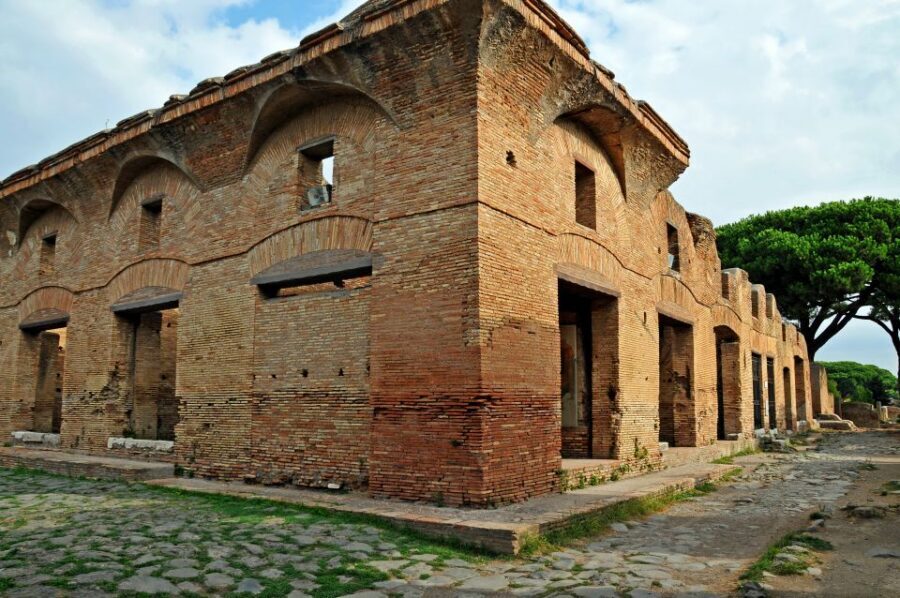
- Skip-the-line access at the Ostia Antica ruins so you start faster
- Neptune’s Thermal Baths mosaics, including sea-god imagery of Neptune and Amphitrite
- Teatro di Ostia with a dedicated stop and guided time to make sense of the space
- Forum + theater + neighborhoods, explained as one connected city system
- House of Diana, Thermopolium, and Forica for a fuller picture of daily life
- Domus of Amor and Psyche excavations in Old Ostia to see homes beneath the surface
Ostia Antica: Rome’s river-port city, built for control and trade
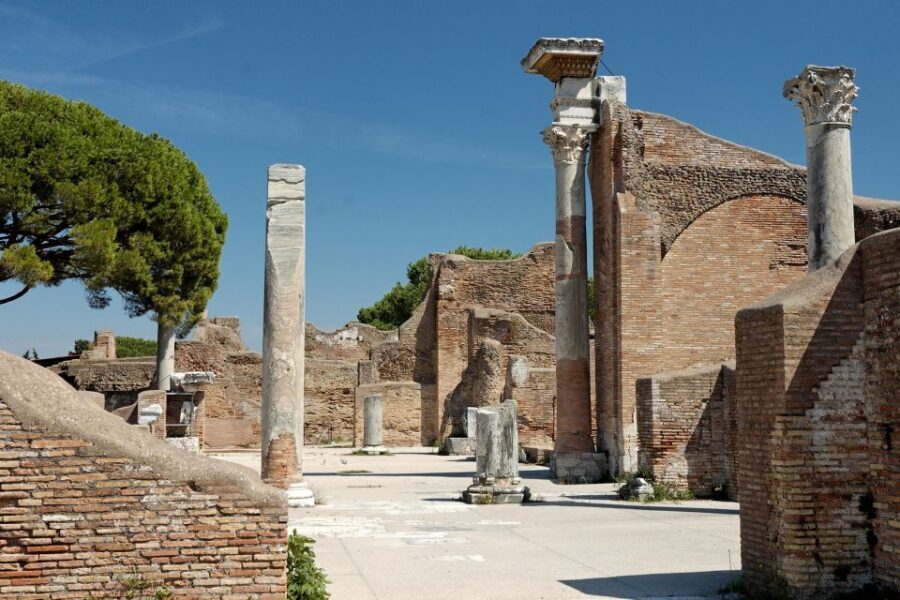
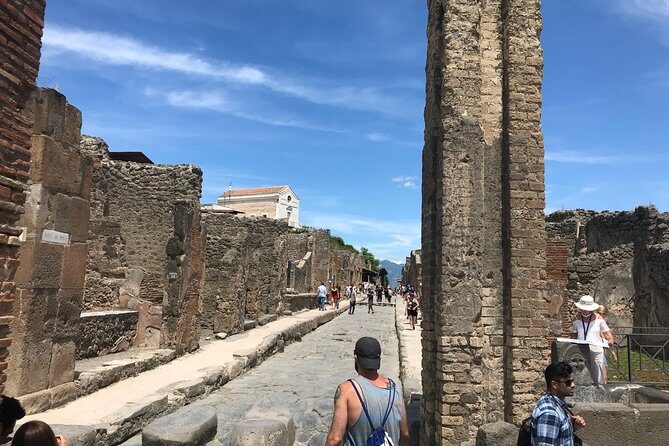
Ostia Antica is small enough to feel approachable, but big enough to reward attention. This was a settlement traced back to the beginning of the 4th century B.C., and it started as something practical: a military outpost controlling access to the Tiber and especially its lower course. That matters, because it explains why the city’s location mattered before it became a place for commerce and city life.
Over time, Ostia became the first Roman colony in the area and shifted toward a major role as a river port. You can picture why the Romans cared: Ostia helped supply Rome with foodstuffs, with wheat called out as a key product. Even when trade grew, the strategic naval function stayed in the background, shaping how the city developed.
Later, you get the urban “upgrade.” The site was surrounded by a new circle of walls, defining an urban area of about 50 hectares and divided into five regions or neighborhoods. A good guide helps you connect those layers. You stop thinking of Ostia as ruins in random order and start seeing a functioning city that kept adapting as Rome’s needs changed.
You can also read our reviews of more walking tours in Rome


The skip-the-line win: meeting at the ticket office and getting to the story
You meet your guide at the ticket office at Parco Archeologico di Ostia Antica. The guide holds a sign with your name, which is a small detail that saves time and reduces that awkward early-tour scramble.
This tour includes skip-the-line tickets, and that is more valuable than it sounds. When you arrive at a major archaeological site, waiting quietly can feel like wasted hours, especially on a short, 2-hour experience. Here, you’re paying (in part) for the momentum—getting moving and using your limited time to actually see the highlights.
Also, this is a private group tour. That changes the feel. Instead of watching a crowd funnel through the same stops, you get a guided pace that can better match your questions and attention span. Languages offered include Spanish, English, French, German, and Italian, so you can pick a guide who speaks your comfort language.
Neptune’s Thermal Baths: mosaics that make the myth feel physical
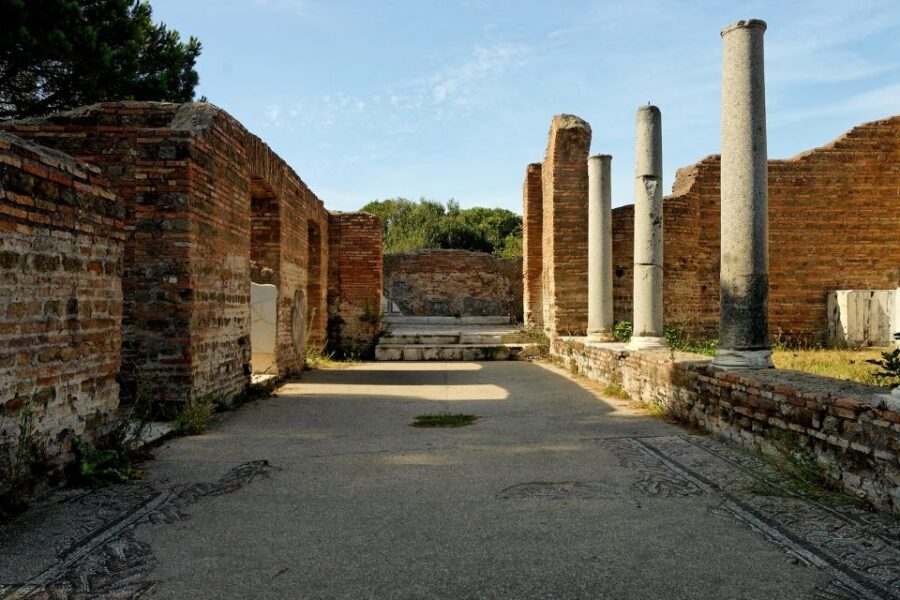
If you want one stop that instantly sells Ostia’s personality, aim for the Neptune’s Thermal Baths. These are not just ruins; they come with mosaics that represent Neptune and Amphitrite. That sea-god connection is a clue to how Romans blended culture, religion, and everyday leisure.
Bathrooms and thermal spaces were never only about water. They were about status, routine, and public life. When a guide points out the imagery and ties it to the larger city story, it clicks: you’re not just looking at floor fragments. You’re seeing how the Romans imagined the world around them—comfort built on myth.
One practical reason I like this kind of stop early in a tour: the mosaics give you a visual anchor. After that, it’s easier to understand why the next areas matter and how the city’s design served different functions.
Teatro di Ostia and the forum: where crowds gathered and decisions happened
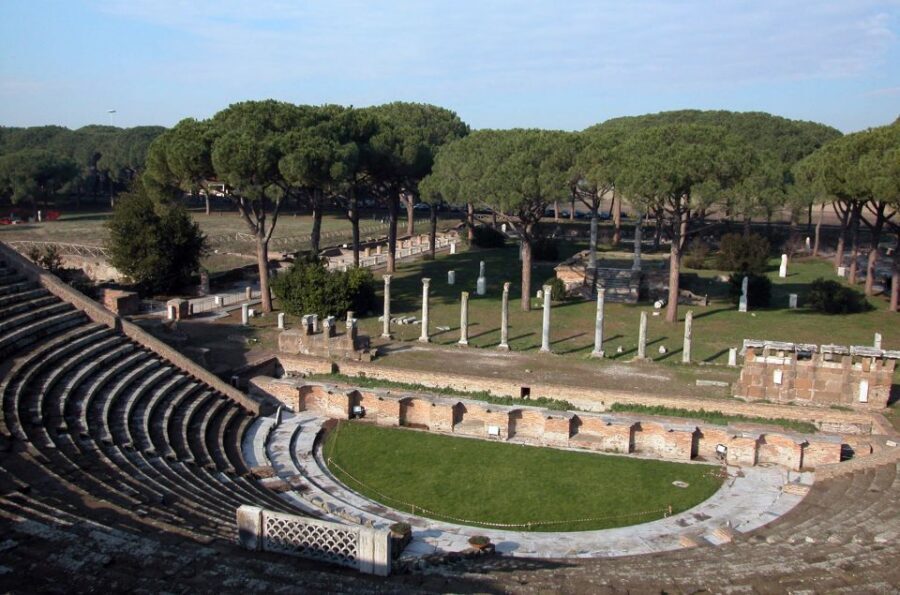
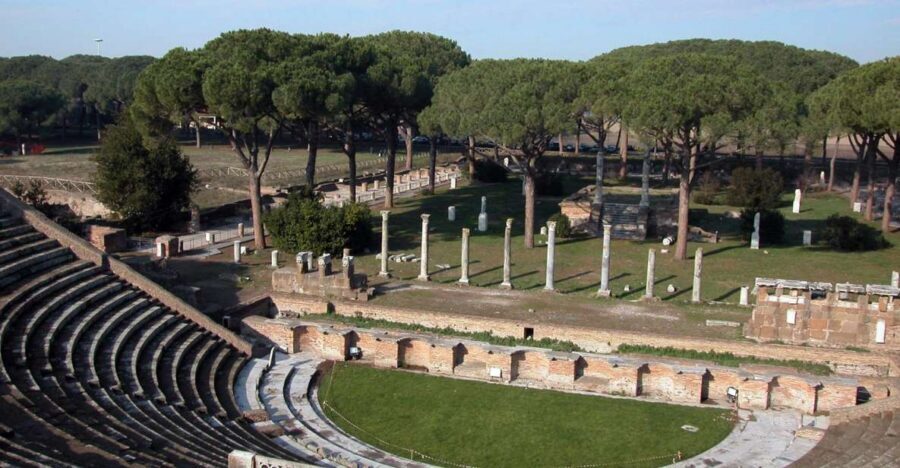
Your visit includes a dedicated guided stop at Teatro di Ostia for about 30 minutes. The theater is the kind of place that can feel confusing if you do not have context. A theater shape tells part of the story, but a guide turns it into a daily-life map: where performances happened, how gatherings worked, and why these spaces sat close to other civic areas.
Then you move toward the forum. The forum is often the heart of a Roman city plan, and in Ostia it helps you read the site as a political and social center rather than only a “things to photograph” stop. Your guide connects the forum and theater to the idea that Ostia was a working hub tied to Rome’s needs—especially considering Ostia’s role as a port and supply point.
The most praised aspect of this experience is that the guide explains what you are seeing in a clear, specific way. In other words, you do not just get told that this was important. You learn what kind of importance it had and why it shows up in the layout.
House of Diana, Thermopolium, and Forica: reading neighborhoods, not just monuments
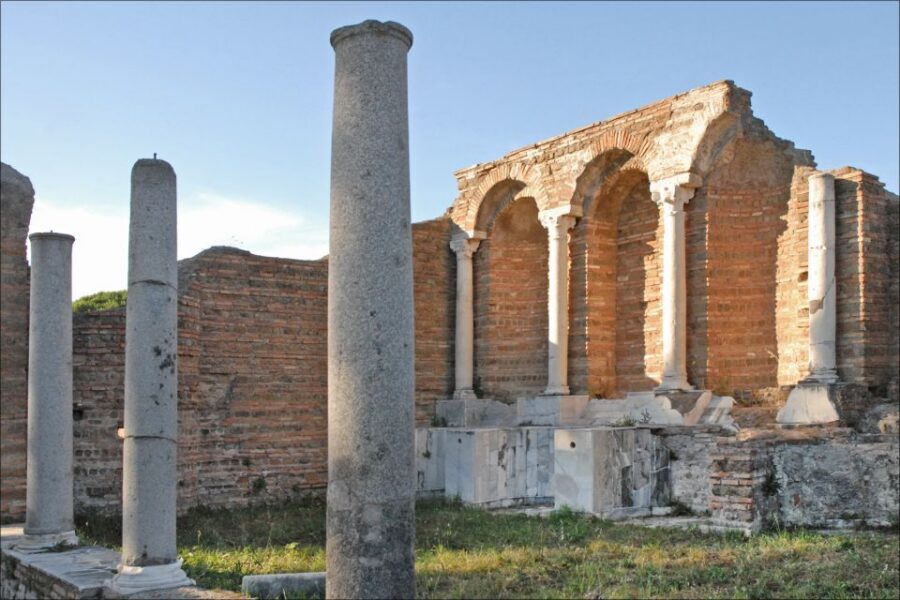
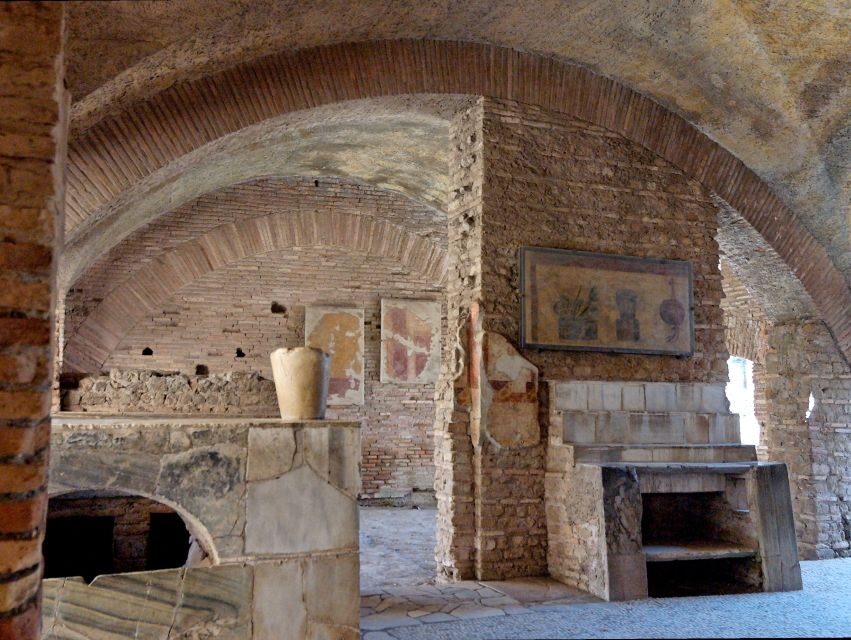
After the civic spaces, the tour shifts into the city’s lived-in side. You’ll see the House of Diana, plus stops tied to street life and smaller venues: the Thermopolium and the Forica.
Here’s why I think these stops are such good value. Big monuments can impress you for a minute, then you forget them. Neighborhood function points stick because they help you imagine routine: where people ate or grabbed hot food, where daily services happened, and how homes fit into the broader street network. Even though you’re walking through ruins, these stops give you a sense of flow.
The House of Diana adds another layer. A domus is about domestic space and status. When it is explained well, you start to understand that Ostia wasn’t only warehouses and military control; it had homes where people lived within the same urban machine that fed Rome.
The Thermopolium and Forica are especially useful if you want more than big names. These are the kinds of places that let you picture the “normal day” version of Ostia—food, services, and practical life. And if you care about detail, this is where you can feel the benefit of a guide who keeps turning on the lights. Guides such as Paolo Gardelli and Alessandro are praised for energy and for making the explanations stay interesting throughout.
You can also read our reviews of more private tours in Rome




Domus of Amor and Psyche (Old Ostia excavations): seeing the city from underneath
One of the tour stops focuses on the Domus of Amor and Psyche and the excavations of Old Ostia. This visit is guided for about 20 minutes, and it is a great complement to the rest of the walk.
Excavations help you understand change over time. In many archaeological sites, you end up looking at a snapshot. Here, the “Old Ostia” concept signals that you are not only seeing what survived—you are seeing what was uncovered, and what the city looked like at earlier stages. That’s how you get beyond a simple checklist of places.
The Amor and Psyche connection is also helpful because it anchors the site in familiar Roman storytelling. Even if you do not know everything about the myth, the guide helps connect how elite domestic spaces used narrative themes and decoration. It turns the stop from scattered walls into something you can mentally place.
How 2 hours feels: medium activity, smart pacing, and what to prep
The tour is designed for a 2-hour experience with a medium activity level. That means you should expect walking and steady movement through multiple areas. It is private, but it is still a walking tour, not a sit-down museum circuit.
Because the info says it is not suitable for wheelchair users and people with mobility impairments, plan around your comfort with walking duration and the ruins’ surfaces. If you are unsure, this is one time to be cautious and pick a smaller, more flexible option instead.
What you can do to make the experience smoother:
- Wear comfortable shoes. You’ll appreciate them more than you think.
- Bring water if you usually need it, since food and drink are not included.
- Come with a basic question in mind, like how a river port shaped daily life. A good guide can answer it quickly with the right examples.
Price and value: what $314.37 buys you at Ostia Antica
At $314.37 per person, this is not a budget stroll. But value comes from what you avoid and what you get. You’re paying for a private guide plus skip-the-line tickets, which directly protects your time. For a short 2-hour tour, time is your main currency.
Also, Ostia Antica can be easy to underuse if you show up without context. The ticket gets you entry; a guide helps you get meaning. This tour aims to do exactly that: explain the site’s role as a military outpost, its evolution into the first Roman colony, and its commercial importance feeding Rome with staples like wheat.
If you are the type who enjoys details—how specific places connect to larger city life—this cost is more likely to feel justified. If you prefer to wander freely and read signs at your own pace, a self-guided visit may be cheaper and still satisfying. For many people, the sweet spot is exactly what this tour provides: a guided hit that makes the rest of your visit more rewarding.
Who this private Ostia Antica tour is best for
I’d say this tour is a strong fit if:
- You want a compact, focused way to understand Ostia Antica in one visit
- You care about history tied to specific buildings like the baths, theater, forum, and domestic spaces
- You prefer a private experience where you can ask questions in your chosen language
- You like guides who explain the what and the why, not just the where
It may not be the best fit if you need wheelchair access or have mobility limits that make walking through ruins difficult. The tour is also not aimed at food-focused travel since no food and drink are included.
Should you book this Ostia Antica private tour with skip-the-line?
Book it if you want maximum clarity for your time. Skip-the-line entry plus a private, English-friendly (and other-language) guide is a solid recipe for turning ruins into a real sense of how Ostia worked—military control, river trade, civic life, and neighborhoods you can actually picture.
Skip it if you want a totally unstructured visit, or if mobility needs make a walking ruins tour risky. In that case, you’ll likely enjoy a different format that better matches your pace.
If your goal is to leave Ostia Antica understanding the city’s role—from Tiber control to supplying wheat to Rome—this tour is one of the more efficient ways to do it.