REVIEW · PRIVATE
Rome: Jewish Ghetto and the Great Synagogue Private Walking Tour
Book on Viator →Operated by Askos Tours · Bookable on Viator
Rome’s Jewish Ghetto can feel like a living lesson. This private 3-hour walk traces centuries of Jewish life in the Trastevere area, anchored by visits to the Great Synagogue of Rome and the Jewish Museum.
I especially like how the tour is guided by an archaeologist, so you get more than dates and names. You also get a tight, focused route that connects key spots fast, without turning the experience into a long day of bus rides. One thing to keep in mind: there’s some walking and a couple of entries, so wear comfy shoes and expect a bit of an emotional tone.
You’ll also hear guide names in the mix—Claudia, Manuela, and Paolo have led people through this area in standout fashion—so pay attention to the way your guide frames what you’re seeing. If you’re looking for a gentle, purely scenic stroll, this isn’t that. It’s history you can walk through.
In This Review
- Key highlights to expect
- Why the Jewish Ghetto here feels different
- The walk by Il Portico di Ottavia and Piazza delle Cinque Scole
- Inside the Jewish Museum of Rome and the Great Synagogue complex
- Teatro di Marcello: a quick ancient contrast that changes your lens
- Tempio Maggiore di Roma with an internal guide
- Price and value: what you’re paying for at $321.78
- Who this private walking tour suits best
- Practical tips so your 3 hours go smoothly
- Should you book Rome’s Jewish Ghetto and Great Synagogue private tour?
- FAQ
- FAQ
- How long is the Rome Jewish Ghetto and Great Synagogue private walking tour?
- What is the tour price per person?
- Is the tour private, or will I be with other people?
- What language is the tour offered in?
- Where does the tour start and end?
- What’s included in the tour price?
- Are tickets included for the synagogue and museum stops?
- Is transportation or meals included?
- What is the walking/activity level?
- What’s the cancellation policy?
Key highlights to expect
- Archaeologist-led context: you’ll get site-based explanations, not just general talk
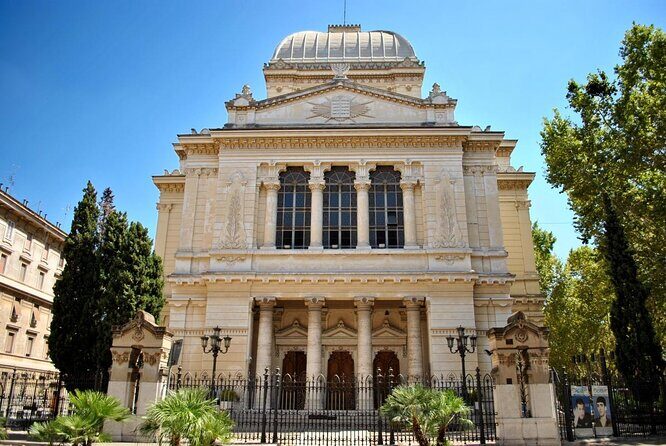
- Great Synagogue + Jewish Museum: major landmarks included with tickets
- Il Portico di Ottavia route: links to the area’s old school sites near Piazza delle Cinque Scole
- Teatro di Marcello ruins stop: a quick “Rome-over-Rome” contrast with ancient theater remains
- Tempio Maggiore di Roma focus: additional time inside with an internal guide
Why the Jewish Ghetto here feels different
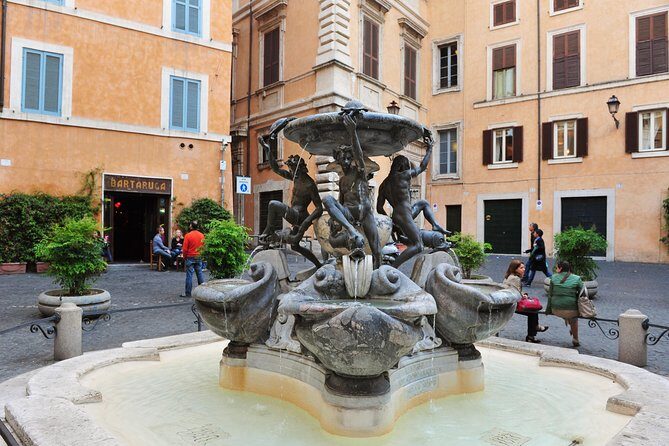
This tour is built around a simple idea: if you stand in the right places, history stops being abstract. Rome’s Jewish Ghetto is often discussed in broad strokes, but here you get the physical layout—streets, passages, and landmark buildings that helped define daily life.
I like that the Great Synagogue and the Jewish Museum aren’t treated like separate checklist stops. They’re tied to the story your guide tells about struggles and successes over time, including the reality of an older, long-standing Jewish presence in Rome. The result feels structured and human, not just museum-mode facts.
You’ll also be in a private group, which matters in a place like this. Questions come up naturally, and your guide can adjust the pace to your interests. It’s also a good way to avoid getting swept into a loud crowd experience when the subject matter deserves a calmer tone.
You can also read our reviews of more walking tours in Rome

The walk by Il Portico di Ottavia and Piazza delle Cinque Scole
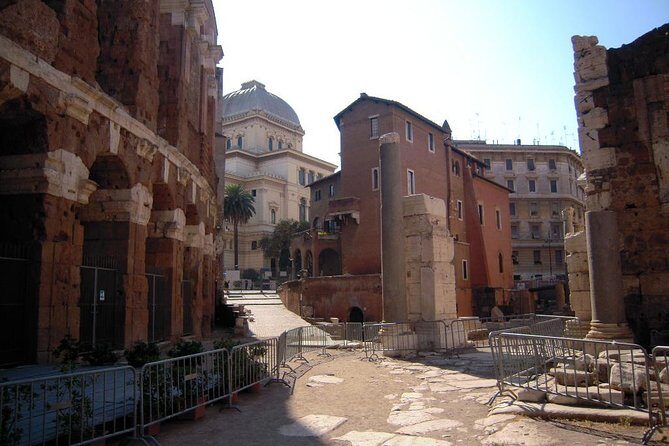
Your first chapter starts at Il Portico Di Ottavia, moving along Via del Portico di Ottavia and toward Piazza delle Cinque Scole. This is one of those Rome areas where the city’s layered past is visible in the spaces between buildings. Even if you don’t know the details yet, you can feel that the setting was built for community life, not just passing through.
What makes this stop especially worthwhile is the way it points you toward the liturgical school sites connected to that area. The tour frames this as more than architecture—it’s about how education, prayer, and community structure worked within the boundaries Jews were navigating in those centuries.
The time is short (about 15 minutes), so don’t expect lingering photo sessions here. Instead, think of it as an orientation stop that sets the stage for what you’ll see inside next. If you’re someone who likes “first, understand the space” touring, this opening is a strong fit.
Inside the Jewish Museum of Rome and the Great Synagogue complex

Next you shift into the heart of the experience: the Jewish Museum of Rome plus the Great Synagogue area, where you use provided tickets. This is where the tour turns from walking-and-context into looking-and-reading.
You get about an hour here on your own with the tickets. That matters because it gives you control over your own attention span. If you want to focus on particular displays, you can slow down. If you prefer a broad scan first, you can do that too and save details for later questions with your guide on the outside.
This is also the part that can hit hardest. The subject matter includes both hardship and resilience. If you’re the type who gets emotionally affected by what you read, you’ll probably appreciate having a guide who can help you make sense of it as you go—especially when the buildings around you are still standing after all these centuries.
Practical note: plan to enter with enough energy for museum lighting and indoor pacing. Even though the overall activity level is listed as minimal, indoor time can still add up when you’re reading carefully.
Teatro di Marcello: a quick ancient contrast that changes your lens
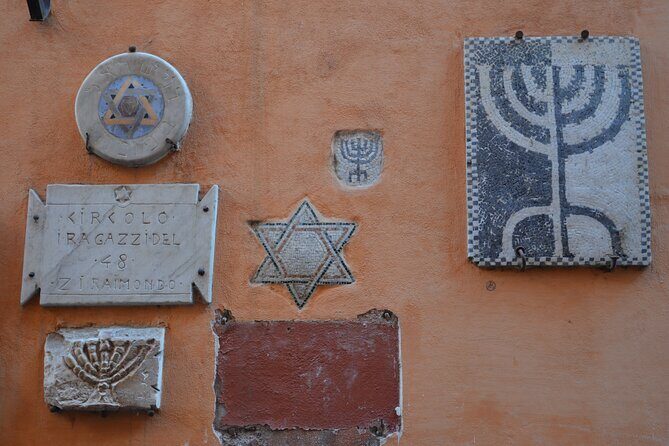
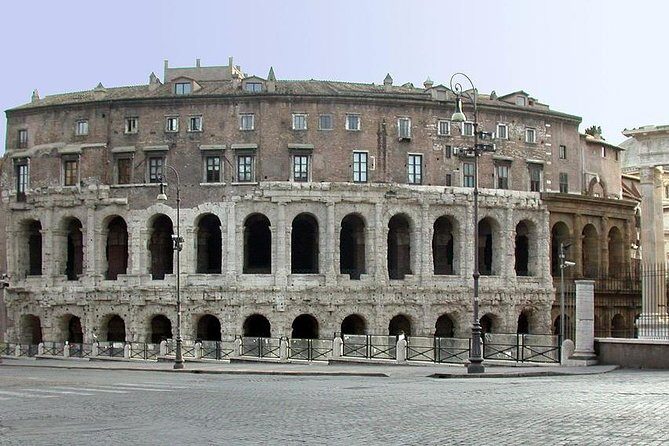
Then comes a sharp change of scenery: a stop at Teatro di Marcello, with a connection back toward the Portico of Ottavia area. This is only about 15 minutes, but it’s a clever one.
Why? Because it gives you the Rome-over-Rome feeling in a tangible way. You see ancient ruins and realize how much of the city’s story overlaps across eras. For many people, this moment helps the Jewish history feel even more grounded—not floating in a separate timeline, but layered onto the same urban space.
If you’re someone who likes when a tour uses contrast to clarify meaning, you’ll like this stop. It doesn’t steal time from the main sites; it changes your perspective just enough to make the next building visit land better.
Tempio Maggiore di Roma with an internal guide
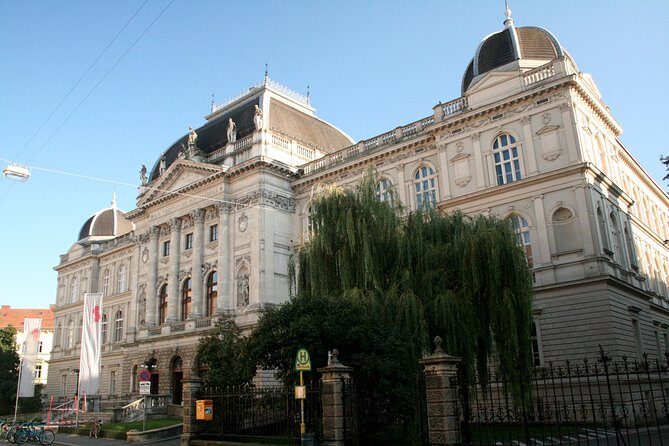
Your final major stop is the Tempio Maggiore di Roma. You’ll spend about 30 minutes here, and this portion includes an internal guide, with admission marked as free for this segment.
This is an important difference from the earlier museum time. The earlier stop is ticket-based and self-paced. Here, the internal guidance adds a more specific, site-centered layer—exactly what you want at a major religious landmark where small architectural and historical details can change your understanding fast.
I like that the tour includes both your guided archaeologist context and then a specialized viewpoint from inside the synagogue setting. Together, they help you connect big-picture history with the lived space itself.
If you’re curious about how tradition is carried through physical details—structure, design choices, and how a community uses the space—this last stop is likely the most satisfying.
You can also read our reviews of more private tours in Rome






Price and value: what you’re paying for at $321.78
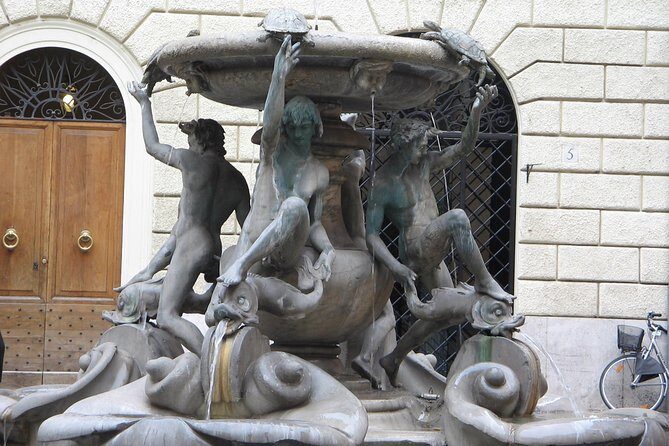
At $321.78 per person for roughly 3 hours, this isn’t a budget “wander and hope” outing. It’s a private, archaeologist-guided experience with tickets for key sites.
Here’s how the value pencils out for most people:
- Guided archaeology context: you’re not just buying entry fees; you’re paying for interpretation
- Admissions included: the Jewish Museum portion and the early Portico di Ottavia stop include tickets
- Major landmark time: you’re spending meaningful time at the Great Synagogue-related sites
Also, the tour is in English, which can matter if you’re trying to keep the story sharp instead of watered down by translation. And because it’s private, you’re not sharing your attention with strangers who keep derailing the pace.
The main reason to hesitate is the emotional weight and reading time inside. If you want a very light, casual tour, you may feel like the price is aimed at deeper engagement than you plan to give.
Who this private walking tour suits best
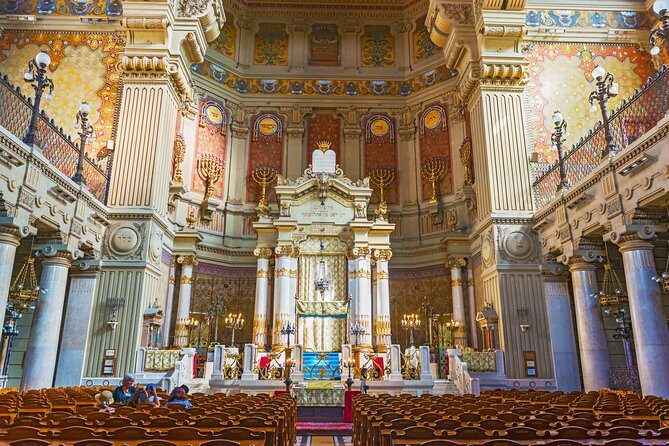
This tour fits best if you:
- want a structured route through Rome’s Jewish Ghetto
- care about how history connects to specific buildings and spaces
- like asking questions and getting answers in real time
- enjoy synagogue and museum visits, not just street sightseeing
It also seems like a strong option for families with older kids (it’s listed as child friendly with parental supervision). The activity level is minimal, so it’s not the type of tour that demands long climbs or intense trekking.
If you’re traveling with limited time in Rome, this is a practical way to hit major sites within half a day. If you’re a museum power-reader, you’ll appreciate the hour inside. If you prefer short attention bursts, you may need to skim more and save details for later.
Practical tips so your 3 hours go smoothly
A few practical things will help you get more out of it:
- Wear comfortable shoes. It’s not marathon walking, but you will move between stops and spend time indoors.
- Plan for “stand-and-look” moments. The early Portico di Ottavia and Teatro di Marcello segments are short, so the best strategy is to stay mentally ready for quick orientation.
- Bring water and a snack buffer if you need it. Meals and drinks aren’t included, and you’ll want energy for the museum portion.
- Keep your expectations flexible. The tone can be reflective. That’s part of why people find the experience educational and memorable.
- Use public transport nearby. The meeting area is listed as near public transportation, and the tour starts and ends back at the same spot.
Should you book Rome’s Jewish Ghetto and Great Synagogue private tour?
Yes—if you want a focused, respectful, and story-driven visit to the Great Synagogue, the Jewish Museum, and the key ghetto-area spaces that connect them. The combination of an archaeologist guide, major ticketed sights, and the added internal-guided synagogue time is a strong value package for the price.
Skip it (or consider a lighter alternative) if:
- you want purely scenic photos with no museum reading
- you prefer group tours over private pacing
- you’d rather not spend part of the day in historically heavy material
FAQ
FAQ
How long is the Rome Jewish Ghetto and Great Synagogue private walking tour?
It lasts about 3 hours.
What is the tour price per person?
The price is $321.78 per person.
Is the tour private, or will I be with other people?
It’s a private tour/activity. Only your group will participate.
What language is the tour offered in?
The tour is offered in English.
Where does the tour start and end?
It starts at Lungotevere de’ Cenci, 00186 Roma RM, Italy and ends back at the meeting point.
What’s included in the tour price?
It includes guidance and assistance by an archaeologist guide, a Jewish Museum ticket, and the private tour.
Are tickets included for the synagogue and museum stops?
Yes. Tickets are included for stops like Il Portico Di Ottavia and the Jewish Museum/Great Synagogue portion.
Is transportation or meals included?
No. Meals and drinks, and transportation are not included.
What is the walking/activity level?
The activity level is minimal.
What’s the cancellation policy?
Free cancellation is available up to 24 hours in advance for a full refund.