REVIEW · WALKING TOURS
Rome: Holy Jubilee Papal Basilicas Walking Tour
Book on GetYourGuide →Operated by VivaRoma Experiences · Bookable on GetYourGuide
Rome’s Holy Trail has a special rhythm.
This small-group Jubilee walk is built around the Holy Doors, which are only opened during Jubilee Years, so you’re seeing a tradition that happens rarely and for a reason. I like the small group setup (max 10) because it keeps the pace human. I also love that the route hits the major Papal Basilicas in sequence, with a local expert helping you spot what matters. One thing to plan for: you’ll deal with security checks and lines at the big basilicas, which can slow the schedule in busy periods.
You’ll start where the pilgrimage story begins and end at the spiritual center of Catholicism.
The itinerary flows from Basilica of St. Paul Outside the Walls to St. John Lateran, then St. Mary Major, and finally St. Peter’s Basilica in Vatican City, with Holy Doors along the way when they’re open. If you’re someone who likes your Rome with both meaning and monuments, this is a strong fit. Just note the practical limits: the tour involves moderate walking and is not suitable for wheelchair users or people with mobility impairments.
In This Review
- Key things I’d plan for
- What makes the Jubilee route different from a regular basilica day
- Price and value: when $108 makes sense
- Start at Via Ostiense: practical meeting point tips
- Basilica 1: St. Paul Outside the Walls and the Jubilee starting point
- Basilica 2: St. John Lateran, Rome’s oldest cathedral church
- Basilica 3: St. Mary Major with relics and mosaics
- Basilica 4: St. Peter’s Basilica in Vatican City
- Walking pace, group size, and who this tour fits best
- Holy Doors: what you’re actually learning and why it matters
- Dress code and what to pack so you don’t lose time
- Lines, security checks, and managing your expectations
- Getting the most out of the guide and the Holy Trail story
- Should you book the Rome Holy Jubilee Papal Basilicas walk?
- FAQ
- How long is the Rome Holy Jubilee Papal Basilicas Walking Tour?
- What is the meeting point for the tour?
- Where does the tour end?
- How big is the group?
- Is this tour only offered during Jubilee Years?
- What’s the dress code?
- What should I bring?
- What’s included in the ticket price?
- Are food and drinks included?
Key things I’d plan for
- Holy Doors are the point: you’re walking specifically to step through them while they’re open to the public
- Four Papal Basilicas in one morning-length outing: less logistics juggling, more time on-site
- Local expert guidance: you learn the history and symbolism tied to each Holy Door and basilica
- Lines are real: security checks and entrance queues can take time, especially in peak periods
- Dress code is strict: shoulders and knees must be covered, and shorts or short skirts aren’t allowed
What makes the Jubilee route different from a regular basilica day
This isn’t a standard Rome “see the sights” walk. The special ingredient is the Holy Door concept during Jubilee Years, which turns a handful of iconic churches into a single linked spiritual route. You’re moving through Rome with a clear story arc, not hopping randomly between stops.
The other big difference is how you enter. Instead of treating basilicas like a checklist, the tour is built to include access through the Holy Doors themselves, plus entry to significant basilicas along the Holy Trail. That’s the kind of experience you can’t reliably replicate on your own unless you’re already there during an active Jubilee and know exactly where and when the doors are open.
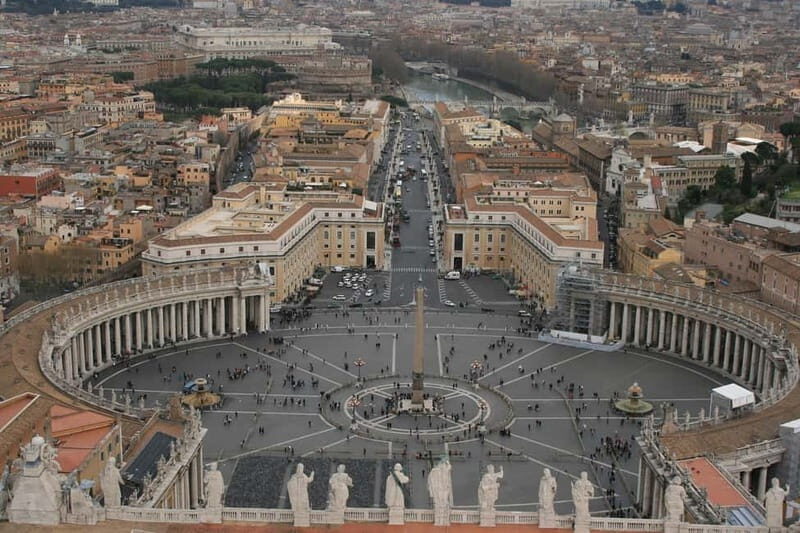
And yes, there’s plenty of Rome to see too. The route includes the kinds of views and street scenes pilgrims notice: bridges of time, layered neighborhoods, and the city’s “always-on” movement. The walk keeps you grounded in the city rather than spending the whole time behind a ticket line.
You can also read our reviews of more walking tours in Rome

Price and value: when $108 makes sense
At $108 per person for a 4-hour small-group tour, you’re paying for three things that are harder to DIY:
- A local expert who can explain the symbolism and placement of the Holy Doors and the basilicas
- Holy Door access and basilica entries that are part of the Jubilee-style experience
- A tight route that covers the major Papal Basilicas without you having to plan each stop perfectly
If you were doing this independently, you could still visit these churches, but you might miss the Jubilee-specific focus: stepping through Holy Doors only when they’re open, and having the route framed as the Holy Trail. Here, the value is mainly in the structure and access, not just “you get to walk around famous buildings.”
It’s also a decent deal for what you avoid. The tour includes entry, but you should still be mentally ready for security checks and queues, which can eat time even on guided trips. The good news: having a guide helps you use that waiting time with context rather than frustration.
Start at Via Ostiense: practical meeting point tips
Your guide meets you at Via Ostiense, 273, 00145 Roma RM, right outside McDonald’s, holding a sign that says Jubilee Experience. That’s a helpful detail because Rome has plenty of confusing “nearby” landmarks. This one is direct and easy to orient to.
Plan to arrive a bit early. Not because the tour is fussy, but because the day can get slower at the basilicas, and punctual starts help everyone keep a manageable pace. Also, bring your passport or ID card, since a copy is accepted.
One more practical note: backpacks aren’t allowed. That means you’ll want a small day bag and a clear plan for where your essentials go during security checks.
Basilica 1: St. Paul Outside the Walls and the Jubilee starting point
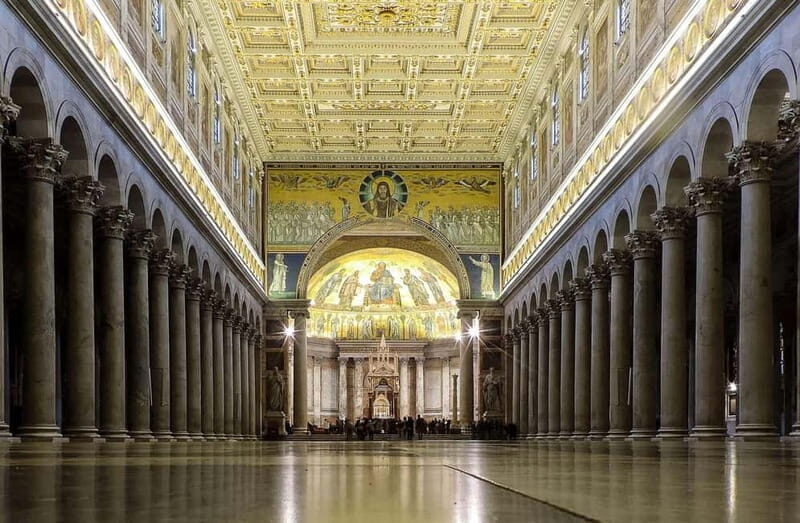
The journey begins at Basilica of St. Paul Outside the Walls, described as the traditional starting point of the Holy Jubilee Trail. That matters because the tour isn’t only about architecture. It’s about following a pilgrimage logic: you start at the beginning, not in the middle.
St. Paul Outside the Walls sets a tone before you hit the heavier Vatican-area concentration. Expect the first moments to feel like you’re entering a ritual space. Your local expert’s job here is to get you oriented: what the Holy Doors represent, why they’re opened during Jubilee Years, and how each basilica’s identity fits into the wider story.
This first stop is also your best chance to get your legs and your routine set for the day. Wear those comfortable shoes. Have water ready. And keep your shoulders and knees covered from the start so you don’t end up scrambling at the entry points.
Basilica 2: St. John Lateran, Rome’s oldest cathedral church
Next comes St. John Lateran, highlighted as the oldest basilica in Rome and the official cathedral of the city. That description gives you a clue about what you’ll feel here: it’s not just another impressive church. It carries a “center of gravity” status for Rome’s Catholic identity.
While the tour data doesn’t list specific chapel stops inside, the important part is what your guide connects for you. You’ll learn about the Holy Doors along the way and how the basilica’s role shapes the meaning of the Jubilee route. The experience is designed to help you connect symbolism to place, not just admire a building from the doorway.
Practical consideration: this is a big-name stop, so expect the usual reality—security checks and lines can slow entry. If you’re the type who gets flustered waiting, bring patience. The upside is that this is also where your guide’s explanation can turn waiting into learning.






Basilica 3: St. Mary Major with relics and mosaics
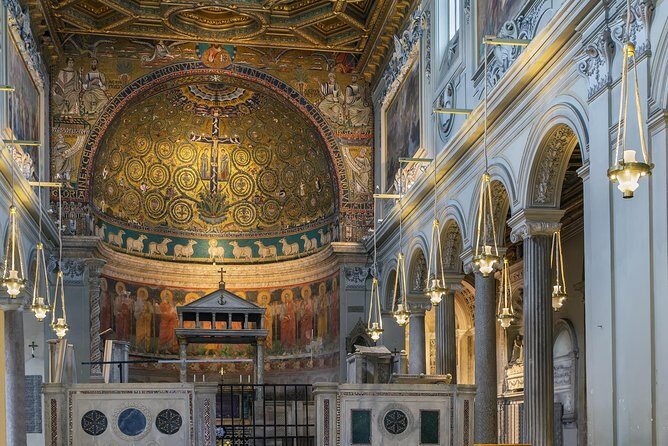
St. Mary Major is the next major highlight. The tour description points out sacred relics and stunning mosaics, which is a clear signal that this stop offers both spiritual gravity and visual artistry.
What I like about this part of the route is the balance. After the heavy “cathedral history” feel of St. John Lateran, St. Mary Major gives you a different kind of engagement: you’re invited to look closely, especially at the mosaic work. Even if you’re not a specialist, mosaics are one of those mediums that reward slow attention, and a guided stop helps you know what you’re looking at rather than just passing through.
Timing note: the tour includes a heads-up that lines and security checks may take more time in high season and due to Pope-related events including passing and burial connected to Saint Mary Major. That’s exactly the kind of reason your schedule can flex on Jubilee days. So if you’re considering other plans the same day, keep them flexible.
Basilica 4: St. Peter’s Basilica in Vatican City
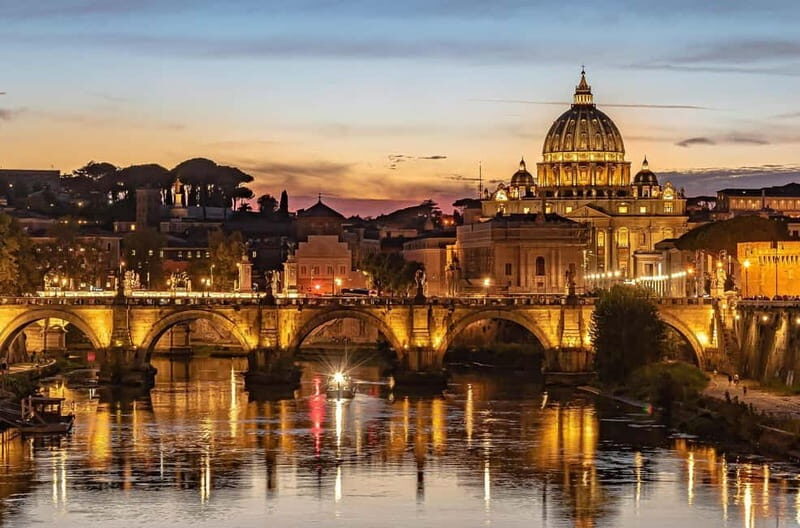
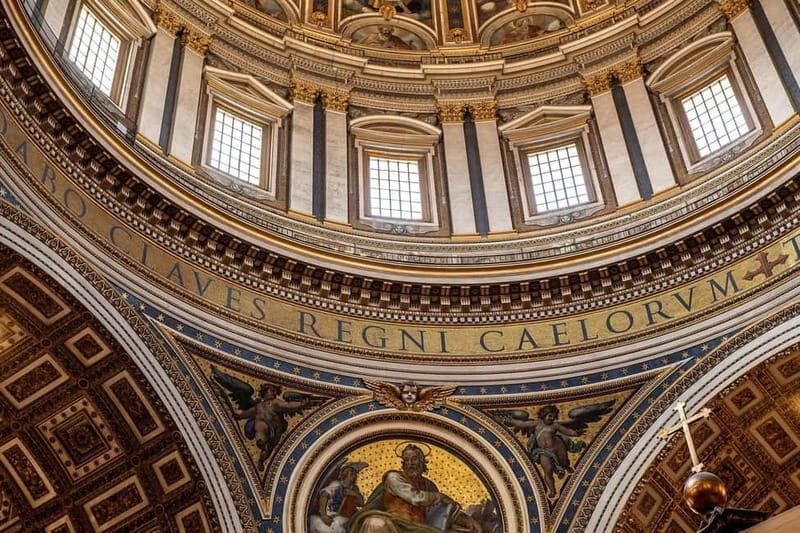
The final stop is St. Peter’s Basilica in Vatican City, described as the world-renowned spiritual heart of Catholicism. It’s an ending built for drama and meaning: you’re finishing at the center many pilgrims think about long before they arrive.
Even if you’ve seen photos, you’ll likely feel the scale once you’re inside. This is where the tour’s Jubilee theme clicks hardest. By the time you arrive, you’ve already walked the Holy Trail sequence and learned how Holy Doors fit into Jubilee practice. That background makes St. Peter’s feel less like a standalone must-see and more like the culmination of a route.
Again, plan for queues. The basilica is famous, and the tour includes entry, but security checks and lines can take time. The best strategy is to stay calm and let the guide lead. When the group is small, you can often keep moving efficiently even with delays.
Walking pace, group size, and who this tour fits best
This is a small group tour limited to 10 participants, led in English by a local expert tour leader. That small size changes the feel. You’re not fighting for attention, and you’re less likely to get lost in a crowd when you stop for explanations.
The walking is described as moderate. It’s not a gentle stroll, but it’s also not framed as an all-day hike. Still, it’s not suitable for people with mobility impairments or wheelchair users. If walking distance is a problem for you, it’s better to look for a different format.
This tour is especially good for:
- Pilgrims and Catholic visitors who want a Jubilee experience built around Holy Doors
- History lovers who enjoy learning what a building means, not just what it looks like
- Curious travelers who want a guided, time-efficient route across the four major Papal Basilicas
Holy Doors: what you’re actually learning and why it matters
The Holy Door is the tour’s core. During Holy Years (Jubilee Years), these doors open to the public, and stepping through them is the centerpiece act that turns a church visit into a pilgrimage moment. The tour is specifically designed to help you understand the tradition: its history, symbolism, and where the Holy Doors appear in the Jubilee landscape.
Even if you’re not deeply religious, the Holy Door concept makes travel more human. It’s a reminder that places aren’t only artifacts; they’re used in living rituals. A good local guide helps you read the experience like a story: you learn what to notice and why the route matters, so you don’t treat it like just another photo stop.
The other benefit: you’re not left guessing. Instead of wondering where to go or whether the doors are open, the tour is built around timing and access to make the Jubilee part work.
Dress code and what to pack so you don’t lose time
Dress code is not optional here. For entry into basilicas, shoulders and knees must be covered. Shorts and short skirts aren’t allowed, and you should plan to dress accordingly before you arrive. If you forget, you risk losing time at entry points, and you might not be able to enter.
Pack like you’re going to walk and stand:
- Comfortable shoes
- Water
- Passport or ID card (a copy is accepted)
Also remember the backpack rule. Go small and simple.
Lines, security checks, and managing your expectations
This tour includes entry to significant basilicas, but it comes with the real-world side of Rome in the form of security checks and lines. The tour provider specifically warns that lines may take some time during high season and during Pope-related events connected to Saint Mary Major.
Here’s how to handle it smartly:
- Assume delays and keep your other plans loose
- Wear your basilica-appropriate clothing from the start
- Keep your bag minimal to move quickly through security
A small group helps here because you’re not separated from the flow by huge crowd sizes. Still, the day is not designed to be fast and frantic. It’s designed to be meaningful, even if it runs a bit slower than you hoped.
Getting the most out of the guide and the Holy Trail story
If you want the experience to feel like more than architecture, lean into the guide’s explanations. The tour is built around learning the history and symbolism of the Holy Doors and each basilica’s role in the Jubilee route. When you listen for that, you start noticing details you’d otherwise miss.
A good target for yourself: ask your guide what to look for at each stop, and pay attention to how the Holy Doors link places that otherwise might feel disconnected. That’s the key shift from seeing Rome as a list of monuments to experiencing it as a connected ritual geography.
Should you book the Rome Holy Jubilee Papal Basilicas walk?
Book it if you want a rare Jubilee-focused route and like guided context. At $108, you’re paying for Holy Door access plus entry and a local expert, all in a small group capped at 10. That’s a strong value if Holy Doors and Papal Basilicas are what you’re here for.
Skip it if you need a fully stress-free day with minimal standing, since security checks and lines can slow things down. Also don’t book if mobility is limited, since the tour isn’t suitable for wheelchair users.
If you’re in Rome during the 2025 Jubilee and you want your sightseeing to feel like a pilgrimage with a clear story, this is one of the more purposeful ways to spend four hours.
FAQ
How long is the Rome Holy Jubilee Papal Basilicas Walking Tour?
It lasts about 4 hours.
What is the meeting point for the tour?
Meet your guide at Via Ostiense, 273, 00145 Roma RM, right outside McDonald’s. The guide will be waiting with a sign that reads Jubilee Experience.
Where does the tour end?
The tour ends back at the meeting point.
How big is the group?
The tour is a small group with a maximum of 10 participants.
Is this tour only offered during Jubilee Years?
Yes. The Holy Doors are only opened during Holy Years (Jubilee Years).
What’s the dress code?
Shoulders and knees must be covered for entry into basilicas. Shorts and short skirts are not allowed.
What should I bring?
Bring comfortable shoes, water, and a passport or ID card (a copy is accepted).
What’s included in the ticket price?
Included are a local expert tour leader, access through the Holy Doors, and entry to significant basilicas.
Are food and drinks included?
No. Food and drinks are not included.