REVIEW · MUSEUMS
Capitoline Museums Marvels Private Tour
Book on Viator →Operated by Joy of Rome · Bookable on Viator
Roman history gets real fast on Capitoline Hill. This private Capitoline Museums Marvels tour is built for art and archaeology lovers, with a guide who explains what you’re seeing as you move through the museum and the hilltop area outside.
What I like most is the way you’re guided by a professional archaeologist or art historian, not just a script. I also love the focus on standout works and places, from Roman portrait sculpture to the big idea of the Temple of Jupiter—and yes, you’ll get pointed toward a Roman talking fountain moment that’s famous for a reason. One catch: museum entry tickets are not included, so you’ll pay on site.
In This Review
- Key things to know before you go
- Capitoline Hill in 2.5 hours: how this museum visit is paced
- Your archaeologist or art historian guide: what you actually gain
- Step-by-step at Musei Capitolini: what you’ll see and why it lands
- Roman sculpture that shows power, status, and myth
- A “living city” angle, not just statues in rooms
- The Jupiter temple story, hinted through the foundations
- Michelangelo’s square: where the scenery matches the history
- Private tour pacing: how flexibility improves the museum
- Tickets and value: what you pay, and what you get for it
- Where you meet and end: getting oriented quickly
- Who this tour suits best (and who might want a different format)
- Should you book the Capitoline Museums Marvels Private Tour?
- FAQ
- What language is the tour offered in?
- How long is the Capitoline Museums Marvels private tour?
- Is this tour private or shared?
- Where is the meeting point?
- Where does the tour end?
- Are entry tickets included in the tour price?
- How much are the museum tickets?
- What’s included in the tour?
- Is there a mobile ticket?
- What is the cancellation and refund policy?
- Can the tour be canceled due to too few travelers?
Key things to know before you go
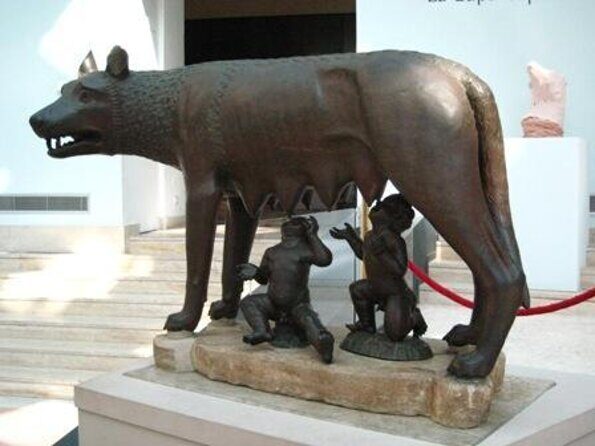
- Expert lens, not just facts: you’re paired with an archaeologist or art historian to connect objects to Roman life and politics
- A “go through centuries” route: you move from one era to another without losing the thread
- Major masterpieces on your path: you’ll hear what to look for in works like the wounded Amazon queen, Venus, and the dying Galata
- Capitoline Hill highlights beyond the museum: Michelangelo’s 16th-century square and the Temple of Jupiter foundations are part of the story
- Private pacing: it’s only your group, so you can ask questions and move at a comfortable speed
Capitoline Hill in 2.5 hours: how this museum visit is paced
The Capitoline Museums (Musei Capitolini) sit on Capitoline Hill, and the whole area feels like Rome’s power center made into stone. Your tour is about 2 hours 30 minutes and is designed to keep you oriented. You’re not wandering randomly; you’re walking a planned line that takes you from the origins of Rome toward the world of senators, philosophers, generals, and emperors.
The big value here is compression. This museum covers a long sweep of time, but the guide helps you understand what changes and what stays the same. I like tours that do that mental sorting for you, because ancient Rome can otherwise feel like a pile of disconnected statues.
Also, it’s a morning or afternoon experience, so you can match it to your energy level. If you like your Rome days to start strong, go morning. If mornings make you slow, an afternoon slot can work well—your guide can still bring the museum to life.
You can also read our reviews of more private tours in Rome



Your archaeologist or art historian guide: what you actually gain
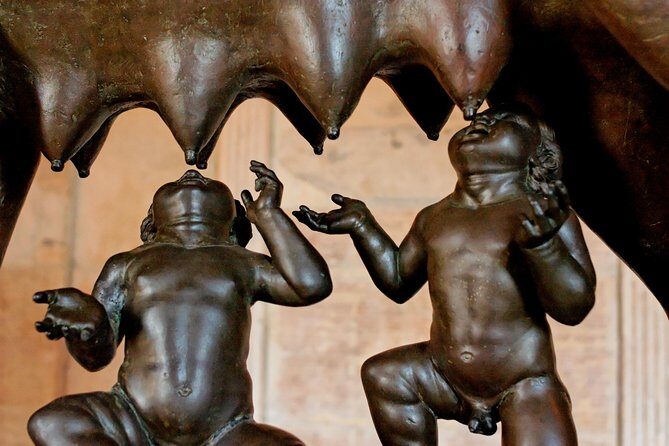
The tour includes a professional archaeologist or art historian guide, plus a local guide. That matters because art history and archaeology aren’t just two topics—they change how you “read” the objects. A guide trained in archaeology tends to focus on context: where things came from, what they meant to Romans, and what the evidence can (and can’t) prove. An art historian tends to focus on style: how sculptures communicate status, personality, and ideology.
From the track record of past guides, the delivery can be sharp and human. One guide named Serena is praised for being patient, humorous, and great at explaining big ideas in clear words. That’s exactly what you want in a museum like this, where the subject can get heavy fast if someone is talking at you.
There’s also practical value in the way some guides handle accessibility. In one documented example, Serena coordinated ramps and elevator access with museum staff and even arranged for a taxi to come right to the exit, with police permission. Even if your situation is simpler, it’s a good sign that the guide is willing to make real adjustments, not just shrug and say good luck.
If you care about asking questions—about why a sculpture looks the way it does, or what a myth figure might be doing in a civic space—this format helps you do that without feeling rushed.
Step-by-step at Musei Capitolini: what you’ll see and why it lands
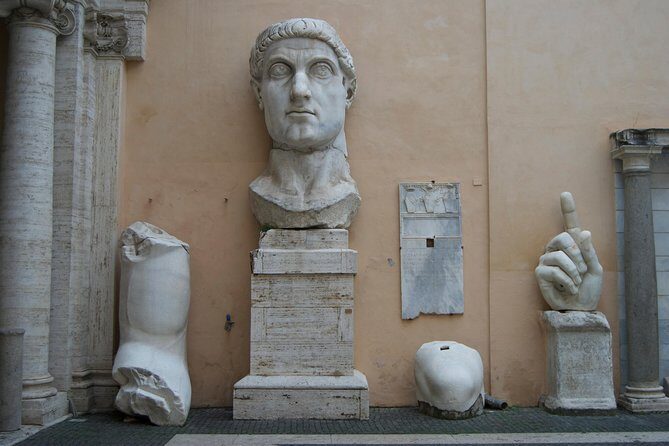
Stop 1 is the Musei Capitolini. This is the core of the tour, and it’s the place where you go from one century to another in short, manageable jumps. The museum sits on the hill near the Temple of Jupiter area, so you’re always close to the bigger story: Rome built its identity through monuments, sculpture, and public display.
Here’s the kind of experience you should expect as the guide moves you through the highlights:
Roman sculpture that shows power, status, and myth
You’ll spend time on major works that have become shorthand for whole themes in Roman art. The guide points out what to look for and what to connect it to—so you’re not just staring at marble.
Key stops include:
- The wounded queen of the Amazons: a dramatic pose that helps you see how Roman art borrowed and reshaped Greek myth for Roman audiences
- Venus: presented as both ideal beauty and political symbolism, depending on how the guide frames it
- The dying Galata: a powerful image of defeat and emotion, often used to talk about cultural identity and the way art turns history into story
These titles might sound familiar if you’ve seen them in books. The difference here is the guide’s interpretation and the way you can connect each piece to the world Romans lived in—leaders, generals, public religion, and the culture of display.
A “living city” angle, not just statues in rooms
One of the best promises of this tour is that you’ll learn about the elegant everyday life of Rome’s upper classes. That’s important because it stops Rome from being only emperors and battle scenes. When the guide explains how art, myth, and civic space connected to daily identity, the museum becomes easier to remember.
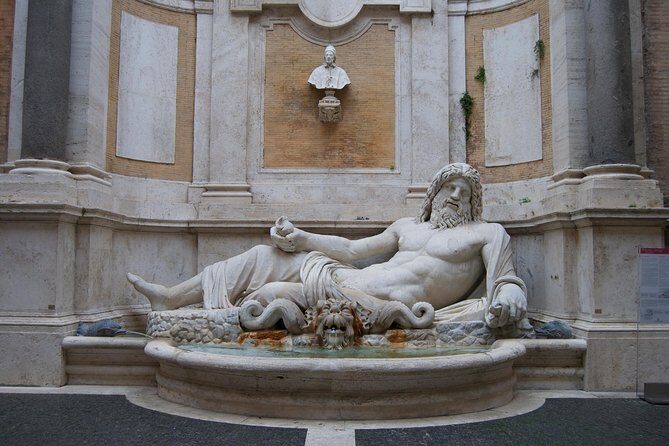
And if you’re the kind of person who wants your visit to include at least one memorable odd detail, you’ll likely enjoy the famous Roman talking fountain reference. It’s the sort of moment that makes the whole city feel interactive, not locked behind glass.
You can also read our reviews of more museum experiences in Rome





The Jupiter temple story, hinted through the foundations
As you move through the area, you’ll also get a peek at the foundations of the largest Roman temple in the ancient world, dedicated to Jupiter. You won’t experience it as a fully standing temple (because that’s not how it exists now), but you’ll get the sense of scale. That helps you understand why Rome’s leaders cared so much about building and re-building sacred spaces tied to power.
Michelangelo’s square: where the scenery matches the history
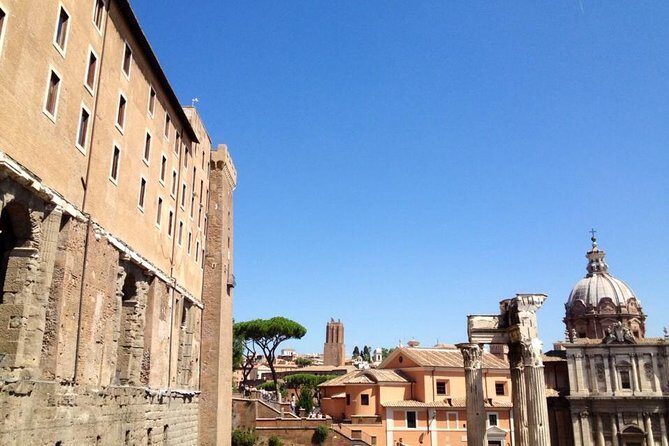
The tour doesn’t end at the museum doors. You also stroll through the square at the top of Capitoline Hill, designed by Michelangelo in the 16th century.
Why it matters: the Capitoline area is one of the best places in Rome to connect three time periods at once.
1) Ancient Rome, with its temple focus and political symbolism
2) Renaissance Rome, when Michelangelo shaped the hilltop into a designed stage
3) Your present-day viewpoint, where you can stand and see how planners and artists thought about space
If you’ve ever felt that Rome’s art and architecture are best understood when you can stand back and see the layout, this is that kind of stop. The square also gives you a breath between galleries—use it to look around, take photos, and reset your brain.
Practical tip: wear shoes that don’t punish you on cobblestones. Even with a private tour pace, you’ll still be walking.
Private tour pacing: how flexibility improves the museum
This is a private tour, so only your group participates. That changes the feel right away. In a crowded museum, you usually spend energy dodging other people and holding your place. Here, you can slow down for a sculpture you’re drawn to, speed past a room that’s less interesting for you, and ask follow-up questions without needing to keep up with a group.
At 2 hours 30 minutes, you’re not trapped in a long session. It’s enough time for a real story arc, not just a highlights sprint. And the guidance is built around moving in “few steps” between time periods, which keeps you from getting lost in one era too long.
Also, the best part of a private museum tour is what you can do afterward. A lot of people want to linger, and this is the kind of museum where there’s more to keep looking at once you’ve been trained on what matters.
Tickets and value: what you pay, and what you get for it
Museum admission is not included. You’ll pay on site: 16€ for adults and 14€ for under 18s. The tour itself includes the guide (archaeologist or art historian) and a local guide.
When you think about value, don’t just compare the ticket line. You’re paying for interpretation. In a museum like this, that’s where the ROI is. Without a trained guide, you can absolutely enjoy the collection—but you’ll likely miss the connective tissue: how the pieces link to Roman ideology, civic identity, and the way myth got repurposed to fit Roman culture.
So the best value angle is simple: you’re spending extra time and a guided lens to make the building, the sculptures, and the hilltop area feel like one story.
Where you meet and end: getting oriented quickly
You start at Campidoglio square, Piazza del Campidoglio, 00186 Roma RM, Italy. That’s a good choice because it drops you near the designed heart of the hill. You don’t have to cross the city to find the action.
You end at Tiber Island, 00186 Rome, Metropolitan City of Rome Capital, Italy. Ending on the river side can be a blessing if you plan to keep walking afterward, grab a meal, or connect to other Rome sights. It also reduces that awkward feeling of being left far from where you want to go next.
It’s also described as near public transportation, which helps if you’re juggling the rest of your day’s schedule.
Who this tour suits best (and who might want a different format)
This experience is especially good if you’re interested in:
- Archaeology and art history
- Learning how Roman objects connect to politics, myth, and everyday identity
- Wanting expert explanations instead of surface-level captions
You’ll also like it if you want a calm, guided pace. Private tours work best when you care about questions and you don’t want to feel like you’re being herded.
On the other hand, if you already know this material deeply and you mainly want the collection on your own terms, you might feel less urgency to book a guide. Still, the Michelangelo square framing and the Temple of Jupiter foundations angle can add value even if you’re experienced.
Should you book the Capitoline Museums Marvels Private Tour?
Yes, I’d lean toward booking if you want Rome’s ancient story told with an expert eye and a comfortable pace. The tour’s strongest points are practical: a professional archaeologist or art historian guide, a private setup that keeps you from rushing, and a route that connects museum masterpieces to the hilltop setting—Michelangelo’s square and the Temple of Jupiter foundations included.
One decision factor to keep in mind is the extra cost of entry tickets paid on site. If that’s fine for you, this is a high-quality way to get meaning from the collection instead of just viewing it.
If you’re the kind of traveler who loves that moment when a statue stops being an object and starts being a message, this is the right kind of tour for your Capitoline day.
FAQ
What language is the tour offered in?
The tour is offered in English.
How long is the Capitoline Museums Marvels private tour?
It runs for approximately 2 hours 30 minutes.
Is this tour private or shared?
It’s a private tour, meaning only your group participates.
Where is the meeting point?
You meet at Campidoglio square (Piazza del Campidoglio, 00186 Roma RM, Italy).
Where does the tour end?
The tour ends at Tiber Island, 00186 Rome.
Are entry tickets included in the tour price?
No. Museum entry tickets are not included and are paid on site.
How much are the museum tickets?
Tickets are listed as 16€ for adults and 14€ for under 18s.
What’s included in the tour?
The tour includes a professional archaeologist or art historian guide, a local guide, and the private tour.
Is there a mobile ticket?
Yes, a mobile ticket is offered.
What is the cancellation and refund policy?
Free cancellation is available up to 24 hours in advance for a full refund. If you cancel less than 24 hours before the start time, there is no refund.
Can the tour be canceled due to too few travelers?
Yes. The experience requires a minimum number of travelers, and if it’s canceled for that reason, you’ll be offered a different date/experience or a full refund.