REVIEW · COOKING CLASSES
Rome: Five Shapes of Pasta Cooking Class in Ancient Tavern
Book on GetYourGuide →Operated by Professional Lab Pasta Experience · Bookable on GetYourGuide
A tavern lesson that tastes like Rome. In an Antica Osteria in Rome, you roll dough with a wooden pin and learn five classic shapes plus two sauces, then eat everything you make over wine. I love the hands-on coaching from chefs like Emanuele (and Angelo when he’s part of the team). I also love the small-group setup, limited to 10 so you actually get help as you shape. One heads-up: it’s not suitable for people with mobility impairments.
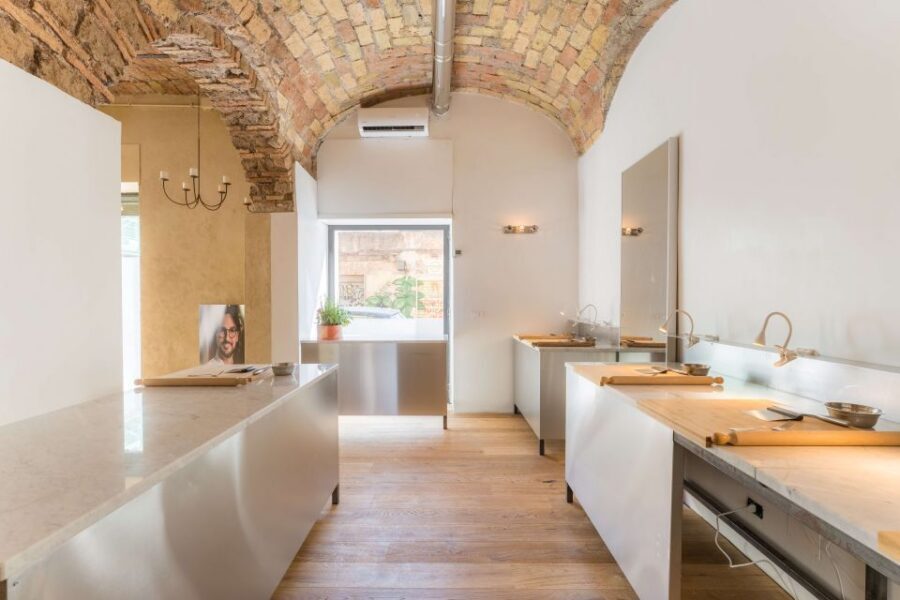
You’ll be in a space that feels old-school Italian but built for learning, with food-handling standards noted as HACCP certified in 2020. The whole flow goes from appetizer to a full meal to dessert, plus you get a complimentary chef hat with the Pastificio Faini logo.
If you’re the kind of traveler who wants more than a plate of pasta, this works. You leave with techniques you can repeat at home: rolling a thin sheet, filling ravioli and other stuffed pastas, and finishing with a quick tiramisu you can actually pull off.
In This Review
- Key highlights
- Entering Antica Osteria Cucina: the room, the vibe, and what gets taught
- Setting the dough right: rolling pasta with a wooden pin
- Making the five shapes: ravioli, agnolotti del plin, tortellini, cappelletti, fettuccine
- Sauce time: two Italian sauces and why pairing them matters
- The meal flow: prosecco, cheese, wine, and eating like it’s part of the curriculum
- Dessert that doesn’t scare you: express tiramisu at the end
- Price and value: what $67.19 really buys you in Rome
- Who this pasta class suits best (and who should reconsider)
- Should you book this pasta class or skip it?
- FAQ
- How long is the Rome pasta cooking class?
- Where is the meeting point?
- How many types of pasta will I make?
- What food and drinks are included?
- Is this a small group experience?
- Are pets allowed?
- What languages is instruction available in?
- Is food hygiene and safety covered?
Key highlights
- Five pasta shapes from scratch: ravioli, agnolotti del plin, tortellini, cappelletti, and fettuccine
- Wooden pin dough technique: learn how to roll a thin sheet the right way
- Two sauces plus wine pairings: made part of the meal, not an afterthought
- Small group limit (10 max): hands-on help while you cut, fill, and shape
- HACCP certified food hygiene (2020): peace of mind while you cook
- Chef hat from Pastificio Faini: a fun keepsake that feels official
Entering Antica Osteria Cucina: the room, the vibe, and what gets taught
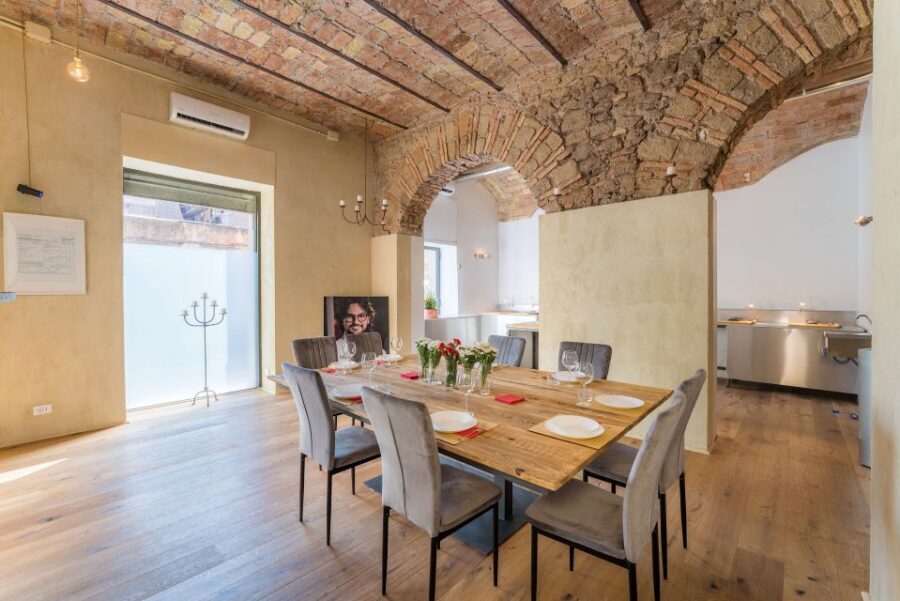
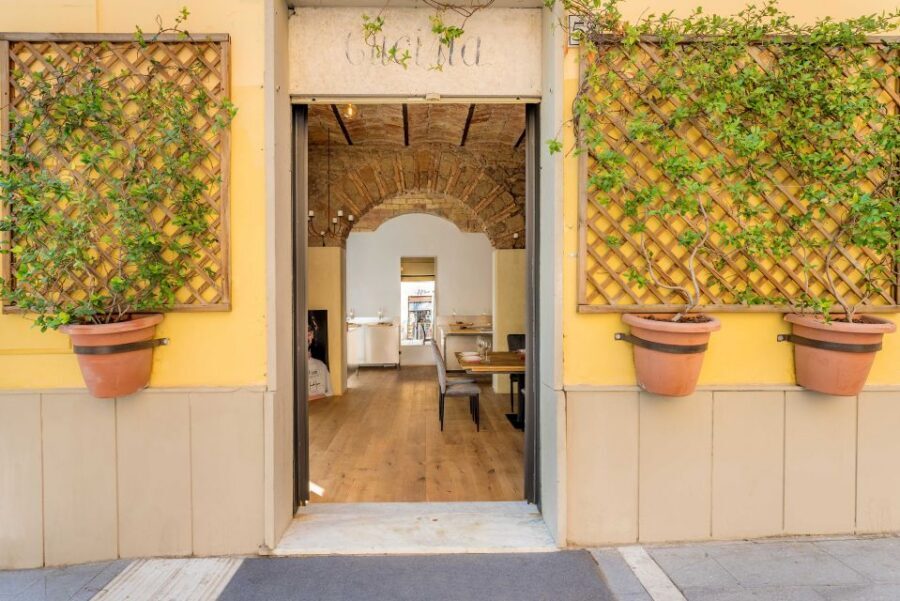
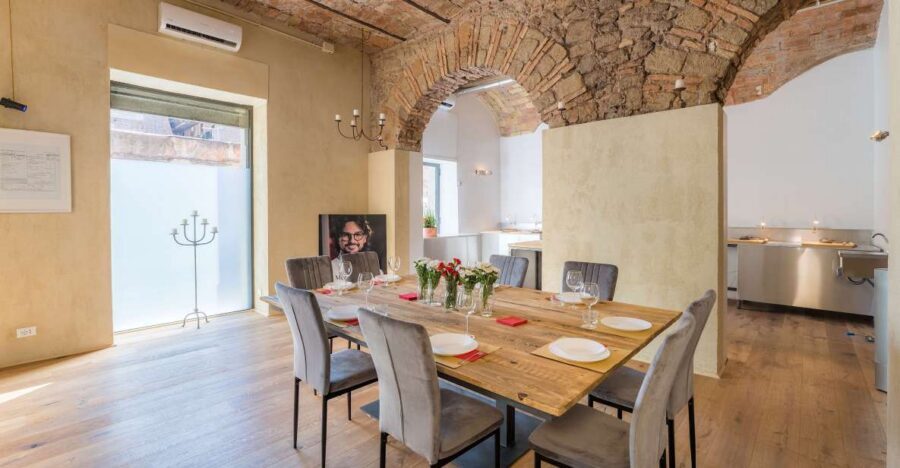
This class starts at an old osteria called Cucina. You can spot the original marble sign on top of the entrance, which makes it easier to find than guessing which side street is right.
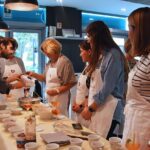
Once inside, the place already sets expectations: you’re not watching a demo. You’re at your station making dough, cutting, filling, and shaping. Several ingredients and steps are handled with clear food-safety habits (including safe cutting procedures), which matters because pasta tools and flour can get messy fast if the process isn’t structured.
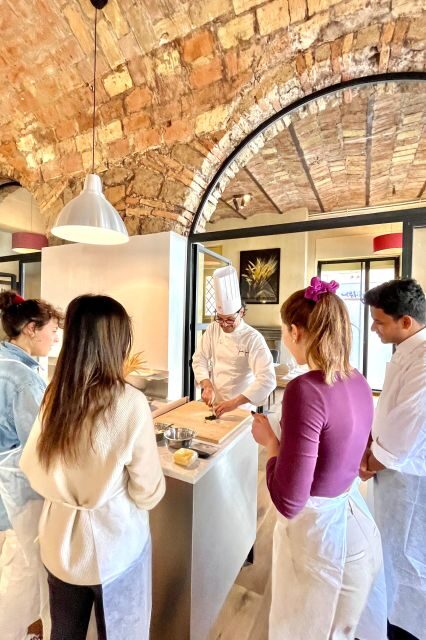
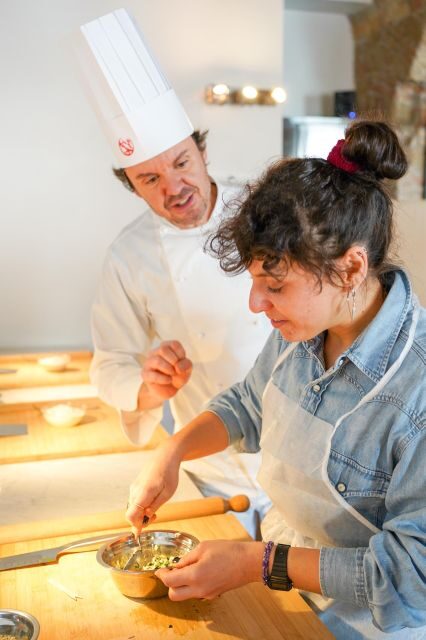
The chefs bring energy in a very practical way. In the classes led by Emanuele, and sometimes alongside Angelo, the teaching style shows up as fast feedback: if your dough is too dry or too sticky, you get adjustments. That’s one reason people consistently call this one of the most fun classes they did in Rome. You’ll also hear English and Italian during instruction, so you’re not stuck figuring out what a term means with guesswork.
You can also read our reviews of more cooking classes in Rome
Setting the dough right: rolling pasta with a wooden pin
The core skill here is making fresh pasta dough from scratch and rolling it thin enough to turn into real shapes.
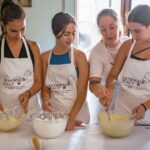
You learn to roll a sheet using a wooden rolling pin with a professional technique. That sounds technical, but the payoff is simple: thin pasta cooks evenly and tastes better, and you can feel the dough change as you work it. If you’ve tried pasta at home and it came out thick or chewy, this is the part that usually fixes the problem.
You’ll also get a clear workflow for handling the dough and shaping pieces. You’re not just told what to do; you’re guided through the motions. And because the group is capped at 10, you’re more likely to get attention when you hit a snag.
For many people, the “aha” is realizing how forgiving fresh dough can be once you understand the feel: the sheet should be workable, not fragile. When you learn that touch, the rest of the shaping becomes much less intimidating.
Making the five shapes: ravioli, agnolotti del plin, tortellini, cappelletti, fettuccine
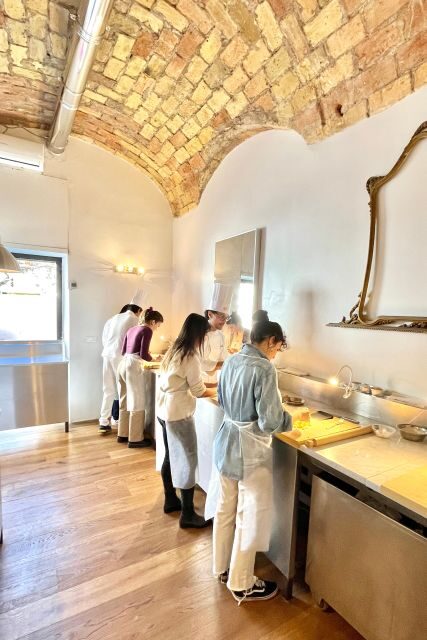
The big promise is five pasta types, and the class actually follows through. Here’s what you should expect to work on:
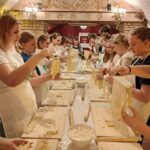
You’ll make stuffed pastas like ravioli and agnolotti del plin, plus classic forms like tortellini and cappelletti. You’ll also shape fettuccine, which is useful because it gives you a contrast: some pasta needs precision filling and sealing, while other pasta is about rolling and cutting cleanly.
A lot of classes stop at one or two shapes. Here, you get variety, which is great value for your time. It also means you learn different “reasons why” behind the techniques:
- Stuffed pastas require a good seal, so your dough thickness and edge-handling matter.
- Signature shapes require consistent portioning, so you don’t end up with lopsided sizes.
- Fettuccine teaches you how thickness and cut width affect texture.
At the table, you’ll also be cutting and portioning with the safety procedures the team lays out. That’s not glamorous, but it prevents the most common classroom problem: uneven pieces that cook at different speeds. When you finish shaping, you’ll understand how the chef thinks about cooking time and final texture.
One more practical note: you’re not doing this in total isolation. The chef team moves around and offers help as you work. That’s a real advantage versus crowded classes where you’re left to figure out your mistakes at your own pace.
Sauce time: two Italian sauces and why pairing them matters
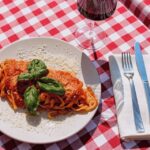
You don’t just make pasta and then wait for someone else to assemble it. You’ll taste your own work with two different Italian sauces explained by the chef.
That pairing is valuable because it shows you how sauce changes the pasta’s role. A fresh filled pasta can handle a more defined sauce texture, while a ribbon-cut pasta like fettuccine often plays better with sauces that cling well. You’ll get a hands-on lesson in how Italians think about balance: not just flavors, but also the way sauces grip the shape.
You’ll also have tasting moments built in, so you can connect what you made to what you’re eating. It turns the whole class into feedback, not just an activity.
If you’re picky about taste or dealing with allergies, the chefs have shown flexibility in the class format. For example, one participant with a garlic allergy was offered ingredient alterations and even a separate sauce so they didn’t miss out. Options aren’t guaranteed for every situation, but the setup suggests they take accommodations seriously rather than treating them like an afterthought.
The meal flow: prosecco, cheese, wine, and eating like it’s part of the curriculum
This class feeds you in layers. It’s not just a snack with a side of instruction.
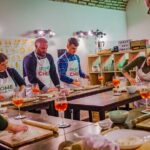
You start with an appetizer that includes prosecco and Italian cheese. There’s also local cheese tasting paired with fresh prosecco, which helps you settle into the rhythm of the room while the pasta steps ramp up.
Then comes the full meal built around what you cooked. You’ll have two plates of pasta that are handmade during the session, along with wine pairing. The result feels like a true Italian dinner rather than a classroom meal you rush through.
What makes this section worth your time is that it ties together the technical and the social parts. You’re kneading and shaping, then you slow down and taste. That’s when the learning sticks, because you can tell what you did right (or slightly off) based on texture and sauce pickup.
Also, the atmosphere is playful. People describe dancing, laughing, and music during the kneading and rolling stage. That matters more than it sounds: when your shoulders relax and you stop fighting the dough, your results improve.
You can also read our reviews of more tours and experiences in Rome

Dessert that doesn’t scare you: express tiramisu at the end
The night closes with dessert: an express tiramisu preparation. It’s designed for the same audience as the pasta class. You’re not waiting for a complicated multi-day dessert. You’re learning a version that fits into the 3-hour experience without turning into a technical nightmare.
And because it happens after you’ve eaten and tasted pasta, tiramisu lands as a satisfying finish instead of a rushed sugar hit. It also gives you one more repeatable skill for home: a quick approach that feels Italian, without requiring special equipment.
Price and value: what $67.19 really buys you in Rome
$67.19 for a 3-hour class can look like a lot if you only compare it to a casual meal. But compare it to what’s included here: you’re getting the appetizer, prosecco and cheese tastings, two pasta sauce pairings explained by the chef, a full meal with wine, and dessert (express tiramisu). On top of that, you’re getting structured instruction to create five different pasta types from scratch, plus a complimentary chef hat with the Pastificio Faini logo.
In other words, the price is doing double duty:
- It covers real food and drinks served with your meal, not just water and a cookie.
- It funds the teaching time and the hands-on coaching so you leave knowing how to make pasta shapes, not just how to watch them.
Add the small group limit (10 max), and the value improves because your chance of getting direct help is higher than in big-bus classes where instruction turns generic.
If you’re the type who wants one memorable “Rome night” that’s both fun and useful at home, this is the kind of experience that justifies the spend.
Who this pasta class suits best (and who should reconsider)
This class is best for you if:
- you want a hands-on experience rather than a sitting-and-staring tour
- you like learning practical cooking skills you can repeat
- you enjoy an energetic group atmosphere while still getting guidance
- you appreciate eating what you make, with wine and dessert included
It may be a tough fit if:
- you need mobility-friendly access, since it’s not suitable for people with mobility impairments
- you’re traveling with pets, because pets aren’t allowed
- you want a purely quiet, museum-like experience. This is lively by design.
If you’re cooking-curious, even if you think you’re a beginner, you’ll likely enjoy it. Fresh pasta is made to be learned step-by-step, and the structure supports that.
Should you book this pasta class or skip it?
I’d book it if you want a Rome experience that mixes technique, food, and a real sense of accomplishment. Five pasta shapes in one session is a lot of output for 3 hours, and the meal structure (prosecco, cheese, wine, dessert) makes it feel like a full night out, not just a class.
Skip it only if mobility access is a dealbreaker for you or if you prefer low-energy activities. Otherwise, this is a strong choice for solo travelers, couples, and even families with teens who enjoy cooking. With chefs like Emanuele and Angelo (and their team) guiding the process, you’re not left to struggle—you’re taught, you taste, and you leave with pasta skills that actually matter.
FAQ
How long is the Rome pasta cooking class?
The experience lasts 3 hours.
Where is the meeting point?
You meet at an old osteria named Cucina. Look for the original osteria sign in marble above the entrance.
How many types of pasta will I make?
You’ll make five pasta types: ravioli, agnolotti del plin, tortellini, cappelletti, and fettuccine.
What food and drinks are included?
The class includes an appetizer with prosecco and Italian cheese, a full meal (with two plates of handmade pasta), wine, local cheese tastings with prosecco, and an express tiramisu for dessert.
Is this a small group experience?
Yes. The group is limited to 10 participants.
Are pets allowed?
No, pets are not allowed.
What languages is instruction available in?
The instructor speaks English and Italian.
Is food hygiene and safety covered?
The experience notes HACCP certification for food hygiene and safety in 2020.