REVIEW · COOKING CLASSES
Rome Cooking Class: Make Pasta, Dine & Drink Wine With Local Chef
Book on Viator →Operated by Walks - Italy & Spain · Bookable on Viator
A good Rome night starts with dough.
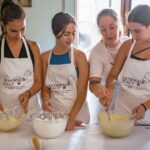
This small-group cooking class pairs hands-on pasta making with real dining time, starting in Trastevere with aperitivo bites and prosecco before you roll, shape, and cook. You’ll learn classic techniques with a local chef, then sit down to eat your own work with wine and end with homemade gelato.
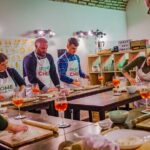
What I really like is that it’s both practical and social: you get step-by-step guidance on shaping pasta like fettuccine and ravioli, and you’re eating as part of the class, not just watching. I also like the pacing and atmosphere, since the modern kitchen and reserved dining area keep the night feeling relaxed even when the wine starts flowing.
One drawback to weigh: this experience can accommodate dietary needs with the exception of celiacs, so if gluten-free is a must for you, you’ll want to plan carefully before booking. Also, there’s no hotel pickup, so you’ll be heading to the meeting point on your own.
In This Review
- Key Highlights You’ll Actually Use
- Entering Trastevere: Aperitivo Energy Before the Dough
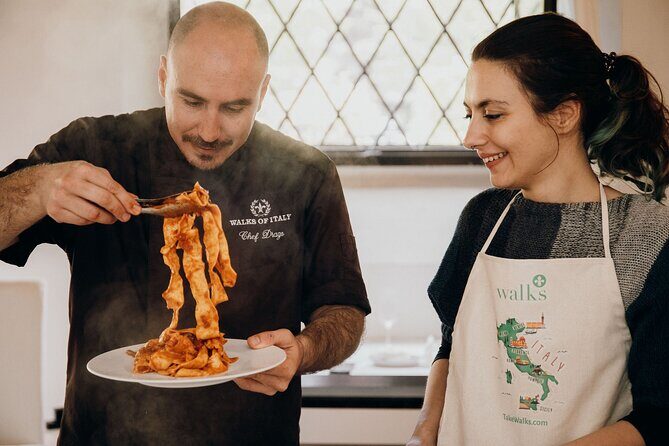
- The Main Event: Hand-Made Fettuccine and Ravioli With a Local Chef
- The difference between a cooking show and a cooking class
- Why the chef matters (even when you’re not a cook)
- Sauces, Timing, and Wine: Turning Skills Into Dinner
- What you can expect from the wine pairing
- Gelato Finish: Dessert That Actually Feels Like Italy
- What the 3-Hour Schedule Feels Like in Real Life
- Price and Value: Paying for Wine, Technique, and a Full Meal
- Who gets the best value
- Dietary Needs: Great Fit for Many People, Not for Celiacs
- Bonus Option: If You’d Rather Make Pizza
- Practical Tips So You Get the Best Night
- Should You Book It?
- FAQ
- How long is the Rome cooking class?
- What does the class include?
- Is the class offered in English?
- Can dietary restrictions be accommodated?
- Where do we meet in Trastevere?
- Is there a hotel pickup or drop-off?
- What’s the group size?
Key Highlights You’ll Actually Use
- Small-group cap (max 14) means you’re not lost in a crowd during shaping and rolling.
- Aperitivo + prosecco at the start sets the mood before you start working with dough.
- Two pasta types and two sauces give you more than one way to recreate an Italian-style meal at home.
- Bottomless wine during the meal turns the class dinner into a proper Roman evening.
- Gelato as the sweet finish is included, so you’re not scrambling for dessert after.
- Pizza-making option is available at booking if you’d rather go that route.
Entering Trastevere: Aperitivo Energy Before the Dough
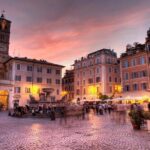
Your class starts in Rome’s Trastevere area at Piazza di San Giovanni della Malva (00153 Roma). Expect a straightforward meeting point in a lively neighborhood where you can either enjoy the start-of-night vibe right away or walk off your nerves with a quick look around.
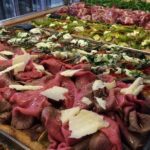
What makes this kickoff smart is that it doesn’t treat food like a classroom project only. You begin with aperitivo nibbles plus prosecco. Those first bites (meats and cheese, bruschetta-style fare) matter because they help you settle in. They also make it easier to mingle with your group before anyone starts rolling pasta sheets.
And yes, this is designed for conversation. Many classes in Rome struggle between teaching and partying. Here, the schedule flows so the early drinks and snacks don’t feel like a distraction. You’re tasting Italian flavors while you’re learning how Italians build a meal from scratch.
Tip: wear shoes you’re comfortable in. You’ll walk to the meeting point, and you’ll likely keep moving before and after the 3-hour session.
You can also read our reviews of more cooking classes in Rome
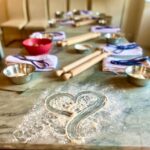
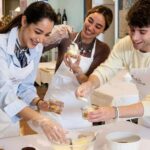
The Main Event: Hand-Made Fettuccine and Ravioli With a Local Chef
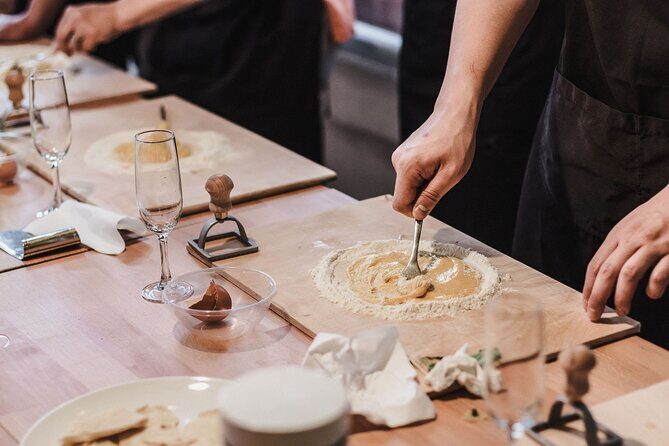
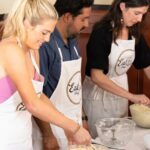
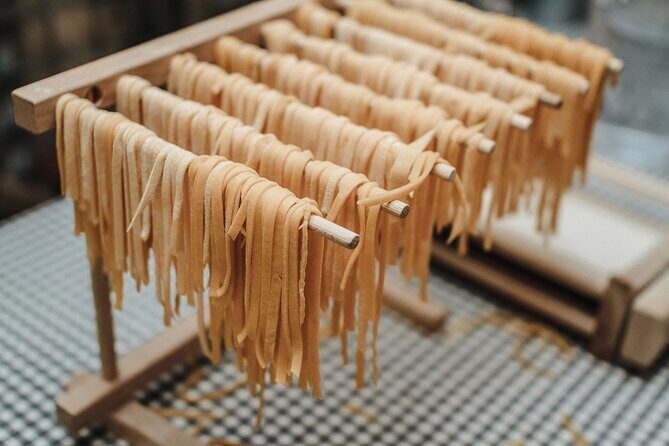
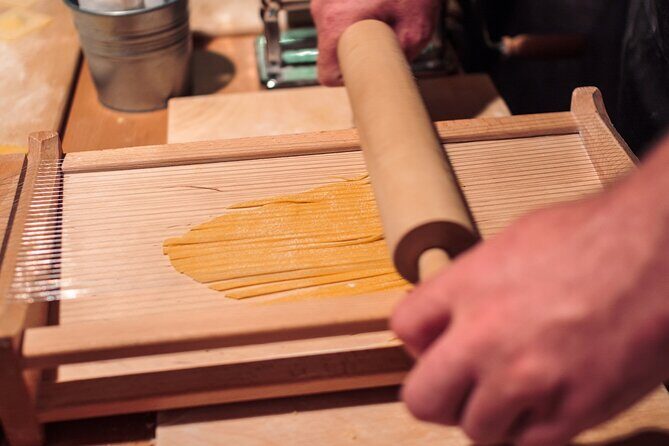
This is a truly hands-on cooking class. The chef doesn’t just explain; you’ll be making pasta with real direction, with fundamentals that focus on texture, thickness, and how to handle dough without turning it into a sticky mess.
The two pasta styles taught are classic and beginner-friendly in different ways:
- Fettuccine, where rolling and cutting matter most.
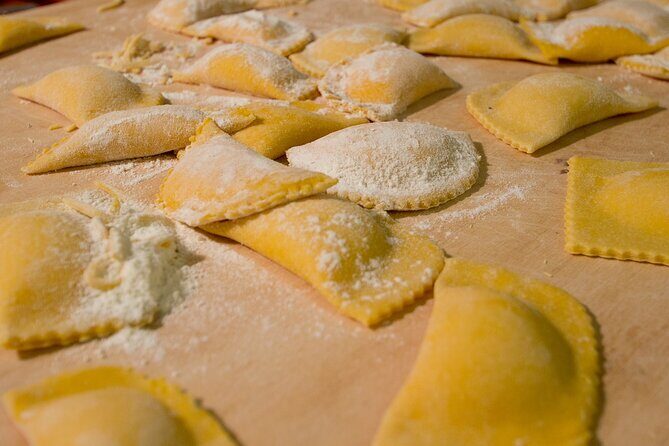
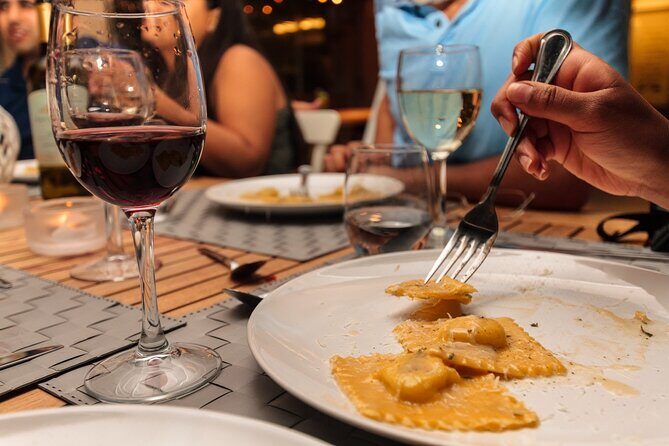
- Ravioli, where sealing and filling technique becomes the skill.
The class covers two traditional sauces—white and red—so you’re not stuck with one-note flavor. And because the kitchen is a modern setup with a reserved dining area for your small group, you don’t spend the night fighting for space or waiting around while others finish.
The difference between a cooking show and a cooking class
If you’ve ever watched pasta videos online and thought, That looks easy until I try it, you’ll appreciate this format. The chef teaches you the steps so you can actually repeat them later. You learn what to look for while dough is drying and settling, which is the part that most home cooks skip.
Even better: the small group size (maximum 14 people) means the chef can correct issues in real time. I like that because pasta is one of those foods where small mistakes add up. Too thick? It eats like chewy rubber. Too thin? It gets delicate fast.
Why the chef matters (even when you’re not a cook)
The experience can be taught by different chefs, and the best part is that their teaching style shows up in the room. You may meet instructors such as Luca, Jamila, Stefano, Gianmaria, Alessandro, Elisa, Julia, or Asia. In all cases, the common thread is clear: they explain techniques in a way that gets you to a good result, not just a complicated lesson you forget on the flight home.
Sauces, Timing, and Wine: Turning Skills Into Dinner
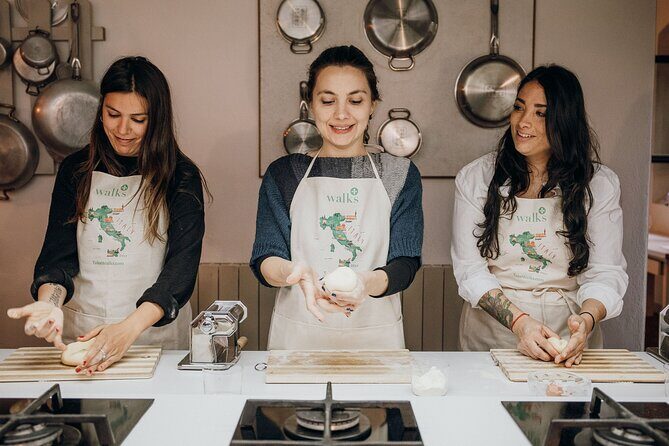
Once the pasta work is underway, the class keeps moving toward the part you actually care about: sitting down and eating what you made.
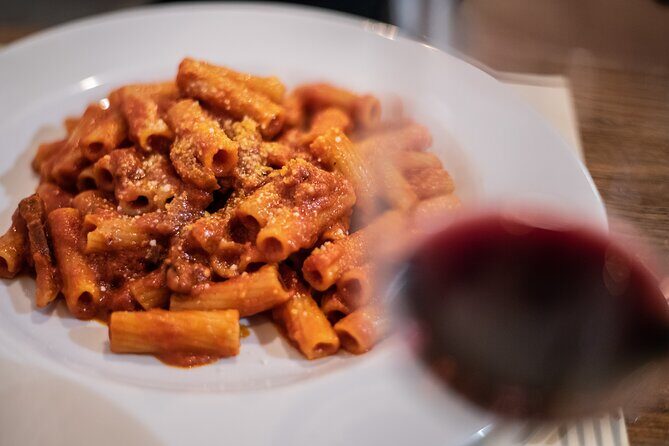
The menu is designed around two pasta dishes with red and white sauces. The exact sauce details can change seasonally, but the structure stays the same: you’ll see how Italians build sauce character to match the pasta shape.
Then comes the meal rhythm:
- You drink wine with your pasta.
- The class uses a “keep it simple, keep it flowing” approach, including bottomless wine during the meal.
This is where the value really shows. Many cooking classes in big cities give you a small taste and call it dinner. Here, the class is built like you’re having a full Roman night out, just with education baked into it.
You can also read our reviews of more wine tours in Rome


What you can expect from the wine pairing
You’re not being asked to do wine homework. Instead, you get a pairing that fits a classic pasta meal style. That matters because pasta sauces are the backbone of the pairing: tomato-based red sauces typically handle sharper reds, while creamy or gentler flavors work better with lighter whites.
If you’re the type who likes to order wine by “what will go with the food,” this part trains your instincts without turning it into a lecture.
Gelato Finish: Dessert That Actually Feels Like Italy
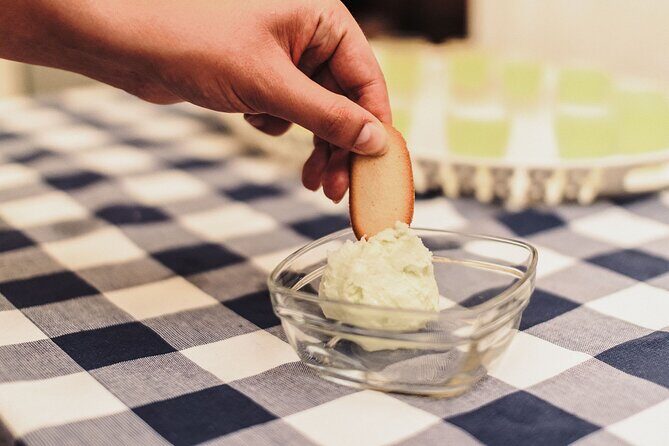
Most cooking classes end once the hot food is served. This one keeps you in the action by preparing dessert: homemade gelato.
It’s not an add-on you have to hunt for nearby afterward. You get the gelato as part of the class experience, which makes the whole evening feel complete—learning, cooking, eating, then finishing sweet.
And because gelato is the included dessert, it balances the meal. You’re making pasta, drinking wine, and then switching to something lighter and colder. That helps you avoid the post-meal slump and makes the night feel like a proper course-style dining experience.
What the 3-Hour Schedule Feels Like in Real Life
The class runs about 3 hours. That’s a sweet spot. Long enough for real technique (especially for ravioli), short enough that you can still keep moving after.
When the class ends, you’re back at the meeting point. At that point, you can either:
- stay in the space with your new pasta buddies, or
- step back out into Trastevere and explore the streets on your own.
This flexibility is practical. If you’re tired, you can linger. If you want a full evening, Trastevere gives you plenty of options.
Price and Value: Paying for Wine, Technique, and a Full Meal
At $65.30 per person, you’re paying for more than a cooking lesson. You’re paying for:
- a local expert chef
- all ingredients
- instruction for two pasta types
- two sauce styles (red and white)
- prosecco, wine, and aperitivo
- gelato to finish
The reason this feels like good value is that the cost isn’t just labor. The meal components are the budget-killers in Italy—wine, appetizers, dessert. If you tried to recreate this evening by yourself, you’d likely spend a similar amount just on a dinner plus drinks, and you wouldn’t get the hands-on teaching.
So I see this class as an experience with real food included, not a token “taste” activity.
Who gets the best value
You’ll feel the value most if you:
- want to take something home you can actually cook again
- like wine and good pacing
- prefer small groups rather than big bus-style activities
If you only want a quick snack or you’re strictly avoiding alcohol, the pricing might feel heavier than it does for most people.
Dietary Needs: Great Fit for Many People, Not for Celiacs
The class is described as adaptable to all dietary needs with the exception of celiacs. If you have a gluten-related restriction, plan ahead and contact the operator before joining so the team can arrange your food.
Also keep this in mind: pasta making is hands-on, and kitchen handling can matter. So if you need strict gluten-free preparation, you should treat this as a “confirmed with the provider” situation, not a “probably okay” situation.
Bonus Option: If You’d Rather Make Pizza
If you prefer pizza over pasta, you can choose a pizza making class option at booking. You’ll prepare pizza from scratch, and that version includes unlimited wine and beer, plus a Nutella-topped dessert.
That’s a nice backup if pasta feels like too much for your schedule or if your group loves pizza more than technique-heavy pasta shaping.
Practical Tips So You Get the Best Night
Here are a few things that will help you enjoy it without stress:
- Come hungry. This is a class with real food: appetizers, pasta, wine, and gelato.
- Plan to drink, if that’s your thing. The prosecco starts you off and the wine is part of the meal. Pace yourself if you want to explore afterward.
- Bring an open mind for dough mistakes. Ravioli is the learning curve. The goal is to get it right with guidance, not to start perfect.
- If you’re a solo traveler, the small group format is often a win because conversation happens naturally while everyone cooks.
And if you like instructors with character and energy, this class tends to deliver. Chefs like Manuella, Luca, Julia, Stefano, and Asia are the kind of teachers who keep things friendly and focused while still explaining the steps clearly.
Should You Book It?
You should book this Rome pasta class if you want:
- a hands-on activity that ends with a full meal you helped create
- a small-group setting (max 14) where the chef can correct your technique
- an evening that mixes cooking with the social rhythm of an Italian aperitivo-to-dinner night
I’d skip it or think twice if:
- you need a celiac-safe option and can’t confirm accommodations
- you hate alcohol or don’t want drinks included
- you want something faster than 3 hours
If you’re building a Rome itinerary and you want one evening that feels both authentic and practical, this is a strong choice.
FAQ
How long is the Rome cooking class?
It lasts about 3 hours.
What does the class include?
You get a local chef, prosecco and wine, aperitivo appetizers, ingredients to make the meal, two homemade pastas with two sauces, and homemade gelato.
Is the class offered in English?
Yes, it’s offered in English.
Can dietary restrictions be accommodated?
The tour is adaptable to all dietary needs except celiacs. If you have restrictions, you need to contact in advance so food can be arranged.
Where do we meet in Trastevere?
The meeting point is Piazza di San Giovanni della Malva (P.za di S. Giovanni della Malva, 00153 Roma RM, Italy), and it ends back at the meeting point.
Is there a hotel pickup or drop-off?
No, hotel pickup/drop-off isn’t included.
What’s the group size?
The experience has a maximum of 14 travelers.