REVIEW · COOKING CLASSES
Rome Cooking Class: Handmade Tonnarelli Pasta & Tiramisu
Book on GetYourGuide →Operated by Food Raphael Tours and Events · Bookable on GetYourGuide
Fresh pasta classes usually sound fun. This one teaches real technique.
You start at Osteria San Giorgio and spend 2.5 hours working at your own pace with a friendly English-speaking instructor. I like that the focus is practical: you make handmade tonnarelli from scratch, then finish with a proper tiramisu. One possible drawback to plan around: the setup keeps you out of the actual cooking-and-seasoning kitchen for safety.
Two things I especially like: first, the guides get consistently praised for making beginners comfortable, including hosts like Kristian and Jamila for patience and humor. Second, you don’t just watch or snack on someone else’s food—you leave with the steps and recipes to recreate what you made at home, not some vague idea of pasta magic. Also, this class is not designed for everyone: it’s not suitable for vegans, and it’s not gluten-free or lactose-free.
In This Review
- Key highlights you’ll feel fast
- A pasta class that feels like Rome, not a show
- Finding Osteria San Giorgio: easy meet-up, low stress
- From flour to dough: learning tonnarelli the Roman way
- A safety detail you should plan for
- How cacio e pepe fits in (and why timing matters)
- Tiramisu time: coffee, cream, and getting the layers right
- Eating together at the osteria: why the end matters
- What you actually take home: skills, not just recipes
- Price and value: why $64 can make sense
- Who should book, and who should skip it
- Should you book this Rome tonnarelli and tiramisù class?
- FAQ
- Where is the meeting point?
- How long is the cooking class?
- What’s included with the class price?
- Will I go into the actual kitchen?
- Is it suitable for vegans or for gluten-free or lactose-free diets?
- What language is the instructor, and is it wheelchair accessible?
- Can I cancel, and is there a pay-later option?
Key highlights you’ll feel fast
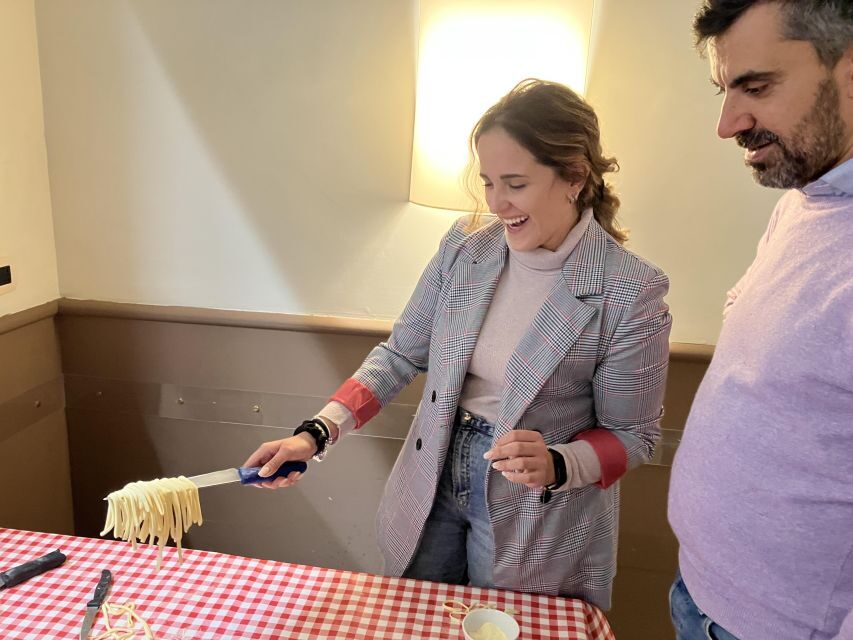
- Roman handmade tonnarelli: roll, cut, and learn the texture that matters.
- Tiramisu built step-by-step: whipped cream and coffee soaking, done the right way.
- Osteria wine-bar setting: you cook, then eat your work in the restaurant atmosphere.
- English instruction with patient hosts: names like Kristian, Jamila, Shula, and Elisabetta come up often.
- Small-group energy: some sessions run very small, even close to 1–2–1.
- Wine with your meal: included as you sit down to eat together.
A pasta class that feels like Rome, not a show
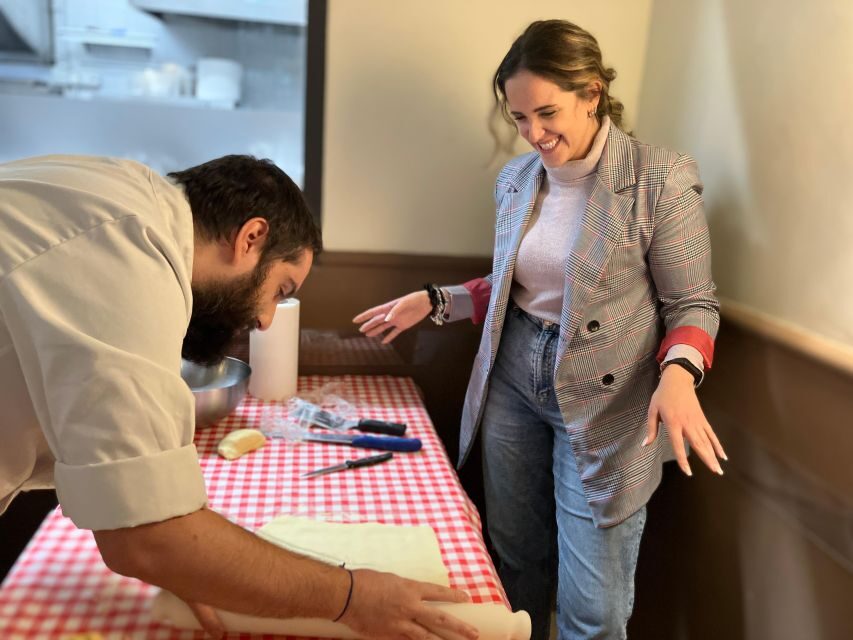
Rome has a special kind of food confidence. You can feel it in how locals talk about sauce, timing, and texture. This cooking class puts you in the middle of that. You’re not chasing trendy “food content.” You’re learning how Romans actually build flavor: simple ingredients, good technique, and attention to small details.
The menu is also a smart pairing. Tonnarelli gives you a working knowledge of fresh pasta dough and shaping. Tiramisu then flips the skill set to dessert: whipping, layering, and getting the coffee soak right so it’s creamy, not soggy.
You’ll also notice one quiet plus: the experience is anchored in a real osteria (a wine bar/restaurant), not a sterile classroom. That matters because your last hour isn’t awkward. You sit down, eat, and keep chatting with your group while the meal is still connected to what you made.
You can also read our reviews of more cooking classes in Rome
Finding Osteria San Giorgio: easy meet-up, low stress

The meeting point is simple: meet in front of Osteria San Giorgio. No hotel pickup, so plan to arrive on your own using your usual Rome navigation method. The good news is that the class is designed to start smoothly. Once you’re there, it moves at a human pace for a group cooking setting.
In practice, this matters because in Rome, time can get weird. Trains, buses, and slow sidewalks all stack up. If you show up a few minutes early, you’ll feel more relaxed as the instructor explains how the session flows and what you’ll be making.
One more practical note: the class runs in English, so you won’t lose the plot to translation issues while you’re learning dough consistency and dessert texture.
From flour to dough: learning tonnarelli the Roman way

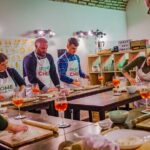
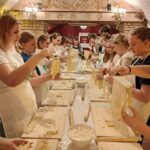
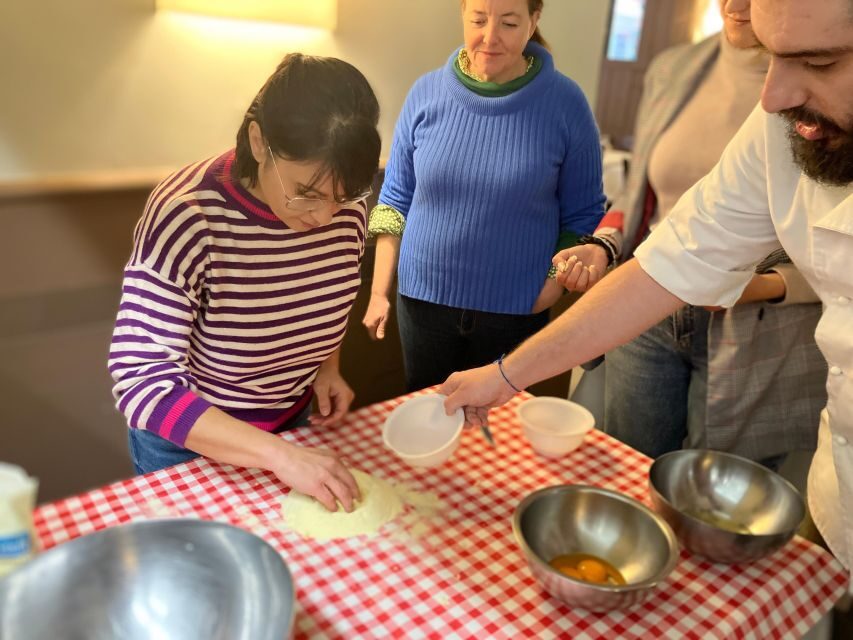
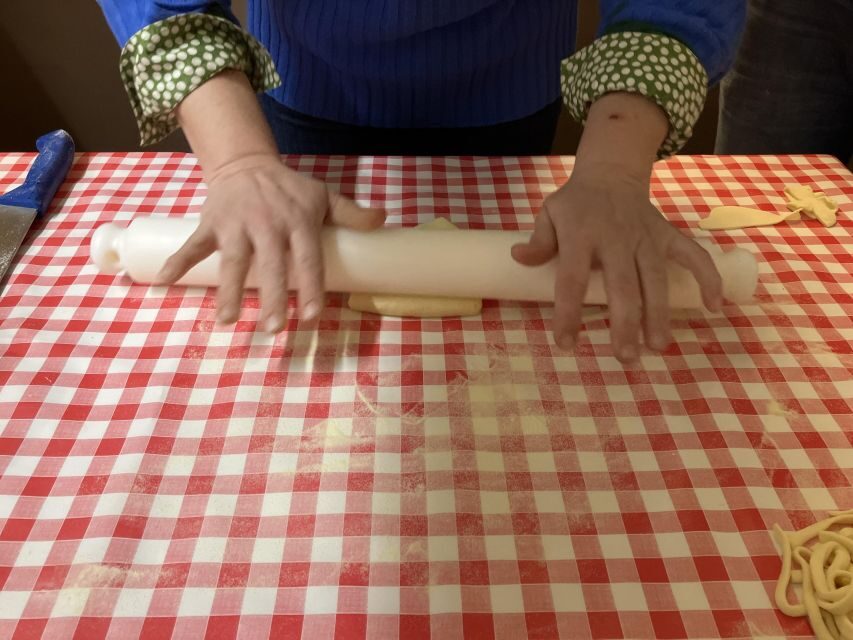
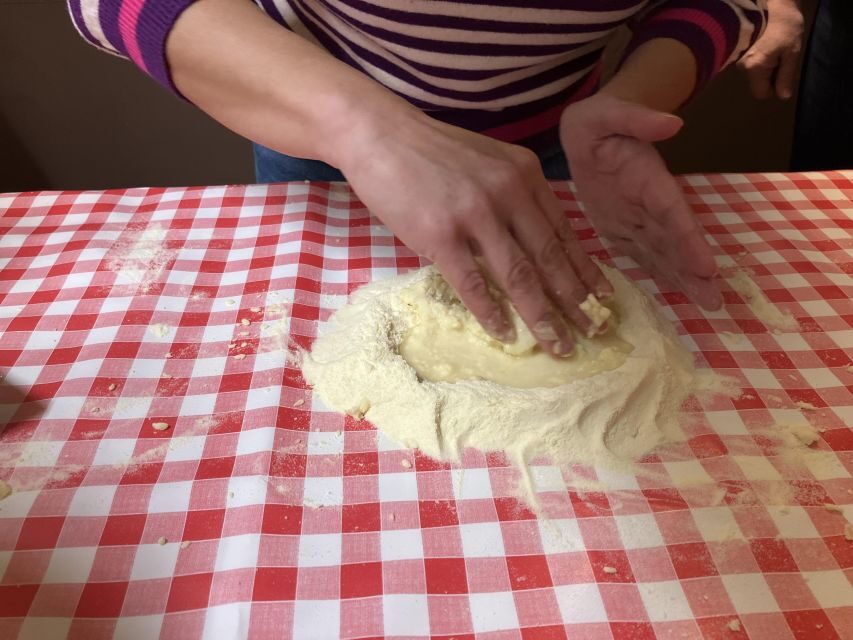
The heart of the class is handmade tonnarelli, the classic Roman-style pasta shape you can actually form yourself. You start with the basic dough and then move into rolling it out and cutting it into the right shape. That process teaches you how fresh pasta behaves: it changes as you work it, and it rewards attention.
Expect a hands-on rhythm:
- mix and work the dough
- roll it out
- cut and shape your tonnarelli
The class doesn’t treat you like a home cook with no idea what a pasta dough should feel like. Many past participants highlight how instructors make even extreme beginners comfortable. Guides named Kristian and Luca get called out for being patient, funny, and clear about what to do next, and host Jamila is mentioned for organized guidance that keeps people on track.
Also, you get coached on what to watch for. With fresh pasta, small differences show up fast. If you’ve ever tried pasta at home and wondered why it turned out tough or sticky, this kind of in-person feedback is the difference between guessing and knowing.
A safety detail you should plan for
For safety reasons, you won’t enter the actual kitchen where pasta will be cooked and seasoned. In other words, you’re shaping and preparing your pasta, while the cooking/seasoning step happens without you crossing into that restricted area. It’s not a problem, just something to mentally file away so you don’t expect to run the stove yourself.
How cacio e pepe fits in (and why timing matters)
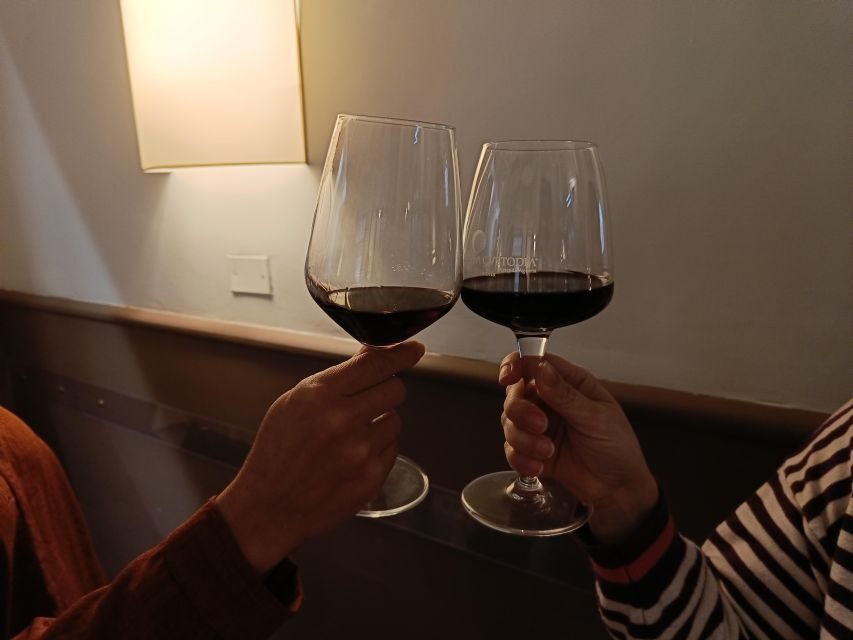
The class is about tonnarelli cacio e pepe, so you’re not just learning pasta for pasta’s sake. Cacio e pepe is the Roman lesson in restraint: a simple concept that depends on technique. Cheese and pepper can either turn silky and cohesive, or clump if timing and handling aren’t right.
Even if the sauce work is prepared for you, the class still helps you connect the dots between the pasta texture and the sauce outcome. Fresh tonnarelli behaves differently than dried pasta. It’s more delicate, and it needs to match the sauce rather than overwhelm it.
This is one reason the course format works well for most people. You get pasta skills you can repeat, and you also get enough guidance and context to understand what makes cacio e pepe work in real life. You can walk away not just with a recipe, but with a better instinct for texture and timing.
If you’re the type who likes to recreate restaurant food at home, this approach is much more satisfying than a class where you only assemble a plate without understanding the why.
You can also read our reviews of more tours and experiences in Rome

Tiramisu time: coffee, cream, and getting the layers right
After the pasta work, you switch gears to dessert: tiramisù. This is where the class proves it’s more than a flour-and-egg exercise. Tiramisu is deceptively technical. The difference between great and mediocre is how you build it.
You’ll be mixing, whipping, and assembling, then using a coffee component properly so the layers set into creamy harmony. Past participants regularly mention that the tiramisu part feels fun and that the results are genuinely good, with some people saying it became their go-to style at home afterward.
A couple of specific bits show up in the reviews:
- People mention they can now make tiramisu like a pro after the lesson.
- The instructor vibe matters: Elisabetta and Christian/Kristiano are praised for making the dessert part easy to follow and not stressful, even when you’re not a confident home cook.
If you worry about dessert skills, don’t. This class treats tiramisu like a process. You’re not expected to do it from memory. You learn the steps, the texture cues, and how to assemble for the right result.
Eating together at the osteria: why the end matters
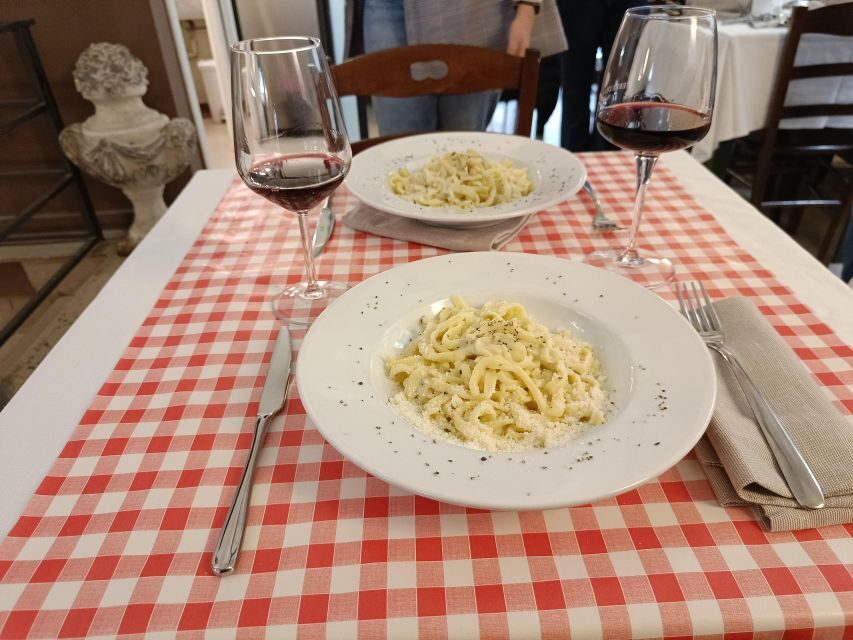
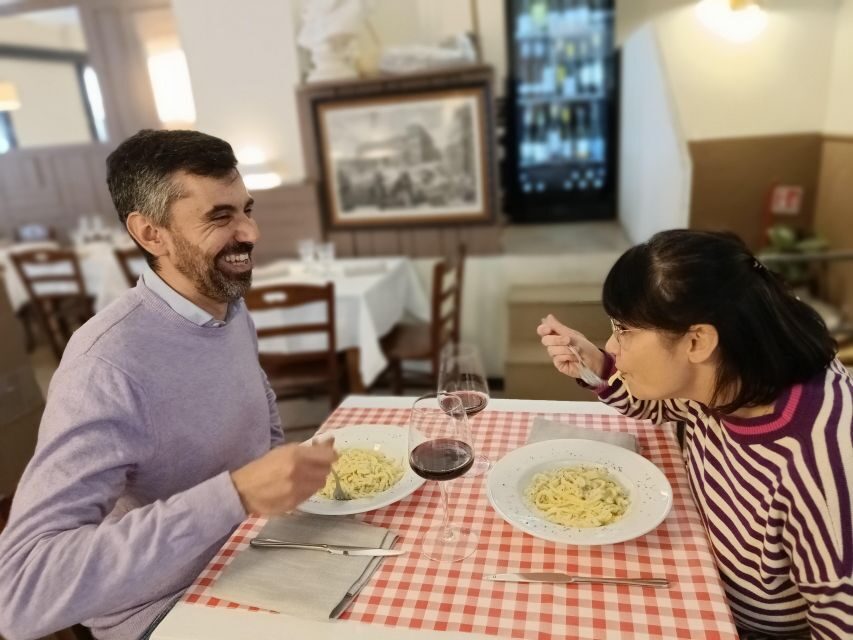
The meal is included, and you’ll eat what you made, with a simple sauce prepared for you and a glass of wine. That’s a big deal in terms of value.
Why? Because the class ends like a meal, not like a performance. You’re not walking away chewing quietly and wondering if you understood what you just did. You sit down, taste your pasta and dessert together, and you can ask questions while the experience is still fresh.
Also, Rome is social. Cooking classes are one of the best ways to get that without forcing conversation. Many reviews highlight the friendly group atmosphere and how instructors chat about Rome and Italy while you work. Hosts like Kristian and Luca are specifically mentioned for sharing stories and recommending other things to do in the city, which can be genuinely helpful if you’re planning your food stops.
And yes, the included wine adds up. It’s one less cost, and it naturally turns the last part into a relaxed hang, which makes the whole session feel worth your time.
What you actually take home: skills, not just recipes
The promise here is real: you take home recipes and the techniques to recreate the dishes. That’s what makes this kind of class a long-term win. A lot of “cooking experiences” end with you buying ingredients and still having to Google the hard parts.
From what you’re taught, the key repeatable skills are:
- how fresh pasta dough should feel as you work it
- how rolling and cutting affects the final result
- how to assemble tiramisu with the right texture and layering
The most consistent theme in the feedback is that people left feeling capable, not overwhelmed. Even when groups got small, the teaching stayed personal enough to help you correct issues while you’re still in the process.
If you plan to cook for friends after your trip, this is one of the better options in Rome. You’ll have a story to go with the food, and the food is the kind people actually request again.
Price and value: why $64 can make sense
At $64 per person for about 2.5 hours, this sits in a mid-range category for Rome food activities. The real value isn’t just the teaching. It’s the combination of:
- all ingredients and equipment included
- a full meal included
- a complimentary glass of wine included
- a guided, English-speaking instructor who helps you finish successfully
Think of it as paying for fewer unknowns. You’re not buying just ingredients. You’re buying coaching, corrections, and an outcome you can eat while it’s still warm and satisfying.
Could you buy pasta and tiramisu ingredients and do it cheaper at home? Sure. But most people don’t just want to save money. They want to learn the technique and leave with something they can confidently repeat. For that goal, this price often feels fair.
Who should book, and who should skip it
This is best for:
- people who want hands-on instruction with fresh pasta
- beginners who need patient, structured guidance
- food lovers who want an osteria meal experience, not a silent tasting
It’s not suitable for:
- vegans
- people with gluten intolerance
- people with lactose intolerance
- visually impaired people
- and if you’re expecting full kitchen access, remember you won’t enter the actual cooking/seasoning kitchen area for safety reasons
It’s also wheelchair accessible, which is a good sign for a Rome activity that often involves stairs and tight spaces.
If you’re traveling solo, you’ll likely still have a social table vibe. Some classes even end up very small when other participants cancel, which can make the teaching feel more direct.
Should you book this Rome tonnarelli and tiramisù class?
Book it if you want a practical Rome food skill in just 2.5 hours—something you can repeat at home without guessing. I’d also book it if you like instructors who keep the mood light and clear, since names like Kristian, Jamila, Shula, Luca, and Elisabetta come up again and again for being helpful and organized.
Skip it if you’re vegan, need gluten-free, or need lactose-free options, because those aren’t offered here. And if you rely on full visual access to every step, keep in mind it’s listed as not suitable for visually impaired participants.
If you’re on the fence, my advice is simple: if pasta and tiramisu are on your Rome list anyway, take the class early in your trip. You’ll enjoy restaurants more after you’ve felt what fresh dough and dessert assembly actually require.
FAQ
Where is the meeting point?
Meet in front of Osteria San Giorgio.
How long is the cooking class?
The duration is 2.5 hours.
What’s included with the class price?
The price includes the cooking class, instructor, all necessary ingredients and equipment, the meal, and a glass of wine.
Will I go into the actual kitchen?
No. For safety reasons, clients will not enter the actual kitchen where the pasta will be cooked and seasoned.
Is it suitable for vegans or for gluten-free or lactose-free diets?
No. It’s not suitable for vegans, people with gluten intolerance, or people with lactose intolerance. Vegan, gluten-free, and lactose-free options are not listed as available.
What language is the instructor, and is it wheelchair accessible?
The instruction is in English. The activity is wheelchair accessible.
Can I cancel, and is there a pay-later option?
Yes. Free cancellation is available up to 24 hours in advance for a full refund. There’s also a reserve now & pay later option.