REVIEW · COOKING CLASSES
Rome: Combo Pizza and Pasta Cooking Class with Wine
Book on GetYourGuide →Operated by Once in Rome Authentic Experiences · Bookable on GetYourGuide
Wine, dough, and a wood-fired oven: go. I like the Neapolitan pizza taught from scratch and the fact that unlimited wine flows while you eat what you just made. It’s a Roman garden setting, so the class feels like a real break from the usual Rome sprint between landmarks.
I also like that you’re not just watching. You knead, shape, top, and bake, then you move right into pasta dough and sauces with licensed chefs. The one thing to plan for is that the venue is off-center, and the metro return at the end may feel a bit awkward if you’re tired or traveling with kids.
If you end up with guides like Giuseppe or Alessandro (and people also talk about Eduardo), you’ll likely get clear technique and a good sense of humor, plus a practical recap you can use later at home. The class runs about 3 hours, so it’s best if you want a hands-on food day rather than a long sightseeing one.
In This Review
- Key highlights worth getting excited about
- Laurentina Metro to “Wood Houses”: how the timing and ride feel
- Pizza dough in a Roman garden: what you’re really learning
- Fresh pasta workshop: three doughs, real shapes, and pairing sauces
- Wine, tiramisù, and limoncello: how the meal lands
- The instructors: why the name matters more than you’d think
- What you take home: recap material and why it’s useful
- Price and value: is $64.06 worth it?
- Who should book, and who might prefer something else
- Quick practical details so you’re not caught off guard
- Should you book this Rome pizza and pasta cooking class?
- FAQ
- FAQ
- Where do I meet for the cooking class?
- How long is the experience?
- What food will I make and eat?
- Is wine included?
- Do they serve tiramisù and limoncello?
- Is hotel pickup included?
- What languages are the instructors?
- What are the age rules for joining?
- Is there a separate entrance?
Key highlights worth getting excited about
- Laurentina meetup + round-trip transport: you start at metro Laurentina and get a ride out to the countryside-like setting.
- Roman garden “Wood Houses” kitchen: open-air, relaxed, and a nice change of pace from central Rome.
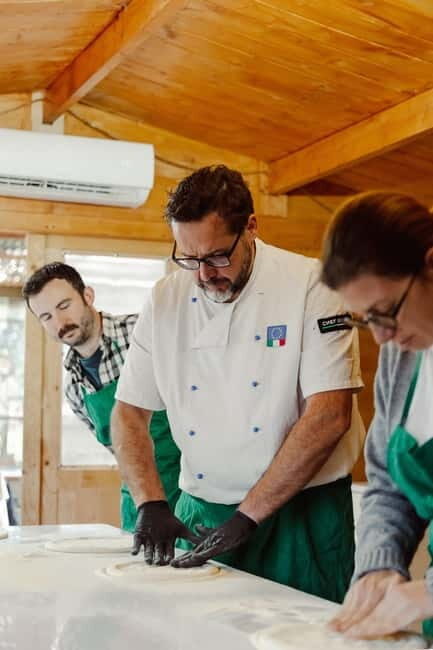
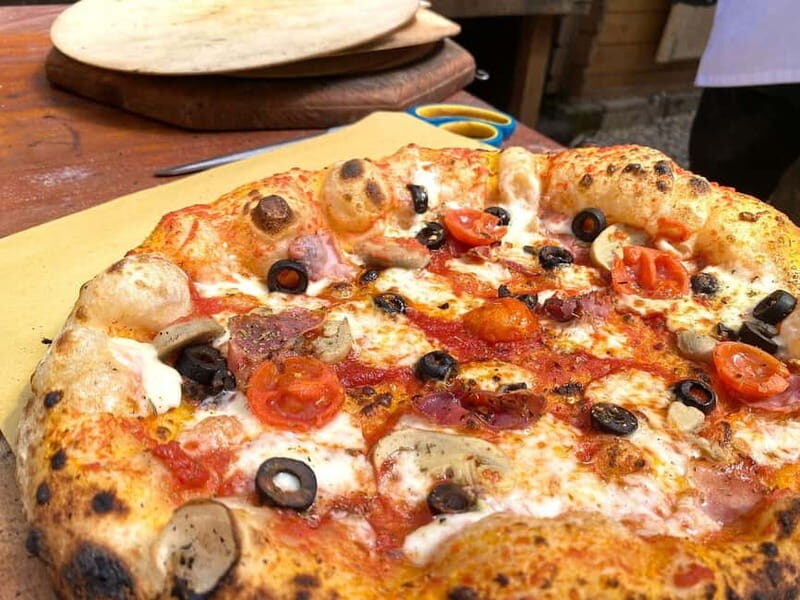
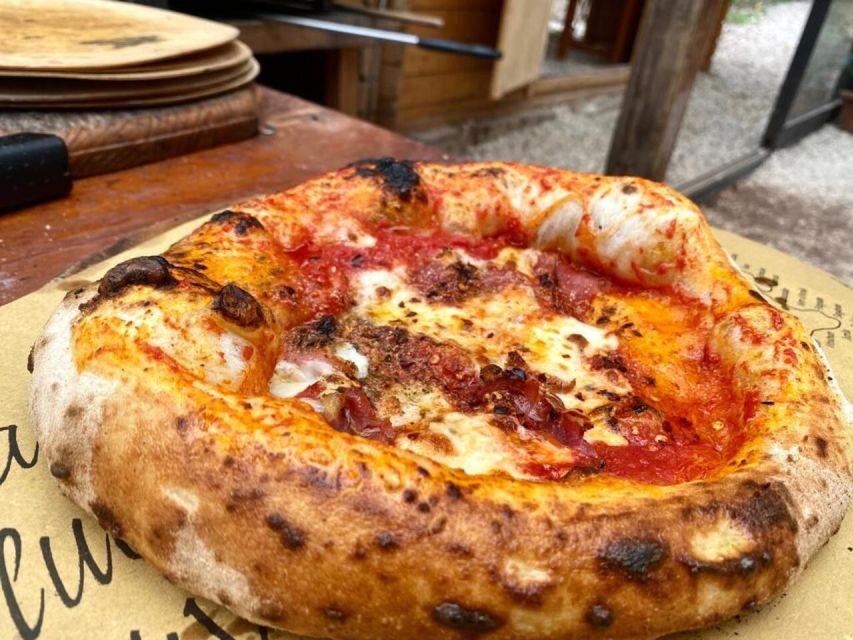
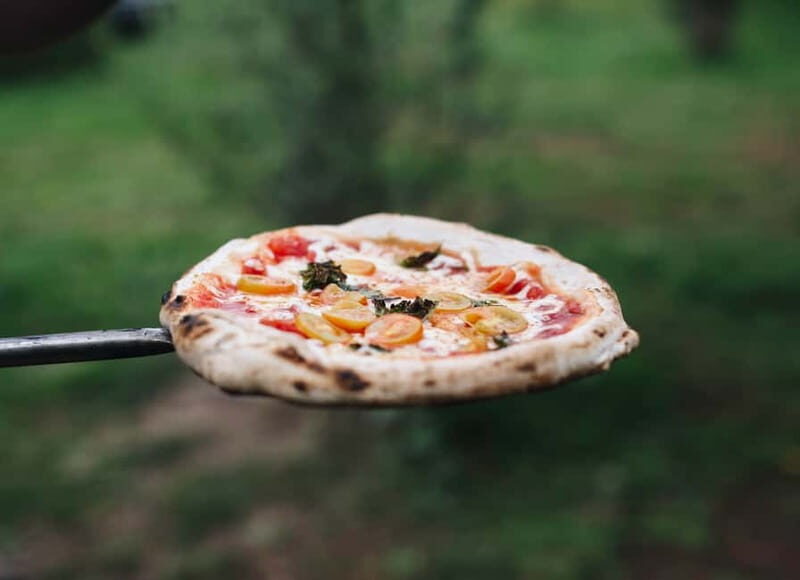
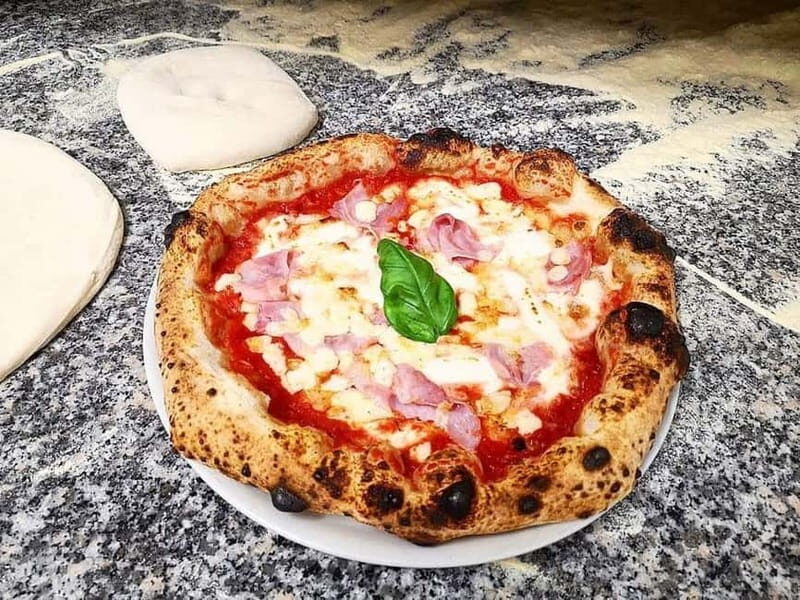
- Neapolitan pizza from dough to wood-fired oven: hand-kneaded dough, your toppings, then baking.
- Three dough types for fresh pasta: egg pasta, water-based dough, and pizza dough shapes like tagliatelle and fusilli.
- Unlimited local white and red wine: served during the meal, not as a tiny add-on.
- Tiramisu and limoncello finale: you make the food, then close with the classic sweet + digestivo.
Laurentina Metro to “Wood Houses”: how the timing and ride feel
Most Rome food classes keep you in the city. This one goes the other way. You meet your guide at metro Laurentina, then you transfer to the cooking venue called Wood Houses, described as an open-air countryside kitchen just outside the city center.
In practice, that means your 3-hour plan isn’t just “standing around an apron station.” You start with a quick ride, settle in, and get moving. One detail that pops up in feedback: it can be around a 15-minute minibus transfer, so give yourself a little buffer if you’re matching trains or buses.
A possible consideration: because you’re leaving the center, you’re also heading back to the same Laurentina meeting point after the meal. If you dislike public transport after a full, wine-soaked evening, plan your return with that in mind. And if you’re sensitive to cool air, remember this is an outdoor setting plus a vehicle ride—one person noted it can feel chilly depending on the season and the vehicle setup.
You can also read our reviews of more cooking classes in Rome
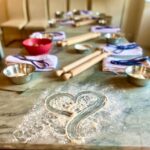

Pizza dough in a Roman garden: what you’re really learning
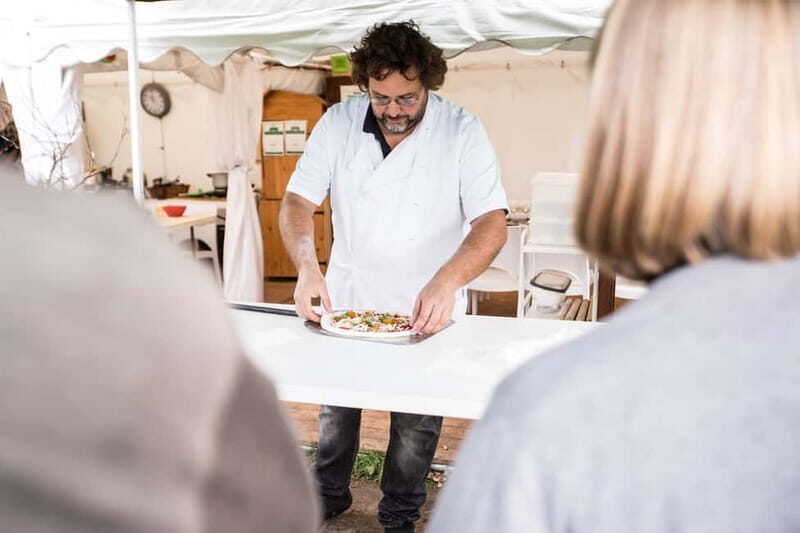
The pizza part isn’t “mix and wait.” It’s hands-on, and it’s built around real technique. You’re guided by a licensed chef—often described as a Mastro Pizzaiolo and Pasta Maker—who shows you how to handle the dough, then you do it yourself.
Here’s the workflow you should expect:
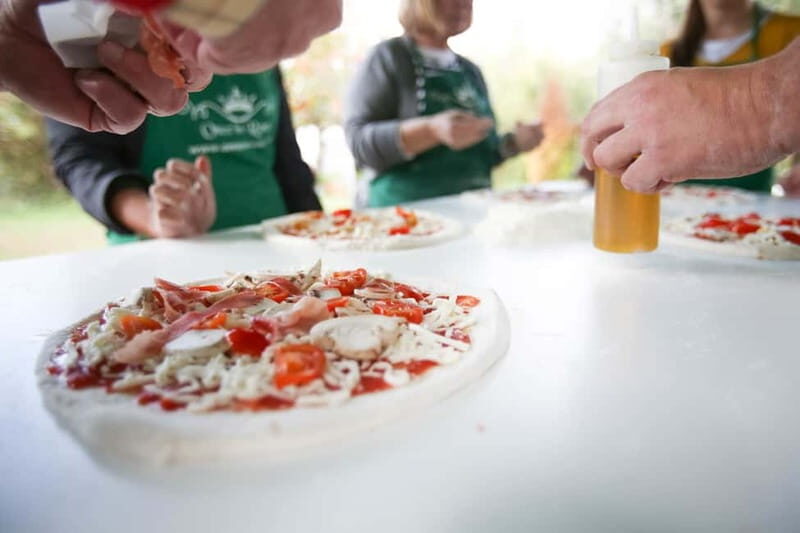
- You begin with pizza dough preparation from scratch, including hand kneading.
- You work the dough and learn how to shape it properly.
- Then you choose your toppings.
- After that comes the big moment: baking in a wood-fired oven, where your pizza comes out fresh and bubbly.
What I like about this format is that it teaches the “why” behind the steps, even if you only remember the basics. Rome is full of pizza rules. This class helps you understand the mechanics: dough texture, handling, and why wood-fired heat matters. You’re not just getting a meal. You’re building a mental model you can use when you try again later.
Dining outdoors also changes the mood. You’re in a garden, on an open-air patio, with everyone working and eating in the same space. That makes it feel more social and less like a classroom. It’s also family-friendly in spirit, and several people mention chefs being patient with kids.
Fresh pasta workshop: three doughs, real shapes, and pairing sauces
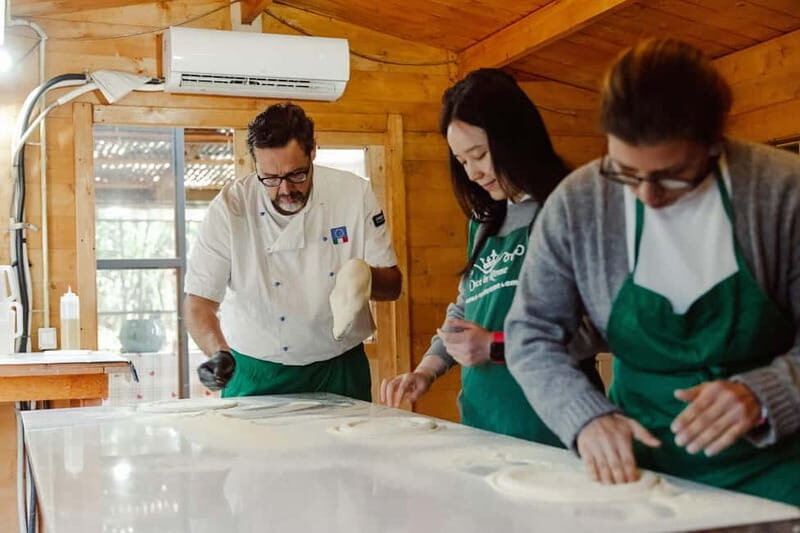
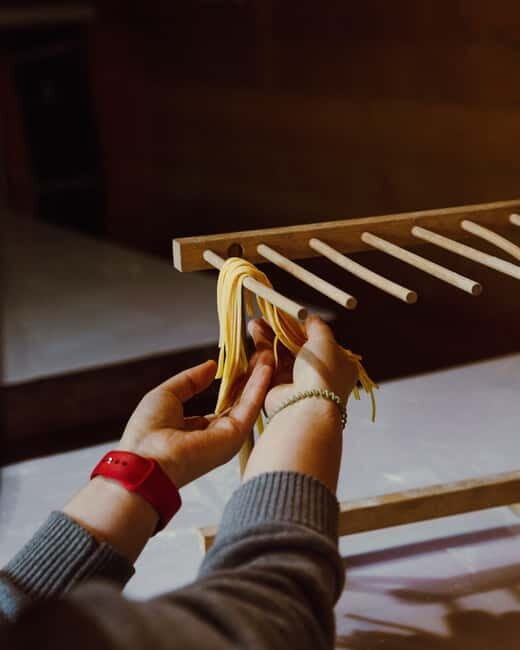
After pizza, the energy shifts from oven heat to flour work. You’ll learn to make three types of dough:
- Traditional egg pasta
- Water-based pasta
- Pizza dough (yes, you’ll reuse dough knowledge in a pasta context)
Then comes the shaping. You’re not limited to one cutout shape. You’ll shape formats like tagliatelle, fusilli, and farfalle—the kinds of shapes that help you understand how sauce clings and how dough behaves when worked.
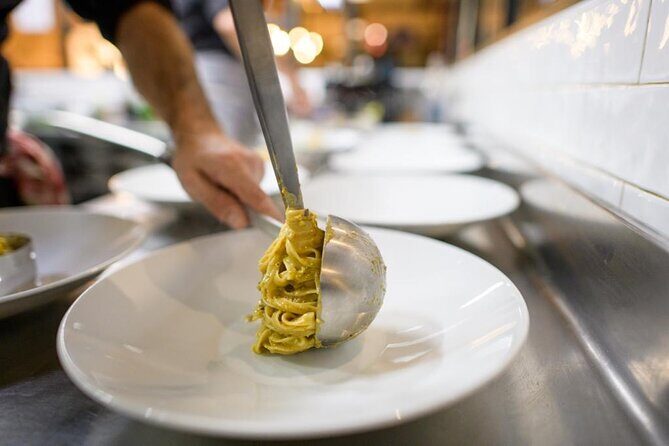
For cooking, the class includes two seasonal sauces that you pair with your handmade pasta. You’ll eat two pasta dishes made by you, so it’s not just a demonstration followed by separate restaurant-style food. You taste what you made, and that helps the lesson stick.
One nuance to note: a couple of details can vary by day and workflow. For example, some people say the pizza dough might be partly prepped in advance while still being taught and shown. That doesn’t ruin the value, but it’s good to know you’re likely practicing key steps rather than being responsible for every single stage from zero.
Wine, tiramisù, and limoncello: how the meal lands
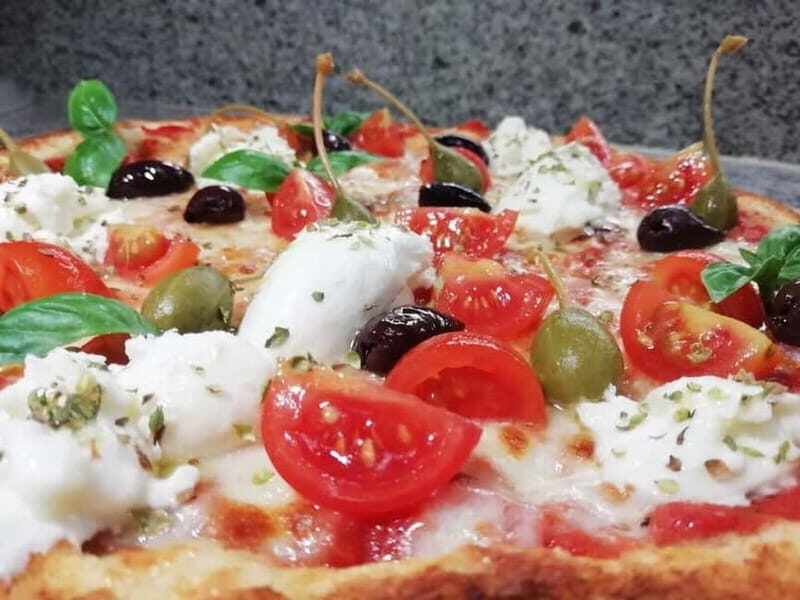
Let’s talk about the wine first. During the class and meal, you get free-flowing red and white Italian wines. The drinking age requirement is 18+, so if anyone in your party is under that, plan accordingly. The wine is part of the pacing of the meal: you’re drinking while you eat what you made, not just sipping at the beginning for ambiance.
For the finale, it’s classic and simple:
- Homemade tiramisù tasting, made fresh on-site
- Then a chilled limoncello shot, served as a digestivo
What I like here is the order. You finish the savory work, then you cool down with tiramisù, then you get the limoncello jolt. It feels like a real Italian closing rhythm.
Now, a fair consideration. One comment notes the tiramisù tasting portion can feel small and sometimes comes in a more packaged form than expected. That’s not a dealbreaker if you’re coming for the cooking lesson. But if dessert size is a major factor for you, it’s worth keeping your expectations realistic.
The instructors: why the name matters more than you’d think
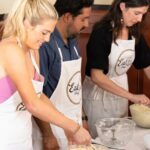
This class is built around chefs who teach by doing, not by lecturing. People specifically mention hosts and instructors like Giuseppe, Eduardo, and Alessandro—and the common thread is patience and clarity while guiding dough work, shaping, and baking.
That matters because pizza and pasta are one of those skills where small changes make big differences. Hand kneading, shaping tension, and oven timing are not things you can guess from a recipe card. In a good class, the instructor corrects what you’re doing before it goes too far.
If you end up with a host in that Giuseppe–Alessandro–Eduardo style, you’ll likely get practical tips and a relaxed vibe. That also helps if you’re cooking for the first time or you’re traveling with a mix of ages.
One practical tip that came up in feedback: it’s outdoor time. If you’re visiting when insects are around, consider bug spray. It’s a small thing, but it can save your evening.
You can also read our reviews of more wine tours in Rome



What you take home: recap material and why it’s useful
You’ll receive a recap document summarizing the techniques you learned. That’s valuable in two ways.
First, you’ll likely forget half the dough details by the time you’re back in your hotel. A written recap makes it easier to recreate the steps later.
Second, it helps you improve. Even if the first pizza you bake at home isn’t perfect, you’ll know what to tweak next time: dough handling, shaping, and baking approach.
A balanced note from the experience format: the end pizza and pasta can be very good, but it may not taste like a top-tier restaurant if you’re comparing it to your best meal in Italy. The point here isn’t perfection on the plate. It’s learning the technique well enough that your next pizza night gets closer to Italian results.
Price and value: is $64.06 worth it?
At $64.06 per person for a 3-hour class, the value depends on what you want from Rome.
If you’re after a cooking class plus wine plus dessert plus transportation, the bundle makes sense. You get:
- hands-on instruction for both Neapolitan pizza and fresh pasta
- you eat the food you helped make (pizza and pasta)
- unlimited wine during the class
- tiramisù and limoncello
- round-trip transport from central Rome, with some exceptions
- multilingual support (English and Italian)
Compare that to doing just one activity: a separate wine tasting, then paying for a full workshop, then paying for a separate transfer out of the center. This package compresses the hassle into one booking.
It’s also a solid choice if your schedule is tight. Three hours is long enough to learn, cook, and eat, but short enough that you don’t lose an entire day to logistics.
Who should book, and who might prefer something else
This Rome pizza and pasta class fits best if you:
- want hands-on cooking instruction rather than a tasting-only tour
- enjoy food-focused experiences and don’t mind being outside the city center
- like the idea of cooking, eating, and socializing in the same block of time
- need something that can work for adults and kids, since it’s described as family-friendly and chefs handle young guests with patience
You might skip it if you:
- hate public transport or dislike returning by metro Laurentina after the experience
- are not comfortable with wine being part of the plan (minimum drinking age is 18)
- want a pure sightseeing day—this is a workshop first, landmarks second
If dietary needs matter, you should feel okay asking in advance. One person specifically mentions the team supported a vegan request.
Quick practical details so you’re not caught off guard
- Languages offered: English and Italian
- Minimum age to take part: 3 years old
- Drinking age: 18+
- Infants up to 2 can go for free, but they must be booked for the transportation count and sit on the parents’ legs
- Hotel pickup/drop-off isn’t included; you meet at metro Laurentina
- The activity ends back at the meeting point
Those last points are the difference between a smooth evening and a stressful one. Know where you start, and understand that you’re using transit rather than getting dropped at your hotel door.
Should you book this Rome pizza and pasta cooking class?
I think it’s a great booking if your idea of a good day in Rome is learning something you can actually repeat. You’re coming for dough, technique, wood-fired baking, and fresh pasta shaping—plus a meal with wine, tiramisù, and limoncello.
If you’re the type who likes food over photos, you’ll leave happy and full. If you hate off-center logistics or you don’t want any wine in your itinerary, look at other options. But for most people planning a short stay and wanting one memorable, hands-on experience, this one is a strong pick.
FAQ
FAQ
Where do I meet for the cooking class?
Meet your guide at metro stop Laurentina. Staff with a cooking class sign will be at the exit. The activity ends back at the meeting point.
How long is the experience?
The class runs for 3 hours. Starting times vary, so you’ll need to check availability.
What food will I make and eat?
You’ll make Neapolitan pizza from dough to wood-fired oven, and you’ll also learn fresh pasta with multiple dough types and shapes. You’ll taste two pasta dishes made by you.
Is wine included?
Yes. There are free-flowing red and white Italian wines served during the class. The minimum drinking age is 18.
Do they serve tiramisù and limoncello?
Yes. You’ll have a homemade tiramisù tasting on-site and a chilled shot of limoncello to finish.
Is hotel pickup included?
No. Hotel pickup and drop-off aren’t included. Round-trip transport from central Rome is included, with some exceptions.
What languages are the instructors?
Instructors are available in English and Italian.
What are the age rules for joining?
The minimum age to take part is 3 years old. Infants up to 2 can go for free if they’re booked for the transportation count and sit on the parents’ legs.
Is there a separate entrance?
Yes. The class includes a skip-the-line benefit through a separate entrance.