REVIEW · CITY TOURS
Rome: City Highlights Walking Tour
Book on GetYourGuide →Operated by Crown Tours · Bookable on GetYourGuide
Rome at night feels personal. This Rome city highlights walking tour strings together the biggest landmarks with a late-evening mood, so you’re not just ticking boxes—you’re seeing why places like the Pantheon matter. I especially like how the route balances famous sights (Trevi, Piazza Navona) with street-level moments along Via del Corso, and guides such as Sandra and Serena are praised for keeping the story clear and human.
I also like that the tour packs a lot into a short time without feeling like a sprint. You get the imposing Pantheon setting, the Trevi Fountain photo stop, and the feeling of standing in the middle of Rome’s piazza life at night—then it naturally hands you off to Campo de’ Fiori. One consideration: it’s a walk with no hotel pickup, and the meeting point near the Colosseum is exacting. Late arrivals can’t be guaranteed entry, so build in extra time and plan to be on-site early.
If you’re traveling with very young kids or you dislike dense talking stops, think about pacing. One review note flagged that the information can be a lot to absorb in just 2 hours, so it’s best if you’re okay slowing your brain down for stories and details as you go.
In This Review
- Key highlights you’ll care about
- How the night walk flows from the Colosseum area
- Meeting at the Colosseum Metro Terrace and finding Crown Tours
- Pantheon at night: Piazza della Rotonda’s after-dark feel
- Trevi Fountain: the world-famous photo stop
- Via del Corso: window-shopping while the city talks
- Piazza Navona and Bernini’s Four Rivers Fountain
- Campo de’ Fiori: where the tour naturally hands you the night
- Who the guide is matters, and the reviews show a pattern
- Price and value: what $56.94 buys you
- Timing, pace, and comfort for a 2-hour walk
- Should you book this Rome City Highlights walking tour?
- FAQ
- How long is the Rome City Highlights Walking Tour?
- What is included in the tour price?
- Is hotel pickup or drop-off included?
- Where do I meet the guide?
- What languages are offered for the live guide?
- Is free cancellation available?
Key highlights you’ll care about
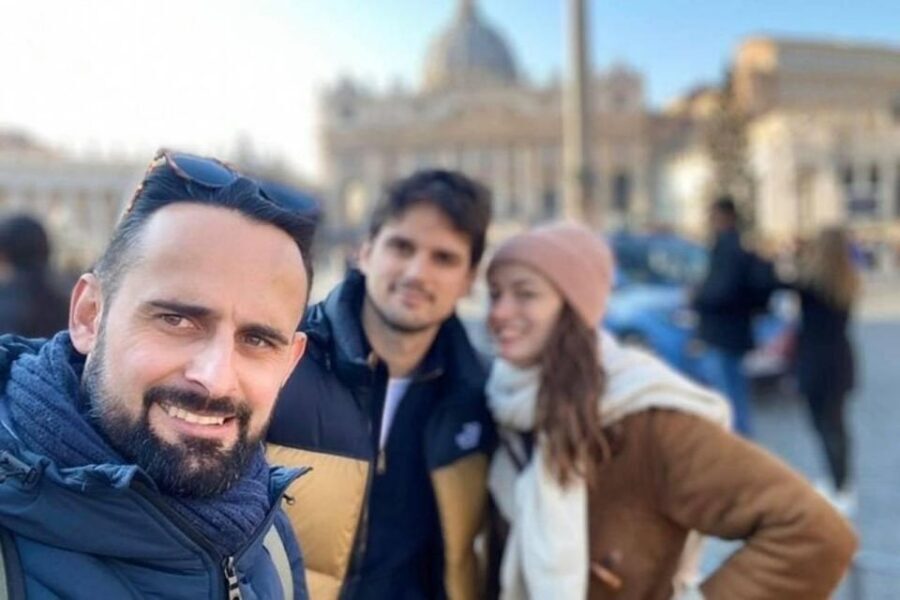
- Moonlit landmark stops: Iconic sights are visited after dark for a different feel than daytime crowds.
- A compact 2-hour loop: You see Pantheon, Trevi, Piazza Navona, plus Via del Corso and Piazza della Rotonda without a half-day commitment.
- Via del Corso shopping street vibes: You walk past major fashion flagships like Valentino, Fendi, and Armani.
- Piazza Navona’s Bernini focus: You’ll stand at the Fountain of the Four Rivers and hear how it connects to Bernini’s St. Peter’s plans.
- Campo de’ Fiori handoff: The tour ends near Rome’s nightlife and food hub, so you’re not left wandering for your next move.
How the night walk flows from the Colosseum area
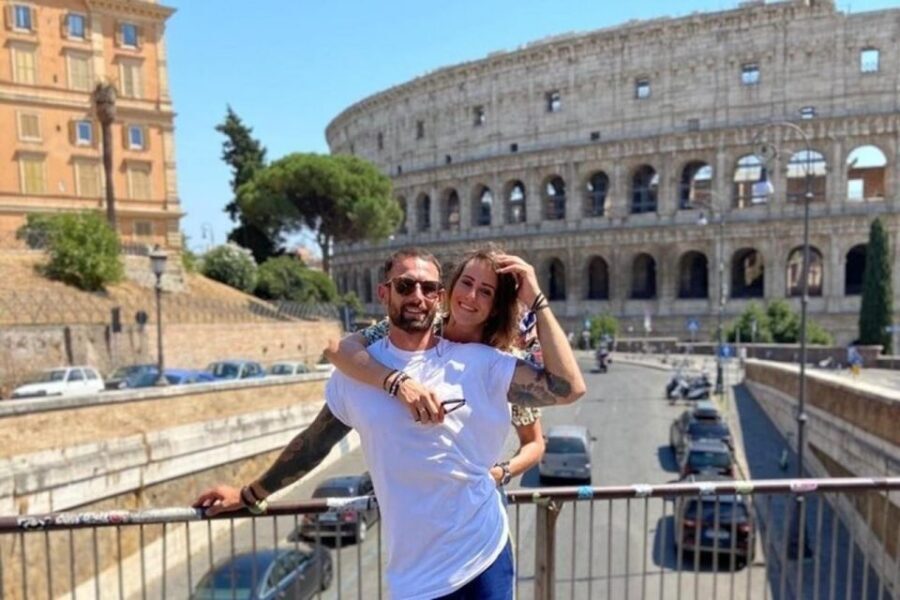
This is built as a tight evening circuit through central Rome. The rhythm is simple: you start near the Colosseum, then you move through the heart of the city on foot, hitting the Pantheon area, continuing to Trevi, and finishing around the piazzas, ending close to Campo de’ Fiori.
Along the way, you’re not just moving between sights—you’re also walking through Roman public space: big stone squares, lively streets, and the kind of pedestrian lanes where the city feels made for wandering. The tour descriptions stress moonlight views of the most iconic landmarks, and that matters here. Rome looks different at night. Shadows deepen the drama on stone facades, fountains feel louder, and the whole area has that after-hours energy.
The “why this works” part for you: in two hours, you’ll get a structured overview of what to prioritize next on your own. Think of it as a guided primer for your self-guided days, not a replacement for going back later to linger.
You can also read our reviews of more walking tours in Rome

Meeting at the Colosseum Metro Terrace and finding Crown Tours
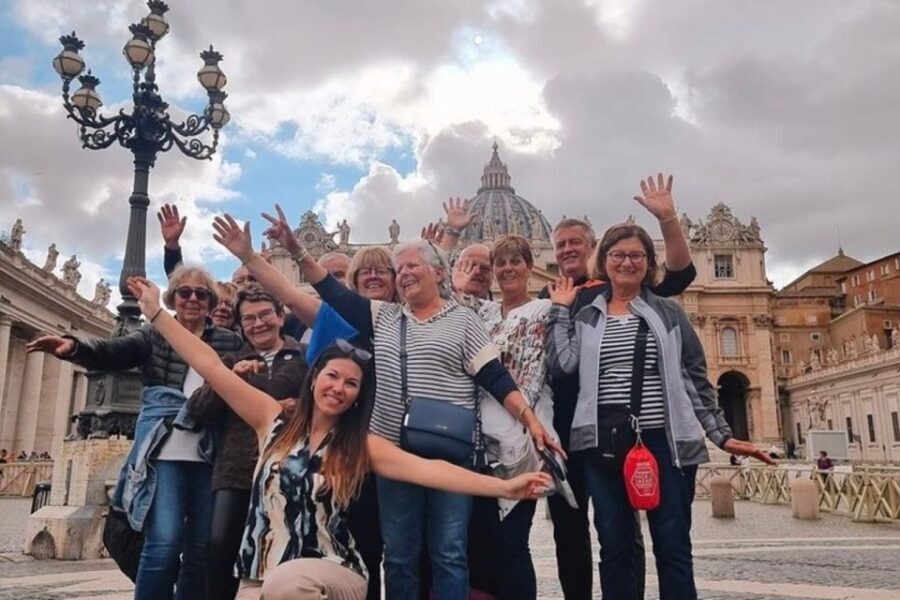
Logistics in Rome can make or break a tour, so I’m glad this one is very specific. Your start point is about 100 meters from the Colosseum. You’ll go to the terrace above the Colosseum Metro Station, cross the pedestrian bridge above the road, then walk up the street on the other side about 50 meters.
Look for the office with the purple flag that says Crown Tours. You need to arrive early to check in. If you show up late, entrance can’t be guaranteed. That’s not a threat; it’s just how tight these departures can be near major landmarks.
Practical tip: plan to be at the meeting area before you think you need to be. You’ll save stress and you’ll start the tour in a calmer mood—especially helpful if you’re navigating from a hotel, train station, or another sight beforehand.
Pantheon at night: Piazza della Rotonda’s after-dark feel
One of the core anchors of this tour is the walk to the Pantheon, described as the oldest standing pagan temple in the world. You’ll get your night-time look at Hadrian’s Pantheon in the setting of Piazza della Rotonda, lit up and surrounded by nearby fountains and bars.
Why this stop is worth the effort: the Pantheon is one of those buildings you can’t fully appreciate just by looking at photos. In person, the scale hits harder, and at night the dome and façade feel more architectural than just historic. The tour frames this as a place you’ll understand better once you hear why it was so important, including its massive man-made dome.
What you can expect practically: you’ll stand in the piazza, take photos, and get guide context about the building and its role. If you want the best photos, keep your phone or camera ready as you arrive—night lighting changes fast, and you don’t want to be fumbling once you’re in position.
Trevi Fountain: the world-famous photo stop
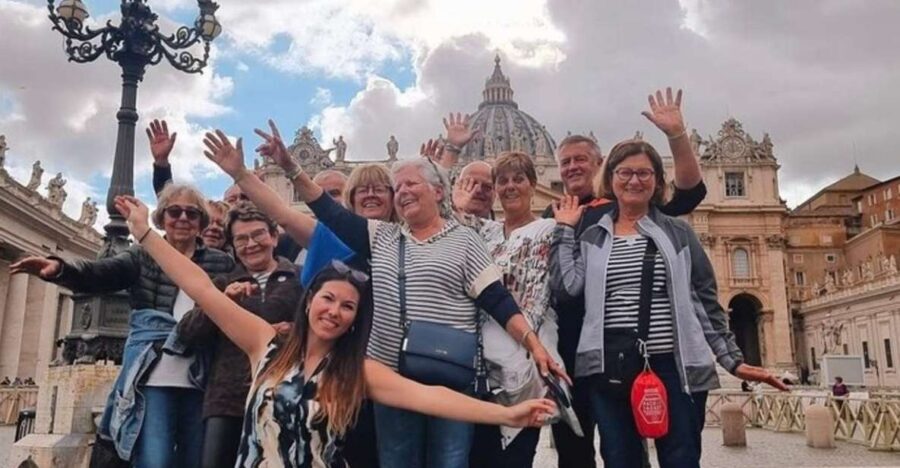
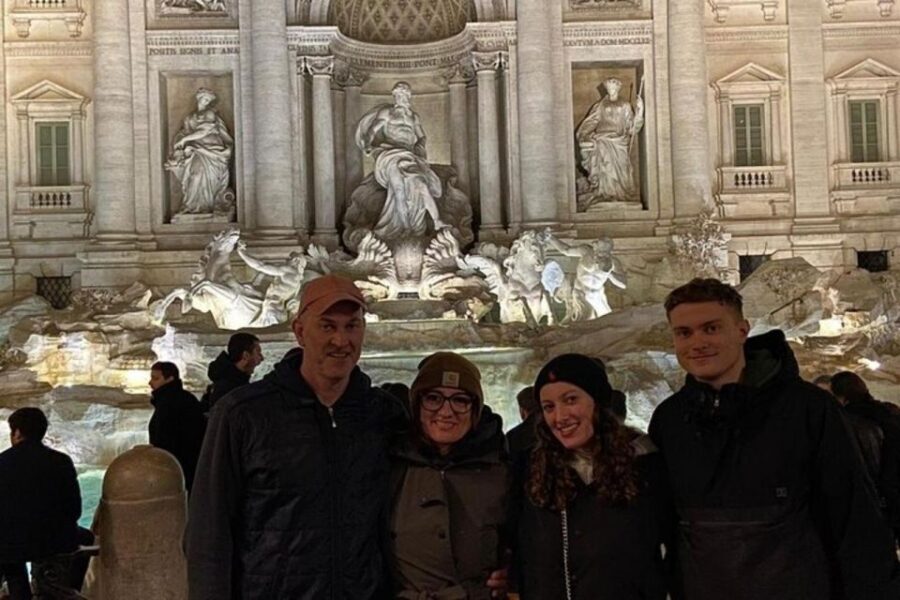
Next up is the Trevi Fountain, presented as both the most famous and the highest-earning fountain in the world. Even if you already know the basic story, seeing it at night changes your experience. Daytime is crowded in a way that can flatten the moment; after dark, it tends to feel more like a staged Roman scene.
You’ll admire the fountain up close, and this is typically the point where photos happen. That’s also why your timing matters. If you’re on an evening tour, you get a calmer chance to see details like the sculptural surfaces and the way the fountain sits at the center of a street corridor.
One small reality check: Trevi is Trevi. It’s always a focus for visitors, so you should expect a lively atmosphere around it. The tour helps by getting you there as part of a plan, so you’re not trying to coordinate timing on your own.
Via del Corso: window-shopping while the city talks
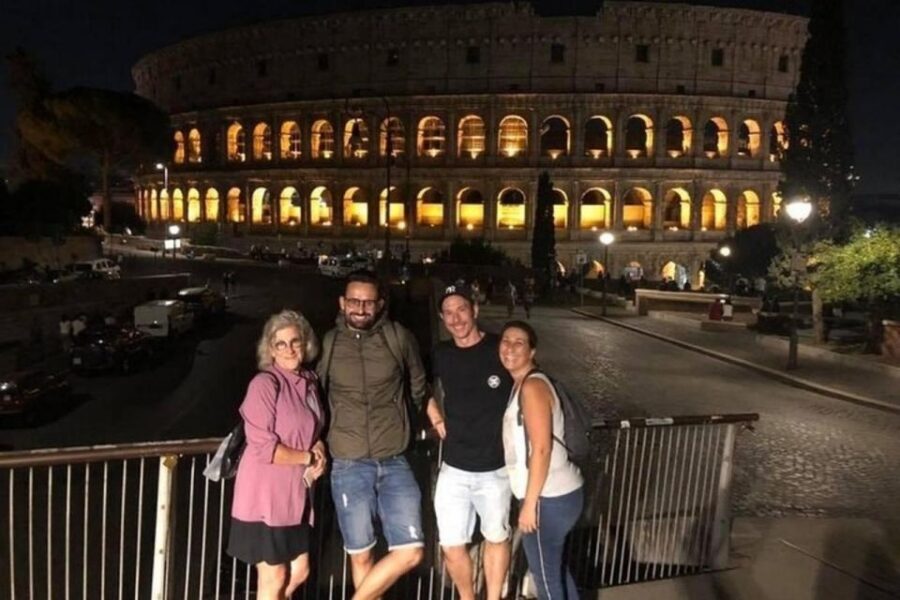
Between the major landmarks, the tour includes Via del Corso, one of the most famous shopping streets in Italy. The description even calls out flagship stores for brands such as Valentino, Fendi, and Armani.
You don’t need to be shopping to enjoy this stretch. It’s valuable because it’s a Roman “everyday” corridor mixed with tourist intensity. You’ll be walking a street that locals and visitors both associate with modern Italy, and it helps you connect the dots between Rome’s monuments and its current street life.
If your travel style is part museum, part street scenes, this segment is a good balance. It also offers a break in intensity between big stops—long enough to look up at facades, slow down, and take in the city’s commercial rhythm.
You can also read our reviews of more city tours in Rome


Piazza Navona and Bernini’s Four Rivers Fountain
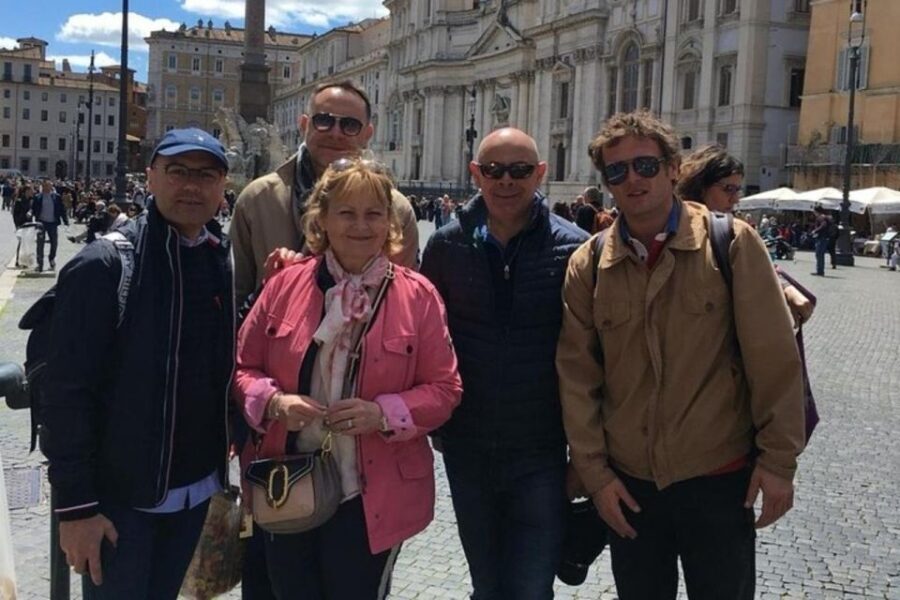
The tour then moves you to Piazza Navona, where you’ll stand in front of Bernini’s Fountain of the Four Rivers. The tour description also notes an extra layer: this fountain is located just in front of Bernini’s original design for St Peter’s church.
That connection is the point. You’re not only seeing something pretty—you’re learning to recognize how 17th-century design thinking traveled across major projects. Bernini is the link here, and you’ll get the kind of interpretation that makes the square feel like more than a photo backdrop.
What it means for you: Piazza Navona is one of those places where people often walk in, take a shot, and move on. A guided stop encourages you to look longer. The shape of the square, the placement of fountains, and the way the buildings frame the space make more sense once you hear the guide’s explanation.
Campo de’ Fiori: where the tour naturally hands you the night
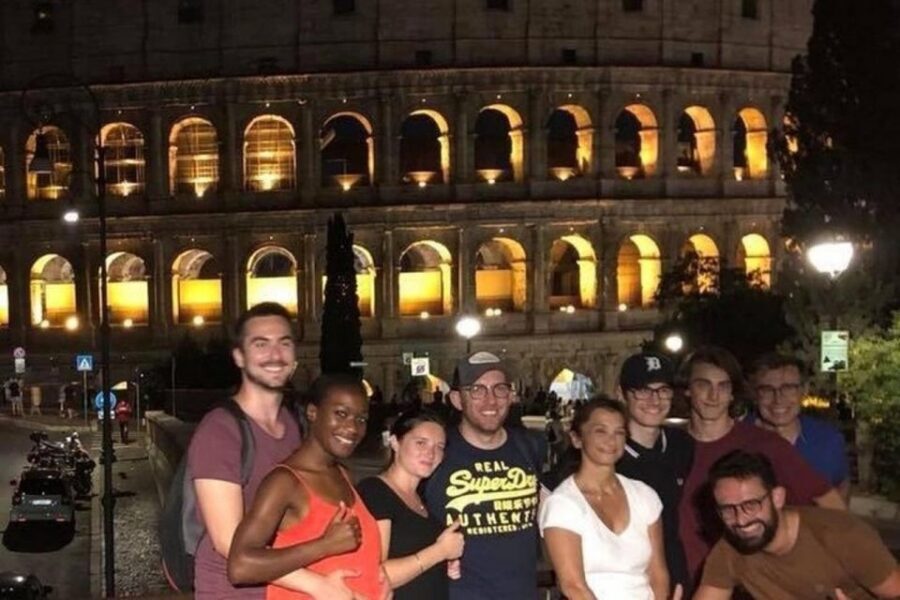
The walk concludes near Campo de’ Fiori, described as the main hub for bars, nightlife, and food in Rome. That makes practical sense. If you’re doing a highlight tour after your long sightseeing day (or right at the start of your evening), you don’t want the tour to end in an empty zone.
So instead, you get dropped near a social area where you can decide what you want next: a drink, a bite, or another stroll through nearby streets. I like this ending because it feels like a handoff to Rome itself rather than a hard stop that leaves you figuring things out from scratch.
Who the guide is matters, and the reviews show a pattern
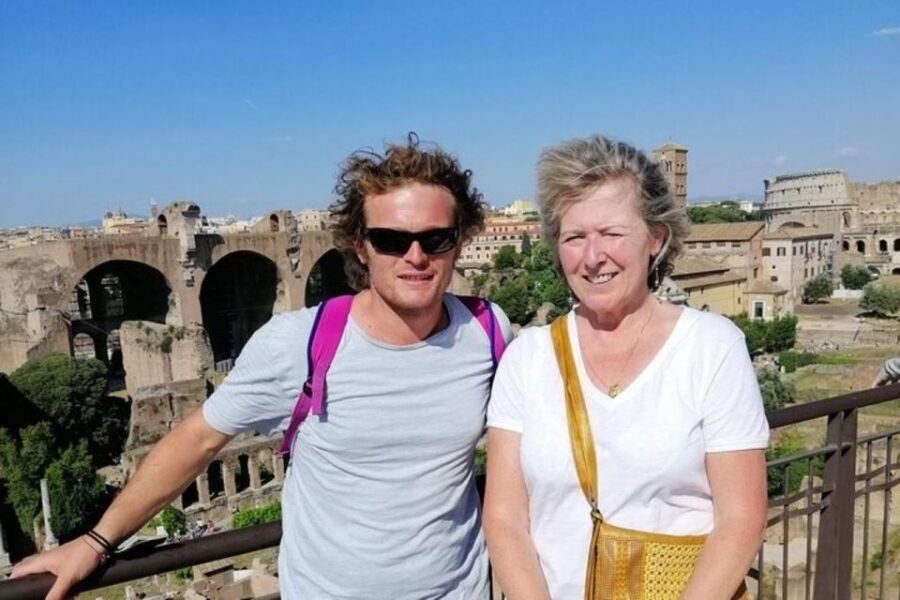
This tour is led by a live guide, and the provided reviews highlight consistent strengths: guides who love Rome, guides who explain architectural details clearly, and guides who stay friendly and patient.
Names that show up with strong praise include Sandra, Serena, Paolo (Pablo), Arian, Susana, Davide, Mattej, Sabrina, Lumy, and Mercia. One review specifically praises Paolo as full of knowledge and welcoming, with a background connected to architecture. Another mentions Mercia being patient with questions and even walking someone toward a less-touristy dinner area afterward.
What you should take from that, as a decision-maker: you’re not just buying access to famous places. You’re paying for someone to connect the dots—why each site looks the way it does, and how the pieces of Rome relate to each other across time.
Language note: the tour lists guide languages as French, Spanish, and German. If you don’t speak those, double-check you’ll be comfortable with the guide language options for your departure.
Price and value: what $56.94 buys you
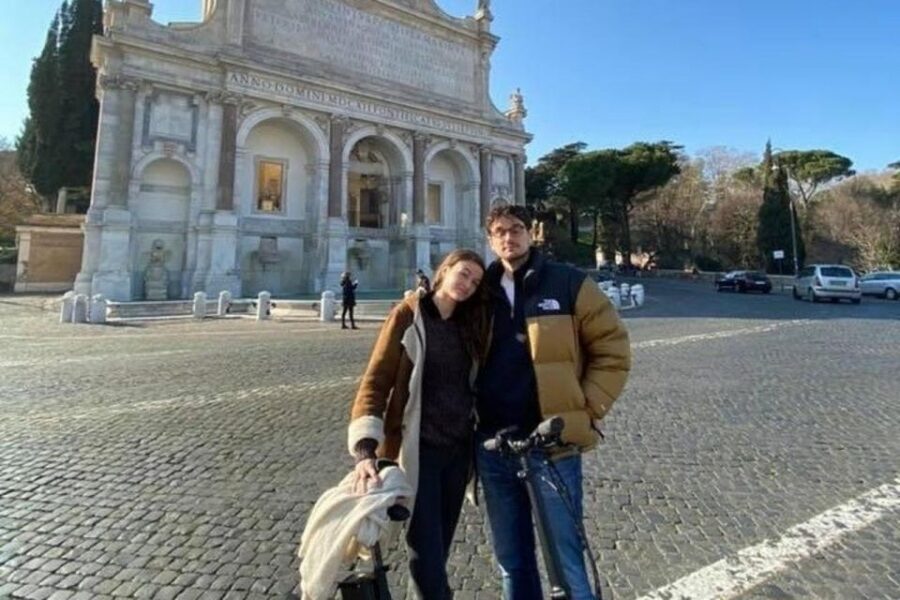
At $56.94 per person for about 2 hours, this isn’t a budget snack of a tour. But it can be good value if you use it the right way.
Here’s the value logic:
- You get a guided walkthrough of multiple top-tier Rome targets (Pantheon area, Trevi, Piazza Navona) rather than just one.
- The tour is time-efficient. Two hours means you can still do other things the same evening without building a giant schedule.
- You’re guided through central Rome while stories and context are provided at the exact places you’re standing.
Where the price might feel less worth it: if you already know the sights well and you just want a self-guided loop, you could probably piece together the route alone. Also, because it’s a walking tour with a limited time window, the experience is information-heavy rather than super relaxed.
My take for you: if you want a structured orientation and you like learning while you look, the value is solid. If you’re mostly there for wandering and photos, consider whether you’d prefer a shorter stop-based plan.
Timing, pace, and comfort for a 2-hour walk
The tour runs about 2 hours, and it includes night-time views of major landmarks. Evening walking is the sweet spot here, because that’s when you get the moonlight framing the tour promises.
Even with a guide, you’ll still be doing real walking. So I suggest treating it like a sightseeing walk, not a sit-down show. Wear comfortable shoes and be ready for frequent stopping for photos and explanations. One review mentioned the information can feel like a lot to digest in a short window, which is a polite heads-up: this is for people who enjoy being told what they’re seeing.
Small bonus: some reviews describe extras like a mid-tour espresso tasting or a gelato near Trevi Fountain. Those sound like guide-added touches rather than guaranteed inclusions, so don’t build your plan around them—but it’s a nice possibility if your guide decides to work it in.
Should you book this Rome City Highlights walking tour?
Book it if you want:
- A compact, evening-focused introduction to the biggest sights in central Rome
- A guide who can explain what you’re looking at while you’re looking at it
- A route that ends near Campo de’ Fiori so you can keep the night going
Skip it or consider an alternative if:
- You need hotel pickup or very flexible logistics
- You prefer a slower, less-talky walk
- You don’t speak the listed guide languages (French, Spanish, German) and don’t want to risk a language mismatch
If you’re new to Rome or returning and want a fast, organized overview, this tour is a smart way to get oriented after dark. The combination of Pantheon, Trevi, Piazza Navona, and the Via del Corso street segment gives you a full-feeling “greatest hits” loop in just a couple hours.
FAQ
How long is the Rome City Highlights Walking Tour?
It runs for about 2 hours.
What is included in the tour price?
The tour guide is included.
Is hotel pickup or drop-off included?
No. Hotel pickup and drop-off are not included.
Where do I meet the guide?
The meeting point is about 100 meters from the Colosseum, on the terrace above the Colosseum Metro Station. You’ll cross a pedestrian bridge, then walk about 50 meters up the street to the office marked with a purple flag that says Crown Tours.
What languages are offered for the live guide?
The guide languages listed are French, Spanish, and German.
Is free cancellation available?
Yes. You can cancel up to 24 hours in advance for a full refund.