REVIEW · CITY TOURS
Rome: City Highlights Walking Tour with Local Guide
Book on GetYourGuide →Operated by Welcome to Rome tours By custom global · Bookable on GetYourGuide
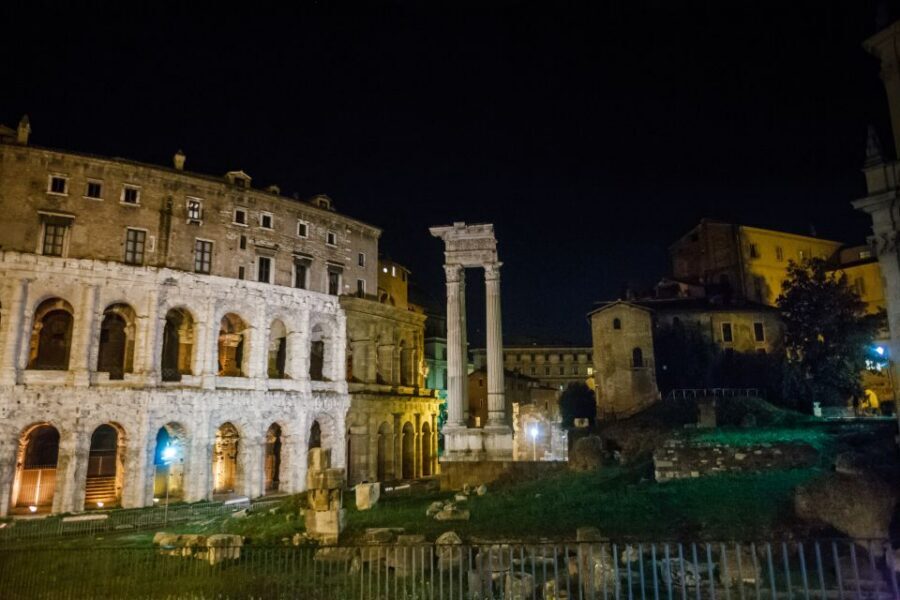
Rome feels different after dark.
This 2.5-hour walk strings together some of the city’s best-known sights and a stack of surprising background stories, so the Eternal City makes sense fast. You start at Castel Sant’Angelo, cross the decorated Angel’s Bridge, and end on Capitoline Hill, with panoramic looks and Baroque square chatter along the way. Even if you’ve been to Rome before, a local guide helps you notice what you’d otherwise walk right past.
What I like most is the mix of iconic stops and the kind of local facts that make them click. The tour also gives you practical tools to hear well on busy streets, with headsets (especially helpful in groups over five). One thing to keep in mind: it’s a walking tour with no entry into buildings, so if you want inside-the-museum time, you’ll need to plan that separately.
In This Review
- Key moments that make this tour worth it
- From Castel Sant’Angelo to the Angel’s Bridge: the night starts strong
- Piazza Navona to the Pantheon: Baroque squares and a building that still works
- The practical reality
- Trevi Fountain: a classic moment with a local explanation
- A small consideration
- Piazza Venezia and the Vittoriano: the modern monument with ancient gravity
- Capitoline Hill and the City Hall view over the Forum
- Timing, pace, and where you end up after 2.5 hours
- How close you are when you’re finished
- The guide experience: storytelling that keeps it moving
- What about hearing clearly?
- Price and value: what $23 buys you
- Who this tour fits best (and who might want a different plan)
- Should you book this Rome highlights walking tour?
- FAQ
- How long is the Rome City Highlights Walking Tour?
- Where do I meet the guide?
- What sights will I see on the walk?
- Is entry into buildings included?
- What language is the tour in?
- Does the tour run in bad weather?
- Is there a cancellation option?
Key moments that make this tour worth it
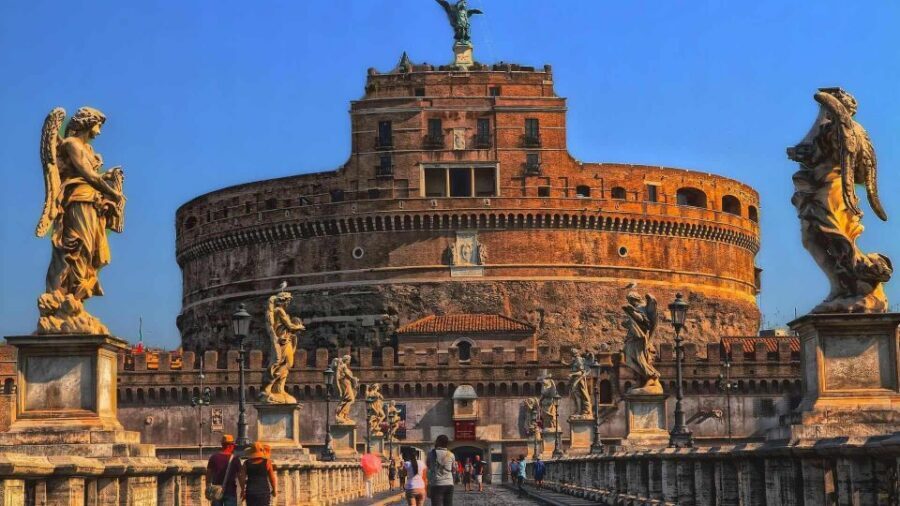
- Castel Sant’Angelo backstory: built as Emperor Hadrian’s mausoleum (139 AD), later tied to Archangel Michael
- Bernini’s Angel’s Bridge: cross the “Angel’s Bridge” for dramatic river views
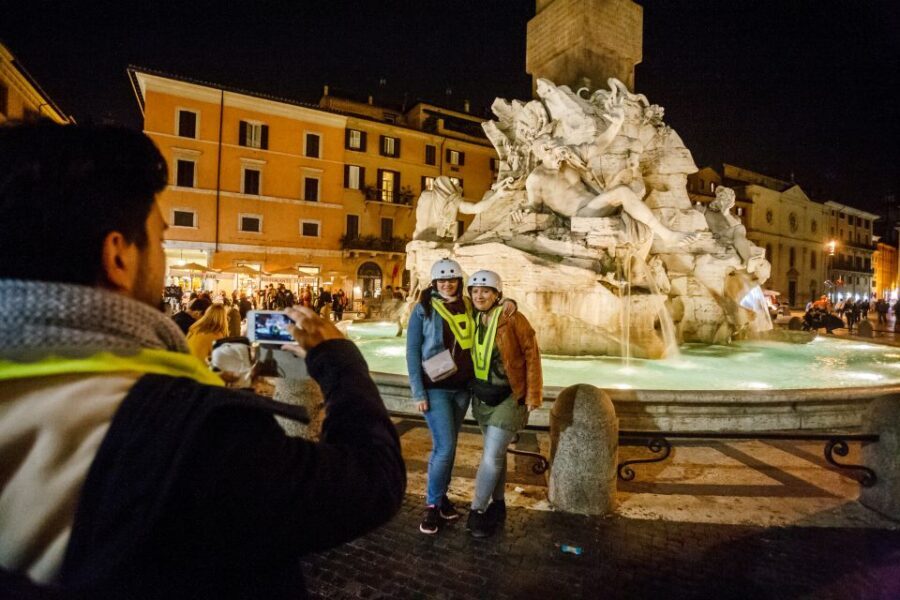
- Piazza Navona details: the Fountain of the Four Rivers and the once-stadium site under Domitian
- Pantheon context: why a pagan temple became a Catholic church and still feels unbeatable
- Trevi coin tradition: an easy, classic Rome moment with a satisfying payoff
- Capitoline Hill viewpoints: a clear path to the Roman Forum view from the City Hall side
From Castel Sant’Angelo to the Angel’s Bridge: the night starts strong
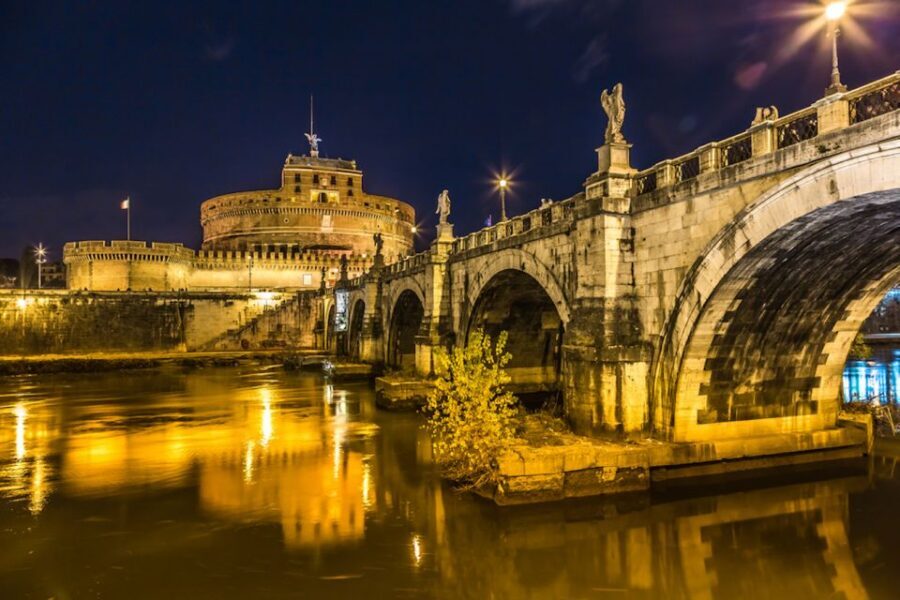
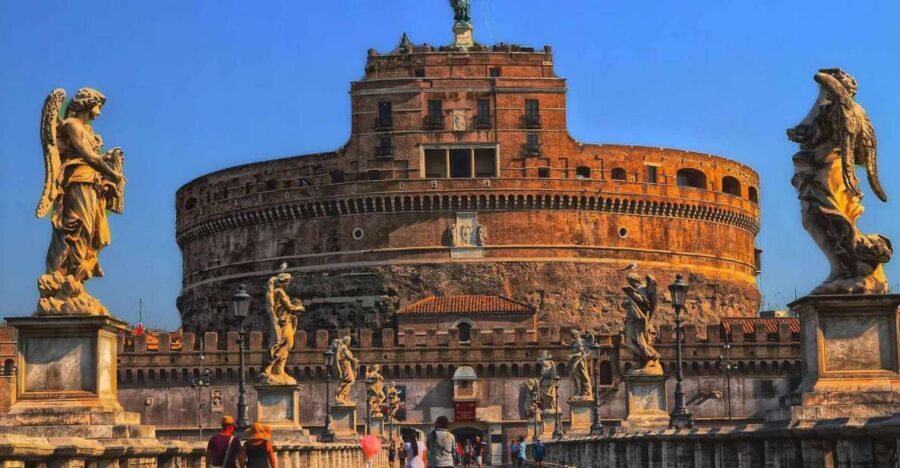
The tour begins at Castel Sant’Angelo, which is a smart starting point because it’s both dramatic and historically layered. The castle’s name comes from the Archangel Michael story, but the original structure dates to 139 AD as the mausoleum of Emperor Hadrian. That kind of origin story instantly changes how you look at the building.
From there, you’ll cross the river via Pons Aelius, which today is famously called the Angel’s Bridge. The best part here isn’t just the crossing. It’s the way the bridge frames Rome—water, street life, and that “Rome is real, not postcard” feeling. And since you’re walking with a licensed guide, you’ll get a few quick explanations that help you place what you see in your head as you move.
If you’re coming to Rome for the first time, this opening sets expectations well: you’re not walking through random landmarks. You’re walking through a timeline.
You can also read our reviews of more walking tours in Rome


Piazza Navona to the Pantheon: Baroque squares and a building that still works
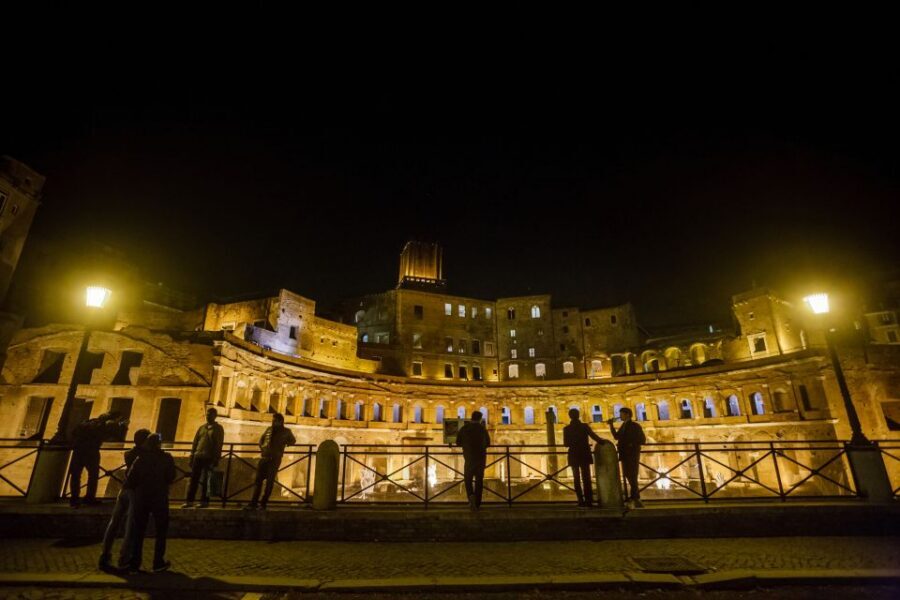
Next up is Piazza Navona, one of Rome’s most romantic squares, especially at night when the pace slows and the lighting makes the stone look softer. You’ll get the basics—Fountain of the Four Rivers at the center, plus the church of Sant’Agnese in Agone—and then you’ll hear the fun part: the site’s earlier life. In the 1st century AD, it was a stadium for athletic games built by Emperor Domitian.
That context matters. Without it, Piazza Navona is just a pretty scene you photograph. With it, you start spotting the way ancient layouts influence later design. You begin to understand how Rome reuses space instead of “starting over.”
Then comes the Pantheon, and it’s always a good decision to see it as part of a route rather than as a standalone stop. You’ll hear it described as a pagan temple turned Catholic church—and as a major architecture masterpiece and mausoleum of some of Italy’s important artists. Even without going inside, this stop feels like you’re standing in front of engineering that has survived centuries.
The practical reality
This tour does not include entry into buildings, so you’re absorbing the sites from the outside as you walk. If you’re the type who wants to sit inside for a long time, you might feel slightly frustrated. But if you want a guided “orientation walk” that gets you grounded quickly, this format is efficient.
Trevi Fountain: a classic moment with a local explanation
After Piazza Navona and the Pantheon, you’ll reach Trevi Fountain, which is basically the stop that turns Rome’s scale into something you can feel. You’ll have time for the classic coin toss, timed to the flow of the tour so you’re not just standing there wondering what to do next.
What I like here is how the guide’s framing helps Trevi go beyond a single photo. The fountain becomes part of the bigger story of Rome’s public spaces and how they’ve been staged for centuries. And at night, it’s easier to appreciate the atmosphere—people gathered, streets lit, and the sense that this is still a living city, not a theme park.
A small consideration
Trevi can be crowded, and this is a walking tour, so you’ll want to accept that you won’t get a private viewing. The advantage of going with a guide is that you’ll know where to stand and when to move so you can enjoy the moment without constantly fighting for your angle.
You can also read our reviews of more guided tours in Rome




Piazza Venezia and the Vittoriano: the modern monument with ancient gravity
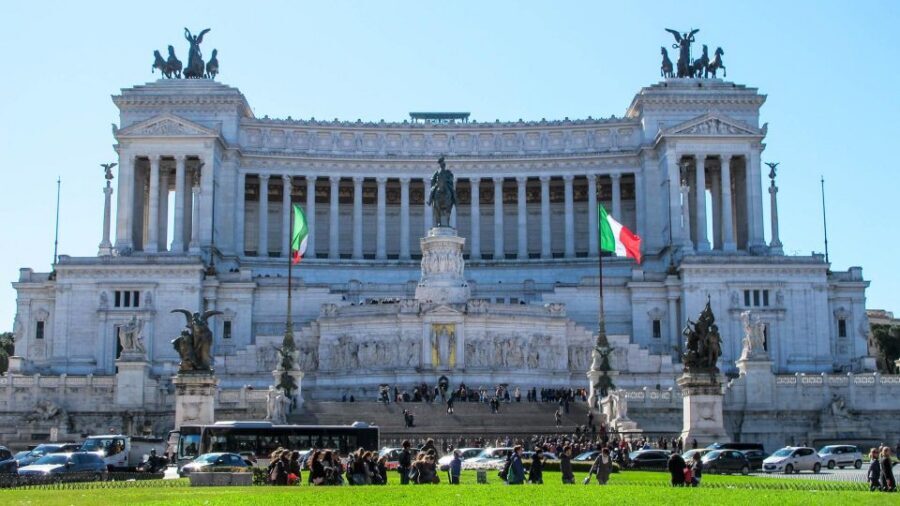
Next, the route leads you to Piazza Venezia and the imposing Vittoriano, also known for the altar of the fatherland idea. This area works well on foot because it sits at a crossroads of viewing perspectives: it’s modern monumental Rome, but you can still feel the ancient pull nearby.
This is also where the tour helps you read the city’s “before and after.” Rome isn’t one era layered neatly on top of another. It’s more like a palimpsest—new meanings written over old places. Once you’ve walked through the earlier sites with the guide explaining origins, Vittoriano stops feeling random.
You’ll get a clearer idea of how Rome’s identity has been shaped: not just by the ancient world, but by what later generations chose to celebrate.
Capitoline Hill and the City Hall view over the Forum
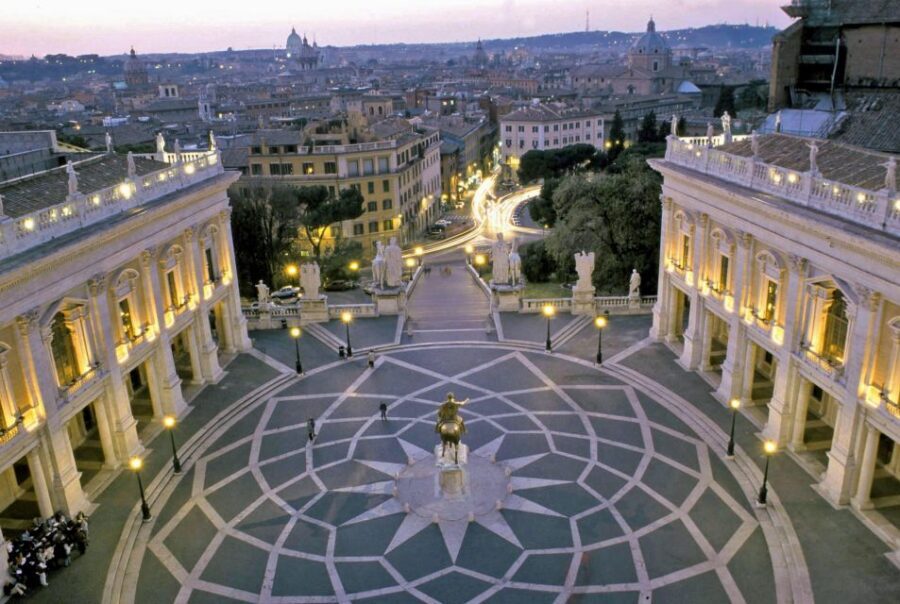
Your final stop is on Capitoline Hill, one of the seven hills of Rome, and it’s a powerful ending because it connects language, power, and view lines. The tour explains that the term capital comes from this hill area, tied to the ancient temple of Jupiter. Today, this space houses the city hall and the Musei Capitolini.
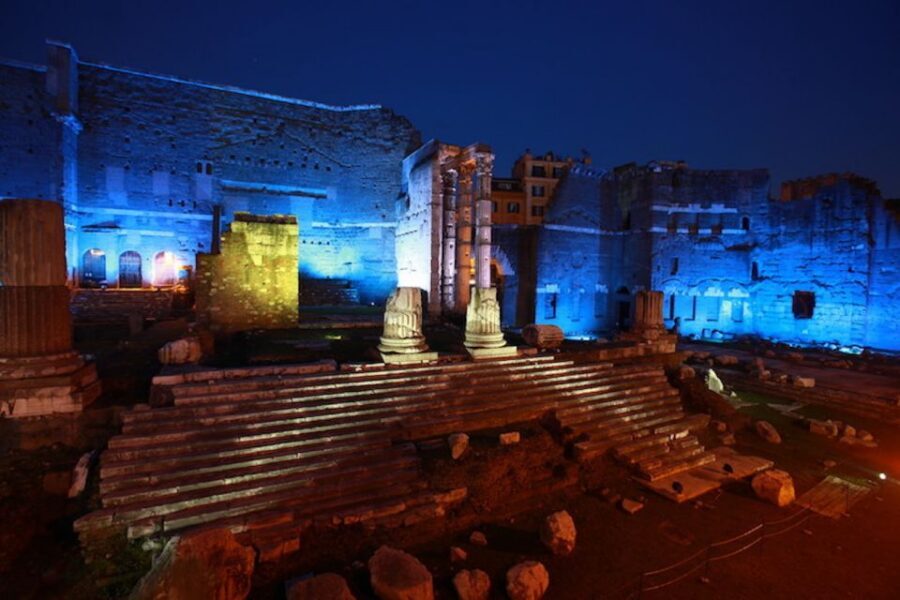
Then comes the part you’ll actually remember after you’re done walking: from the back of the City Hall, you’ll enjoy an incredible view over the ruins of the Roman Forum. It’s a simple payoff, but it lands. You don’t have to search for the right angle or guess what you’re looking at. The guide’s route puts you at a viewpoint where the Forum reads instantly as “the center of Rome.”
And because you finish on Campidoglio square, you’re left right in a strong location for your next step.
Timing, pace, and where you end up after 2.5 hours
This walk is designed to be about 2.5 hours, but the time can stretch to 2.5–3 hours depending on group pace and size. Maximum group size is capped at 20, which is a big deal in Rome. Smaller groups mean you spend less time stuck behind people and more time actually hearing the guide.
It also runs rain or shine. So if Rome is doing its usual weather theater, plan to stay flexible and bring something that works for wet cobblestones.
How close you are when you’re finished
When the tour ends at Campidoglio square, you’re positioned like this:
- about 2 minutes on foot to Piazza Venezia (and there’s a taxi station there too)
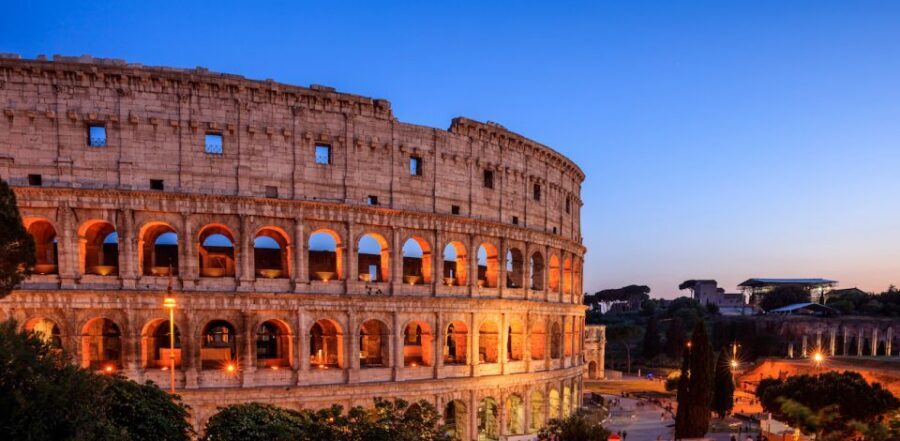
- about 15 minutes walking to the Colosseum (Metro Line B – Colosseo)
- about 10 minutes walking to the Jewish District
- about 20 minutes walking to Trastevere, a major food district
- about 20 minutes walking to the Spanish Steps (Metro Line A – Spagna)
- about 20 minutes walking to Trevi Fountain (Metro Line A – Barberini)
That matters because a lot of Rome tours drop you somewhere far from your next plan. This one keeps you near multiple “next choices.”
The guide experience: storytelling that keeps it moving
The success of this kind of walk lives and dies with the guide, and the overall impression from recent experiences is strong. People describe guides like Lucas as friendly and packed with stories and interesting facts that make you feel almost like a local. Others mention Emiliano for fun delivery and excellent English, and Eleonora (also spelled Eleonara in one review) for enthusiasm that spreads quickly.
One repeat theme is that the guide doesn’t just name sites. They explain why those sites matter and what to pay attention to as you pass. And when you hit construction areas or parts covered by scaffolding, the tour can still feel worthwhile because the guide can point you to other angles and less-obvious spots nearby.
What about hearing clearly?
If the group is over five people, you’ll use headsets. That’s a practical detail that makes the experience more comfortable, especially in a loud city center.
Price and value: what $23 buys you
At $23 per person for about 2.5 hours, you’re paying for three things: a licensed local guide, a tight route that covers major sights efficiently, and headsets for better listening. You’re also paying for reduced guesswork—how to sequence the landmarks, what each one is connected to, and what story threads connect them.
Could you do parts of this on your own? Sure. But the value here is the “why this, then that” guidance, plus the added context about origins—Hadrian at Castel Sant’Angelo, Domitian at Piazza Navona, and the Pantheon’s transformation. If you want Rome to feel coherent instead of like a checklist, this price is reasonable.
Who this tour fits best (and who might want a different plan)
This tour is especially good if you:
- want a first-or-second day orientation so the city starts making sense quickly
- enjoy architecture and public spaces, even when you’re looking from the outside
- prefer smaller groups and clear audio, rather than shouting over crowds
- like Rome’s humor and history mixed together, with the kind of fun facts that keep you awake at night
It may not be ideal if you:
- only care about interior access, because there’s no entry into buildings
- want a long stop-and-stay pace at a single monument
- are trying to cram in too many far-apart areas in one evening and need less walking
Should you book this Rome highlights walking tour?
I’d book it if you want a guided route that gives you momentum, context, and a solid ending viewpoint. Starting at Castel Sant’Angelo, finishing on Capitoline Hill, and hitting Trevi and the Pantheon along the way is a strong flow. You’ll walk away with stories attached to the sights, not just images.
Skip it if you mainly want ticketed interiors or you hate moving through crowds at landmark time. But if you’re open to a tight, informative night walk, this is a good way to get oriented and enjoy Rome’s dramatic atmosphere fast.
FAQ
How long is the Rome City Highlights Walking Tour?
It’s about 2.5 hours, though the length can vary between 2.5 and 3 hours depending on group pace and size.
Where do I meet the guide?
Meet your guide in front of the main entrance of Castel Sant’Angelo.
What sights will I see on the walk?
You’ll cover Castel Sant’Angelo, Piazza Navona, the Pantheon, Trevi Fountain, Piazza Venezia and the Vittoriano, and end on Campidoglio square on Capitoline Hill.
Is entry into buildings included?
No. The tour does not include entry into any buildings, so you’ll view the sights from the outside.
What language is the tour in?
The tour is stated as English only. Spanish is also listed as a language for the live tour guide.
Does the tour run in bad weather?
Yes. The tour takes place rain or shine.
Is there a cancellation option?
Yes. Free cancellation is available up to 24 hours in advance for a full refund.