REVIEW · ROME
“Rome: A Timeless Journey Through Classical Splendor”
Book on Viator →Operated by Airotour Ltd - Freetourrome · Bookable on Viator
Rome makes sense on foot. This smart, low-cost walking tour helps you get oriented in the ancient center and puts sights into story form, from Capitoline Hill to the Forum and out toward the Colosseum. It’s the kind of route that helps your eyes link the ruins to the people who lived there.
I love how the walk gives you quick context, not just dates. And I love the focus on everyday Roman life and the show culture around gladiators, so the monuments feel like a living city instead of a checklist.
The main drawback is practical: you’re walking through busy, open-air areas near major landmarks, so expect crowds around the Colosseum zone and plan for that.
In This Review
- Key highlights worth your time
- Why the Colosseum Core Helps You Understand Rome Fast
- Starting at Piazza di San Marco: Get Your Bearings in the Right Place
- Piazza Venezia: The Big-Square Feeling and Why It Matters
- Campidoglio and Capitoline Hill: Michelangelo’s Square Meets Ancient Power
- Foro Romano: Daily Life You Can Picture, Not Just Ruins
- The Colosseum Finish: Gladiators, Photo Angles, and a Clean End Point
- Guide Impact: From Sarah to Riccardo, the Best Ones Tell Stories Like a Local
- Price and Value: What $6 Actually Buys You in Rome
- What to Expect From the Route (and How to Make It More Comfortable)
- Best Time to Take This: Use It as Your Rome “Setup”
- Who Should Book This Tour, and Who Might Want to Skip It
- Should You Book This Rome Colosseum-Forum Walk?
- FAQ
- FAQ
- How long is the walking tour?
- What does the tour cost?
- Where does the tour start?
- Where does the tour end?
- What time does the tour begin?
- What’s included in the price?
- What is not included?
- Are tips expected?
- Is the tour in multiple languages?
- Does it run in bad weather?
- Is there a limit on group size?
- What if the tour is canceled?
Key highlights worth your time
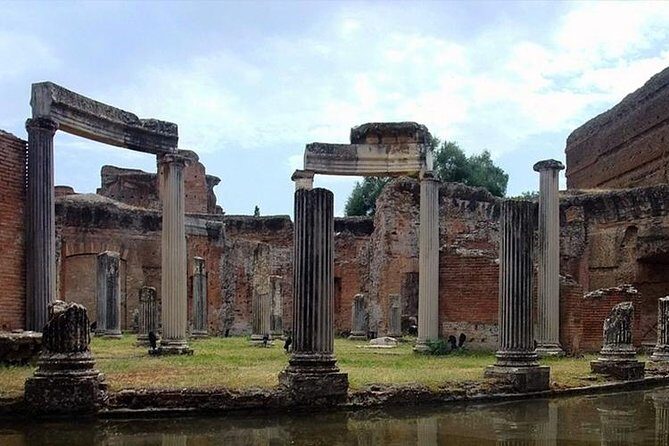
- Colosseum-area orientation: you’ll see the major “anchors” in a logical flow instead of bouncing around
- Capitoline Hill + Michelangelo’s square: a landmark view spot with a clear payoff
- Forum Romano as daily life: you’ll learn what the space was used for, not just what it looks like
- Gladiator stories near the Colosseum: street-level history that fits what you can see
- Small group cap (30 max): more room to ask questions and keep things moving
- Mobile ticket + multiple language options: easier to show up, smoother if you’re not traveling in English
Why the Colosseum Core Helps You Understand Rome Fast
Rome can be confusing in the best way and the worst way. Streets twist, ruins sit next to modern buildings, and everything looks important. What I like about this tour is that it creates a “mental map” for you in a short amount of time.
Instead of treating each stop like a separate postcard, the guide connects the dots: power centers, public spaces, and the everyday rhythms of Roman life. You end up with a story you can remember when you wander on your own later.
The route is also built for photos. You’ll get opportunities to frame the Colosseum from the surrounding area and catch wider views across the city from the hills and major squares.
You can also read our reviews of more tours and experiences in Rome.



Starting at Piazza di San Marco: Get Your Bearings in the Right Place
The walk begins at Piazza di S. Marco, 48, in front of Basilica San Marco. That’s a good start point because you’re not starting halfway across town. It sets you up for an efficient loop through Rome’s older layers without wasting time on long transit.
Practical tip: arrive a few minutes early so you can find your guide quickly at the meeting spot. The tour runs around 12:00 pm, and the total time is about 1 hour 30 minutes to 2 hours, so there isn’t much slack for late arrivals.
Because the tour is in a central area and near public transportation, you can pair it with other stops afterward. That matters when you only have a day or two and you want to squeeze real understanding into your schedule.
Piazza Venezia: The Big-Square Feeling and Why It Matters
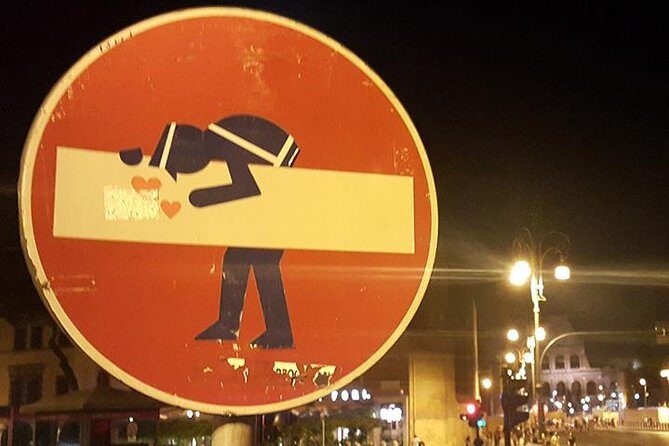
Your second stop is Piazza Venezia. This is one of those Rome places where the scale hits you right away. The square acts like a crossroads in the city’s mental layout, so your guide can use it to explain how different eras of Rome overlapped in the same geography.
Even if you’re not stopping for a long rest, Piazza Venezia helps you orient visually. After this, the walk toward Capitoline Hill feels less random. You start to recognize the terrain and how people would have moved between major public spaces.
Also, if you’re the kind of traveler who likes to understand where you are standing before you stare at monuments, Piazza Venezia gives you that “okay, I get it now” moment.
Campidoglio and Capitoline Hill: Michelangelo’s Square Meets Ancient Power
Next up is Campidoglio on Capitoline Hill. This is a major turning point for the tour because you’re leaving the flatter, square-driven vibe and moving into a higher perspective on Rome.
One of the highlights here is the square designed by Michelangelo. That detail isn’t just an art footnote. It’s a reminder that Rome didn’t stop being important after the ancient period. Later artists and planners reused the hill’s symbolic power, shaping how visitors see the city even centuries later.
Why it’s valuable: from this kind of viewpoint, you can better understand how power and public life clustered in Rome. You’ll also get clearer photo angles—this area is one of the places that naturally sets up a wide view.
A small caution: hill stops can be a bit more tiring if you’re sensitive to walking or steep sidewalks. The good news is the tour is short overall, and most people can participate.
Foro Romano: Daily Life You Can Picture, Not Just Ruins
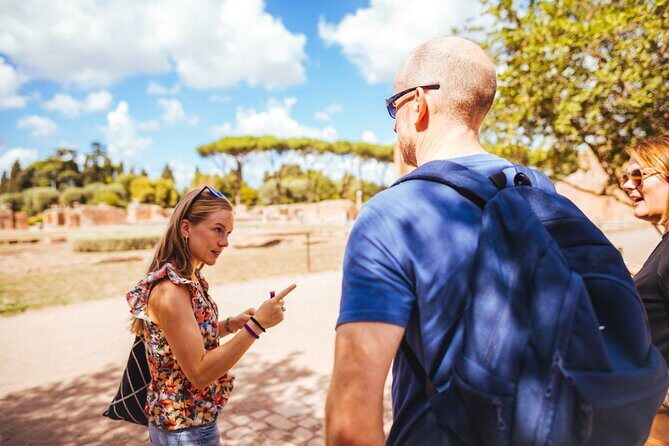
The route continues to Foro Romano (Roman Forum). Here’s where the tour earns its keep. It’s easy to see the Forum as scattered stone. With a guide, it becomes a place with routines: gatherings, commerce, public business, and the political energy that shaped ordinary days.
The tour is specifically set up to explain daily life at the forum, so you’re not only hearing about architecture. You’re hearing about how a human scale lived inside the space—what people came to do, and what the setting signaled.
This is also where your understanding starts to “stick” for future visits. Later, if you wander on your own, you’ll know what you’re looking at and why it mattered.
Heat and crowd reality check: the Forum area can feel like it’s full of open-sun. The tour runs in all weather conditions, so you’ll want to show up prepared. If it’s hot, a hat and water matter. If it’s rainy, wear shoes you trust.



The Colosseum Finish: Gladiators, Photo Angles, and a Clean End Point
The tour ends at Piazza del Colosseo, right in front of the Colosseum. That ending is a smart choice because it lets you finish with the landmark you’ve been mentally building toward.
You’ll also hear about gladiators outside the Colosseum, which helps you connect what you’re looking at to the entertainment culture that powered it. It doesn’t replace a full Colosseum visit, but it makes the outside experience feel purposeful.
Photo tip: don’t rush your pictures at the very end. The area around the Colosseum can get crowded fast, and people stop in random spots. If you care about angles, pause, look around, then shoot. A guide can also help you spot viewpoints you might miss while you’re focused on one famous facade.
Then you’re free to continue at your own pace—nearby streets, viewpoints, and museums all become easier once you have the Colosseum zone mapped in your head.
Guide Impact: From Sarah to Riccardo, the Best Ones Tell Stories Like a Local
A walking tour lives or dies with the guide, and this one puts a lot of weight on the storytelling. In the past, I’ve seen how different guides bring the same route to life with their own style.
For example, guides like Riccardo often explain monuments through the lens of architecture, which can help you see proportions and design choices instead of just memorizing facts. Matteo is mentioned for excellent English and even converting measurements for Americans, which is the kind of small detail that makes history easier to grasp. Pedro comes through with clear communication and a lively approach, even in tough conditions like heat and noise.
Other guides, like Sarah, have been described as doing a strong job explaining the history behind monuments you pass—so the walk stays coherent. And for language comfort, there are mentions of guides such as Vanessa and Michael leading tours in other European languages, which can be a relief if you’d rather not rely on your second-best language at peak tourist density.
What you should look for on the day: pay attention to how your guide ties the last stop to the next one. On the best versions of this tour, the route feels like one continuous explanation instead of separate segments.
Price and Value: What $6 Actually Buys You in Rome
The headline here is the price: $6 for a walk that lasts about 1.5 to 2 hours. In Rome, that’s not just budget-friendly—it’s genuinely practical.
What you get for that money:
- a local guide and a professional guide included
- a route that centers on major anchors around the Colosseum and the Forum
- enough structure to reduce wasted time when you don’t know where to start
What costs extra:
- food and drinks
- tips are not included, and you’re encouraged to tip if you enjoy the tour
So is it a “deal”? In my view, yes, if you’re doing it early enough to shape how you explore afterward. A low-cost orientation tour can save you from the classic Rome mistake: wandering around the center without understanding why the ruins are arranged the way they are.
If you only have limited time and you want the highlights explained in a way that makes the city feel navigable, this one fits the bill.
What to Expect From the Route (and How to Make It More Comfortable)
This is a walking tour, capped at up to 30 travelers. That cap matters because it usually means less chaos at each stop and more chance to ask a question without yelling.
The tour runs in all weather conditions, so you don’t get to hide behind perfect forecast expectations. Dress appropriately. Wear shoes that handle cobblestones and uneven pavement.
Also keep in mind:
- it’s in a central area with public transportation nearby
- service animals are allowed
- most people can participate
If you get easily overwhelmed by crowds, choose your expectations carefully. You’re finishing at one of the world’s busiest landmarks. That doesn’t mean it’s unenjoyable. It just means you’ll want patience and good timing.
Best Time to Take This: Use It as Your Rome “Setup”
I’d plan to take this kind of tour early in your Rome visit, or at least early in the part of town you plan to focus on. The value is in orientation. If you do it after you’ve already seen everything, you may feel like the route is catching up to what you already learned.
By contrast, if you do it near the beginning, you’ll walk away with a framework:
- how Capitoline Hill fits into Rome’s story
- what the Forum was for in daily life
- why gladiators connect to the Colosseum area
Then when you return for a longer visit or a slow wander, it feels less random.
Who Should Book This Tour, and Who Might Want to Skip It
This tour is a great fit if you:
- want fast orientation in central Rome
- like guided storytelling more than self-guided scavenger hunts
- are budget-minded but still want a real guide
- enjoy learning how daily life connects to major monuments
It may be less ideal if you:
- dislike walking through crowded landmark areas
- want a slow, deeply detailed archaeological experience that includes extensive interior access (this one is built as a short orientation walk)
A good mindset: treat it as the map and the story, then let Rome do the rest.
Should You Book This Rome Colosseum-Forum Walk?
Yes, I think you should—especially if you want a simple way to make the ancient center feel understandable in a couple of hours. The combination of Colosseum-area focus, the Forum’s daily-life framing, and the Capitoline Hill + Michelangelo square viewpoint gives you real value for the money.
Book it if you’re ready for a short walk, flexible timing, and a guide-led explanation that helps you explore with confidence afterward.
FAQ
FAQ
How long is the walking tour?
It lasts about 1 hour 30 minutes to 2 hours.
What does the tour cost?
The price is $6.
Where does the tour start?
It starts in front of Basilica San Marco at Piazza di S. Marco, 48, 00186 Roma RM, Italy.
Where does the tour end?
It ends at Piazza del Colosseo, 00184 Roma RM, Italy, in front of the Colosseum.
What time does the tour begin?
The start time is 12:00 pm.
What’s included in the price?
A local guide and a professional guide are included.
What is not included?
Food and drinks are not included, and tips are not included.
Are tips expected?
Tips are not included, but you’re encouraged to tip your guide if you enjoy the tour.
Is the tour in multiple languages?
Yes. It’s available in a range of European languages.
Does it run in bad weather?
Yes, it operates in all weather conditions. Dress appropriately.
Is there a limit on group size?
Yes. The tour has a maximum of 30 travelers.
What if the tour is canceled?
There’s free cancellation. You can cancel up to 24 hours in advance for a full refund, but within 24 hours the amount you paid will not be refunded.