REVIEW · CITY TOURS
Rome: City Highlights Walking Tour
Book on GetYourGuide →Operated by City Walkers Tours · Bookable on GetYourGuide
Rome gets easier when you walk. This 2.5-hour guided route strings together Trevi Fountain, the Pantheon, and Rome’s older neighborhoods with a local guide explaining what you’re looking at and why it mattered.
I especially like the mix of famous stops and less obvious stops like the Jewish Ghetto. I also like the pace: you cover a lot of ground without the hard-sell vibe, and you can ask questions as you go (English live guide, plus headphones if needed). One consideration: it is still a walking tour with monuments explained from the outside only, and it is not suitable for people with mobility impairments.
In This Review
- Key things that make this tour worth your time
- Starting at Trajan’s Market: a smart place to begin
- Piazza Venezia and the Victor Emmanuel II monument: power in stone
- The Jewish Ghetto and Campo de’ Fiori: where the city’s layers show
- Piazza Navona to the Pantheon: Baroque drama, then Roman precision
- Hadrian’s Temple and the approach to Trevi: finishing strong
- What the 2.5 hours feel like on your feet
- What you actually get from a live guide (and why it matters)
- Value check: is $41 a smart deal?
- Weather, comfort, and small practical rules
- Who should book this tour, and who should skip it
- Should you book the Rome City Highlights Walking Tour?
- FAQ
- How long is the Rome City Highlights Walking Tour?
- Where do I meet the guide?
- Is the tour in English?
- Does the tour include entry into monuments or buildings?
- What are the main sights on the route?
- What’s included in the price?
- Do I need to plan for rain?
- What should I bring?
- Is this tour suitable for people with mobility impairments?
- What is the cancellation policy?
Key things that make this tour worth your time

- Trajan’s Market starts you with real Roman engineering before the tour hits the postcard sites
- Trevi Fountain isn’t just a photo stop; you get the story behind what you see
- Outside-only viewing keeps it moving (no building entry) so you spend time on the route, not ticket lines
- Jewish Ghetto coverage adds a missing piece to many first-timer itineraries
- Guides you can recognize by name include Brian, Monica, and Fabio, all described as friendly and question-friendly
Starting at Trajan’s Market: a smart place to begin

You meet at Colonna Traiana 84, with a guide holding a City Walkers flag or sign. The opening stop is Trajan’s Market, an ancient Roman complex from the 2nd century AD. It is a great warm-up because it shifts your brain into Roman mode right away.
Here’s why I think this start is a good idea: Roman Rome is about systems—space, stairs, water, stone, and planning. Starting at Trajan’s Market helps you spot patterns later, when the tour moves through big civic squares and major churches. You’ll also be learning while the city still feels calm enough to settle into the walking pace.
Tip for the first minutes: wear comfortable shoes and keep your water handy. You’re going to be on foot for the whole 2.5 hours, and Rome’s terrain can surprise you when you’re not expecting cobblestones and slight uphill stretches.
You can also read our reviews of more walking tours in Rome


Piazza Venezia and the Victor Emmanuel II monument: power in stone
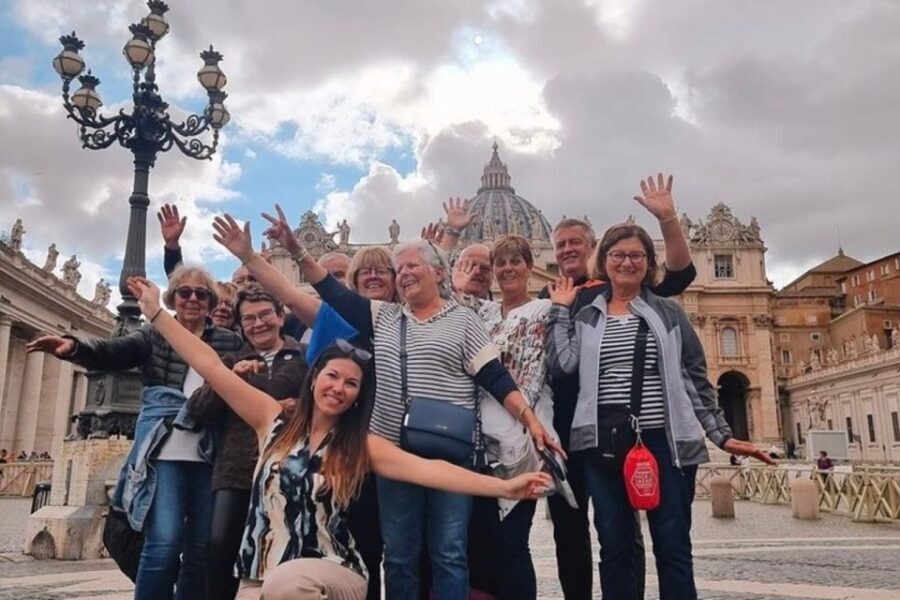
Next comes Piazza Venezia, one of Rome’s signature squares. It’s the kind of place where everything feels official—governmental, grand, and built for views. The big feature you’ll recognize is the Monument to Victor Emmanuel II.
Even if you already know the monument’s name, the guide’s outside explanations help you connect it to how modern Rome wants to represent itself. It’s not just a statue. It’s a statement about national identity and how Italy chose to frame its past and present.
Practical heads-up: squares like this are open and windy. If the day turns chilly, you’ll want layers. If it’s hot, sunscreen matters early because you might not always have shade.
The Jewish Ghetto and Campo de’ Fiori: where the city’s layers show
After Piazza Venezia, the tour heads into the Jewish Ghetto, a small area of Rome that dates back to the 16th century. This is one of the stops that adds real texture to the walk. Many Rome highlight tours stick to the big classical and Baroque icons. Here, you get context for how different communities shaped daily life—and how that history still shows up in the streets around you.
From there you move to Campo de’ Fiori, right in the middle of things. This square is known for its street market, which means you may see stalls and locals moving through their routines. It is a useful contrast after the solemn history stop. You get the feeling of Rome as a living city, not just a museum you walk through.
One small caution: markets can be crowded, and you won’t be standing in one place for long. If you’re sensitive to tight spaces, keep an eye on the group behind you so you don’t get separated when the guide changes direction.
Piazza Navona to the Pantheon: Baroque drama, then Roman precision
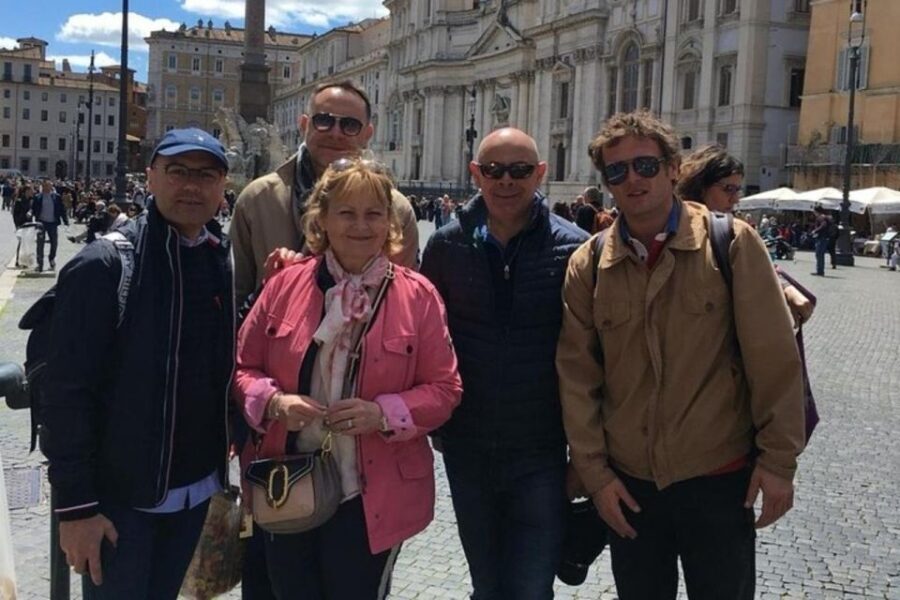
Then it’s Piazza Navona, famous for Baroque-style fountains and sculptures. This is where the city starts to feel like theater. The guide will point out details from street level, and you’ll notice how Rome uses light, water, and stone surfaces to create a sense of motion.
From Piazza Navona you head to the Pantheon, one of the best-preserved ancient Roman monuments. Even from the outside, the building’s shape hits you fast: the scale, the domed silhouette, and the way it sits like a finished masterpiece in the middle of everyday Rome.
What I like about this portion is the contrast. Piazza Navona leans dramatic and expressive. The Pantheon leans practical and engineered. You get to see two different Rome moods in one walking segment—Baroque showmanship and Roman construction logic—without adding extra time.
Note on expectations: the tour does not include entry into buildings. So your best strategy at each stop is to look for specific features the guide calls out, rather than assuming you’ll go inside. If your priority is interior views, plan separate museum/church tickets for later days.
Hadrian’s Temple and the approach to Trevi: finishing strong
After the Pantheon, the walk continues to Hadrian’s Temple. The way it fits into the route matters: you’re moving from one of Rome’s loudest monuments to a quieter temple presence. This stop helps you understand how Rome layered sacred spaces across different eras.
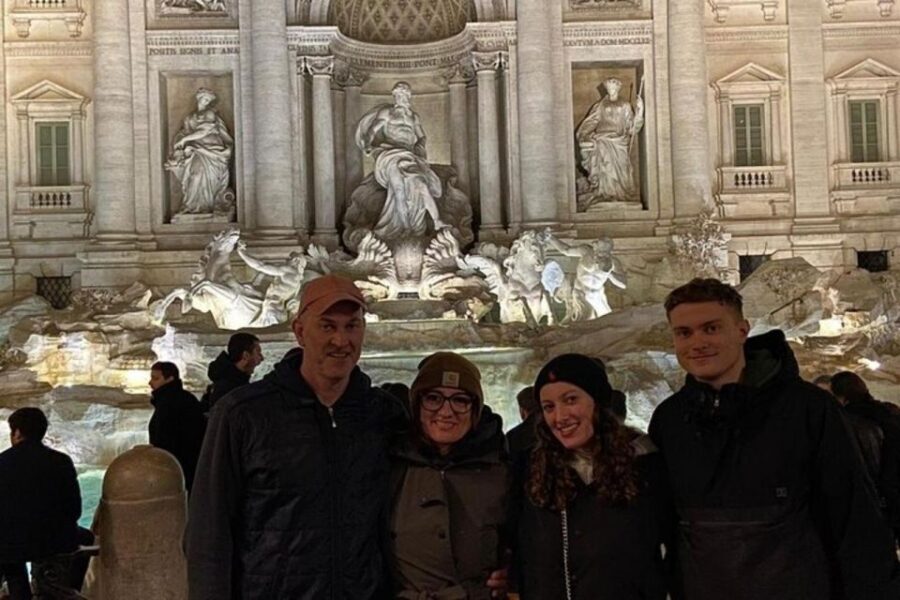
Then the tour finishes at Trevi Fountain, the iconic Baroque masterpiece that you’ve probably seen in films and travel photos. Yes, you will see crowds around it. But the payoff here is that you’re not just looking. With the guide’s storytelling, the fountain becomes more than a backdrop—you understand what you’re observing and why the design is so memorable.
A practical note: Trevi is a magnet. If you want the best photos, you’ll need to follow the guide’s timing and position the group manages. Wear what you can move comfortably in, because you may be standing in one spot briefly and then shifting as the group moves.
You can also read our reviews of more city tours in Rome



What the 2.5 hours feel like on your feet
This is a 2.5-hour tour, which is a sweet spot when you want big sights plus direction on where to go next. It’s long enough to connect the dots across several neighborhoods, but not so long that you lose your energy and start rushing your own attention.
Here’s the best way to think about the time: you spend your energy on walking and exterior viewing, not on entry lines. The tour is designed for first days in Rome, when you want bearings fast and want history tied to the street corners.
If you’re used to slower city days, the walking might be the main hurdle. One guide-led highlight tour I’ve seen described as not rushed also came with the honest reminder that it is still a lot of walking if you’re not used to it. So be realistic: if you don’t love steps and cobblestones, consider a shorter alternative or pair this day with lighter activities afterward.
What you actually get from a live guide (and why it matters)

The tour includes a live English guide and headphones (if needed). I like this setup because it keeps the route conversational. You’re not just hearing facts; you’re asking questions and getting answers tied to what you’re seeing.
Also, the guide names that show up in documented experiences include Brian, Monica, and Fabio. Across those accounts, the common thread is that guides are friendly, welcoming, and willing to answer questions. That matters in Rome because the city can feel overwhelming fast. A good guide helps you focus your eyes, not just your time.
What to ask if you want to make this tour pay off:
- Why do these monuments sit where they do?
- What should I look for in the facades or layouts from street level?
- Where should I go next on my own after Trevi and Pantheon?
The more you engage, the more the tour becomes personal and useful.
Value check: is $41 a smart deal?
At $41 per person for about 2.5 hours, this tour is aimed at value through efficiency: a guided route that covers big icons like the Pantheon and Trevi Fountain, plus a meaningful stop in the Jewish Ghetto and a market square at Campo de’ Fiori.
It’s not a value deal because it is cheap. It’s a value deal because you’re paying for:
- a guided story that turns exterior sights into something you understand
- a route that reduces guesswork for first-time Rome navigation
- outside-only viewing that keeps you moving instead of waiting
You’ll still need to pay separately if you want entries to buildings later. But if your goal is to learn how Rome fits together and get your bearings, $41 for a focused guided walk can be a very reasonable spend.
Weather, comfort, and small practical rules
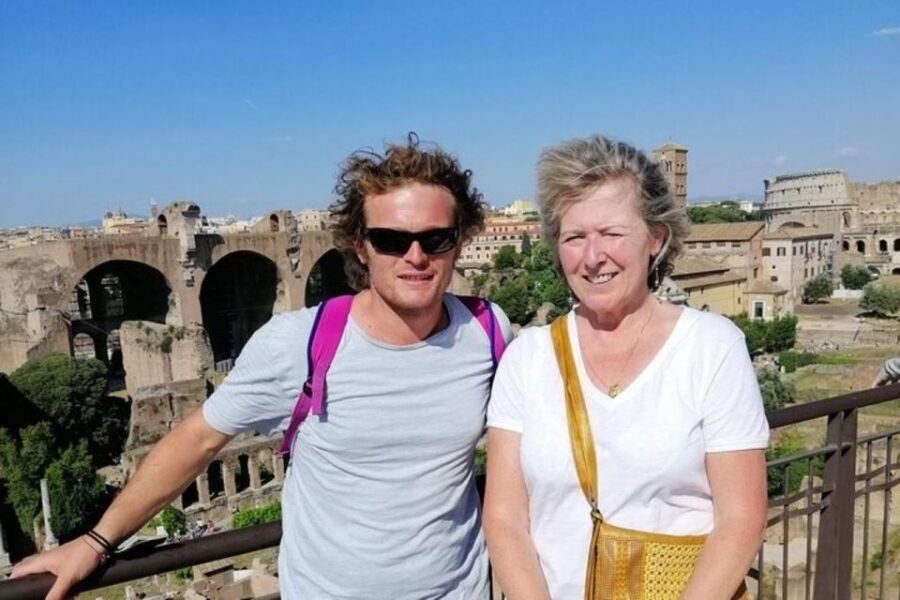
This tour runs rain or shine. That’s standard for good reason: Rome doesn’t pause its history when the clouds show up. Bring weather-appropriate clothing, and do the simple stuff that makes the experience better, like packing water and sunscreen.
What to wear:
- comfortable clothes
- comfortable shoes for uneven surfaces
And since this is a guided experience, follow the posted rules: no drones, and keep alcohol and drugs off the itinerary.
Who should book this tour, and who should skip it
This tour is a strong match for:
- first-time visitors who want major Rome highlights plus a couple of meaningful stops beyond the usual checklist
- people who enjoy learning in the open air with a guide who answers questions
- anyone who wants a guided route that ends at Trevi so you can keep exploring after
It’s not a good match for:
- people with mobility impairments, because the tour involves walking and is not listed as suitable for that need
- people who only want inside visits, since monuments are explained from the outside with no building entry
Should you book the Rome City Highlights Walking Tour?
I’d book it if you want a guided way to connect Rome’s famous landmarks into a single story in just 2.5 hours. The strongest reason is the combination: Pantheon + Trevi for big impact, plus stops like the Jewish Ghetto and Campo de’ Fiori that keep the city from turning into a single-style postcard.
Skip it if your top priority is interior access to buildings. Also skip if walking is a problem for you. Otherwise, this is a practical, high-value way to start your trip with confidence, and to walk away knowing what you just saw, not just that you took photos.
FAQ
How long is the Rome City Highlights Walking Tour?
It lasts 2.5 hours.
Where do I meet the guide?
Meet your guide at Colonna Traiana n 84. The guide will be holding a sign or flag with the City Walkers logo.
Is the tour in English?
Yes, the tour has a live English guide.
Does the tour include entry into monuments or buildings?
No. The tour explains the monuments from the outside, and there is no entry into buildings.
What are the main sights on the route?
The tour visits Trajan’s Market (start), Piazza Venezia, the Jewish Ghetto, Campo de’ Fiori, Piazza Navona, the Pantheon, Hadrian’s Temple, and ends at Trevi Fountain.
What’s included in the price?
Included are the guide and headphones (if needed).
Do I need to plan for rain?
Yes. The tour runs rain or shine.
What should I bring?
Bring sunscreen, water, and comfortable clothes suitable for the weather.
Is this tour suitable for people with mobility impairments?
No, it is not suitable for people with mobility impairments.
What is the cancellation policy?
There is free cancellation up to 24 hours in advance for a full refund.