REVIEW · CITY TOURS
Rome City Center Walking Tour in a Small Group
Book on Viator →Operated by Roman Vacations · Bookable on Viator
Rome has a way of overwhelming you fast. This walk is a smart way to tame the chaos. In just a couple hours, you’ll connect big monuments to the people and power that shaped them, from Julius Caesar’s era to the baroque theatrics of Bernini-era Rome.
I especially like the small-group size (max 12), which keeps things relaxed and gives you room to ask questions. I also like the built-in stop for authentic Italian gelato or coffee, so the tour has a real taste of Rome instead of just photo stops.
One thing to plan for: it’s a walking tour through the center, so you’ll want comfortable shoes and a weather mindset. If rain or illness hits, don’t assume a simple reschedule—use the cancellation window if you need flexibility.
In This Review
- Key takeaways before you go
- Where the Tour Starts: Piazza Venezia Gets You Oriented Fast
- Julius Caesar’s Shadow at Largo Argentina
- Piazza Navona: Baroque Drama and Aperitivo Pointers
- The Pantheon: From Temple to Church, With a Real Break
- Trevi Fountain: Coin Toss, History, and “Movie Sight” Energy
- Spanish Steps Finish: The Best View to Cap the Day
- How Long Does 2 Hours 15 Minutes Take in Real Life?
- Small-Group Comfort: Asking Questions Without the Rushing
- What You’re Paying For: $47.93 and the Real Value
- Choosing Morning or Afternoon: Match It to Your Energy
- Guide Styles You Can Expect: Clear Stories and Practical Tips
- Footwear, Shade, and Walking Rhythm: Practical Tips That Actually Help
- Should You Book This Rome City Center Walking Tour?
- FAQ
- Is this tour in English?
- How long is the Rome City Center Walking Tour?
- How much does it cost?
- What is included in the tour price?
- What does the tour cover?
- Where do I meet the guide?
- Where does the tour end?
- Is it a large group?
- What if I need to cancel?
Key takeaways before you go
- Small group (max 12) keeps the pace human and the stories clear
- Major landmarks in a tight route: Piazza Venezia, Largo Argentina, Navona, Pantheon, Trevi, Spanish Steps
- Guide-led context ties architecture and history together without making you study
- Included gelato or coffee gives you a Rome break, not just sightseeing
- Choose morning or afternoon to match your energy and your other plans
Where the Tour Starts: Piazza Venezia Gets You Oriented Fast
The tour begins at Foro Traiano, 84 and quickly drops you into Rome’s political and visual core. Your first major stop is Piazza Venezia, which has been a focal point for centuries. The guide sets the scene by explaining how the city’s view and power shifts show up right in the buildings around you.
This is where the whole trip starts to make sense. You’re not just looking at monuments—you’re learning why they look the way they do, and which eras left their fingerprints. You’ll also get a clear view of the Altare della Patria, more commonly called the Vittoriano, a monument dedicated to Italy’s first king.
Why this matters for you: if it’s your first time in Rome, you’ll leave with a mental map. And if you’ve been before, you’ll notice details you usually speed past.
You can also read our reviews of more walking tours in Rome


Julius Caesar’s Shadow at Largo Argentina
From Piazza Venezia, you walk to Largo di Torre Argentina, where ancient remains sit in the middle of modern Rome. This area is tied to the assassination of Julius Caesar, and the sight itself feels like a time machine you can stand in front of.
The guide focuses on the contrast: Caesar’s rise from an early soldier to an emperor-level ruler, followed by how violence ended his story. It’s the kind of moment where Rome’s layers aren’t abstract. They’re literally under your feet and around you.
What I like about this stop: it gives the tour bite. One minute you’re at major civic monuments; the next, you’re staring at the physical reminder that political power can change everything—fast.
Practical note: this is one of those stops where the story may feel darker than the rest of the route. If you prefer lighter vibes, just know that Rome’s history has teeth.
Piazza Navona: Baroque Drama and Aperitivo Pointers
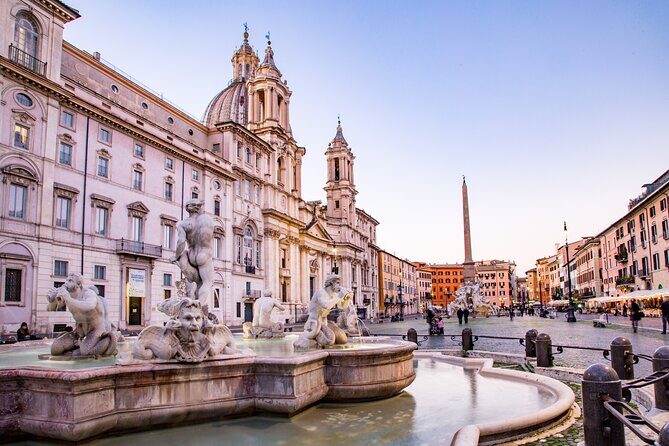
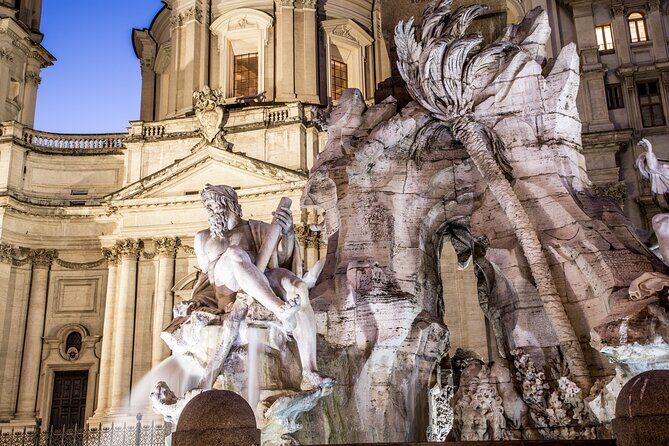
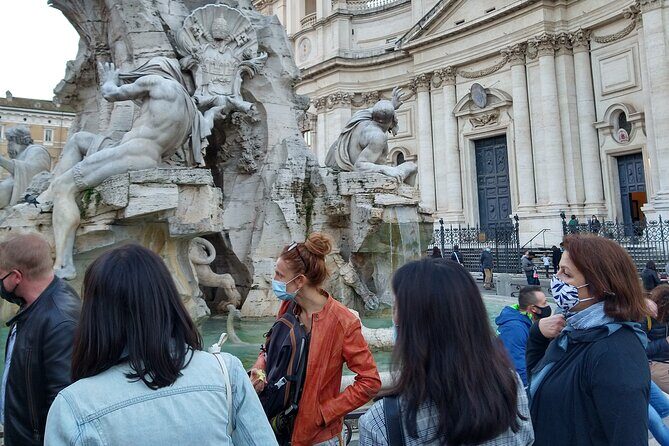
Next comes Piazza Navona, one of Rome’s most famous baroque squares, famous for its fountains designed by Bernini. Here, the guide also brings in a rivalry angle, including the competition between Bernini and Borromini, which helps explain why so many buildings in central Rome look like they’re competing for attention.
You’ll also get a pop-culture detail that actually helps anchor the square: Tom Hanks almost drowned in Angels and Demons, shot here. That kind of memory hook makes it easier to picture the space the way filmmakers do.
And then—this is useful—you’ll get real aperitivo context for the square. Not just the idea that Italians do drinks before dinner, but how it works there and where it’s worth going.
Why it’s great value: this stop doesn’t end at the fountain. You walk away with better instincts for where to linger later, especially if you’re planning dinner and drinks.
The Pantheon: From Temple to Church, With a Real Break
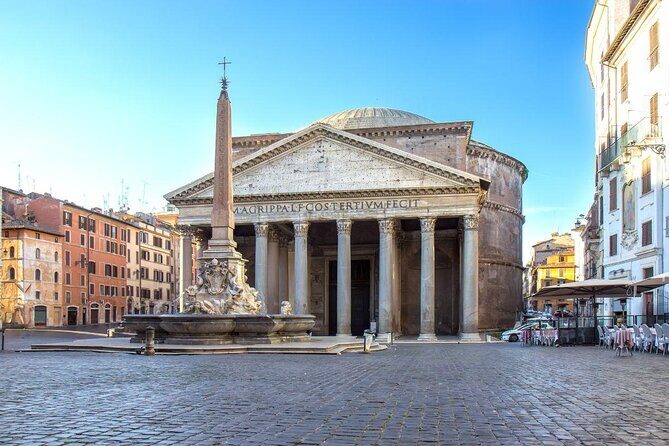
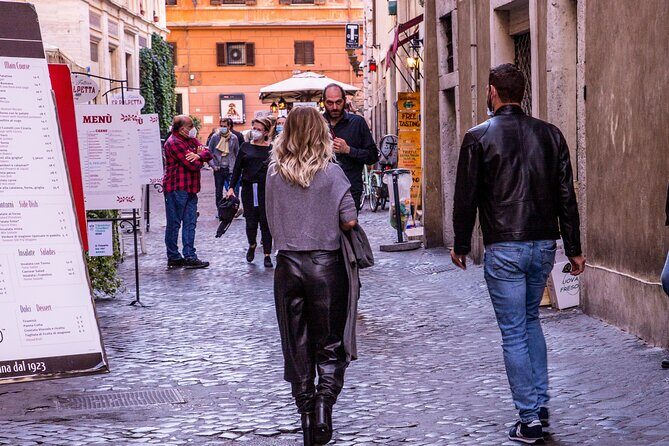
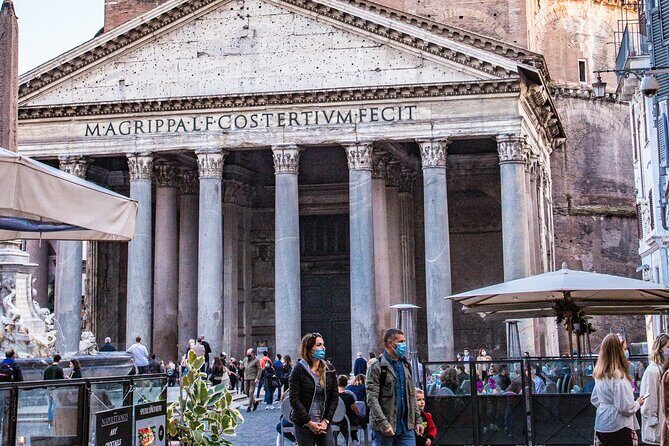
After Navona, the route leads to the Pantheon, a building you can’t really understand until you see its shape up close. It’s a Christian church that used to function as a temple for Roman gods, and the guide explains how that shift affected how people used the space over time.
The star here is the dome. Even if you’ve seen photos, being there helps you understand why it became so iconic. It’s one of those structures that makes Rome feel less like a museum and more like living engineering.
The tour also gives a chance for a quick pause. If you want it, you can stop for coffee or gelato before moving on toward Trevi Fountain. That break matters because the walking gets real in this part of the route.
One drawback to consider: the Pantheon area is popular, so expect crowds. A guide helps you focus on what to look at, but you’ll still want patience.
Trevi Fountain: Coin Toss, History, and “Movie Sight” Energy
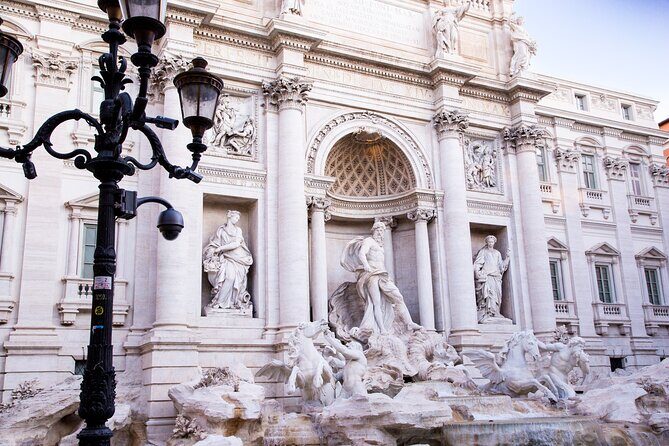
Trevi Fountain is a must-see for a reason. It’s one of Rome’s most iconic monuments and has played a starring role in films, from Audrey Hepburn to James Bond. The guide explains the site’s history and gives you the detail on how to toss your coin.
This stop is both emotional and practical. You’ll want a moment for photos, sure. But you’ll also learn what the fountain represents beyond the postcard.
Why I think this stop is worth the time: it’s easy to treat Trevi like a photo box. With a guide, you’ll understand the backstory and notice how the monument sits in the streetscape—so it feels less random and more intentional.
You can also read our reviews of more city tours in Rome



Spanish Steps Finish: The Best View to Cap the Day
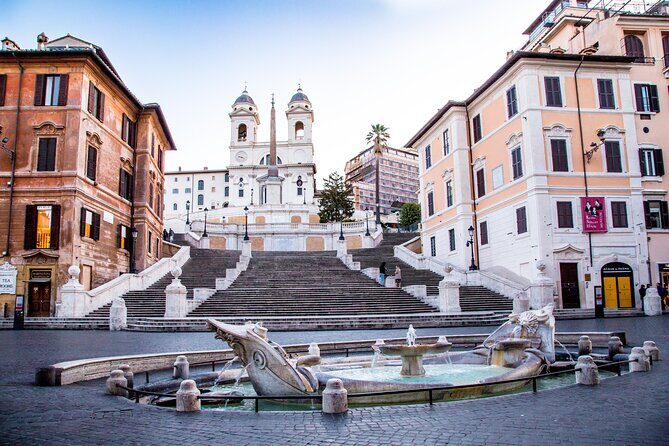
The tour ends at Piazza di Spagna, with the final highlight at the top of the Spanish Steps. The steps have long been a fashionable social spot since they were completed in 1725, and the area remains wrapped in modern style with top fashion brands nearby.
The guide points you toward Trinita dei Monti, the church at the top area, and then you enjoy one of Rome’s best viewpoints. It’s a great way to close the loop: after hours of architecture and history, you get a breath of panorama over the city.
What makes the finish work: you end at a place that’s both scenic and useful. From there, you can keep walking toward shopping, wander back for dinner, or use it as a meetup point for your next plan.
How Long Does 2 Hours 15 Minutes Take in Real Life?
The tour runs about 2 hours 15 minutes. That’s a good length for a first Roman afternoon or morning because it’s enough time to learn without exhausting you.
Still, don’t be surprised if it runs a little longer. One review noted a closer-to-3-hours feel when the guide allowed extra time for breaks, like kids using the bathroom. Your guide also may manage time depending on the group and photo stops.
My advice: treat it like a flexible block. Plan something light right after, especially if you’re walking from a lot of previous stops that day.
Small-Group Comfort: Asking Questions Without the Rushing
The cap of 12 travelers is a big deal in Rome. With a larger group, you tend to get swept forward and leave questions behind. Here, the pacing feels more controlled and the guide can answer questions as they come up.
You’ll also notice how this affects the story delivery. The guide can slow down when you’re curious and speed up when you’re ready to move. That balance is why so many people like these small-group formats.
If you’re traveling as a pair or with family, this size is perfect. You get a local guide’s attention without the pressure of a full private tour.
What You’re Paying For: $47.93 and the Real Value
At $47.93 per person, this isn’t a cheap add-on, but it also isn’t inflated for what you get. You’re paying for an expert local guide, a tight route through major sights, and an included tasting break (gelato or coffee).
That included food can help you feel the value quickly. In Rome, quick snacks turn into impulse buys. Getting the gelato or coffee covered means you can spend that money elsewhere—like a better lunch or a museum ticket you truly care about.
You also save time. Instead of piecing together a DIY route and trying to figure out what matters at each stop, you get the “why” built in. That reduces the mental workload on your vacation day.
Choosing Morning or Afternoon: Match It to Your Energy
You can pick morning or afternoon start times. I like the flexibility because Rome’s center can feel intense, especially in warm months.
If you’re doing other timed activities later, mornings can be smoother. If you’re trying to sleep in, an afternoon start works well since you still end with a scenic finish at Spanish Steps.
Simple strategy: if you know you’ll walk a lot anyway, choose the time when you feel best for a steady walking pace.
Guide Styles You Can Expect: Clear Stories and Practical Tips
Some guides mentioned in feedback include Daniel, James, Angela, and Dimitri. Across these different personalities, the common thread is that the stories don’t feel like lectures. They connect the architecture to people, politics, and everyday Roman culture.
You’ll also notice practical guidance woven in. One review highlighted that the guide cared about hydration and looked for shade when possible. That’s the kind of real-world attention that makes a walking tour feel safer and calmer.
If you’re someone who likes details, you’ll probably enjoy this format. The best part is that you get to ask questions and get more than one-liners.
Footwear, Shade, and Walking Rhythm: Practical Tips That Actually Help
This is a city-center walking route, so the basics matter. Wear comfortable shoes you can trust for uneven sidewalks and standing time near landmarks.
Bring a water bottle, and consider a small plan for heat. Rome can go from fine to draining fast, and guides who actively look for shade make a difference.
Also, the tour includes a lot of stops where you’ll want photos. Don’t schedule your next major activity too tightly. Give yourself buffer time so you’re not sprinting across the city after the tour ends.
Should You Book This Rome City Center Walking Tour?
I’d book this if you want a fast, meaningful introduction to Rome’s core sights. It’s especially strong for first-timers because it helps you build context without turning the day into studying. The small-group size and guide-led storytelling are the main reasons it feels worth it.
I wouldn’t book it if your biggest priority is avoiding crowds at all costs or if you need a lot of flexibility to reschedule last-minute due to weather or illness. If you’re in that situation, use the booking window wisely and have a backup plan for another day.
If you want my bottom line: this is a smart value way to get your bearings and learn the city while you walk through it.
FAQ
Is this tour in English?
Yes, the tour is offered in English.
How long is the Rome City Center Walking Tour?
It runs about 2 hours 15 minutes.
How much does it cost?
The price is $47.93 per person.
What is included in the tour price?
You get an expert local guide and authentic Italian gelato or coffee.
What does the tour cover?
It covers Rome’s historic center with stops at Piazza Venezia, the area around Largo di Torre Argentina, Piazza Navona, the Pantheon, Trevi Fountain, and Piazza di Spagna.
Where do I meet the guide?
The meeting point is Foro Traiano, 84, 00187 Roma RM, Italy.
Where does the tour end?
The tour ends at Piazza di Spagna, 00187 Roma RM, Italy.
Is it a large group?
No. The group size is limited, with a maximum of 12 travelers.
What if I need to cancel?
There is free cancellation, and you can cancel up to 24 hours in advance for a full refund.