REVIEW · PRIVATE
Rome Baroque: Fountains and Squares Private Walking Tour
Book on Viator →Operated by Rome Italy Explora · Bookable on Viator
Rome is best learned on foot, and this route is made for that. You’ll move through the city’s most famous Baroque-and-ancient set pieces with a private professional guide and a smooth pickup/drop-off setup that keeps your day from turning into a logistics puzzle. It’s also a great first-time Rome plan because the sights link together in a way that makes the city feel like one continuous story, not five separate postcards.
I especially like that the pacing is clean and focused—30 minutes per major stop—so you get time to look closely instead of sprinting. I also like the value of a built-in meal at the end (lunch or dinner on a fixed menu), because it saves you from hunting for a good spot while you’re already tired from the walking. One consideration: at this length, you’ll still be doing a lot of sightseeing in a short window, so comfortable shoes and realistic expectations matter.
In This Review
- Key highlights to know before you go
- A 3–4 hour private route through Rome’s Baroque showpieces
- Fontana di Trevi coin tradition and what to look for in 30 minutes
- Piazza di Spagna: the Spanish Steps and the Franco-Spanish link
- Piazza del Popolo and the 36m Augustus obelisk
- Inside the Pantheon: dome light, oculus, and the tombs of Raphael and Victor Emmanuel II
- Piazza Navona and Bernini’s Fountain of the Four Rivers
- Lunch or dinner fixed menu: keep the day easy at the end
- Price and value: what $710.76 per person buys you
- Getting the most from your guide (and not losing time in Rome)
- Should you book this Rome Baroque fountains and squares tour?
- FAQ
- How long is the Rome Baroque walking tour?
- Is pickup and drop-off included?
- Is this tour really private?
- Which main sights are included?
- Are admission tickets included?
- Do I get lunch or dinner?
- Can I request dietary requirements or allergies?
- Are gratuities included?
- What is the cancellation policy?
Key highlights to know before you go
- Private guide for a tighter, more personal pace through the center of Rome
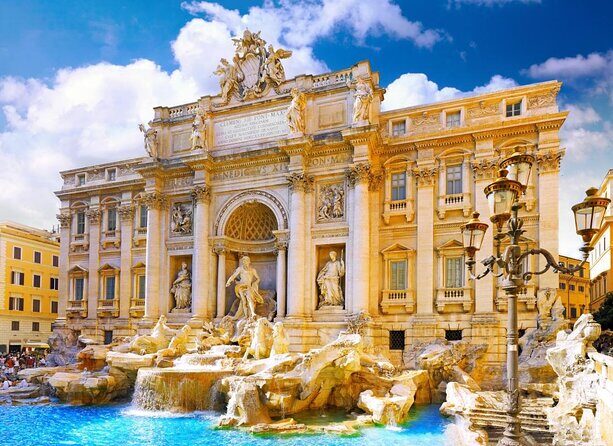
- Trevi Fountain + the coin tradition in a scheduled, time-friendly stop
- The Pantheon’s dome and oculus plus two big-name tombs (Raphael and Victor Emmanuel II)
- Piazza Navona and Bernini’s Fountain of the Four Rivers in the same walking loop
- Chauffeured luxury transport to start and end your day without stress
- A fixed-menu lunch or dinner at the end keeps the itinerary simple
A 3–4 hour private route through Rome’s Baroque showpieces
This is a private walking tour in Rome’s historic center, designed for first-timers and anyone who wants the “greatest hits” without losing the plot. The total time is about 3 to 4 hours, and each stop is scheduled at around 30 minutes, which is a smart rhythm for Rome’s open-air landmarks.
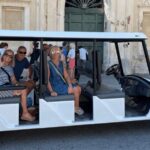
You’ll have a private guide with you the whole time, plus luxury transportation with pickup and drop-off by private chauffeur. That matters because Rome can be slow and chaotic up close; being able to start and finish cleanly helps you actually enjoy what you paid for, instead of spending your energy on taxis and timing.
The tour also uses a mobile ticket and includes admission ticket(s) for the listed stops. The important part for you: you’re not meant to handle entry on your own between sights, which makes the walking loop feel effortless.
You can also read our reviews of more walking tours in Rome

Fontana di Trevi coin tradition and what to look for in 30 minutes
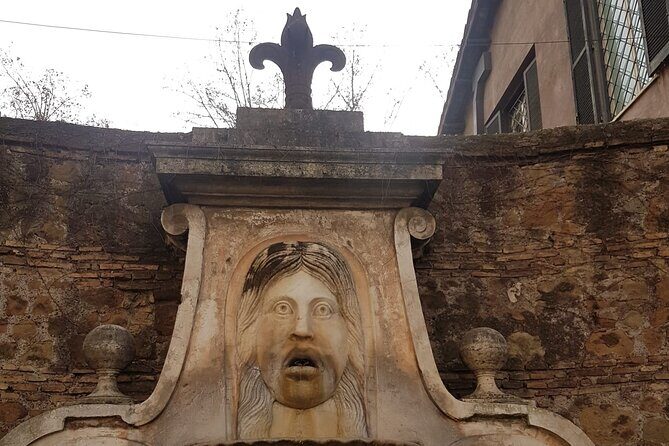
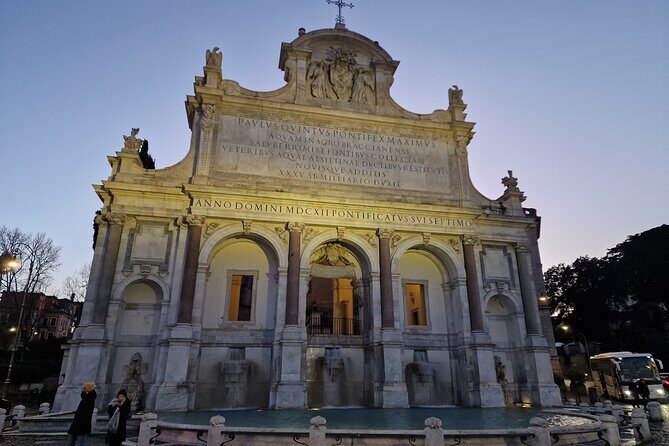
Trevi Fountain is the one stop in Rome that most people already know by name, and for good reason. You’ll get a dedicated 30-minute visit at Fontana di Trevi, one of the city’s most iconic fountains, and the classic tradition applies: you throw in a coin to help ensure your return to Rome.
What I like about this stop in a guided format is that you can actually look instead of just snapping photos and moving on. The fountain is visually busy in the best way, so your guide’s job is to help you read what you’re seeing—how the sculptural details relate to the overall composition and why Trevi became the poster child for Rome’s love of drama in stone.
The potential drawback is crowd density. Trevi’s location makes it a magnet all day, so you’ll want to use your guided time well: pause for the “big view,” then move for a slightly different angle to catch more detail before the group moves on.
Piazza di Spagna: the Spanish Steps and the Franco-Spanish link
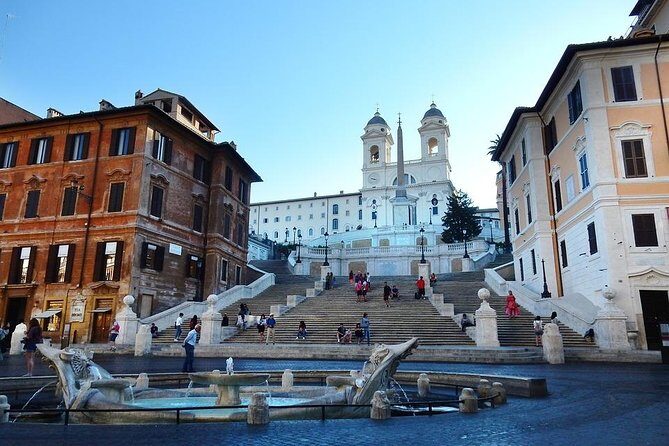
Next is Piazza di Spagna, home to the Spanish Steps, built to connect the Trinità dei Monti church (under the patronage of the King of France) with the square below. It’s a clever bit of political geography made into architecture, and the naming also points to how Rome’s global connections have always left marks—Piazza di Spagna is named after the Spanish Embassy to the Holy See.
In about 30 minutes, you won’t just “see steps.” You’ll understand why they’re there, and that changes how you experience the place. From eye level, you can appreciate the sweep of the stairway and how the square functions as a social stage—people gather there because it’s designed for it.
A practical note: the steps mean lots of sightlines, and Rome’s center can get windy and busy. If you’re sensitive to crowds or standing for long periods, use the guide’s timing—take a quick look from one angle, then let the next moment do the work.
Piazza del Popolo and the 36m Augustus obelisk
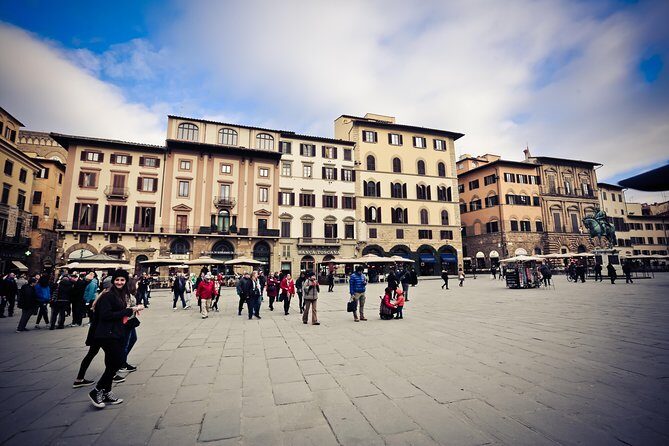
Piazza del Popolo is a huge, formal piazza that was laid out in 1538 as a grand entrance to Rome’s main northern gateway. The shape of the space tells you this was about arrival and power, not just wandering, and it was later remodeled—most recently by Giuseppe Valadier in 1823.
The star feature is the 36-meter-high obelisk at the center. It was brought by Augustus from ancient Egypt, and it originally stood in the Circo Massimo. That fact alone is worth the stop because it reframes what you’re looking at: you’re not only seeing something Roman, you’re seeing what Rome stole, reused, and repurposed from elsewhere.
Because the visit is scheduled at about 30 minutes, your guide can help you focus on the right cues: the geometry of the square, how the obelisk anchors it, and why this kind of monumental placement was so important in Rome’s city planning.
If you’re going during peak daylight, do expect eye-level brightness and lots of foot traffic. Use the visit time to rotate your view once or twice; the space looks different depending on where you stand.
Inside the Pantheon: dome light, oculus, and the tombs of Raphael and Victor Emmanuel II
The Pantheon is one of those Rome stops that feels timeless even if you know nothing before you arrive. It’s described as the best preserved ancient building in Rome, originally dedicated to mythology divinities and later turned into a Christian church in the 7th century. In other words: you’re standing inside a building that Rome kept working into different belief systems.
The interior is where the guide payoff is big. You’ll admire the immense dome and the oculus, the opening at the top that creates that unmistakable lighting effect. The light changes how the space feels hour to hour, and the oculus isn’t just a detail—it’s the main character.
You’ll also see the tombs of two major names: Raphael and Victor Emmanuel II, the first king of Italy. That blend of ancient architecture and modern Italian identity is part of why the Pantheon hits so hard.
Potential drawback: time can feel short if you want to linger. With about 30 minutes, you’ll want to decide early what you want most—dome and oculus views, or the interior memorials—then follow your guide’s route so you don’t waste minutes backtracking.
You can also read our reviews of more private tours in Rome



Piazza Navona and Bernini’s Fountain of the Four Rivers
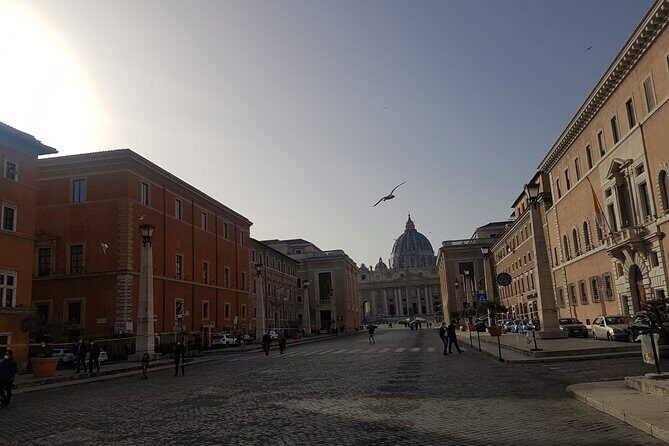
Your last major sight is Piazza Navona, one of the most recognizable squares in Rome’s historic core. It’s built on the ruins of the Emperor Domitian’s stadium, so when you stand on the square, you’re literally walking above layers of older Rome.
The showpiece here is Bernini’s Fountain of the Four Rivers. Your guide’s job is to help you see beyond the surface—how the fountain fits the piazza’s scale and why Bernini’s style matches the Baroque idea of turning public space into theater.
This stop works well at the end of the tour because it gives you a place to slow down after the earlier “big monuments” energy. Still, it can also be lively, so give yourself the full 30 minutes and don’t rush for the photo spot—get one good wide view, then come back for detail.
Lunch or dinner fixed menu: keep the day easy at the end
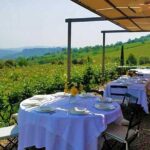
The tour finishes at a favorite local restaurant where you’ll have lunch OR dinner with a fixed menu. For me, this is one of the most practical parts of the experience: when your day includes Trevi, the Pantheon, and Piazza Navona, you don’t want to gamble on food choices at the finish line.
The key limitation is also clear: you don’t pick the menu outside what’s included. If you have strong preferences, you’ll want to plan around that. If you have dietary requirements or allergies, you should share them at booking, since the tour notes that you should advise needs in advance.
If you’re thinking about value, fixed-menu dining can be a win because it’s bundled into the tour time instead of turning into a separate planning task. It also makes timing easier, which matters when you’re short on daylight or on a tight Rome schedule.
Price and value: what $710.76 per person buys you
At $710.76 per person, this isn’t a budget walk. The question is what you’re paying for—and how that cost matches your style of travel.
You’re paying for a private setup (not a shared group shuffle), plus a professional guide and luxury transport with pickup and drop-off. You’re also paying for time saved: fewer decisions, fewer entry issues, and less time lost to transit in a city that punishes delays.
The tour also includes admission ticket(s) for the listed stops and a meal (lunch or dinner) at the end. For Rome, that “bundled” structure can matter a lot. If you were to plan these sights on your own, the cost and time would pile up fast through guide time, transport time, tickets, and the cost of a sit-down meal after a walk-heavy afternoon.
Is it worth it? If you want comfort, a guided narrative at each stop, and a day that feels controlled rather than improvised, the price starts to make sense. If you’re the type who prefers to wander freely, skip official guidance, and keep costs low, you could find cheaper ways to see the same big names—just with more effort on your end.
Getting the most from your guide (and not losing time in Rome)
A private guide is only as good as how you use the time. I recommend going in with a simple mindset: you’re not trying to see everything; you’re trying to see well.
Here are a few practical ways to make the most of this kind of 30-minute-per-stop rhythm:
- Ask your guide what to notice first at each place, especially at the Pantheon, where the dome and oculus are the main payoff.
- Use the fountain stops to do a quick “wide view then detail” sequence, so you don’t spend all your time only at one angle.
- Keep an eye on shoes and comfort. You’re moving between major sites in a few hours, and Rome’s surfaces can be uneven.
- If you’re sensitive to crowds, listen to the guide’s timing on when to pause and where to stand.
You may also find helpful, behind-the-scenes organization from the staff. One guide name that has shown up in positive feedback for this type of historic-center walking experience is Francesca, and the same feedback also praises coordination from Rossana and Luigi. Your tour team may differ, but the takeaway is consistent: the operation aims to keep the experience smooth.
Should you book this Rome Baroque fountains and squares tour?
Book it if you want a structured, private introduction to Rome’s most famous squares and landmarks—especially if you’d rather pay for clarity than spend time figuring things out. This tour is a strong fit when you want meaning, not just sightseeing: Trevi’s coin tradition, Piazza di Spagna’s Franco-Spanish connection, Piazza del Popolo’s Augustus obelisk, the Pantheon’s light through the oculus, and Bernini’s Four Rivers at Piazza Navona.
Skip it if you’re traveling on a tight budget, or if you’re the kind of visitor who prefers to roam without a set path and fixed timing. Also consider that you’ll be walking and moving through busy public spaces in a compact window, so you’ll want to be physically comfortable.
If your ideal Rome day looks like guided stops, chauffeured pickup, and a real meal at the end, this one is built for that.
FAQ
How long is the Rome Baroque walking tour?
The tour lasts about 3 to 4 hours.
Is pickup and drop-off included?
Yes. The tour includes pickup and drop-off with luxury transportation and a private chauffeur.
Is this tour really private?
Yes. It’s listed as a private tour/activity, meaning only your group participates.
Which main sights are included?
The tour stops at Fontana di Trevi, Piazza di Spagna, Piazza del Popolo, the Pantheon, and Piazza Navona.
Are admission tickets included?
The tour states that admission ticket(s) are included for the listed stops.
Do I get lunch or dinner?
Yes. You’ll have lunch OR dinner with a fixed menu included.
Can I request dietary requirements or allergies?
Yes. You should advise any specific dietary requirements or allergies at the time of booking.
Are gratuities included?
No. Gratuities are optional and are not included.
What is the cancellation policy?
Cancellation is free if you cancel at least 24 hours in advance for a full refund.